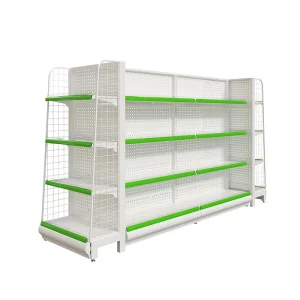
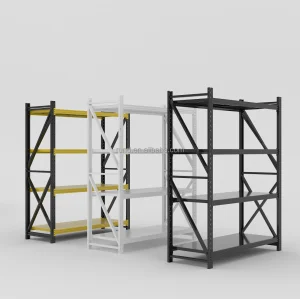
Explore our flagship heavy warehousing configurations and high-durability commercial racking designed to optimize vertical footprints.
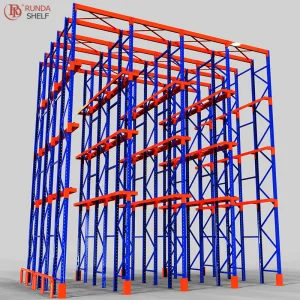
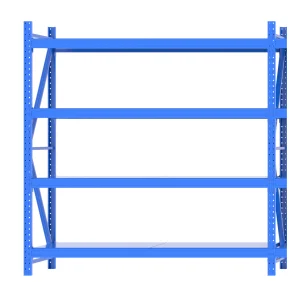
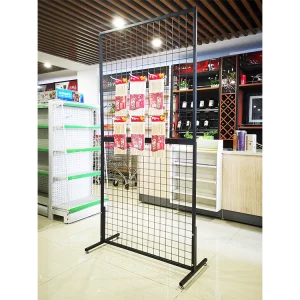
In an era characterized by land scarcity, rising urbanization, and the exponential growth of global supply chains, modern industrial logistics demands high-density, vertical spatial utilization. Heavy warehouse shelves designed to handle capacities exceeding 500KG per level have shifted from standard commodities to specialized, structural engineering installations. As warehousing facilities push their clear heights beyond 12 meters to optimize square footage, the mechanical performance of racking components becomes critical for operational safety.
Globally, the integration of heavier SKU units, unified pallet loads, and automated material handling equipment (such as AGVs, stacker cranes, and reach trucks) requires strict precision in racking manufacture. Stacking racks and heavy pallet systems must withstand static vertical loads, dynamic impact forces during placement, and regional seismic stresses. Manufacturers are adapting their product development cycles to supply cold-formed steel frameworks that boast exceptional strength-to-weight ratios, ensuring structurally sound warehouse operations under rigorous heavy-load conditions.
Statistical Fact: According to recent logistics infrastructure reports, optimizing warehouse verticality using heavy-duty selective racking (>500kg up to 4000kg per level) can reduce overall footprint requirements by up to 40% while preserving direct accessibility to every individual pallet slot.
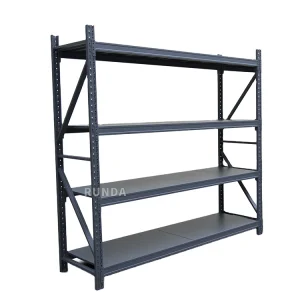
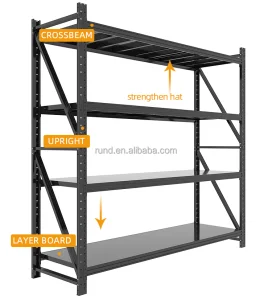
Heavy-duty warehouse racking with loading capacities exceeding 500KG (regularly scaling up to 1000KG - 4000KG per tier) requires specialized structural calculations. The main load-bearing components—uprights and box beams—are manufactured from premium-grade cold-rolled structural steel, typically Q235B or Q355B (equivalent to ASTM A36 or S355JR). The yield strength and tensile limits of these raw materials determine the racking structure's resistance to permanent deformation under heavy load.
To configure an upright frame's load-carrying capacity, design engineers calculate the maximum bending moment, local buckling tendencies of thin-walled steel profiles, and structural Euler-buckling forces under variable environmental conditions. In heavy warehouse shelving, deflection must be tightly regulated. Standard configurations dictate that structural beam deflection must not exceed 1/200th of the clear span length under full load conditions (referred to as L/200).
| Component/Profile | Standard Loading (500KG - 1500KG) | Heavy Loading (1500KG - 4000KG) | Safety and Engineering Factors |
|---|---|---|---|
| Upright Section Profile | 80mm x 60mm x 1.8mm / 2.0mm | 90mm x 70mm x 2.0mm / 2.3mm / 2.5mm | Cold-rolled steel with safety lock pins |
| Box Beam Profile | 80mm x 50mm x 1.5mm / 100mm x 50mm x 1.5mm | 120mm x 50mm x 1.5mm / 140mm x 50mm x 1.5mm | Double C-profile interlocking weld design |
| Steel Grade Material | Q235B Grade (Standard Structural) | Q355B Grade (High Yield Strength) | Standard raw material tensile testing verified |
| Deflection Limits | Max L/200 deflection allowance | Max L/250 or L/300 deflection allowance | Calculated using worst-case static loading models |
| Surface Protection | Electrochemical de-rusting & powder coating | Hot-dip galvanized (outdoor/freezer applications) | Impact-resistant, scratch-proof coating finishing |
Witness our complete manufacturing cycle at Ningbo FutureSpace Logistics Technology Co., Ltd., where strict ISO9001:2015 controls oversee production from raw coil selection to automated powder curing.
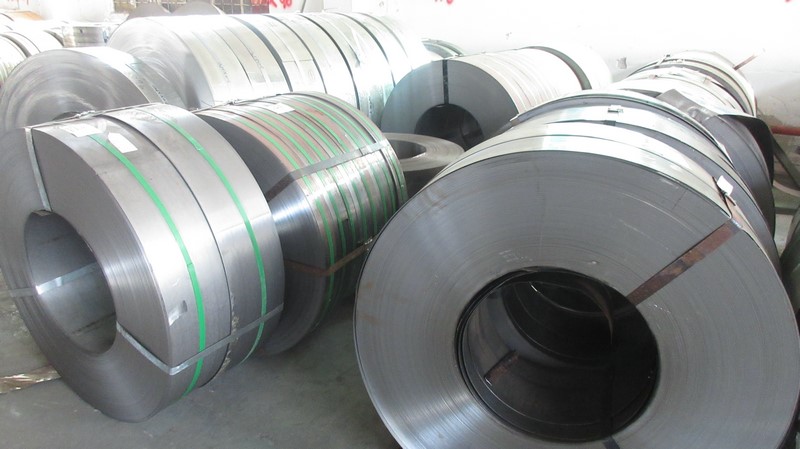
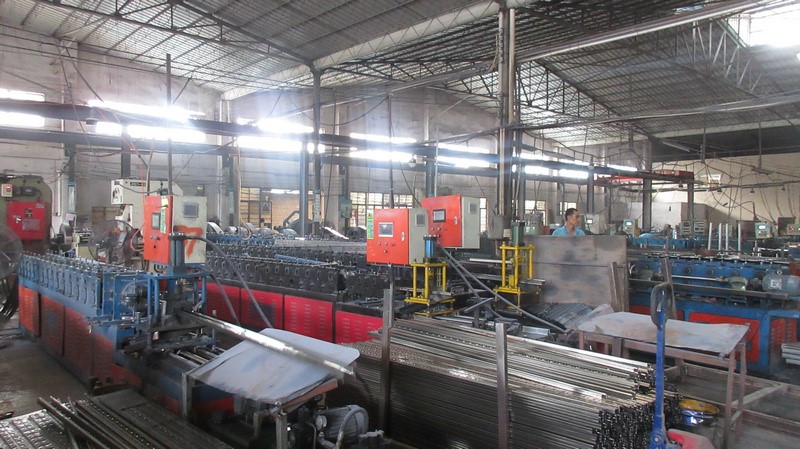
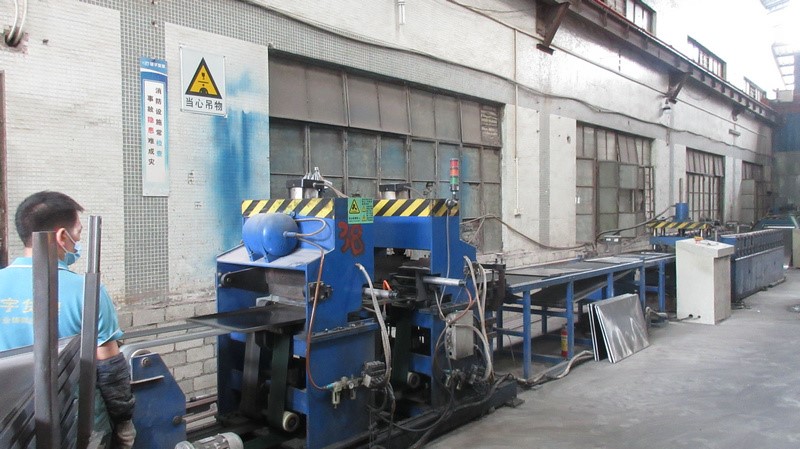
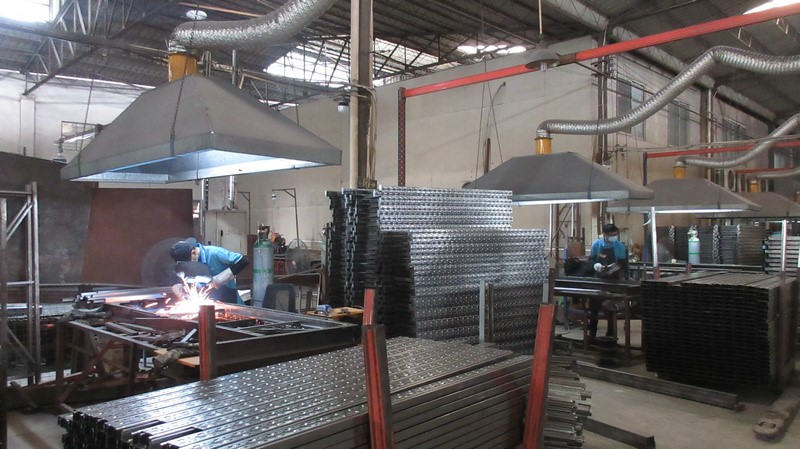
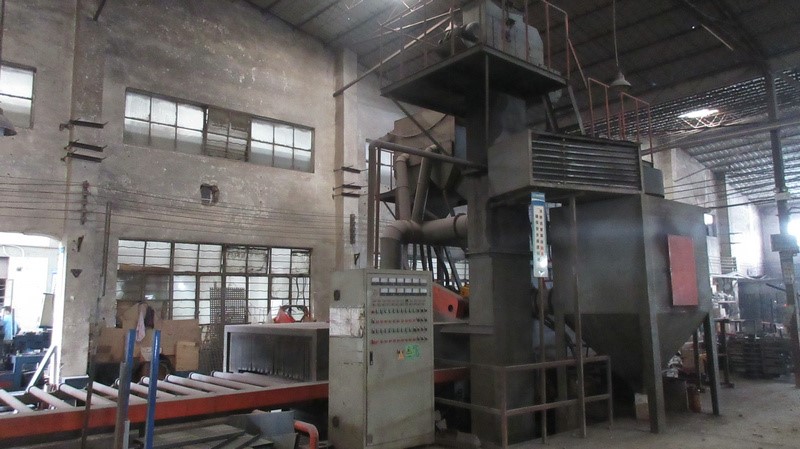
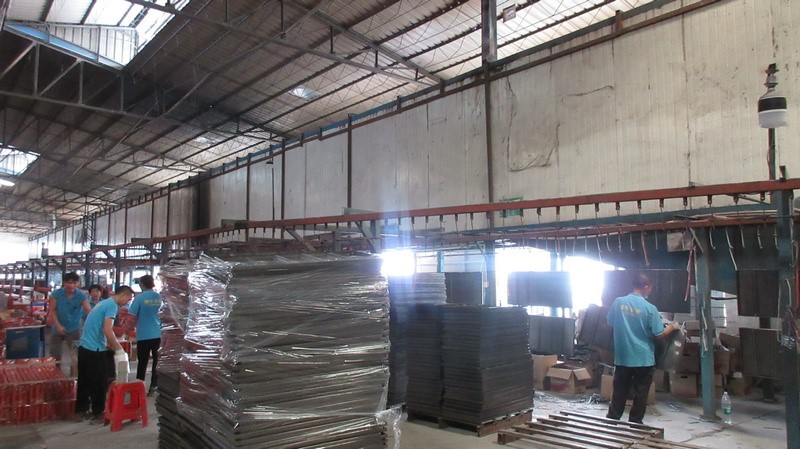
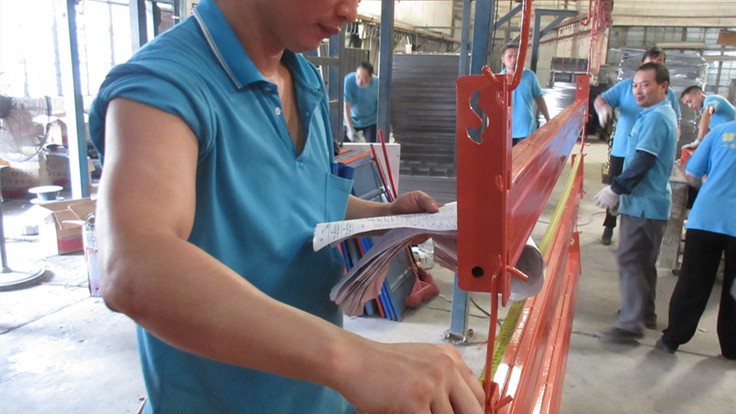
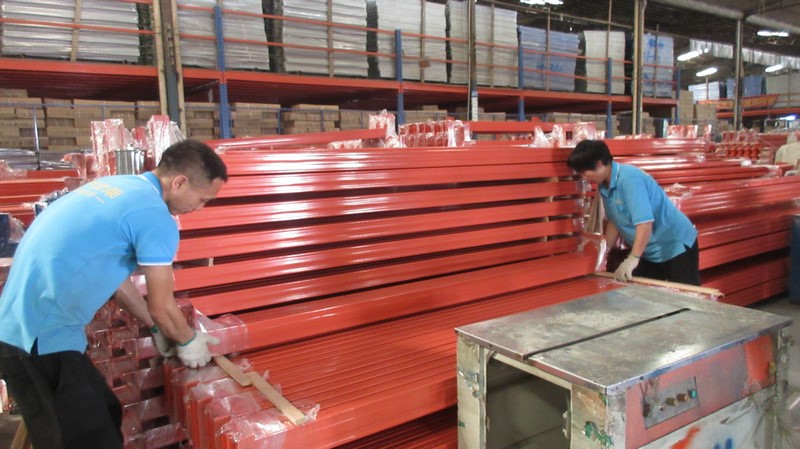
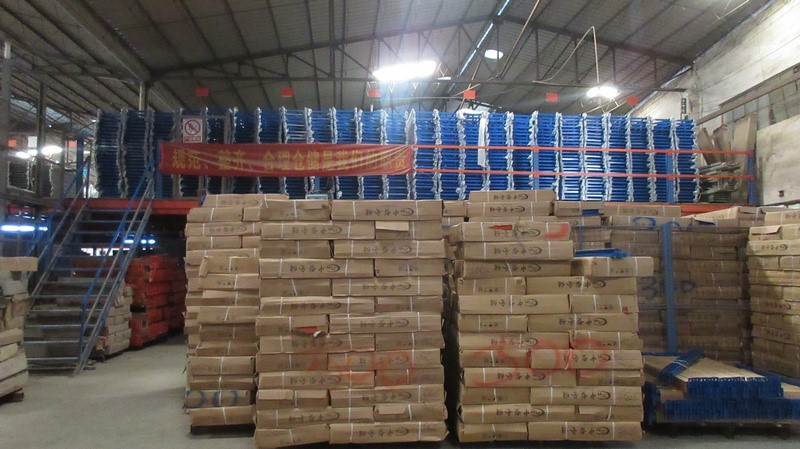
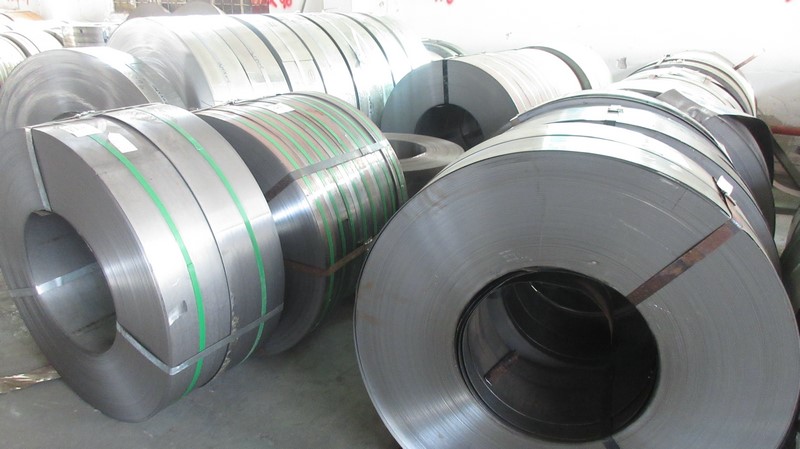
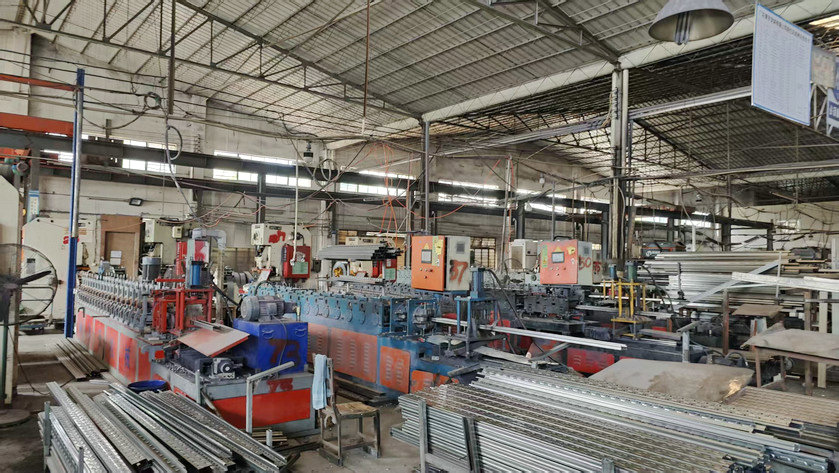
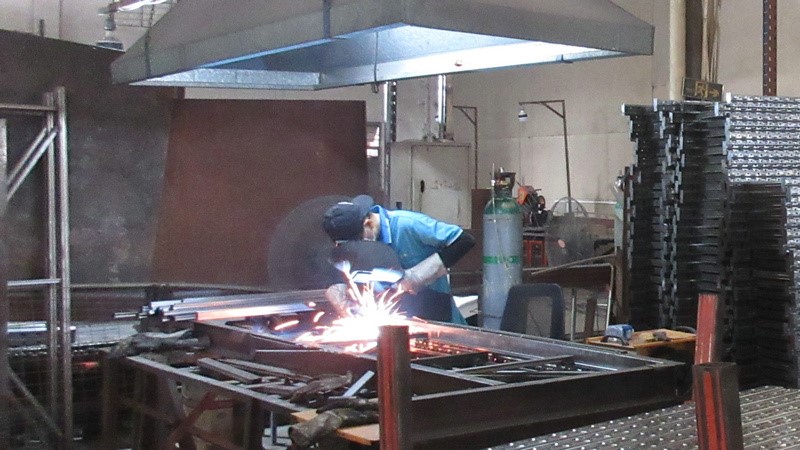
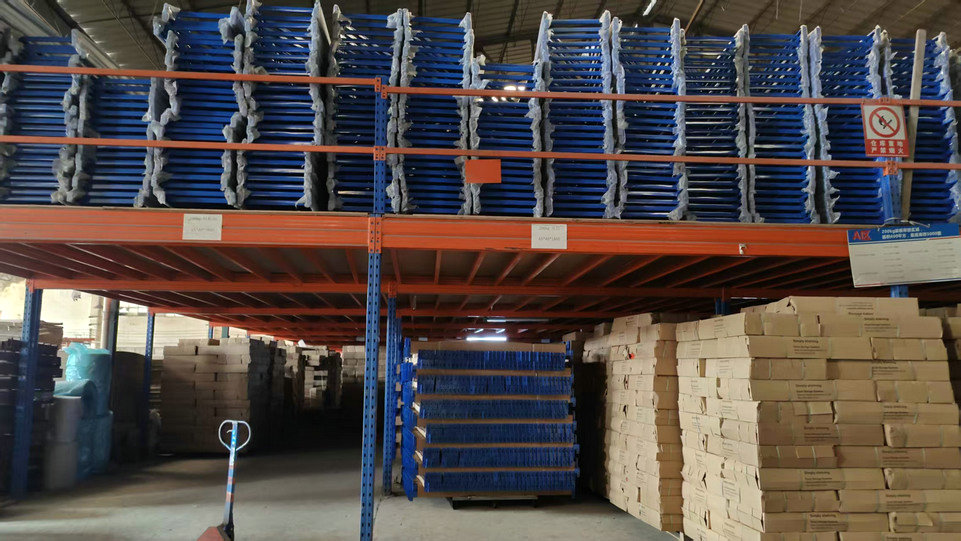
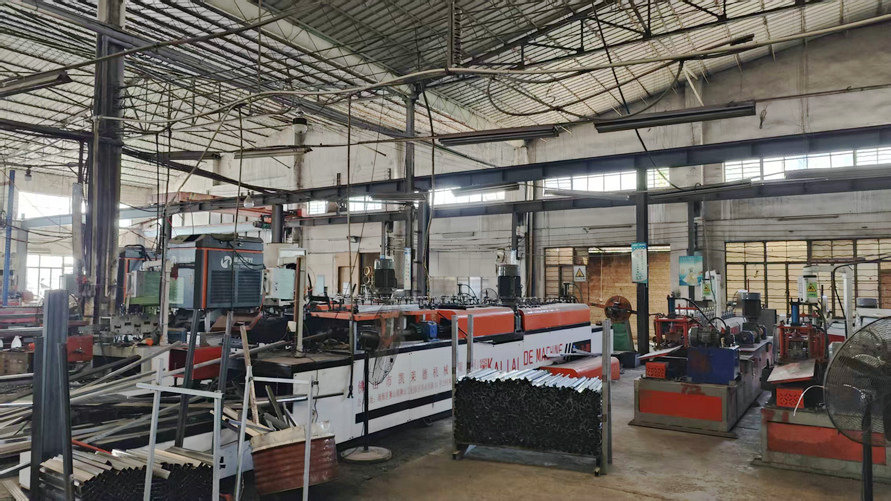
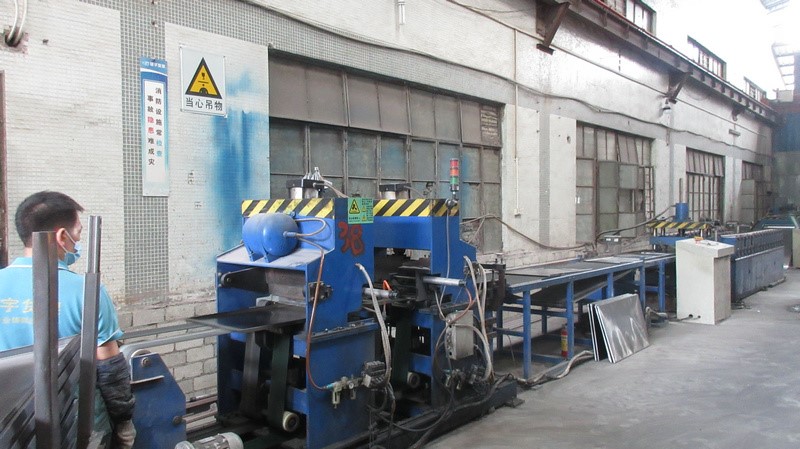
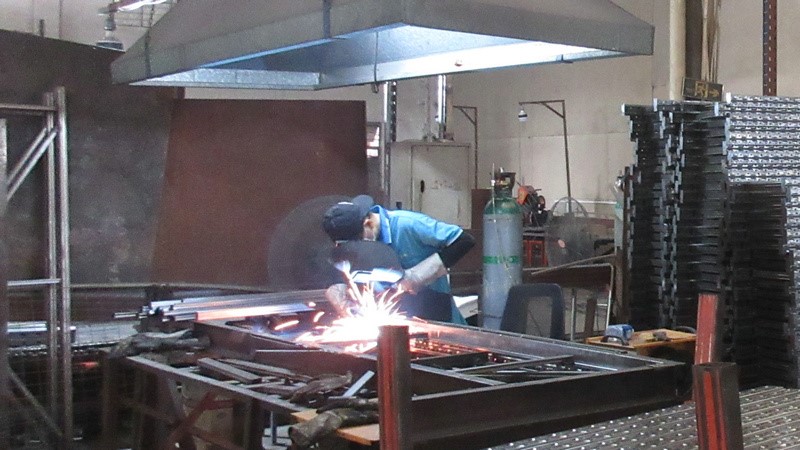
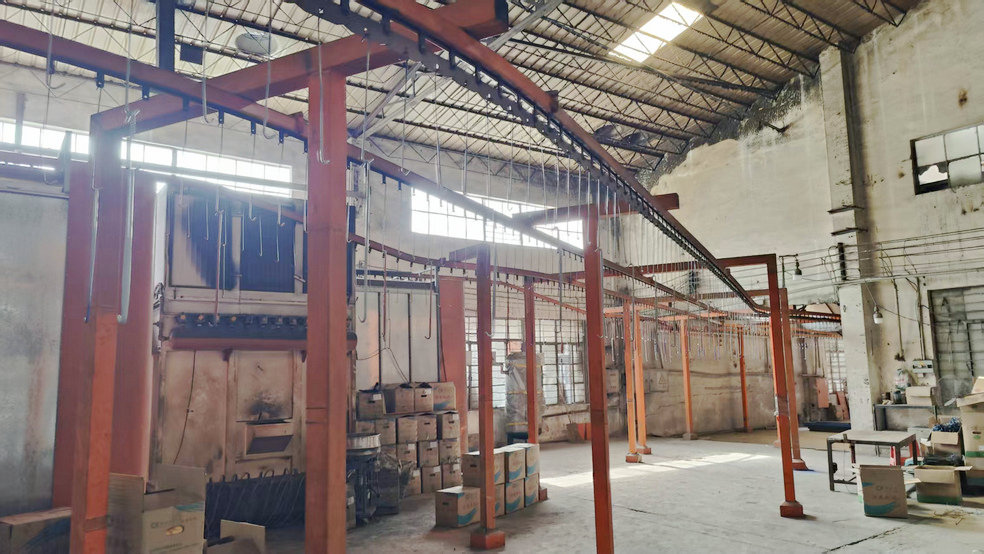
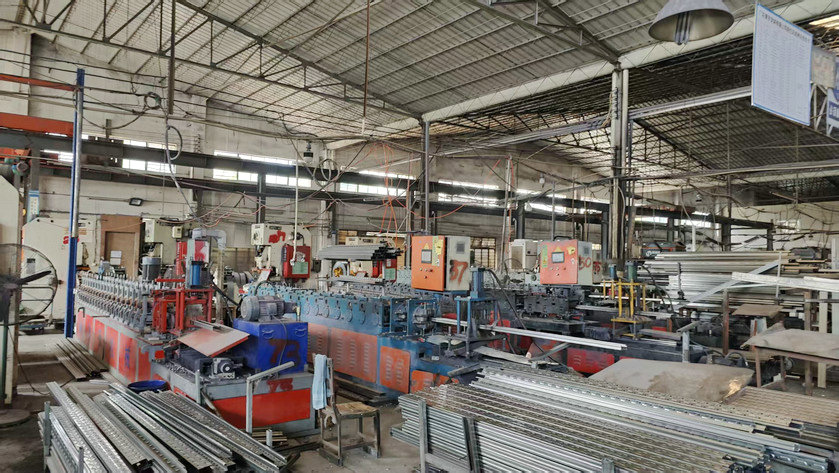
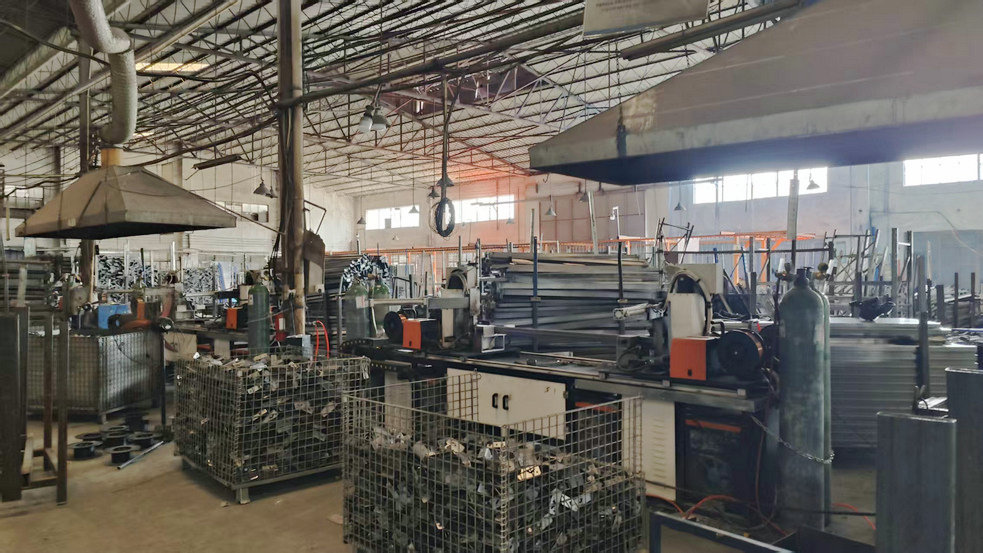
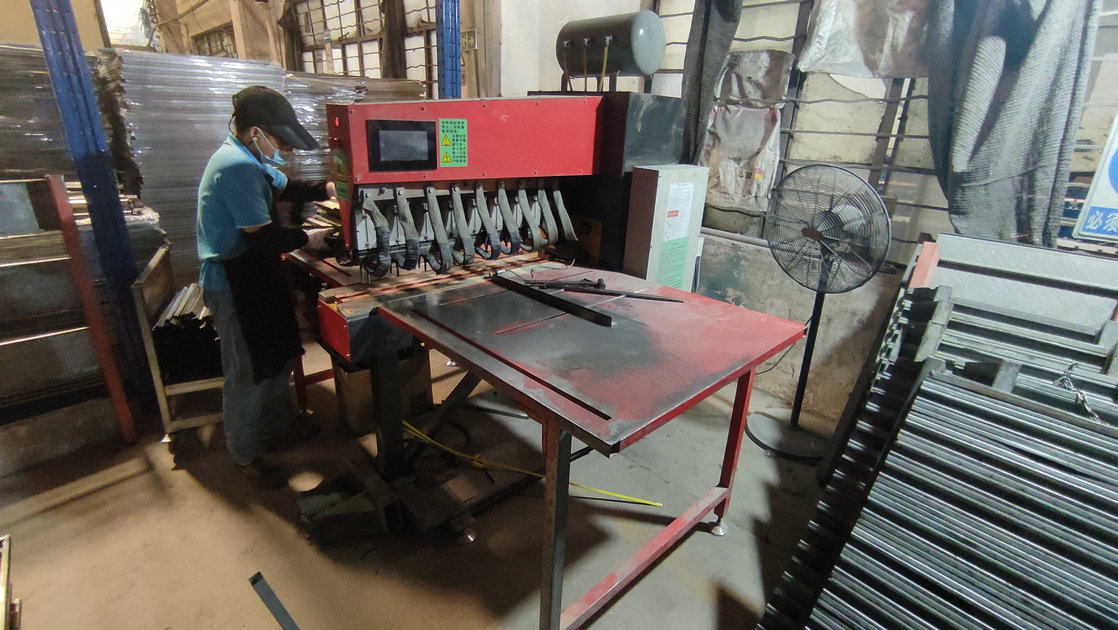
Heavy-duty warehouse installations pose high structural risks. Failure to design, construct, or maintain storage racks according to local standards can result in devastating failures. FutureSpace implements rigorous testing systems and compliance audits to meet the strict legal requirements of our key international markets:
Our manufacturing base is equipped with a raw material tensile testing laboratory to inspect incoming structural steel coils for consistent yield performance. We also utilize ultrasonic testing for robotic weld seams and mechanical drop-impact simulators. This quality assurance framework is managed by 22 certified quality control technicians, ensuring every batch meets the standards required for international shipping.
Standard catalog configurations rarely satisfy the unique constraints of customized regional distribution hubs and manufacturing facilities. Backed by 28 skilled R&D engineers, FutureSpace provides comprehensive OEM customized sizes, variable structural steel gauges, and tailored paint and protective coatings. We engineer solutions to match the exact requirements of three primary application scenarios:
Heavy components, cast iron molds, and high-density automotive assemblies require modular racking with structural wood or wire deck panels. Our designs prevent concentrated loading failures and allow forklift operators to store and access pallets safely.
Operating in deep-freeze environments (-25°C to -30°C) requires specialized low-temperature structural steel alloys (such as Q355D/E) to prevent low-temperature steel embrittlement. Racks are finished with hot-dip galvanization to resist condensation rust.
Engineered for rapid SKU turnover, our double-deep configurations, drive-in pallet systems, and narrow-aisle (VNA) systems optimize vertical space while allowing continuous warehouse operations.
The warehouse storage sector is shifting rapidly toward automation. Standard heavy-duty stacking racks must now evolve to support shuttle cars, stacker cranes, and automated storage and retrieval systems (ASRS). FutureSpace is directing its research and development budget to design high-precision, low-tolerance structural upright frames that can interface with robotic components.
Automation interfaces require structural deflection tolerances below 5mm, and perpendicular variations must not exceed 1/1000th of the height. This precision is achieved through CNC-guided manufacturing lines, specialized beam connector locks, and laser-guided alignment checks during installation. FutureSpace's development pipeline focuses on introducing IoT weight-sensor arrays that fit directly into heavy-duty storage beams. These sensors provide real-time weight distribution data to the warehouse management system (WMS) to prevent dangerous overload conditions.
Expert answers addressing the structural physics, sizing rules, and regional safety parameters of heavy-duty warehouse shelving.
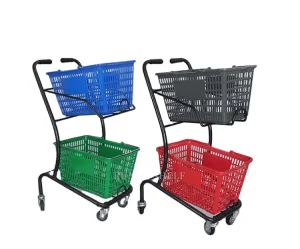
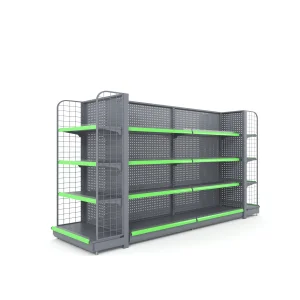
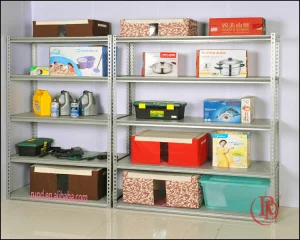
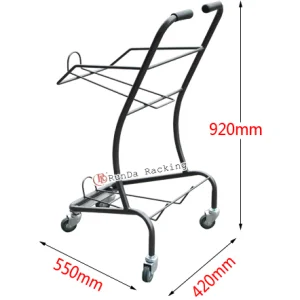
Explore our selection of commercial racking and high-durability logistics transport options.
Established in 2018, Ningbo FutureSpace Logistics Technology Co., Ltd. operates a production base of 22,000 m². Backed by 8 years of sector expertise and 5 years of international market experience, our annual export revenue stands at $8.5 million. Our quality assurance framework strictly follows SGS and ISO9001 standards, implementing raw material tensile testing and robotic weld seam inspection managed by 22 certified quality technicians.
Operating through combined direct export and international trade partner channels, our key markets span Australia, North America, and Eastern Europe. Supported by over 420 upstream supply chain partners, we primarily serve industrial equipment wholesalers, regional logistics hubs, and manufacturing warehouses. Powered by 28 skilled R&D engineers, we provide tailored OEM custom sizes, specialized powder coating finishes, and modular rack designs, successfully rolling out 65 new product lines in the past year.
By leveraging automated production processes and high-grade structural steel, FutureSpace delivers reliable, high-performance warehouse racking systems. We collaborate closely with engineers, project managers, and logistics consultants to supply racking configurations that meet local safety standards and support automated storage systems globally.
 FutureSpace Rack