Heavy-duty, modular structural systems engineered for ultimate durability, high load capacity, and aesthetic versatility.
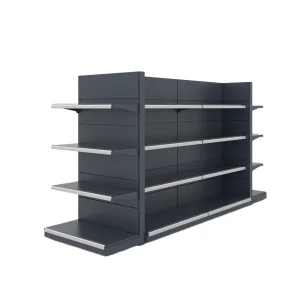
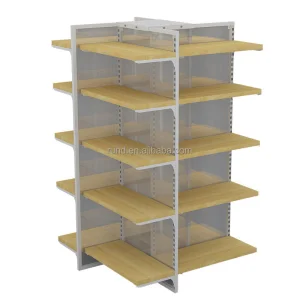

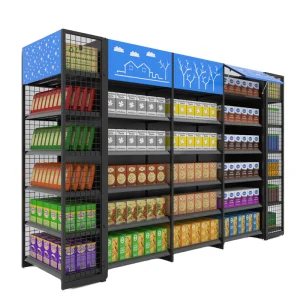
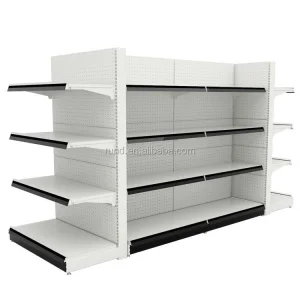
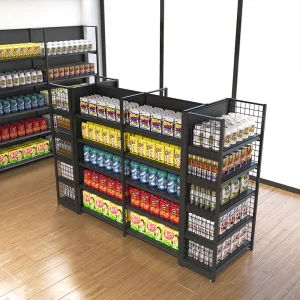
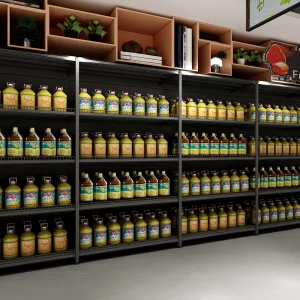
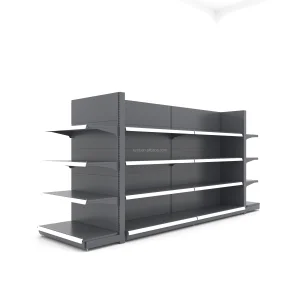
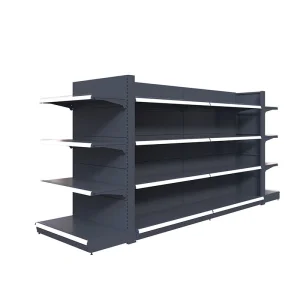
In modern high-density retail environments, supermarket shelving is no longer merely a basic product display framework. It is a highly engineered structural asset designed to ensure product integrity, optimize customer safety, and support extreme vertical loads. Heavy supermarket shelves, commonly utilized in wholesale membership clubs, hypermarkets, hardware depots, and beverage stores, must maintain structural rigidity under significant and constant weight loads.
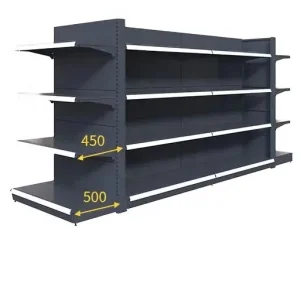
The core structural design of these racks relies on custom hot-rolled or cold-rolled carbon steel profiles. The vertical load capacity per shelf tier generally ranges from 100 kg to over 150 kg, depending on structural layout and steel gauge. Key components include:
Under maximum load, the deflection of shelves must not exceed 1/200th of the span length (L/200). Our systems enforce a 1.5 to 2.0 safety factor margin to guarantee safety even during accidental impacts by floor carts or material handling equipment.
Purchasing heavy-duty commercial shelving from Chinese manufacturers, particularly those in cluster hubs like Ningbo, Zhejiang, provides significant competitive advantages to global buyers. The region's manufacturing efficiency is driven by mature industrial supply chains, advanced automation, and proximity to major deep-water ports.
Ningbo FutureSpace Logistics Technology Co., Ltd. exemplifies these strengths. Located in a specialized manufacturing cluster, our facility capitalizes on localized access to primary raw material suppliers, specialized surface treatment partners, and advanced tooling manufacturers. This regional clustering drastically reduces transit times for raw materials and component processing, minimizing overall production cycles.
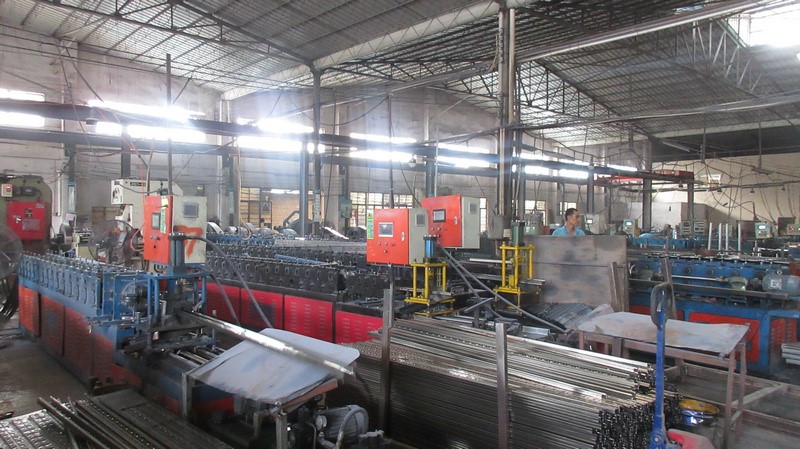
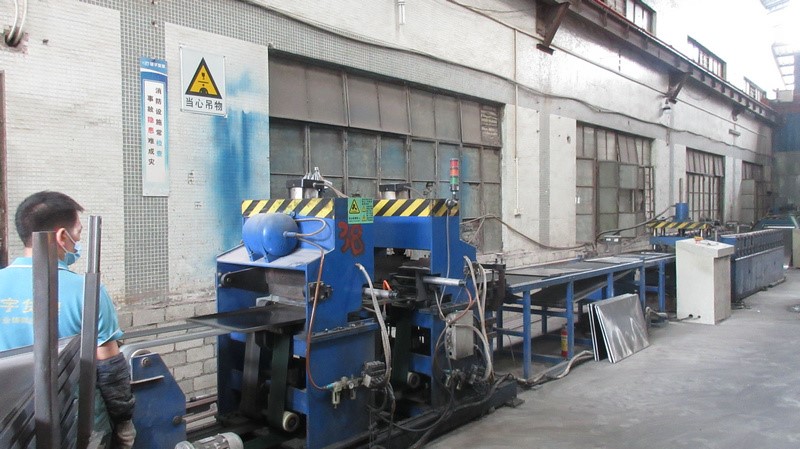
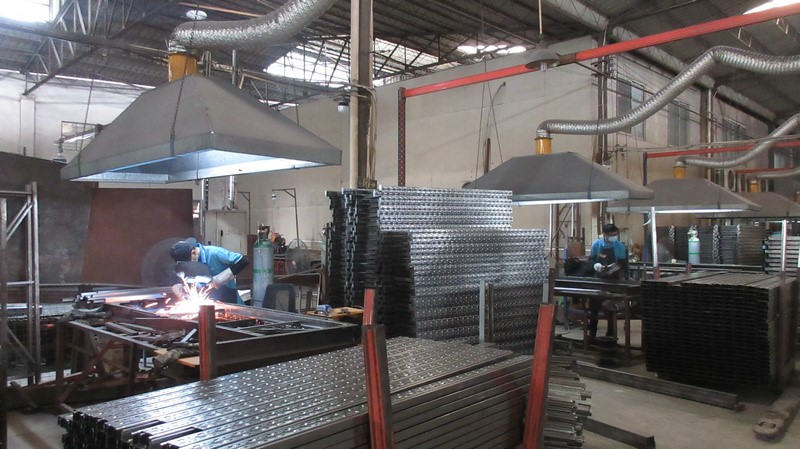
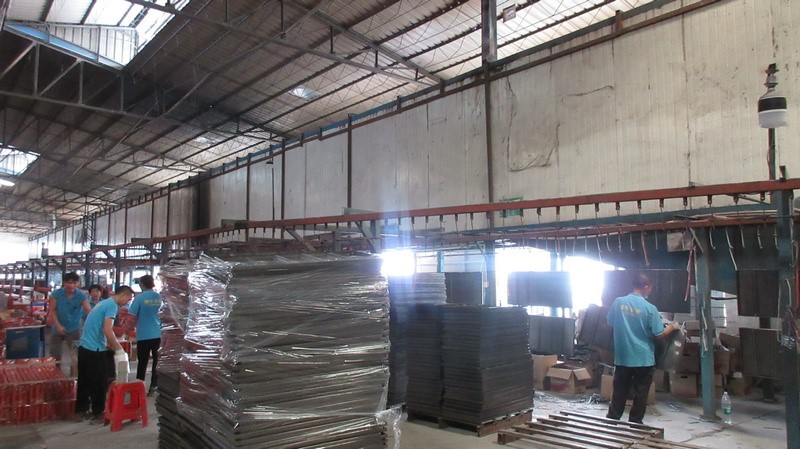
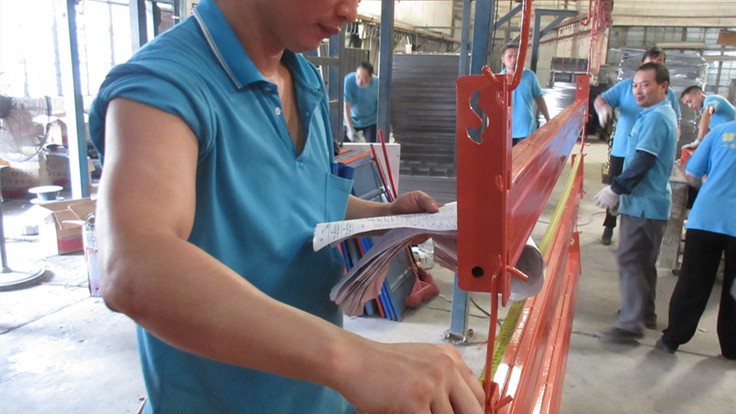
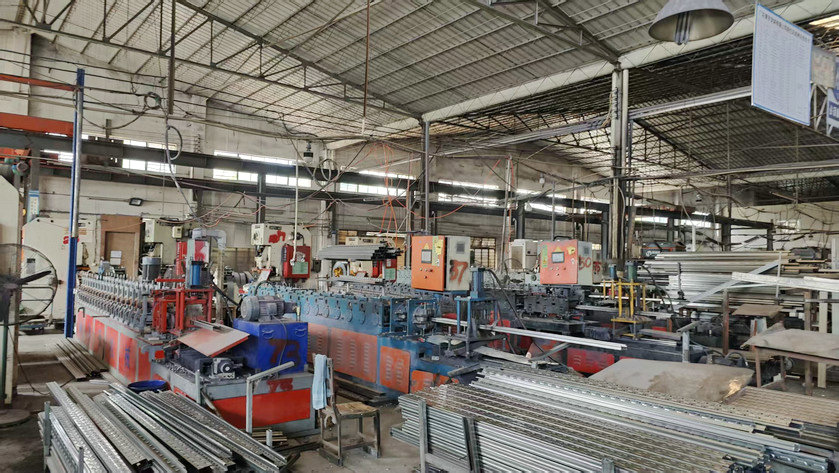
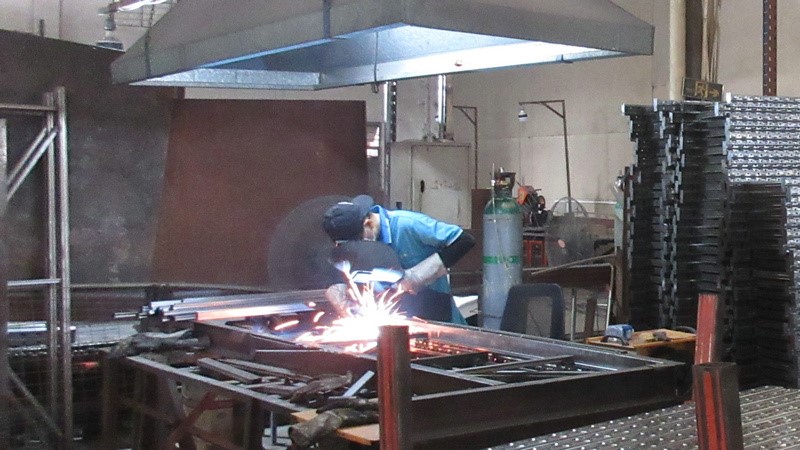
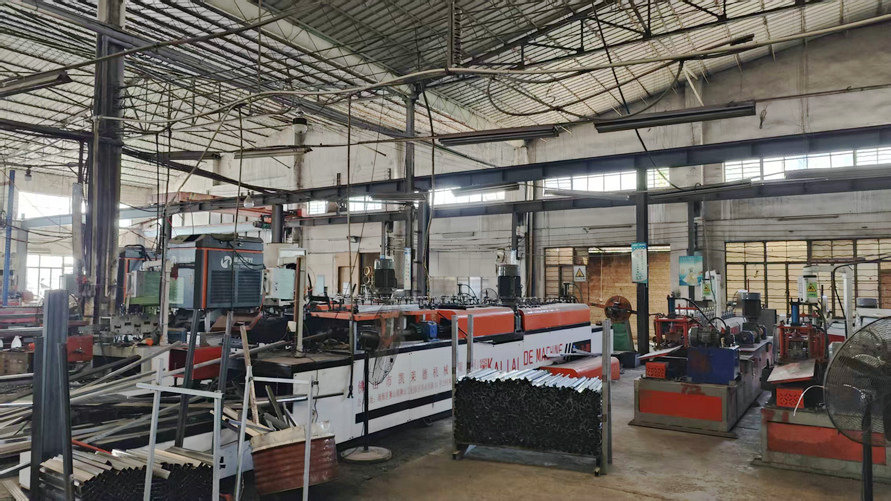
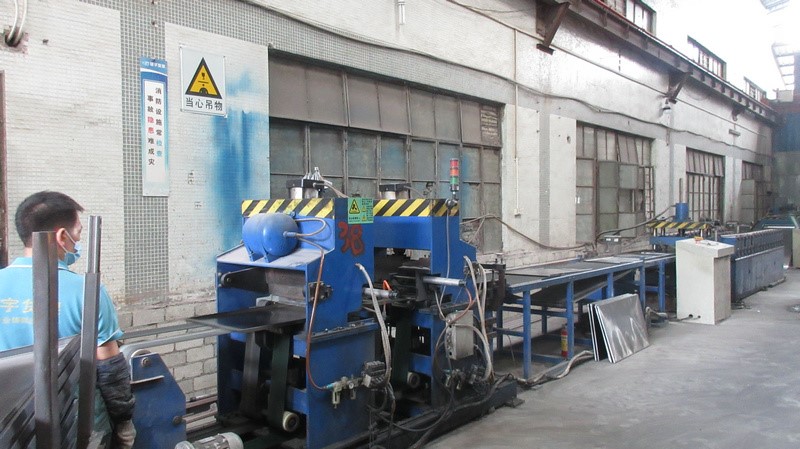
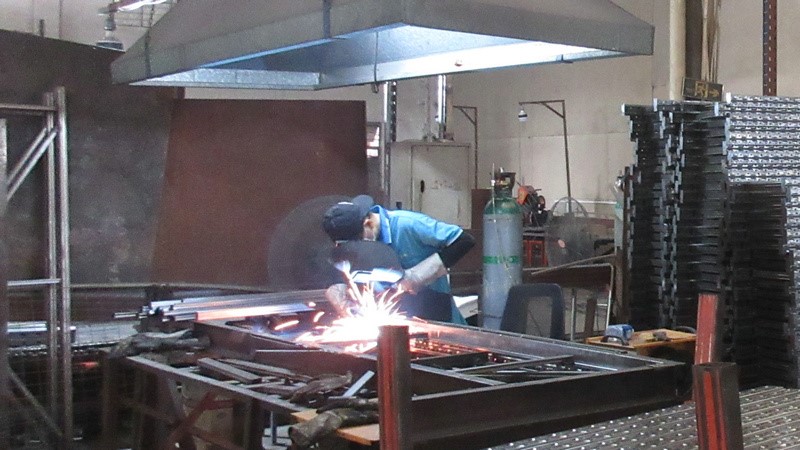
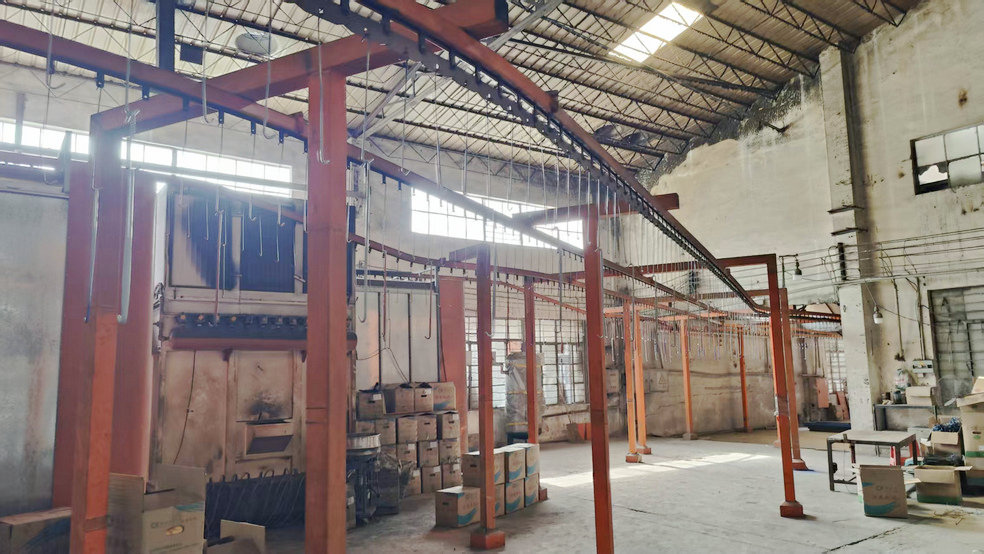
By using fully automated robotic welding cells, continuous CNC roll-forming mills, and computerized powder coating lines, Chinese manufacturers achieve unparalleled batch-to-batch consistency. Automation reduces structural weld defects, ensures precise dimensional tolerances, and significantly lowers human-error margins. The cost savings from automated manufacturing are passed directly to international buyers, offering high-spec shelving systems at highly competitive price points.
Proximity to Ningbo Port—the world’s busiest port by cargo tonnage—allows for streamlined container loading, customs clearance, and direct maritime transit. This geographic position cuts domestic transit costs and shortens transit lead times to major global markets, including North America, Western Europe, and Australia.
As consumer behavior changes and retail formats evolve, supermarket shelving systems must adapt. Future-oriented retailers are replacing static, low-density shelves with dynamic, modular configurations designed for omnichannel fulfillment and modern store aesthetics.
The "industrial-modern" store aesthetic is highly popular. Combining high-tensile steel structural frames with engineered wood accents or acrylic display panels allows supermarkets to project organic and premium quality themes, particularly in high-margin departments such as fresh produce, bakeries, organic grains, and premium wine cellars.
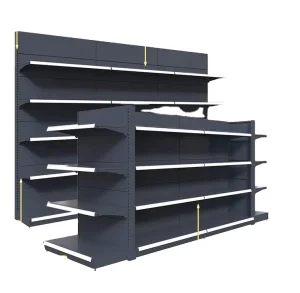
With the growth of online grocery pickup and rapid home delivery, many physical stores operate as hybrid storefronts and local micro-fulfillment centers. Shelving systems must support dual-purpose functionality: presenting attractive displays for retail shoppers while enabling quick retrieval and backroom staging for store pickers. Modular dividers, integrated gravity-feed roller tracks, and clear visual signage systems are essential for these setups.
Modern commercial shelving is designed to accommodate ESL rail systems natively. Upright columns and shelf price tracks are optimized to integrate digital price tags, protecting them from damage by grocery carts and ensuring they remain visible to both shoppers and staff.
For B2B procurement managers, regional distributors, and design-build firms, purchasing heavy retail racking systems requires strict adherence to international safety and quality standards. Substandard metal fabrication poses structural collapse risks, which can lead to liability and financial losses.
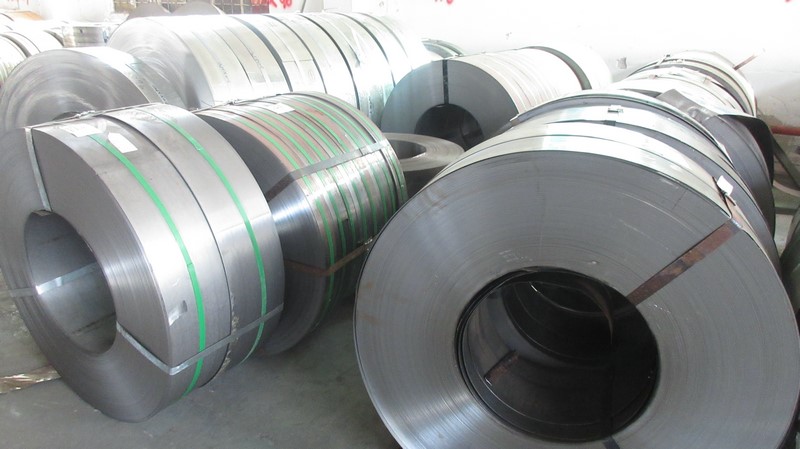
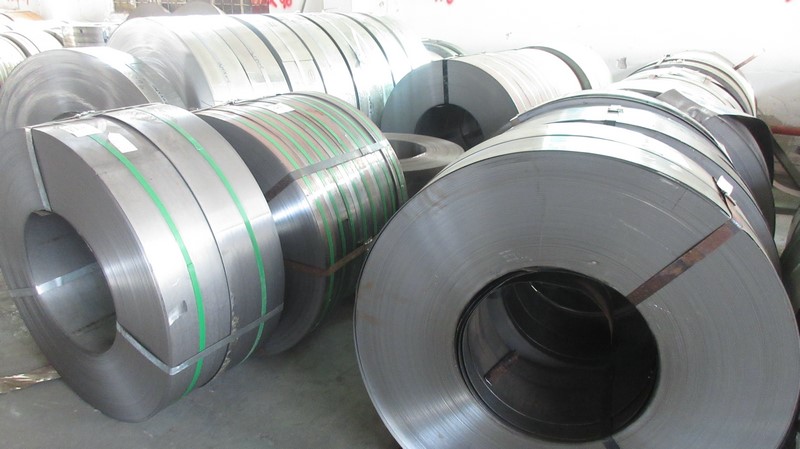
Quality begins with raw material selection. Heavy-duty shelves must be constructed from certified mild carbon steel (e.g., Q235B or equivalent grades) that exhibits high yield strength and tensile ductility. Professional manufacturers provide steel mill test certifications (MTC) verifying the chemical composition and mechanical properties of the steel.
Global markets require different shelf configurations based on local consumer shopping behaviors, regulatory codes, and retail footprints:
Focuses on high-capacity double-sided gondola units (base-plus-five tiers) configured for fast-moving bulk items. Designs require compatibility with standardized US pegboard backs and wire fencing accessories.
Prioritizes structural safety compliant with local standards, incorporating seismic bracing configurations, flat-faced modern steel shelves, and smooth powder-coated textures to match high-end design layouts.
Favors space-saving wall-mounted single-sided racks, modular corner configurations, and steel-wood hybrid units designed to fit smaller footprints in historic commercial zones.
Whether configuring high-volume bulk displays for a membership warehouse or designing narrow, highly visible aisle displays for an urban grocery store, matching material thickness and shelving dimensions to structural loads is key to optimizing retail space and improving inventory flow.
A trusted global manufacturer of heavy-duty retail shelving and logistics storage systems, delivering advanced engineering and reliable product quality worldwide.
Established in 2018, Ningbo FutureSpace Logistics Technology Co., Ltd. operates a production base of 22,000 m². Backed by 8 years of sector expertise and 5 years of international market experience, our annual export revenue stands at $8.5 million. Our quality assurance framework strictly follows SGS and ISO9001 standards, implementing raw material tensile testing and robotic weld seam inspection managed by 22 certified quality technicians. Operating through combined direct export and international trade partner channels, our key markets span Australia, North America, and Eastern Europe. Supported by over 420 upstream supply chain partners, we primarily serve industrial equipment wholesalers, regional logistics hubs, and manufacturing warehouses. Powered by 28 skilled R&D engineers, we provide tailored OEM custom sizes, specialized powder coating finishes, and modular rack designs, successfully rolling out 65 new product lines in the past year.
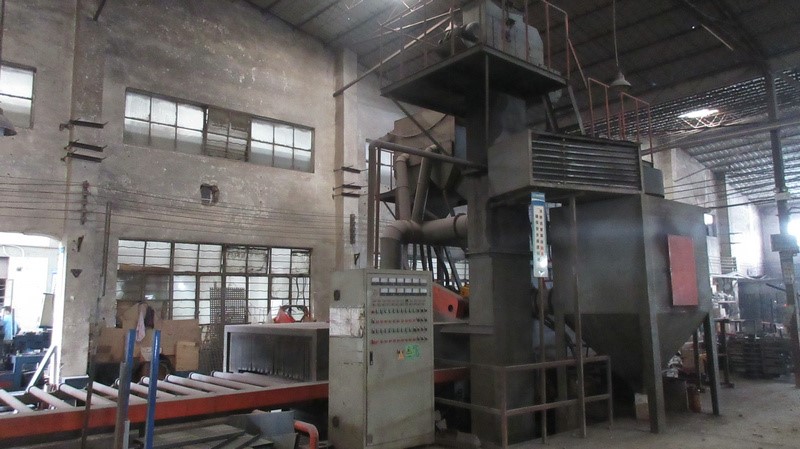
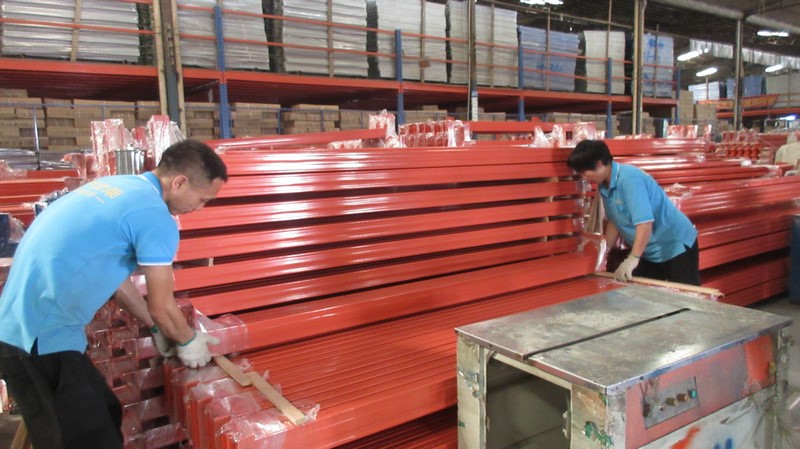
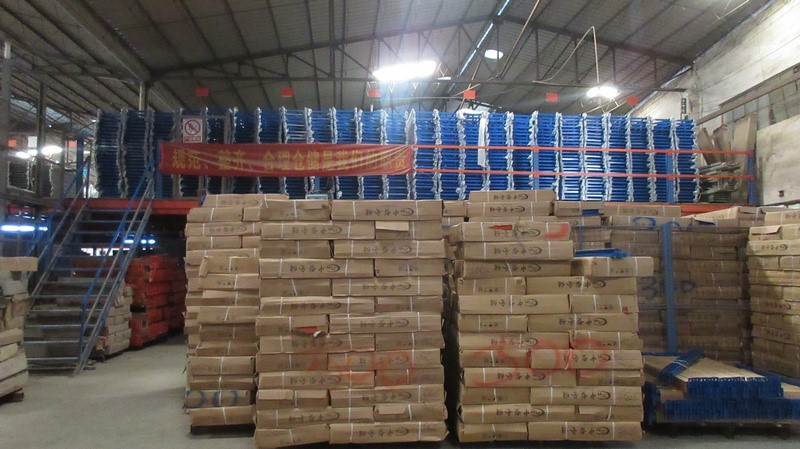
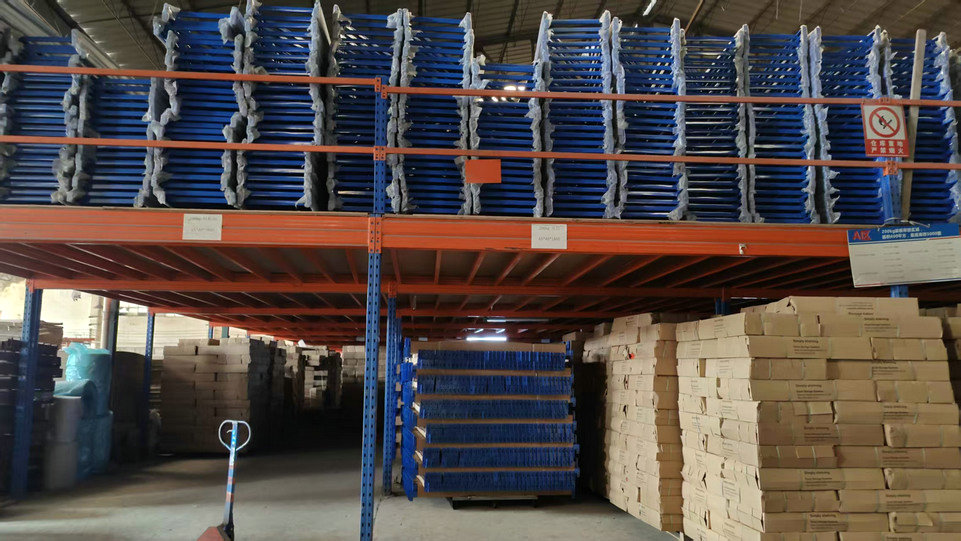
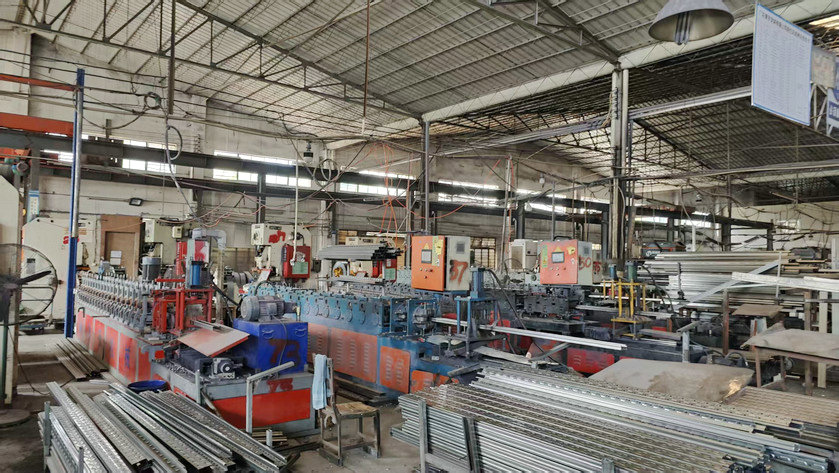
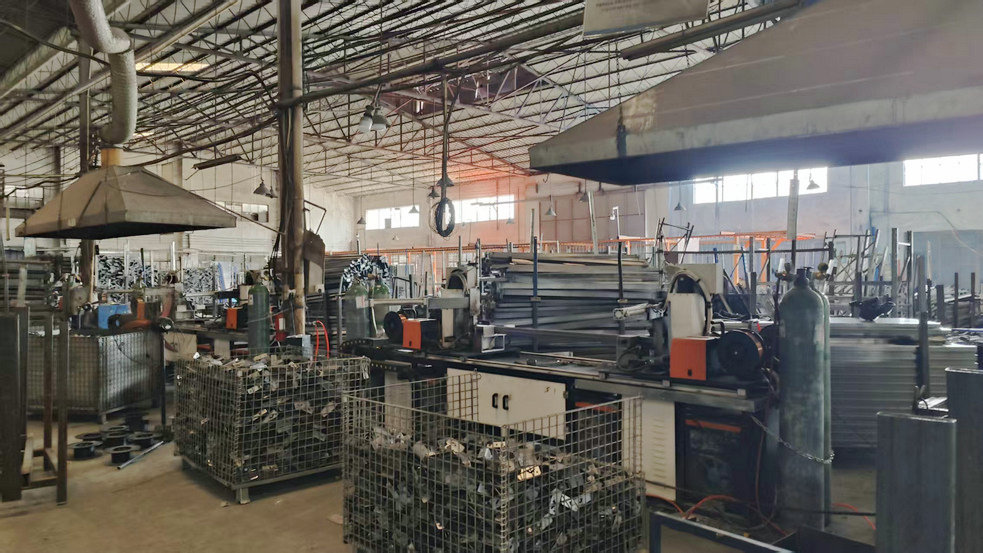
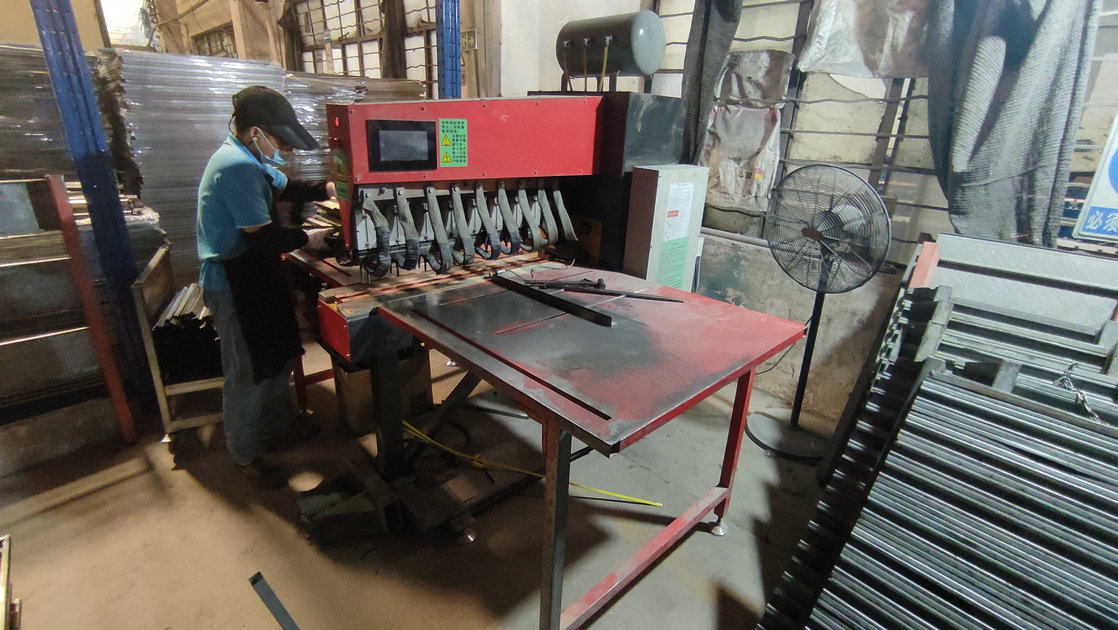
Explore our end-to-end manufacturing process, featuring robotic welding systems, precise bending machinery, and automated electrostatic powder coating lines.
Technical guidance and purchasing advice from our engineering team to help you make informed decisions.
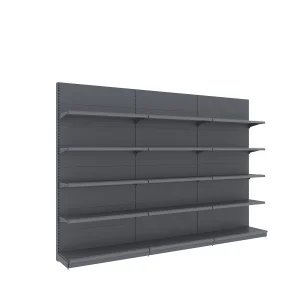
Explore additional high-capacity and specialty displays designed to optimize layout efficiency and maximize floor-space utility.
 FutureSpace Rack