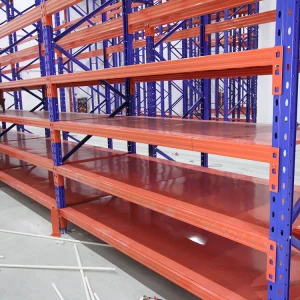
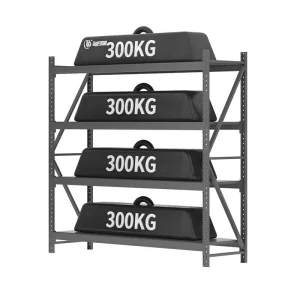
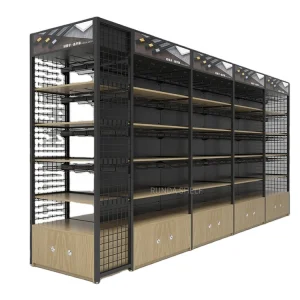
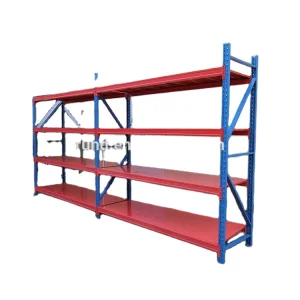
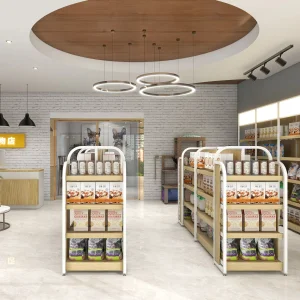
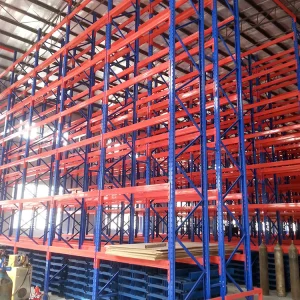
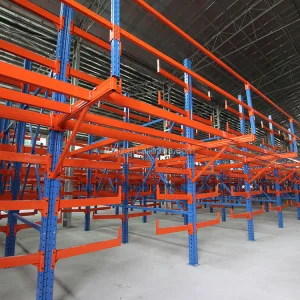
Engineered to handle structural demands of high-load capacities and bulky inventories. Explore our leading heavy-duty configurations.
In modern industrial facilities, floor space is a premium asset. Heavy storage shelf systems, particularly Cantilever Racking Systems, serve as the backbone of logistics for non-standard, long, and bulky inventories. From lumber yards in North America to metal fabrication hubs in Eastern Europe and structural steel distributors in Australia, the demand for optimized vertical storage is scaling rapidly.
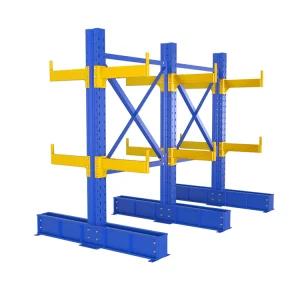
Standard pallet racks limit warehouse efficiency when dealing with pipes, bar stock, tubing, sheet metals, and furniture. Cantilever racks bypass the front-column constraint entirely. Their design uses robust vertical columns, solid bases, and horizontal arms to ensure uninhibited front-loading access. Understanding the structural properties of these systems is crucial for warehouse operators to prevent safety incidents and maximize material flow.
How our technology, material sourcing, and scale establish a benchmark for high-capacity warehouse racks.
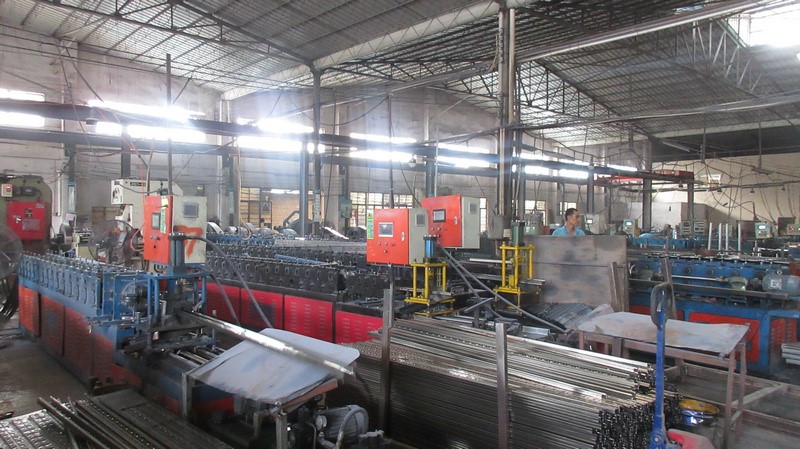
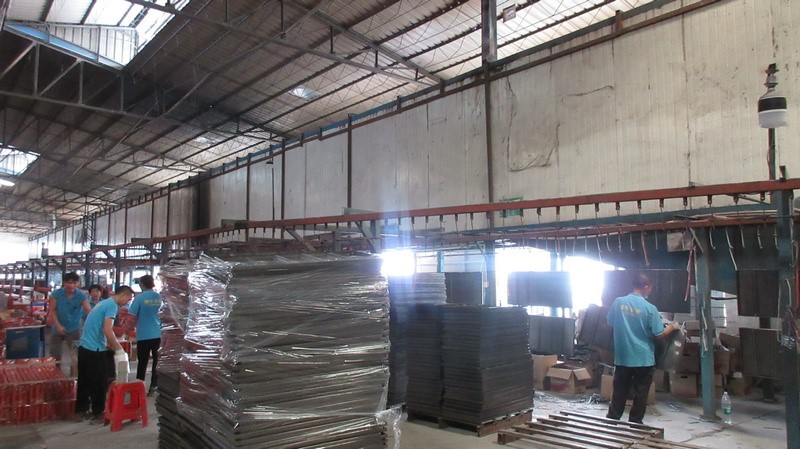
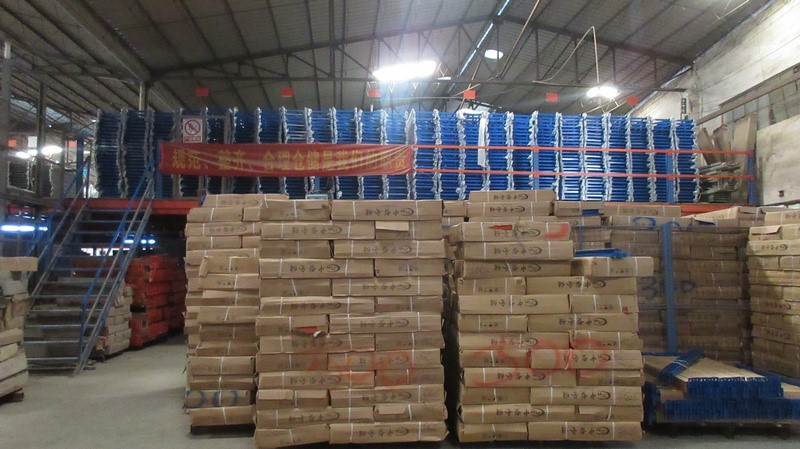
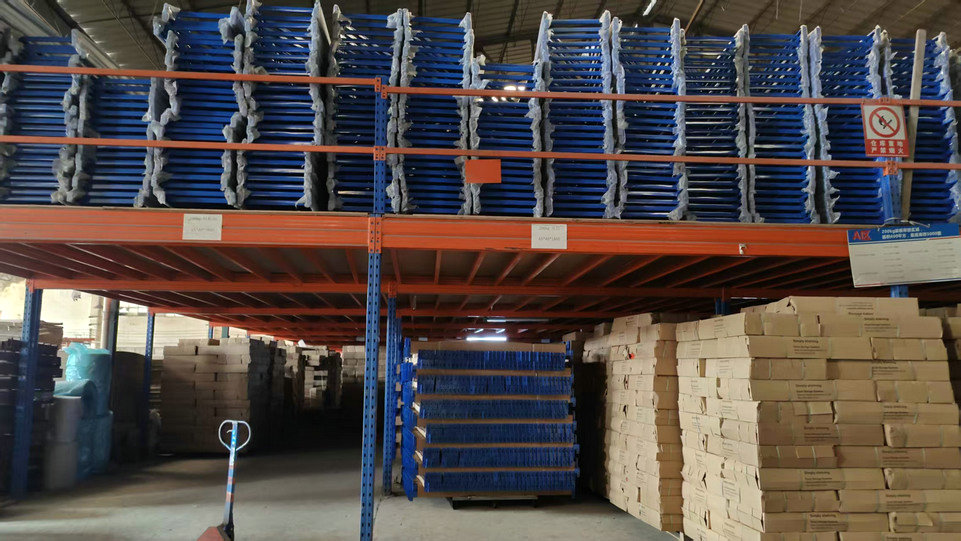
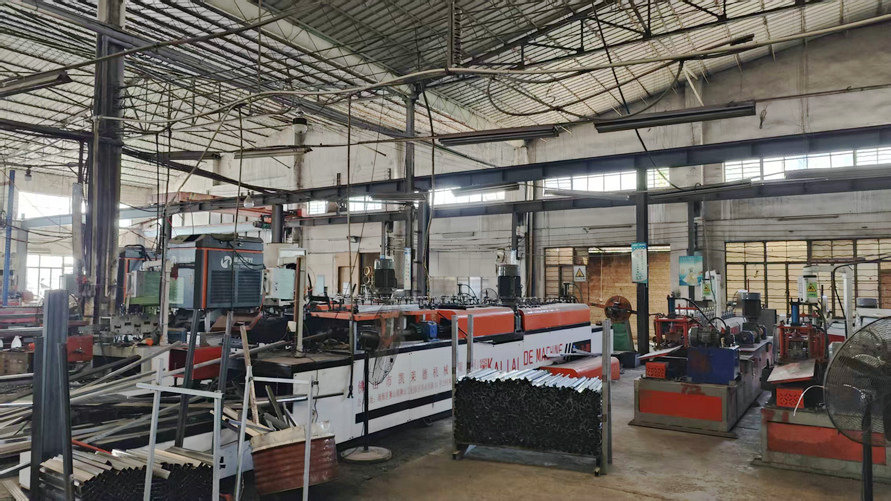
Established in 2018, Ningbo FutureSpace Logistics Technology Co., Ltd. operates a modern 22,000 m² production base. By integrating advanced Chinese metallurgical supply chains with rigorous international standards, we supply high-performance heavy storage racks to wholesalers and logistics hubs globally.
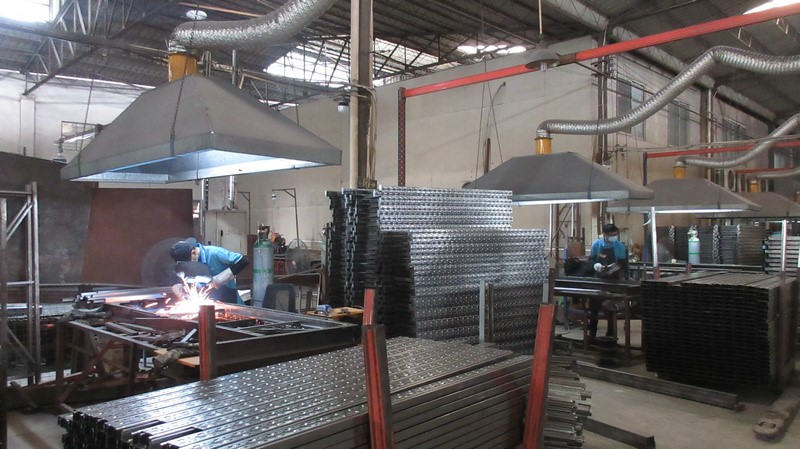
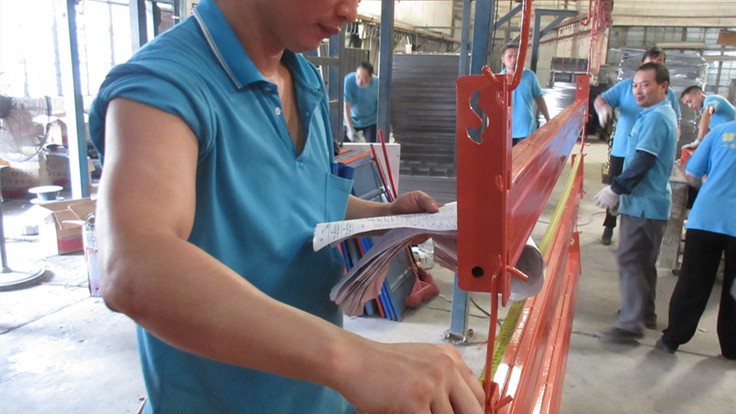
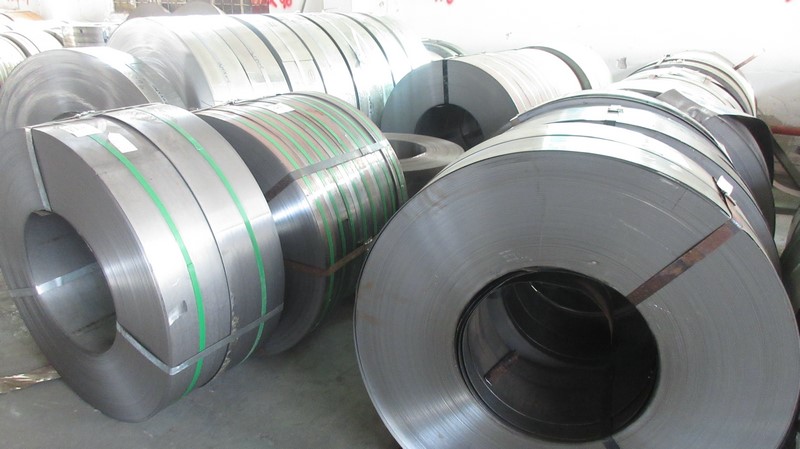
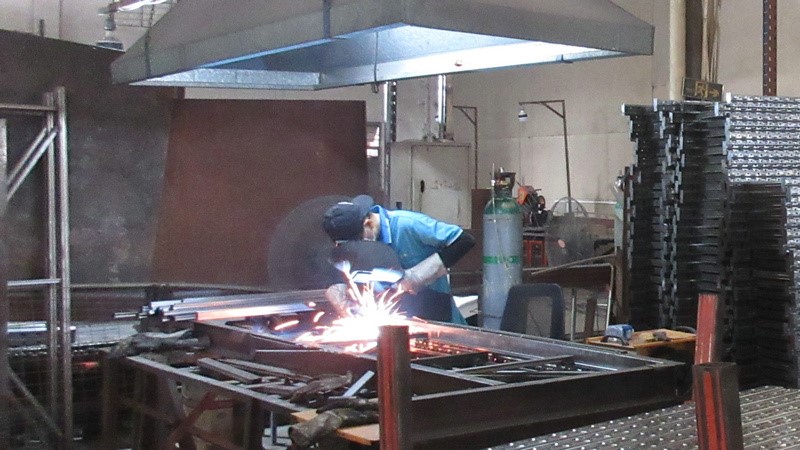
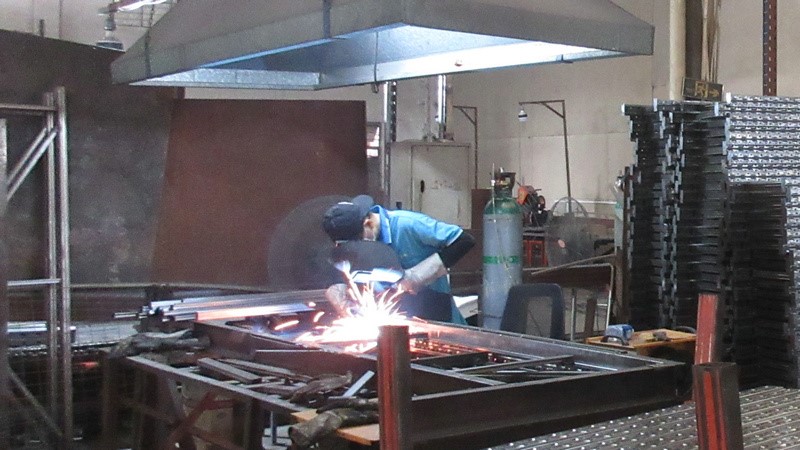
Our strategic operations focus on structural reliability, implementing strict raw material tensile testing and robotic weld seam inspections managed by 22 certified quality technicians. Our production efficiency allows us to design and launch 65 new product lines in the past year alone, maintaining high manufacturing speeds and structural consistency.
With an annual export revenue of $8.5 million, we serve major markets including Australia, North America, and Eastern Europe, supported by a network of over 420 upstream partners.
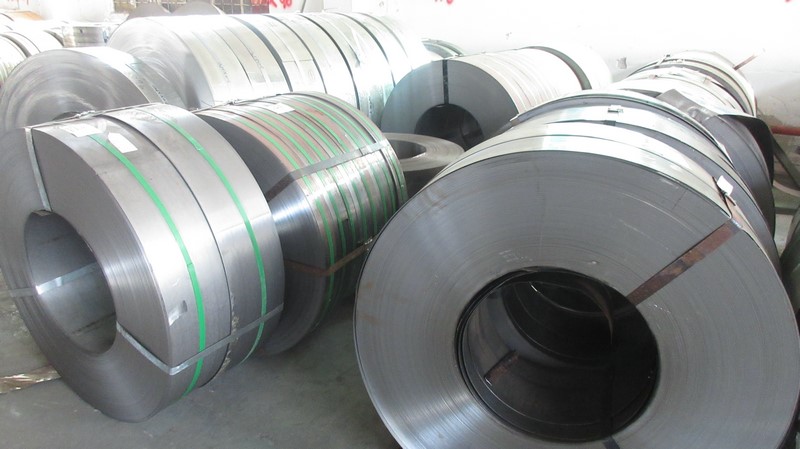
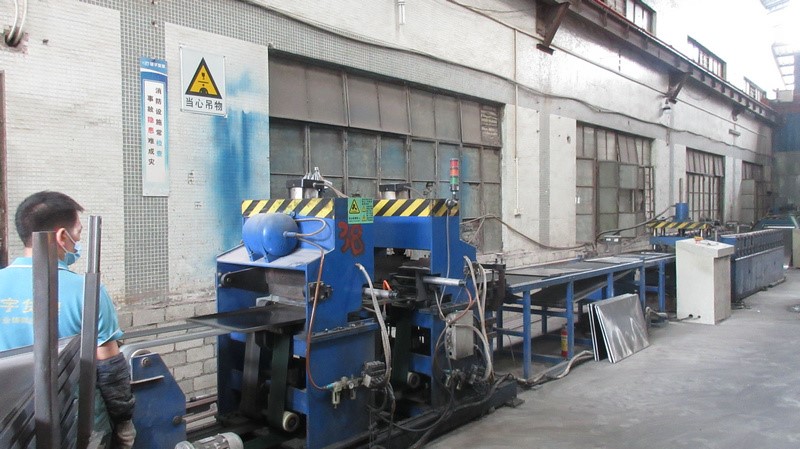
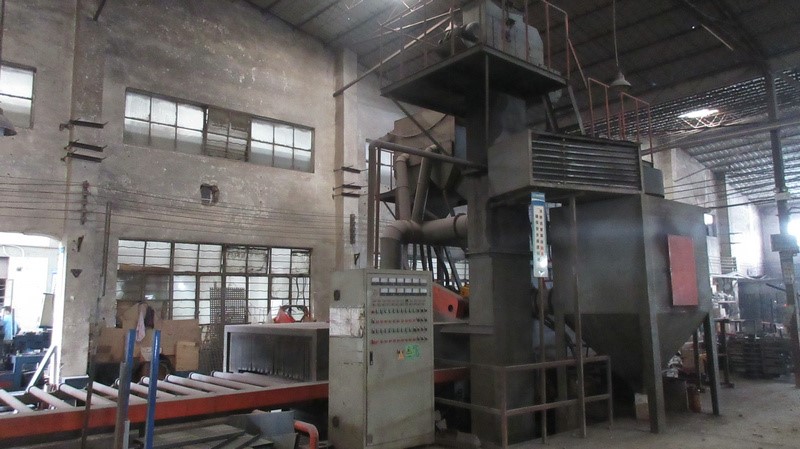
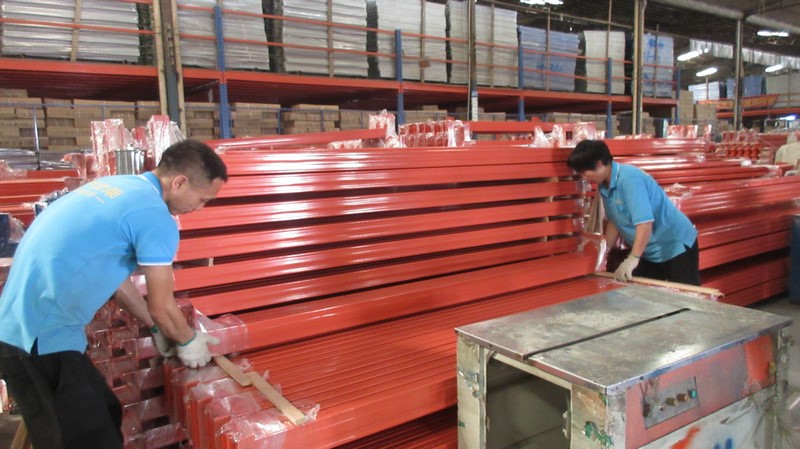
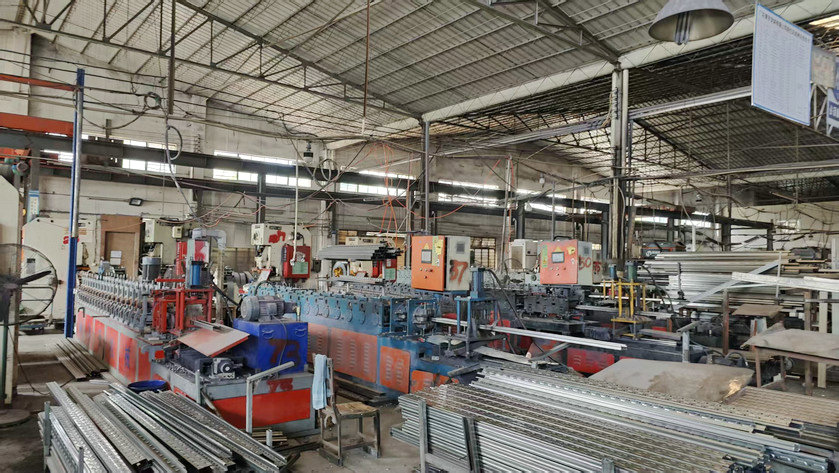
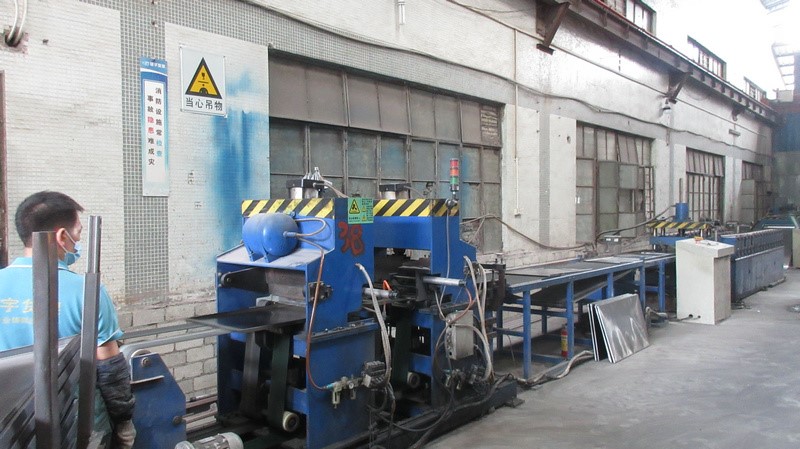
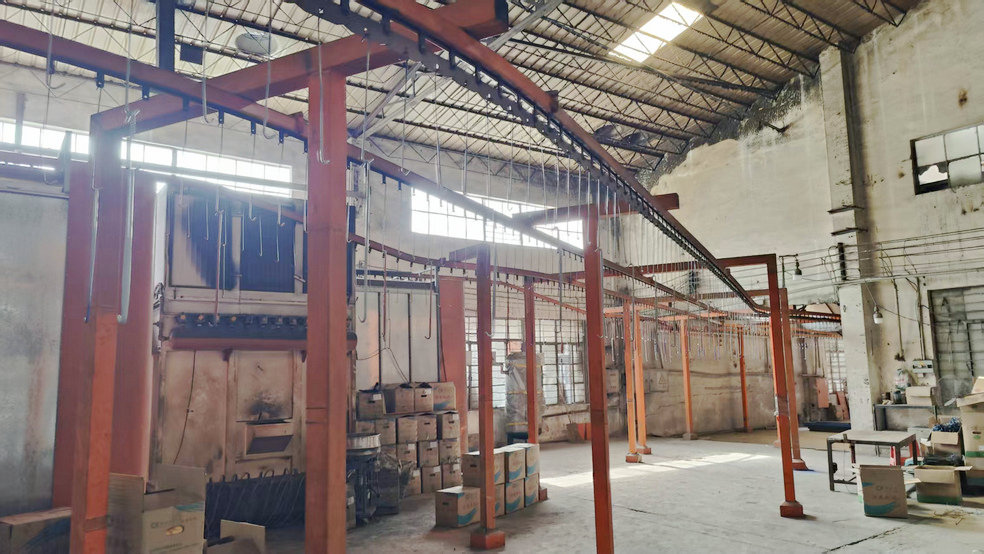
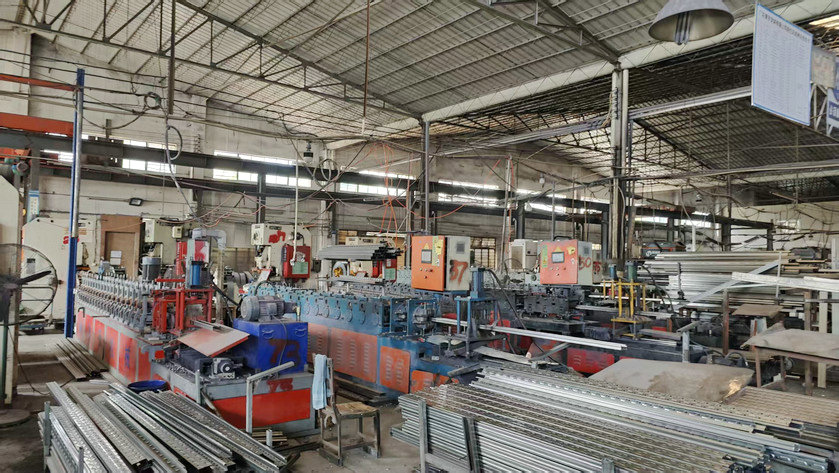
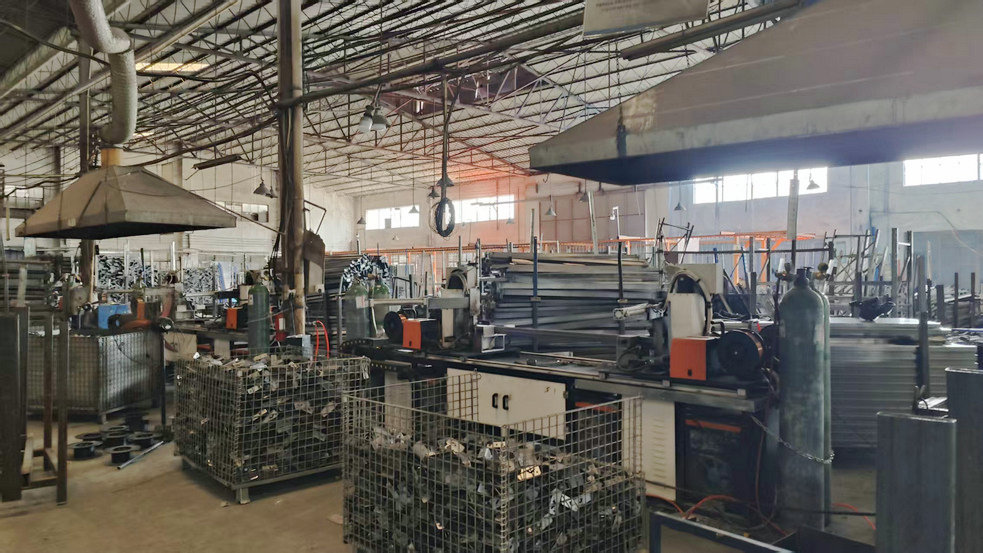
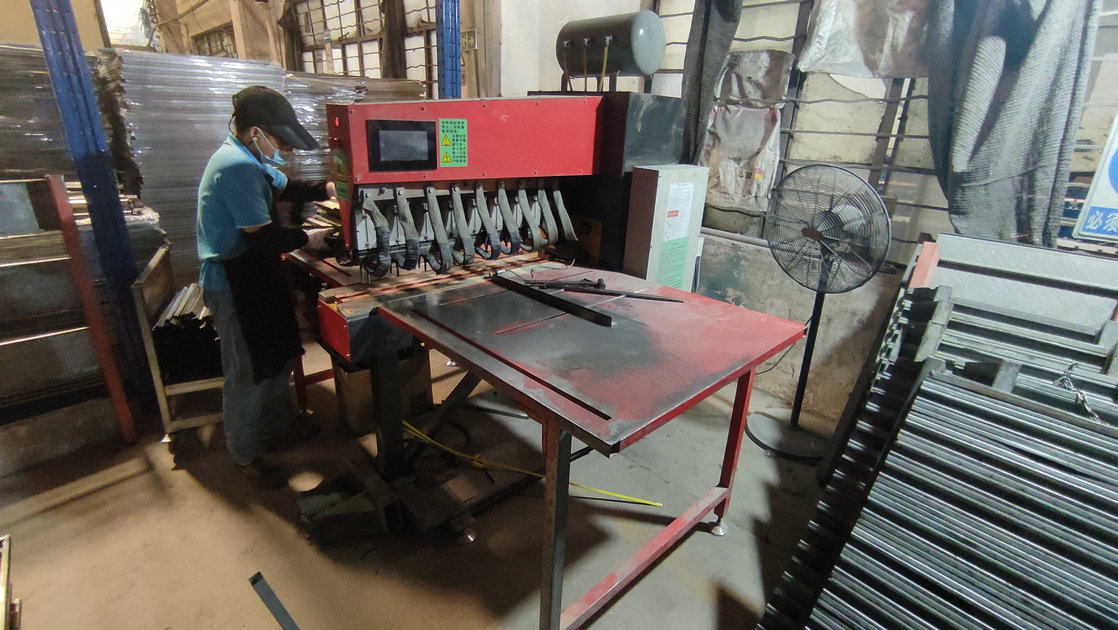
Every heavy storage shelf and cantilever column is monitored from structural steel selection to robotic welding and powder coating.
Understanding the physics behind arm load capacity, upright limits, and structural material choices.
When selecting heavy storage cantilever racks, buyers must consider key load dynamics to prevent failure due to arm and column deflection. Industrial cantilever racking systems are designed using structural steel (hot-rolled I-beams) or roll-formed steel, depending on the operational environment.
Structural Steel Racks: Fabricated from hot-rolled wide-flange I-beams, these systems handle extreme impact resistance and high load requirements. They are suitable for heavy industrial environments, outdoor yards, and seismic zones, offering load capacities up to 10,000 kg per level.
Roll-Formed Racks: Formed from coiled sheet steel through precise roll-forming lines, these systems provide a cost-effective solution for medium-to-heavy warehousing. They are easy to adjust with pin-connection systems, making them ideal for changing retail and logistics layouts.
Arm loading calculation requires calculating static load values and uniform distribution. Below is the primary engineering guideline for load distribution:
How warehouses around the world localize cantilever designs to optimize handling efficiency.
Focused on outdoor, hot-dipped galvanized systems designed for raw timber, building materials, and heavy plumbing supplies. Structures must comply with RMI and AISI specifications for wind loads and heavy snowfall in northern regions.
High demand for compliance with AS4084 steel storage standards. Racks are frequently specified for heavy metal fabrication facilities, mining equipment warehouses, and agricultural pipe distribution centers.
Driven by high-density automated warehouses integrating crane systems and cantilever racking. Strict compliance with EN 15635 and FEM standards is required, emphasizing modular configuration and electrostatic powder coatings.
Industrial storage answers compiled by our certified engineering team to assist in your structural layout design.
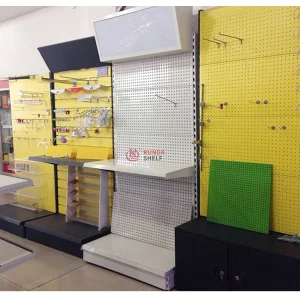
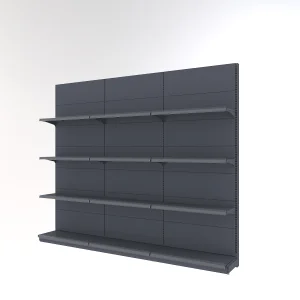
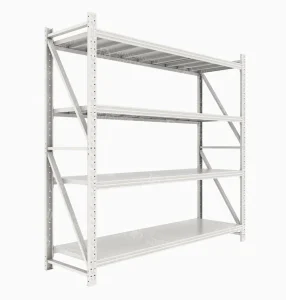
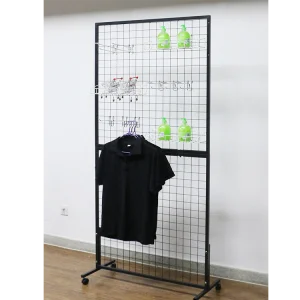
Discover our range of retail display systems, warehouse racks, and specialized material handling units.
 FutureSpace Rack