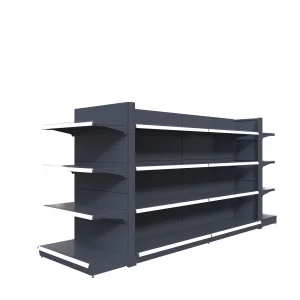
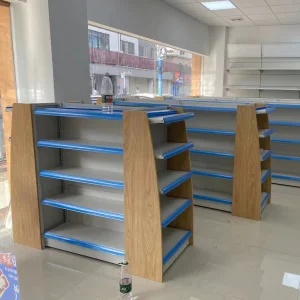
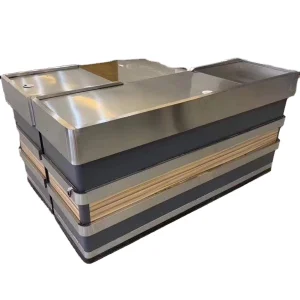
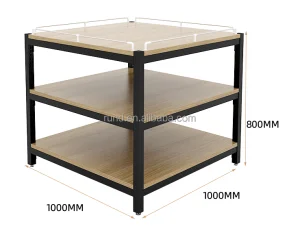
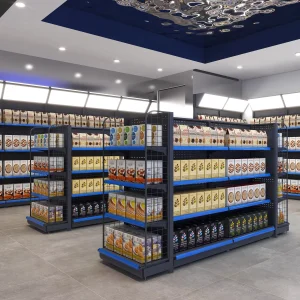
High-performance industrial racking and commercial shelf options designed for dynamic load capacities, rapid assembly, and structural safety.
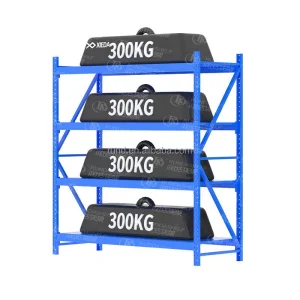
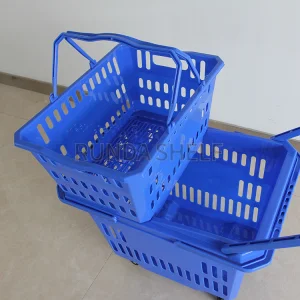
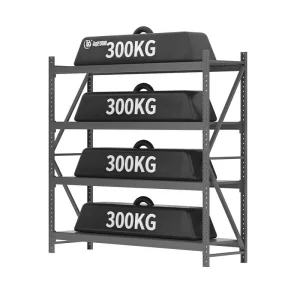
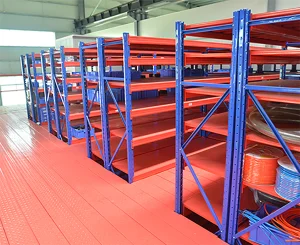
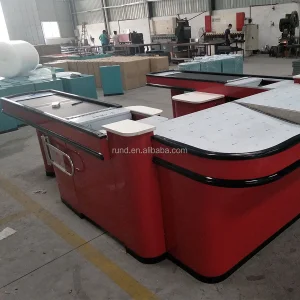
Unlocking structural resilience and volumetric optimization for multi-tier global distribution supply chains.
In modern industrial logistics, the physical design of warehouse racking systems is no longer a simple commoditized utility. It has become a foundational component of supply chain efficiency, directly impacting SKU throughput speed, picking accuracy, safety metrics, and overall capital allocation effectiveness. As global commerce embraces automation and high-density storage configurations, suppliers must provide highly engineered, structurally certified, and modular solutions capable of adapting to varying seismic conditions, heavy load limits, and complex material handling vehicle paths.
Logistics operators face an ongoing challenge: maximizing storage density while maintaining accessibility. Traditional static storage models are giving way to high-density solutions, including multi-tier mezzanine configurations, drive-through industrial rack assemblies, and dynamic flow systems. By exploiting vertical volume instead of expanding horizontal footprints, enterprises can reduce overhead costs per square meter. However, this density increases structural stress, demanding strict adherence to physical load parameters and chemical resistance standards.
Furthermore, the integration of Automated Storage and Retrieval Systems (AS/RS) requires racking built to extremely precise dimensional tolerances. Minor structural deflections can cause crane malfunctions or automated vehicle alignment failures. A robust, powder-coated steel framework with certified weld zones and precise bolt-free snap-in connectors provides the necessary rigidity, enabling automated shuttles to operate continuously and reliably.
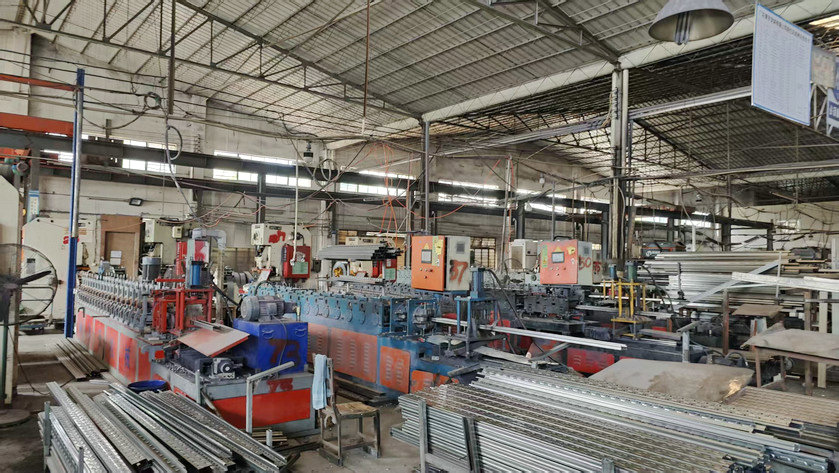
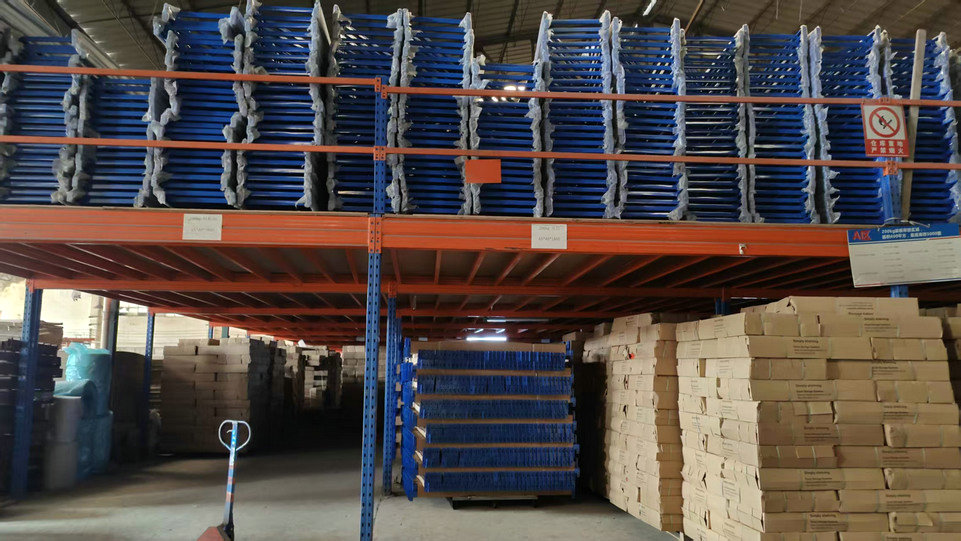
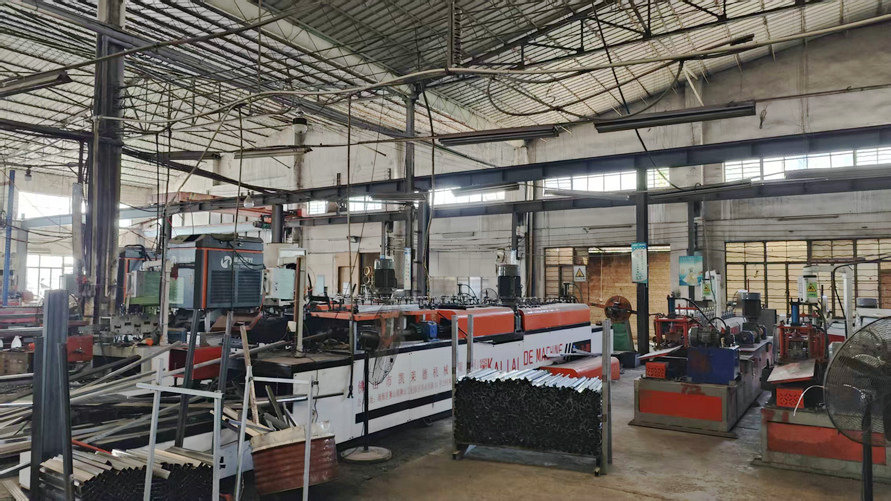
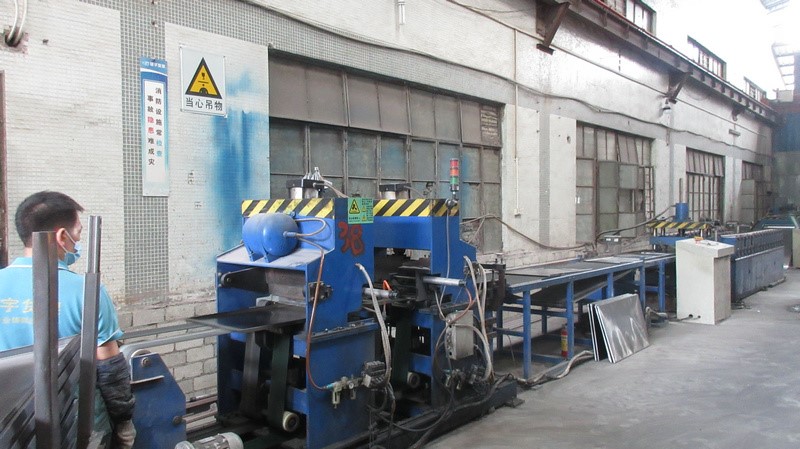
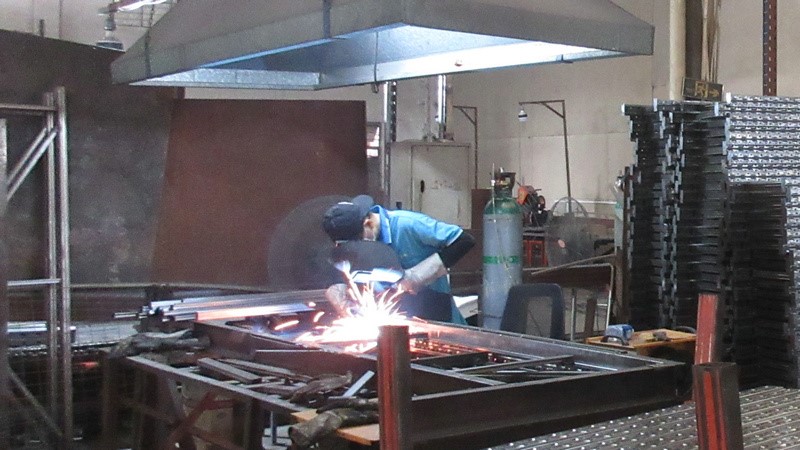
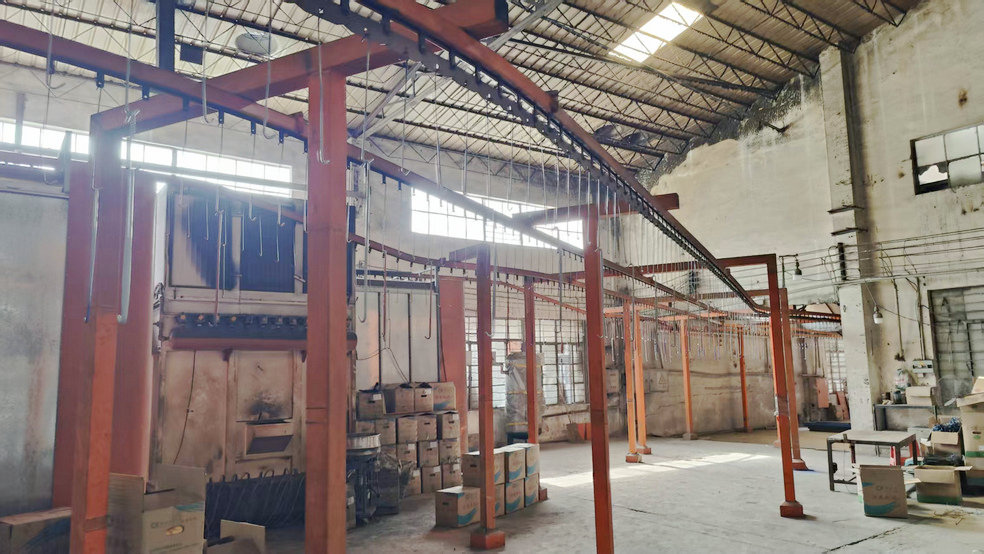
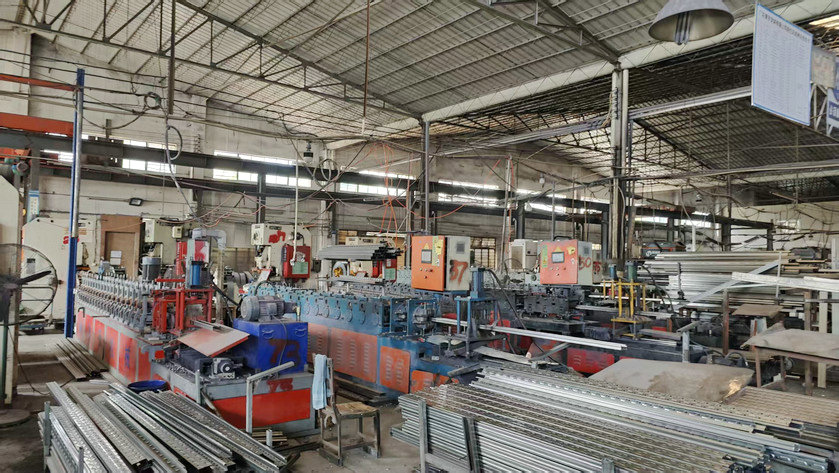
Inside Ningbo FutureSpace Logistics Technology's production hub, where engineering expertise meets advanced metallurgical standards.
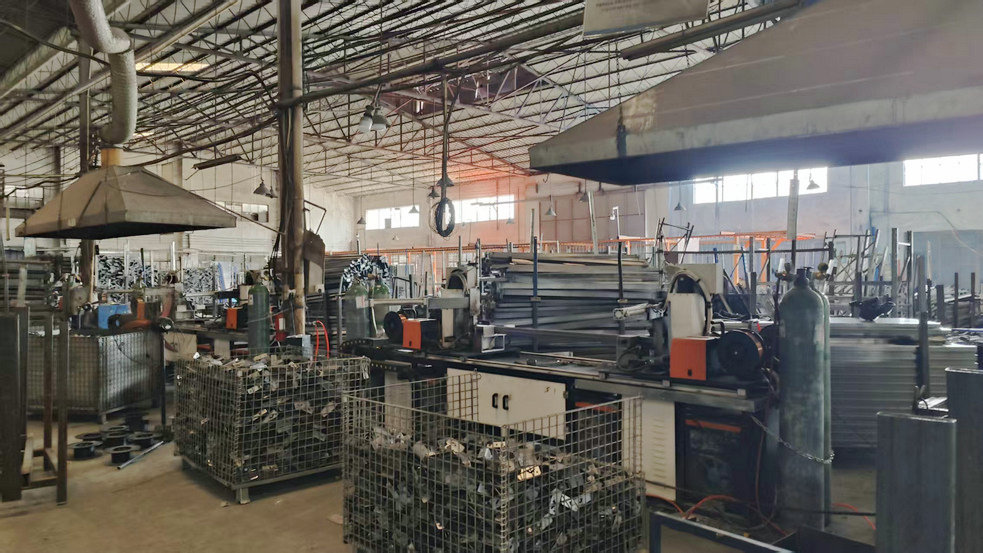
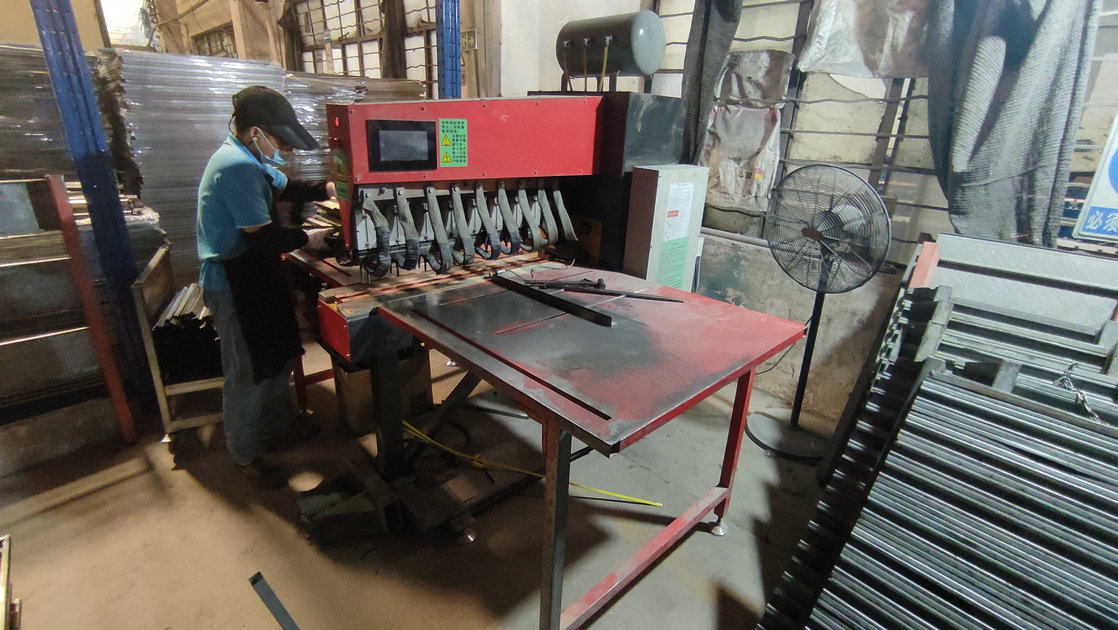
Founded in 2018, Ningbo FutureSpace Logistics Technology Co., Ltd. operates a modern 22,000 m² production base dedicated to high-precision steel fabrication. Backed by 8 years of sector expertise and 5 years of international market experience, we maintain an annual export revenue of $8.5 million. Our manufacturing process combines physical stress analysis with automated production lines, ensuring every component meets global warehouse safety standards.
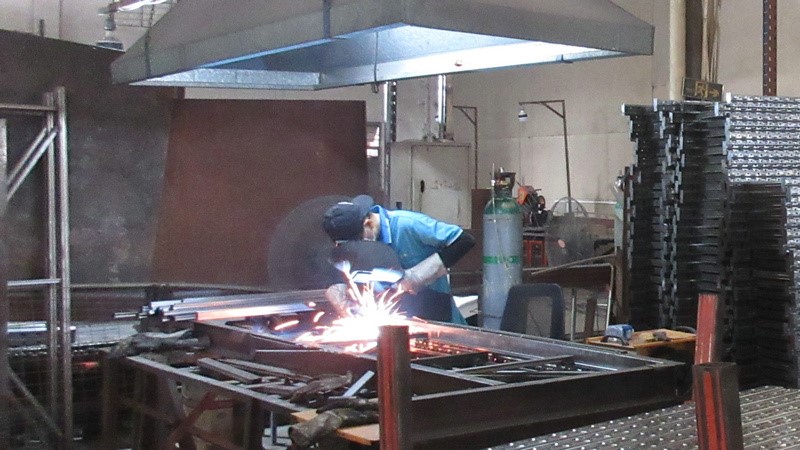
Our quality assurance framework strictly follows SGS and ISO9001 standards, implementing raw material tensile testing and robotic weld seam inspection managed by 22 certified quality technicians. Our 28 skilled R&D engineers provide tailored OEM custom sizes, specialized powder coating finishes, and modular rack designs, successfully rolling out 65 new product lines in the past year. By integrating advanced production equipment, we control quality from structural raw steel to the final corrosion-resistant surface coatings.
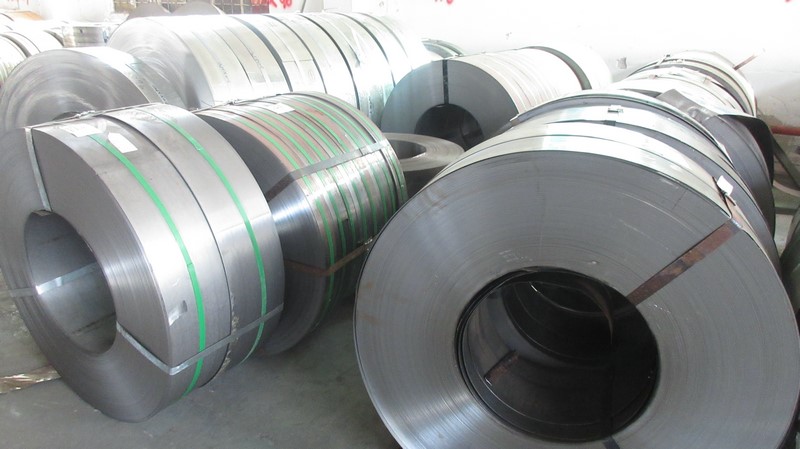
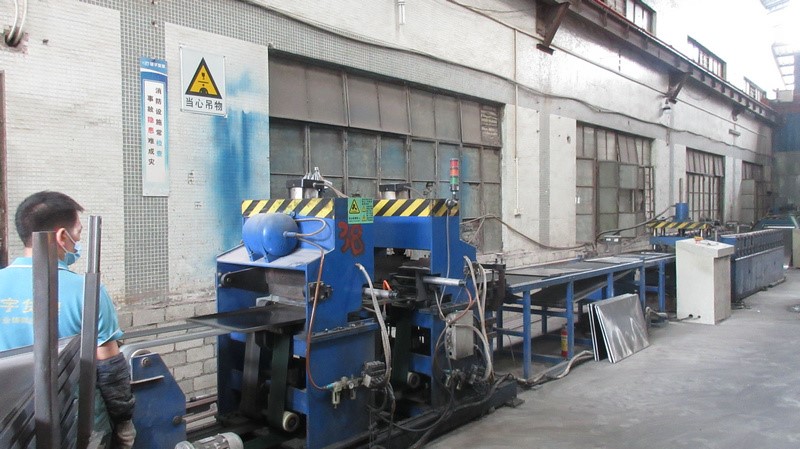
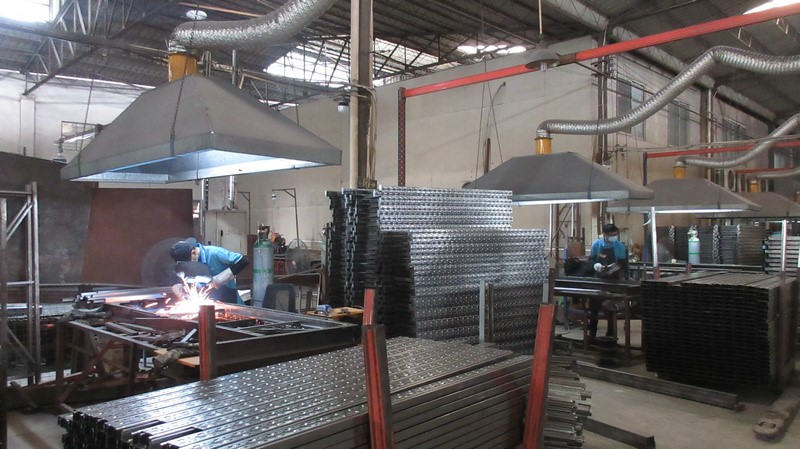
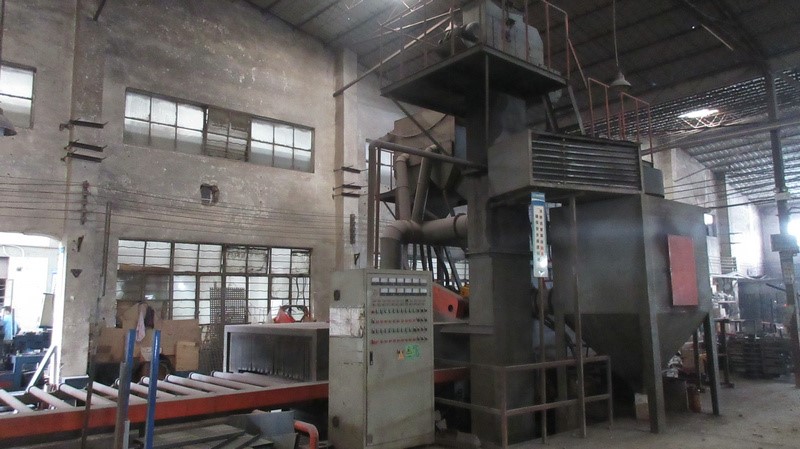
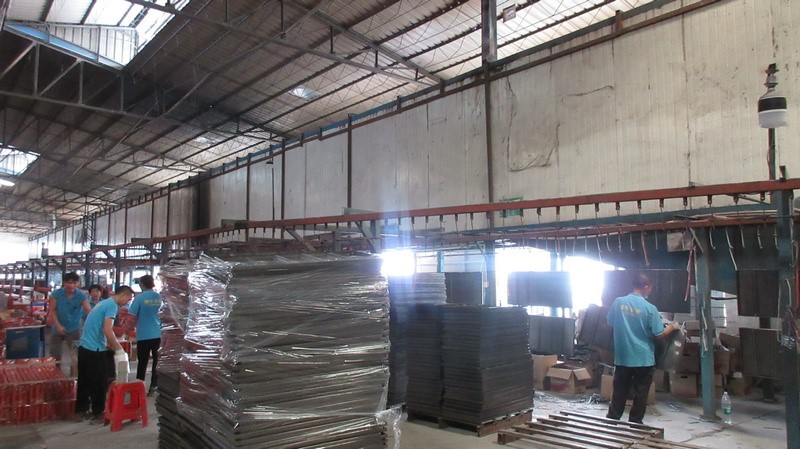
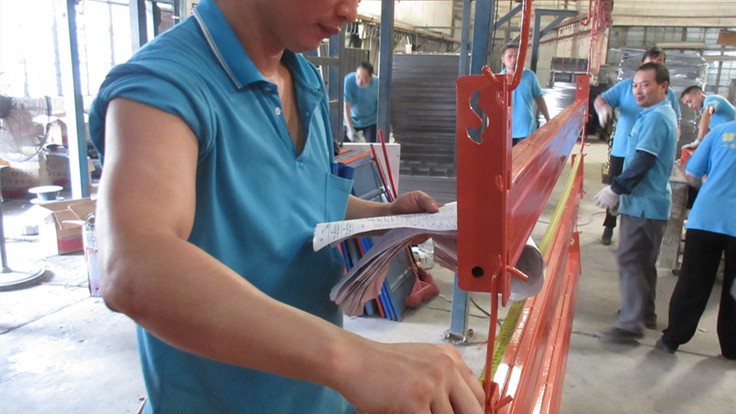
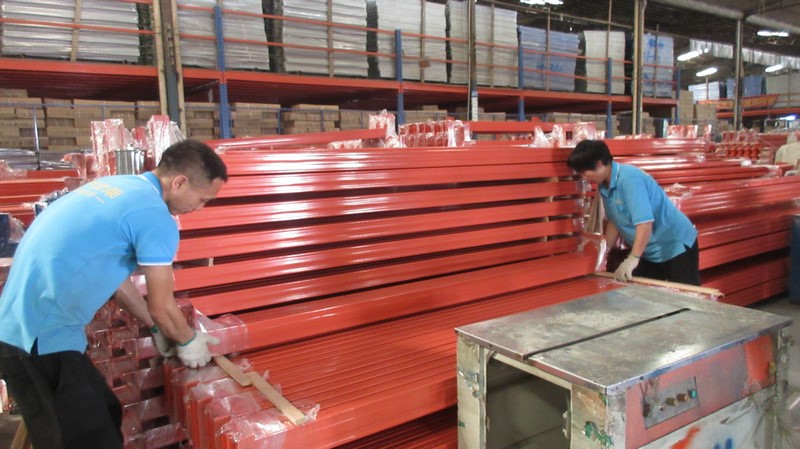
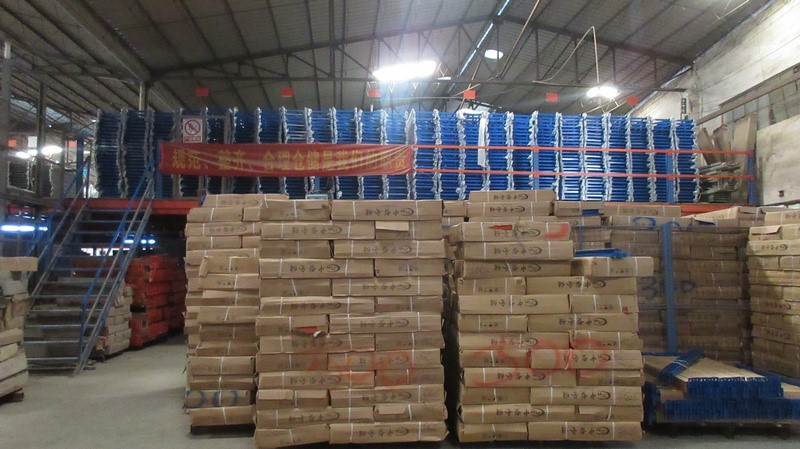
The integration of smart sensors, seismic resistance calculations, and green metallurgy.
Using advanced Finite Element Analysis (FEA), our engineering teams simulate real-world seismic forces. We design our rack uprights and floor anchors to withstand complex dynamic loads in active seismic zones, adhering to AS4084 and RMI structural standards.
Smart racking is shifting from a concept to a reality. Future designs integrate localized pressure and tilt sensors directly into load-bearing beams, providing real-time data to Warehouse Management Systems (WMS) to prevent overloading and dynamic shifts.
We prioritize low-carbon steel sourcing and eco-friendly electrostatic powder deposition. By minimizing volatile organic compounds (VOCs) and reducing waste in our pre-treatment lines, our products support global initiatives for green supply chains.
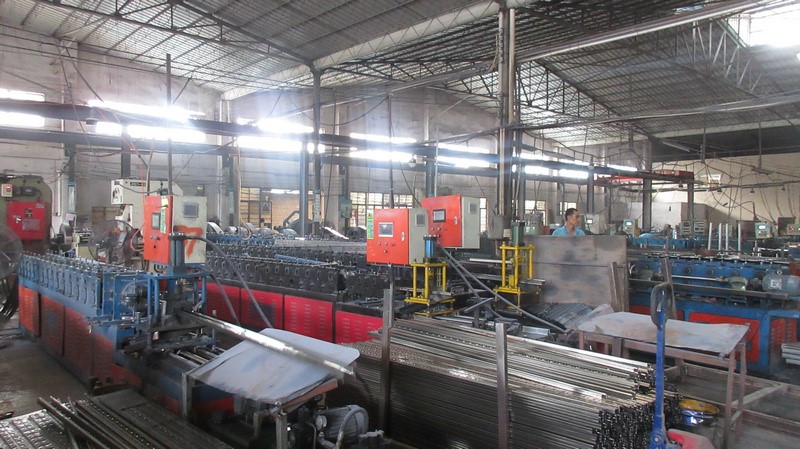
Our automated production lines ensure structural consistency and reliable load-bearing performance.
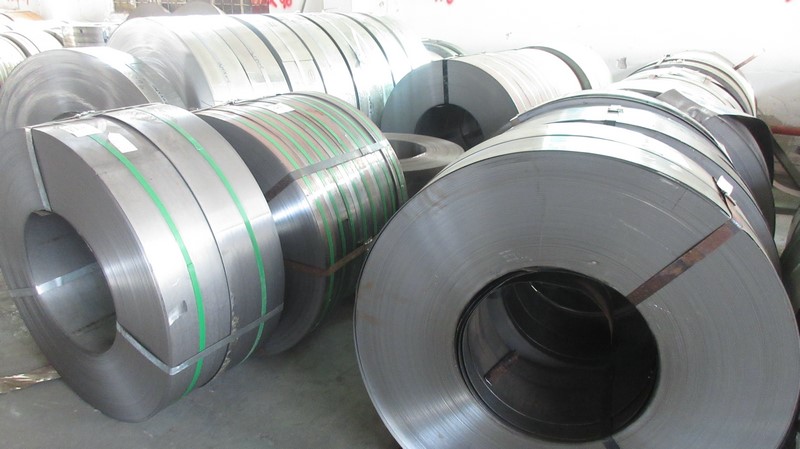
Key considerations for international purchasing managers, project engineers, and logistics coordinators.
Purchasing heavy-duty steel shelving and pallet racking requires balancing structural stability, localized certification, and lifetime Total Cost of Ownership (TCO). International logistics hubs and manufacturing facilities must source products that meet local building codes while optimizing transport costs through space-efficient packaging. High-tensile steel cold-formed profiles provide the load capacities required for industrial storage, while modular designs reduce installation time on-site.
A primary challenge in global storage procurement is ensuring compliance with regional standards. North American projects require structures designed in accordance with the Rack Manufacturers Institute (RMI) guidelines. Australian facilities must adhere strictly to AS4084, which defines testing parameters for upright deflections and beam-to-column connections. In Europe, EN 15512 outlines cold-formed steel racking designs under seismic conditions.
At Ningbo FutureSpace, our engineers verify every bespoke racking layout using certified load testing, ensuring compatibility with international standards. Our surface finishes, including electrostatic powder coating, are tested for corrosion and adhesion, maintaining long-term performance in temperature-controlled or damp warehousing environments.
Technical insights and purchasing guidance regarding industrial racking and structural steel shelving systems.
We primarily utilize high-tensile hot-rolled and cold-formed structural steel, such as Q235B and Q355B (equivalent to ASTM A36 and ASTM A572 Grade 50). These materials offer the necessary yield and tensile strength to handle heavy static loads while remaining ductile enough to prevent sudden failures under dynamic forces.
Load capacities are calculated using Finite Element Method (FEM) analysis software to simulate load distributions on vertical uprights and horizontal beams. Physical prototype testing is conducted using tensile and compression testing rigs to measure actual yield limits, ensuring safety factors of 1.5 to 1.8 under static loads.
For moisture-prone, cold-storage, or outdoor installations, we recommend hot-dip galvanizing or a dual-layer zinc-rich primer base topped with an electrostatic powder coating. This combination protects the steel from oxidation and preserves structural integrity in temperatures down to -30°C.
Our design and manufacturing teams work directly with structural engineers to ensure upright geometries, connection hooks, and floor anchors meet relevant regional codes. Our quality assurance team, consisting of 22 technicians, monitors production tolerances, material certifications, and welding quality to maintain compliance.
Standard custom configurations take between 25 and 35 days from technical drawing approval to factory dispatch. Our 28 R&D engineers produce CAD and 3D mockups within 3 to 5 business days, accelerating design confirmation and final production planning.
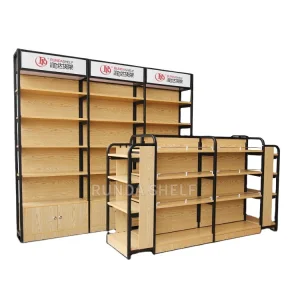
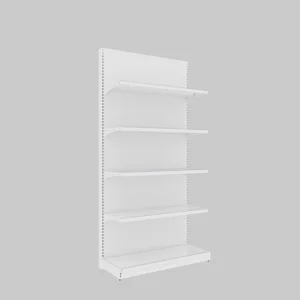
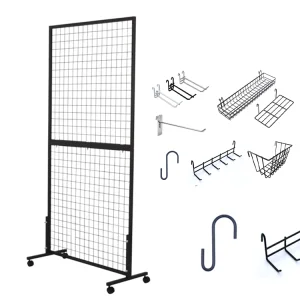
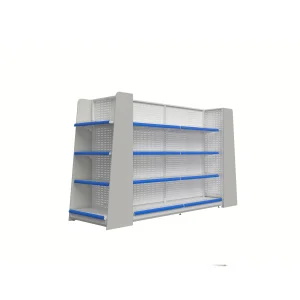
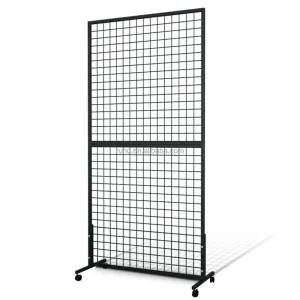
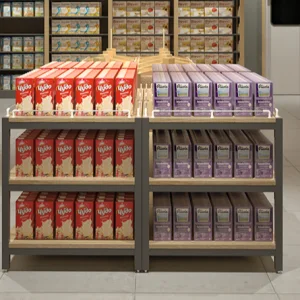
Professional merchandising shelving, wooden display gondolas, and supermarket checkout systems designed for durability and ease of assembly.
 FutureSpace Rack