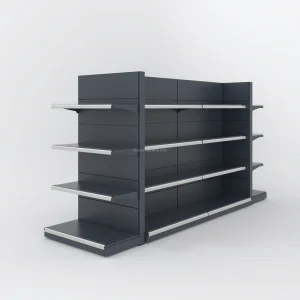
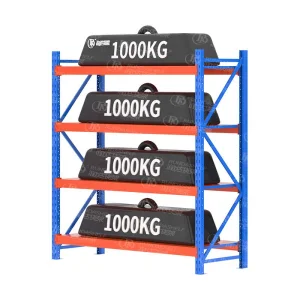
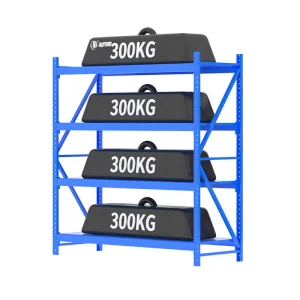
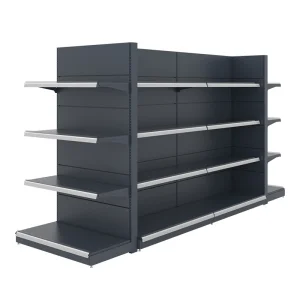
Explore our top-performing retail fleet and structural storage solutions engineered to improve customer navigation and floor layout optimization.
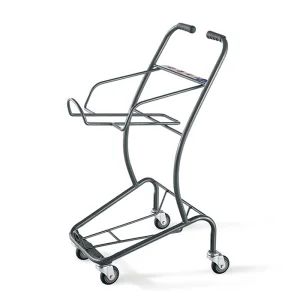
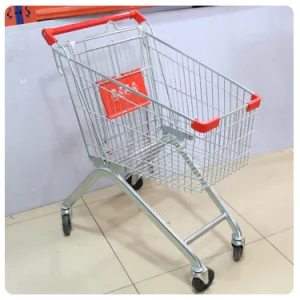
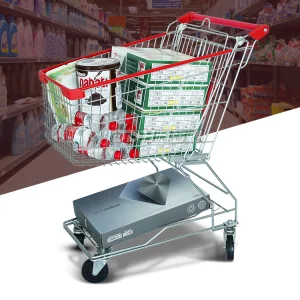
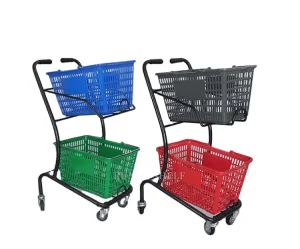
In the contemporary fast-moving consumer goods (FMCG) market, the shopping trolley has evolved from a simple product carrier to a vital touchpoint in user experience and operations. Modern grocery fleets require high structural integrity, ergonomic stability, and noise-minimizing castor technology to support longer shopping cycles and prevent customer fatigue.
As retailers scale globally, custom procurement processes must balance payload durability with localized configurations. Material selections now range from standard wire meshes with protective clear coatings to hybrid structures incorporating food-grade Polypropylene (PP) and lightweight aluminum. Selecting the right cart configuration directly impacts inventory throughput, floor management, and long-term capital expenditure efficiency.
Ningbo FutureSpace Logistics Technology Co., Ltd. is a global manufacturer of logistics and retail equipment. Established in 2018, we operate a 22,000 m² manufacturing plant designed to streamline structural fabrication, welding, coating, and assembly.
With 8 years of sector expertise and 5 years of international market experience, we generate an annual export revenue of $8.5 million. Our clients include industrial equipment wholesalers, regional logistics hubs, and retail distribution systems in North America, Australia, and Eastern Europe. Supported by over 420 upstream supply chain partners, we ensure consistent raw material sourcing, production continuity, and reliable lead times.
Our end-to-end manufacturing workflows utilize automated precision machinery to maintain raw material integrity and ensure consistent product finishes.
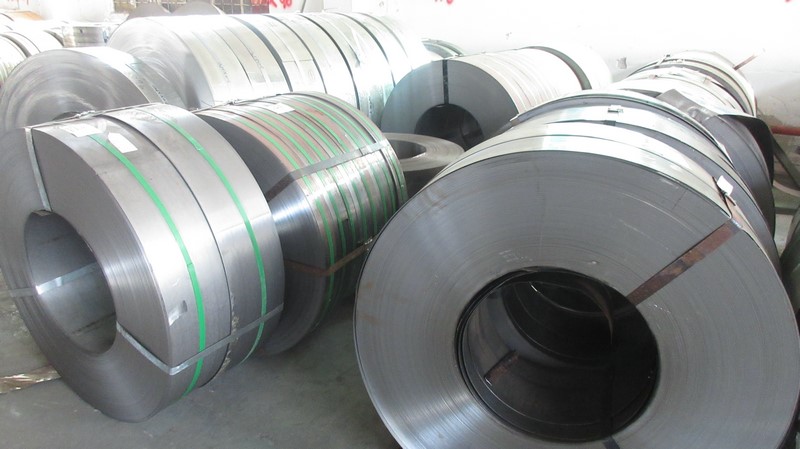
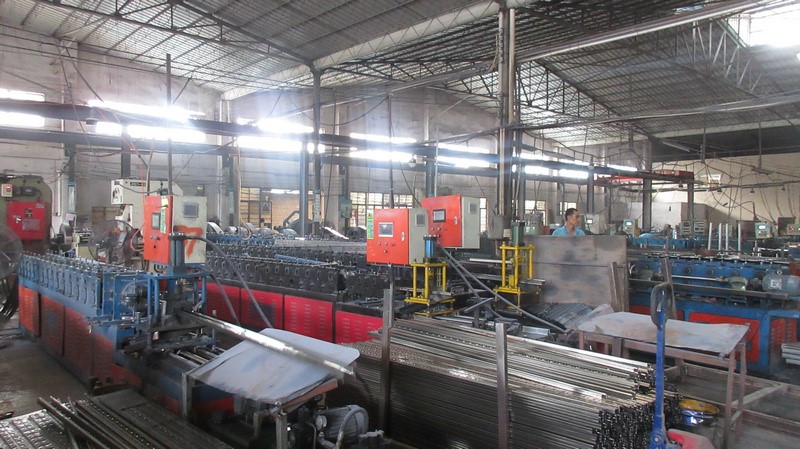
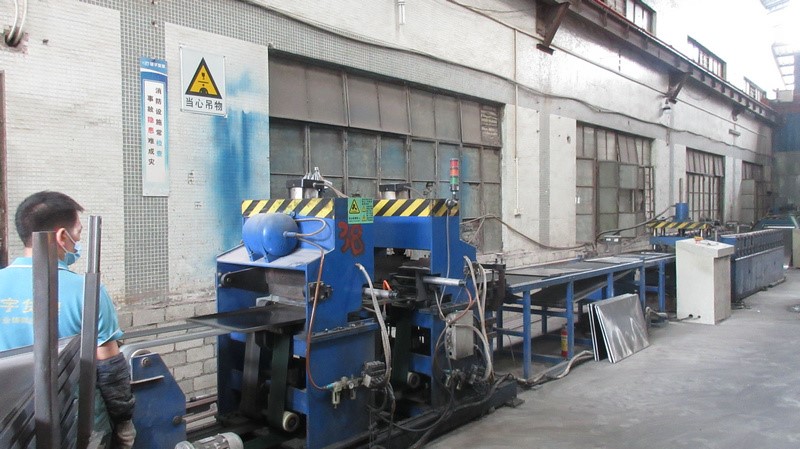
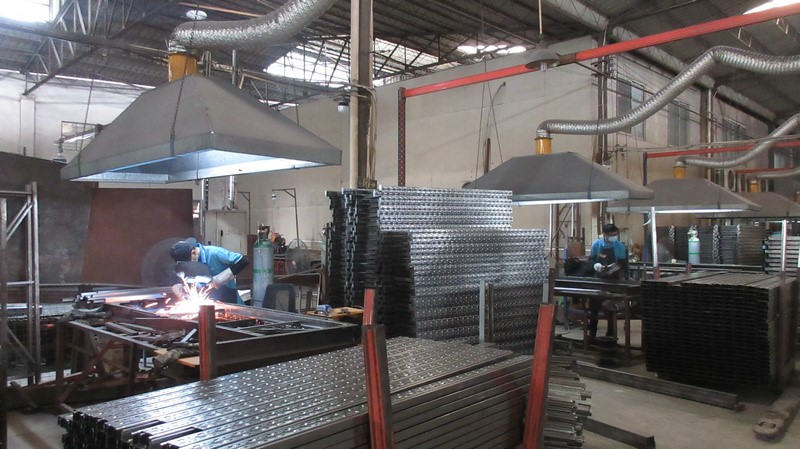
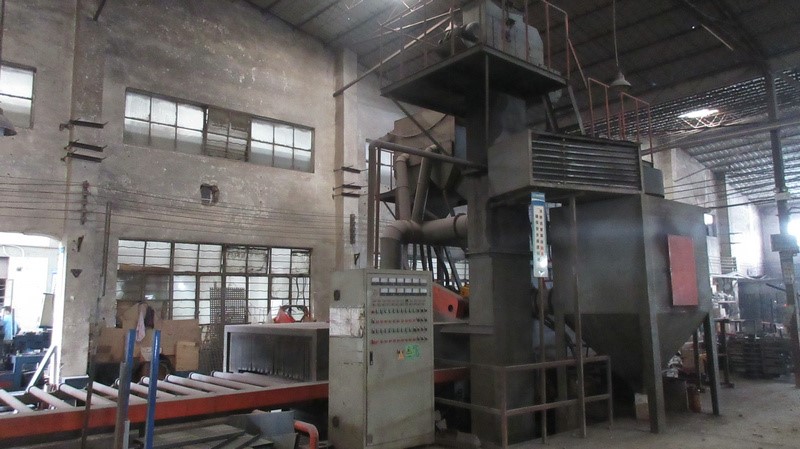
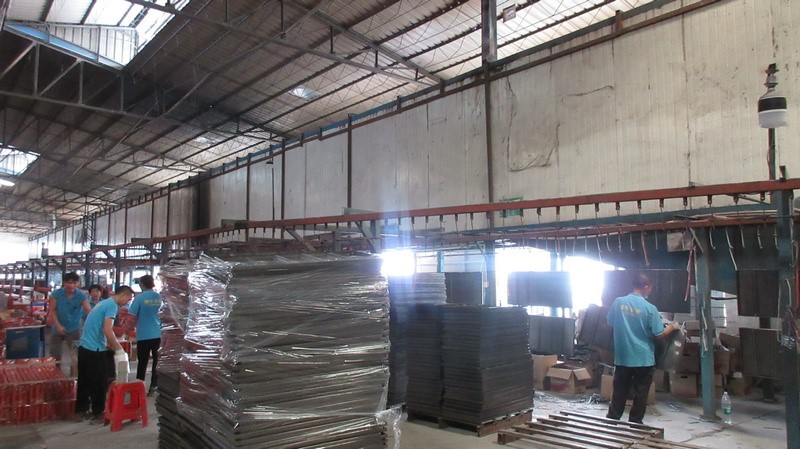
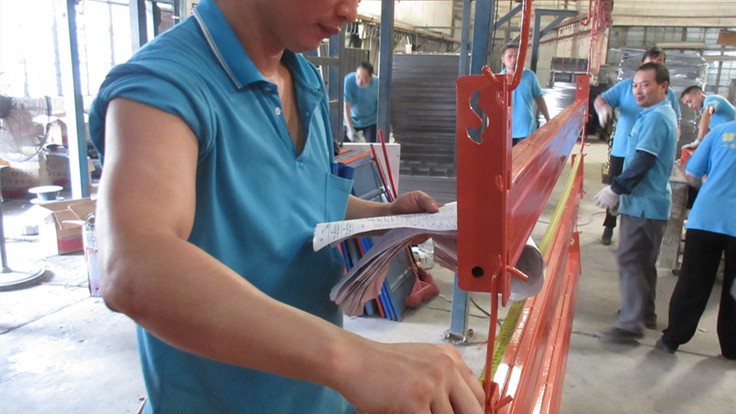
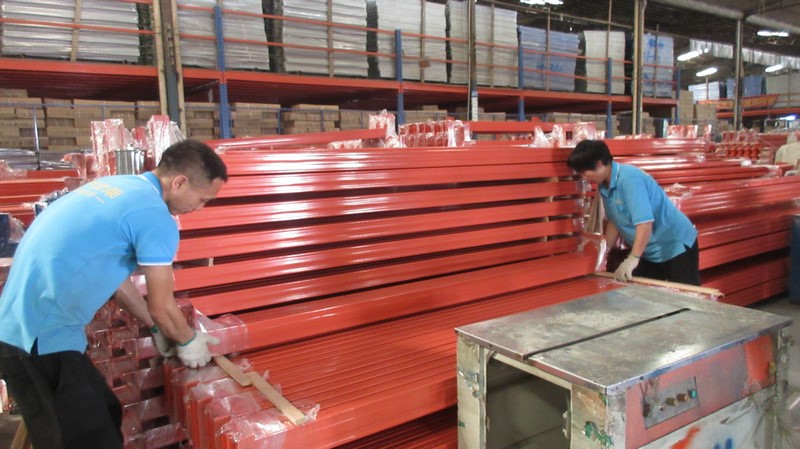
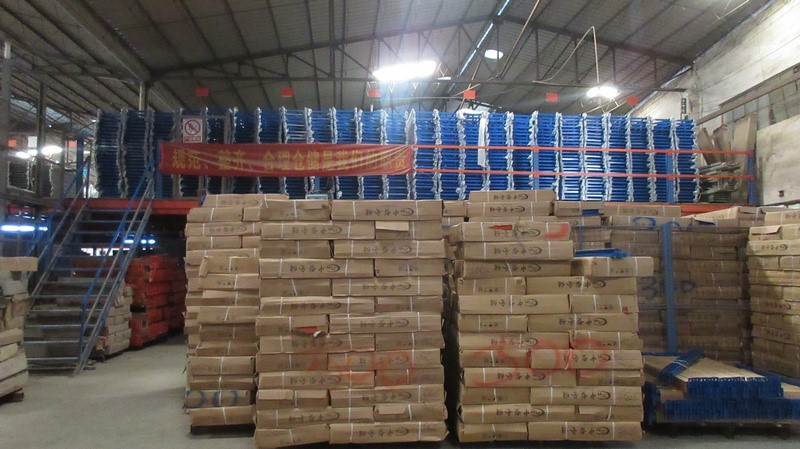
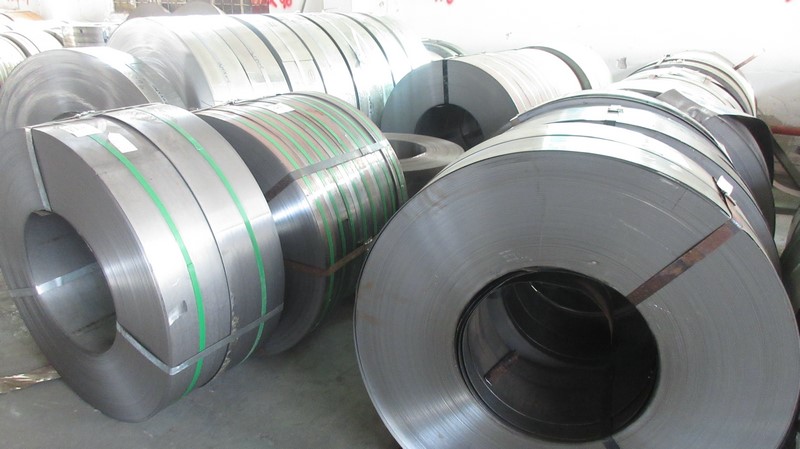
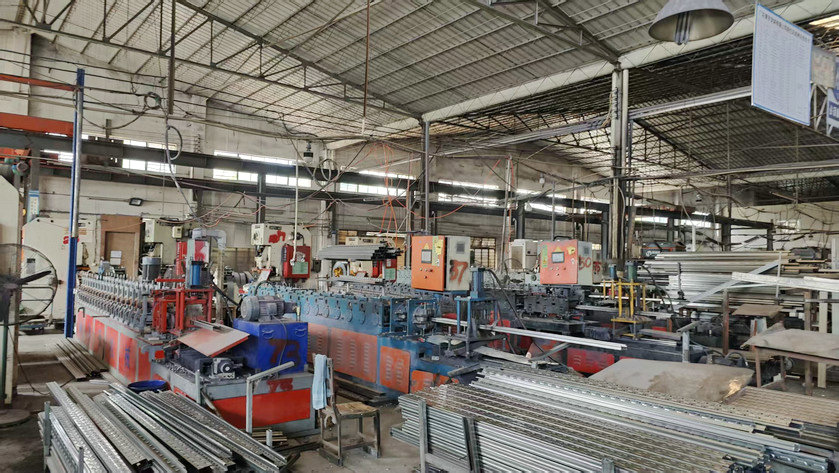
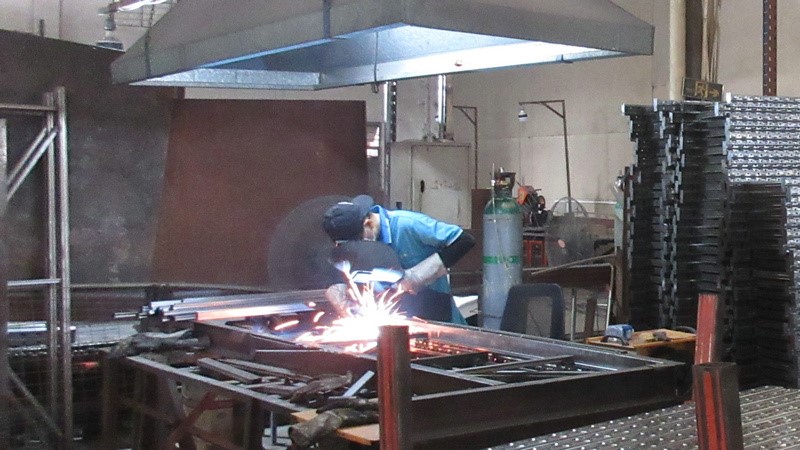
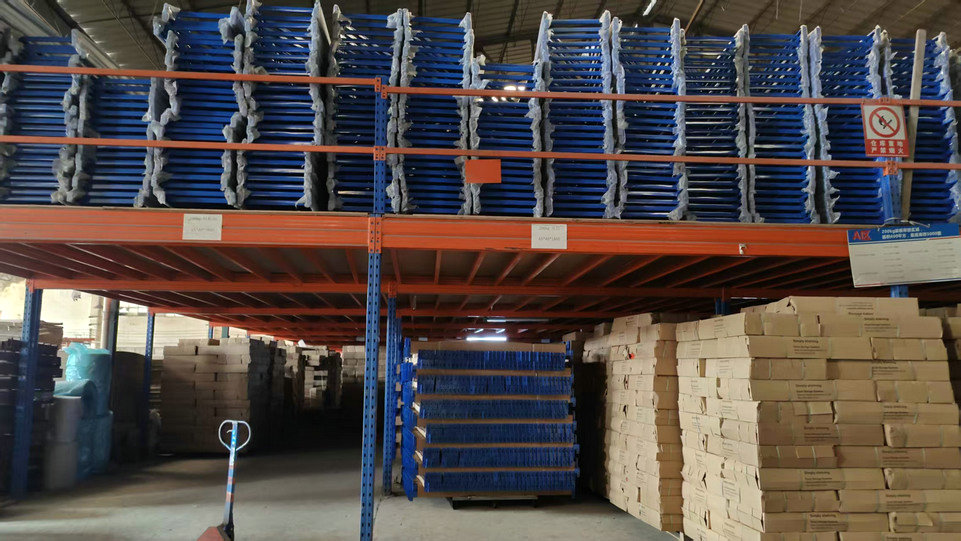
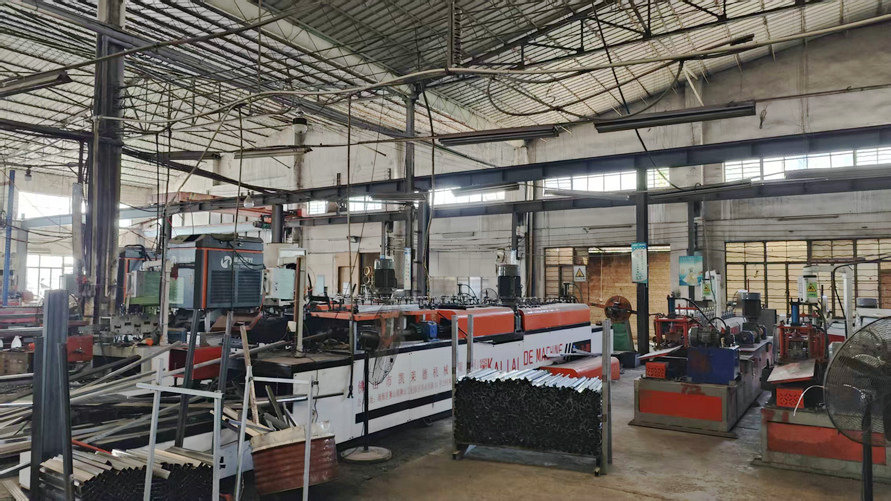
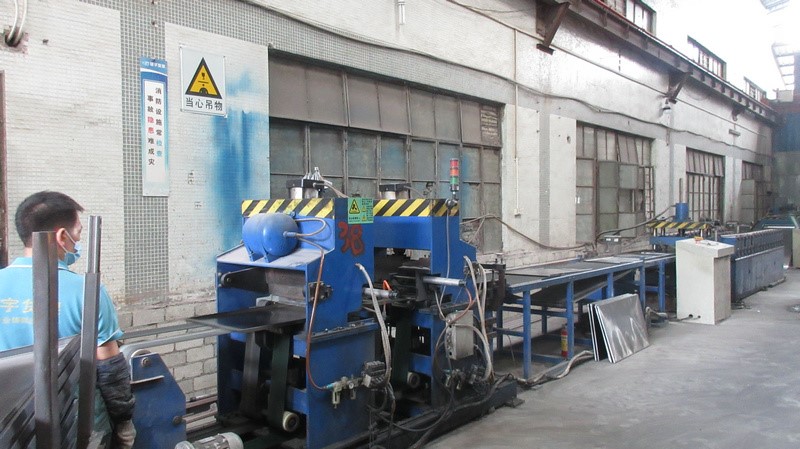
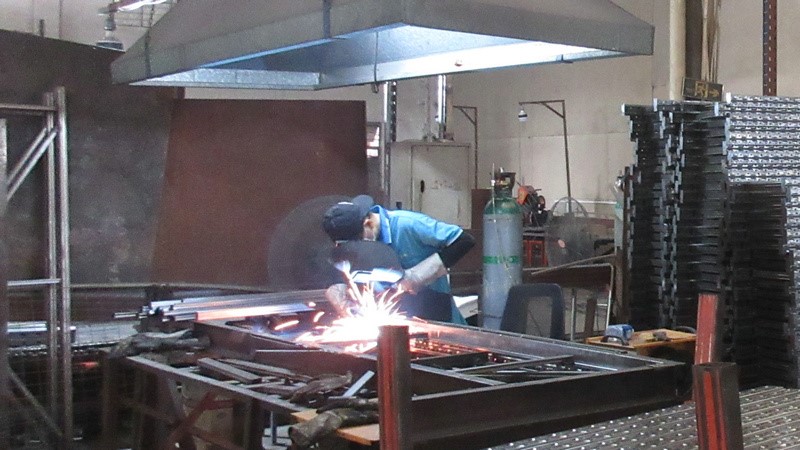
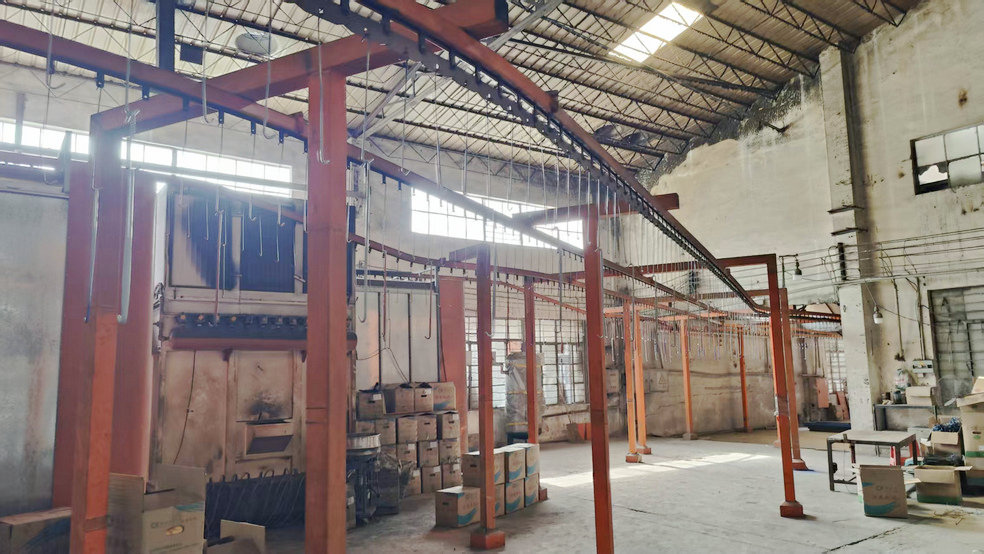
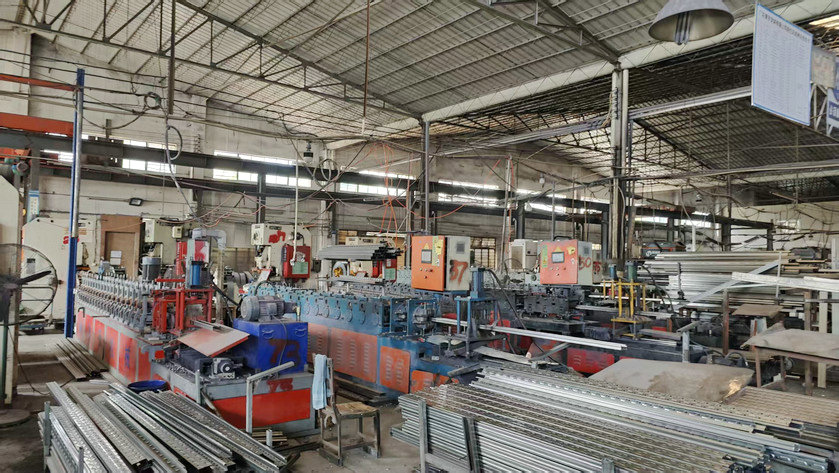
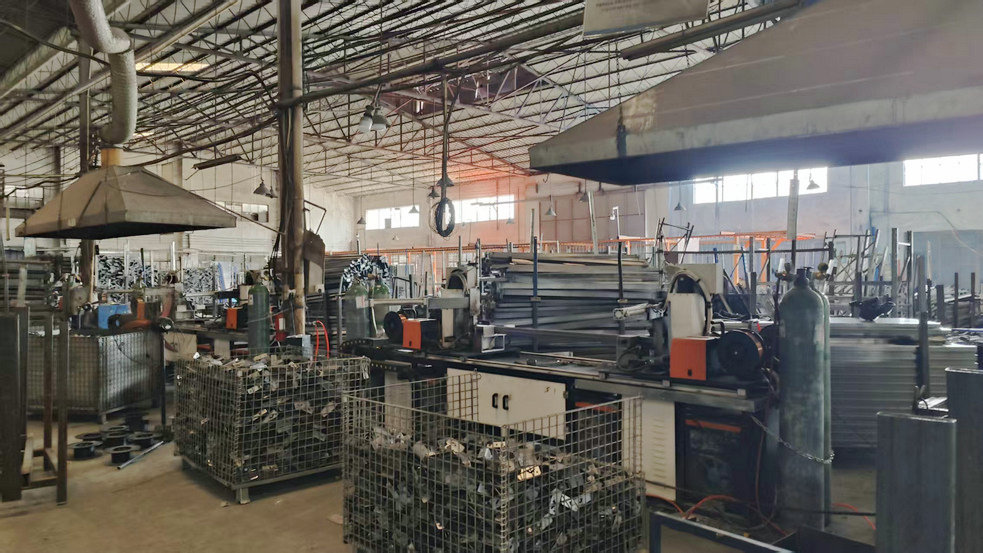
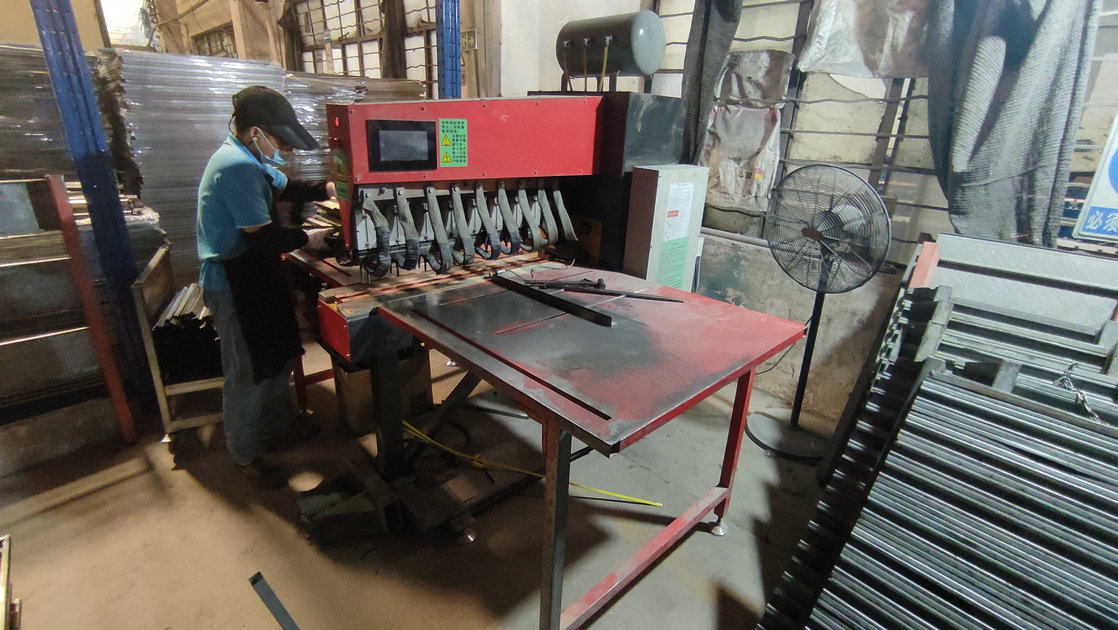
Ningbo FutureSpace's manufacturing base is strategically located near Ningbo Port, offering logistics and supply chain advantages. Our integration with over 420 steel mills, polymer suppliers, and castor manufacturers helps stabilize raw material pricing and insulate customers from supply shortages.
We manage standard manufacturing workflows using an ERP-driven material requirement planning system. This allows us to scale production up or down based on market demand. From automated laser tube cutters to multi-spot CNC mesh-welding stations, our investments in automation reduce manual labor overhead, maintain dimensional tolerances, and ensure competitive pricing.
We prioritize quality control through every stage of production. Our facility maintains a quality management system certified under ISO9001 and SGS standards, overseen by 22 certified quality technicians.
We perform tensile strength testing on incoming Q235 steel wires to verify load capacities. During production, 3D laser-welding monitors check joints for penetration depth and weld integrity. Each trolley batch undergoes salt spray corrosion testing and load-simulation tests up to 1.5 times the rated payload capacity before shipping.
Different regional retail formats require customized equipment sizes, configurations, and materials to match local shopper habits and store layouts.
Designed for large store footprints and wide aisles, North American carts prioritize high volume capacities (180L to 250L) and double-basket layouts. Built-in cup holders, child safety seating, and high-impact corner bumpers protect store fixtures during high-payload use.
European designs focus on space optimization, nesting depth, and pedestrian-friendly paths. Carts features coin locks, quiet polyurethane running castors, and compact footprints (75L to 130L) that maneuver easily on travelators and fit within narrow store aisles.
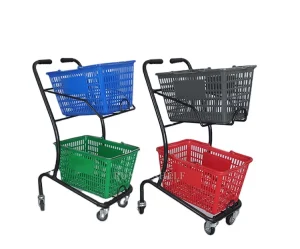
Asian retail spaces benefit from lightweight, multi-tiered wire baskets or hybrid plastic-steel carts with load capacities ranging from 50kg to 130kg. These designs allow shoppers to stack multiple baskets in a single footprint, optimizing limited aisle space.
We track and integrate emerging retail technologies, moving toward connected, sustainable, and automated checkout solutions.
We are replacing virgin plastics with up to 50% post-consumer recycled (PCR) Polypropylene in our non-structural cart accessories, and optimizing handle shapes to reduce muscle strain.
We are testing smart castors with magnetic locking systems and embedded RFID tags to prevent theft and help store managers track cart usage and distribution on-site.
We are developing modular cart frame designs that accommodate tablet mounts, barcode scanners, and weighing sensors to support automated, scan-and-go self-checkout workflows.
Ningbo FutureSpace exports products to international markets by adhering to regional quality standards. Our wire-forming and assembly processes follow EN 1929 European standards, which dictate safety requirements and testing protocols for shopping trolleys.
We manage transport and delivery to help customers control logistics costs. Carts are nested and wrapped in multi-layer protective film to prevent abrasions and finish damage during transport.
By designing nesting dimensions that maximize container space, we reduce ocean freight costs per unit. We coordinate with major global freight forwarders to handle customs clearances, routing documentation, and delivery directly to regional warehouses or ports.
Review technical specifications, custom order parameters, and quality testing details for our commercial retail equipment.
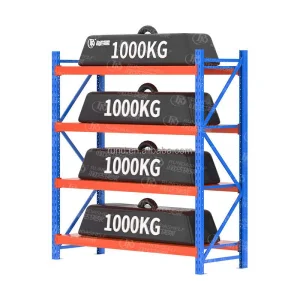
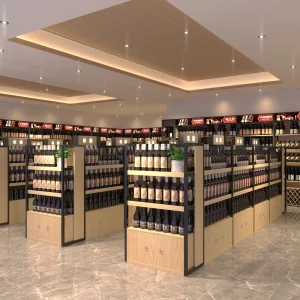
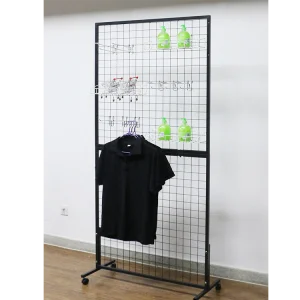
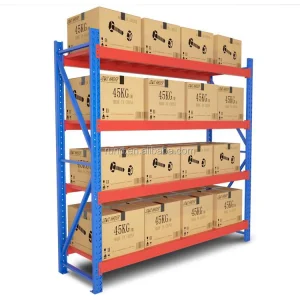
View our heavy-duty storage racks, modular shop display solutions, and specialized point-of-sale display systems.
 FutureSpace Rack