Engineered for Danish industrial logistics parks, regional distribution centers, and commercial hubs.
Expert insights on space optimization, structural compliance, and material handling efficiency in Northern Europe.
The Danish logistics and warehousing market is currently undergoing a structural transformation. Driven by the expansion of cross-border e-commerce, the modernization of retail supply chains, and the growth of high-tech manufacturing in regions like Odense, Aarhus, and the Copenhagen metropolitan area, industrial real estate is facing unprecedented demand. In Denmark, where land acquisition is subject to stringent environmental protections and municipal zoning regulations, horizontal expansion of logistics facilities is both cost-prohibitive and structurally constrained.
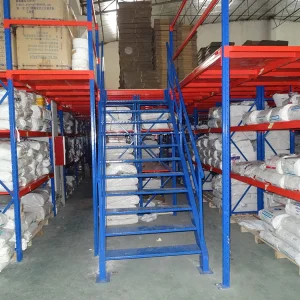
This geographical reality has led Danish supply chain directors and facility managers to transition away from low-density storage strategies toward vertical footprint optimization. Herein lies the value proposition of the Attic Shelf (Multi-Tier Mezzanine Platform). By utilizing vertical warehouse clearance heights—often ranging from 6 to 12 meters in modern Danish distribution hubs—attic shelving systems effectively double or triple the usable floor surface area without requiring external facility expansions.
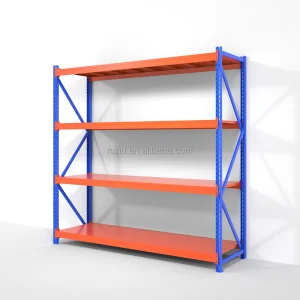
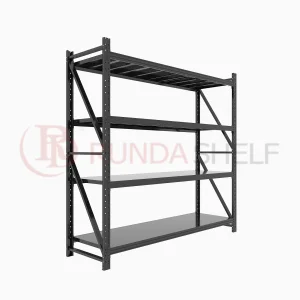
Attic shelves, also classified as rack-supported mezzanines, combine heavy-duty pallet racking components with structural steel decking. The primary structural components—vertical upright frames, load-bearing horizontal beams, and floor support profiles—are cold-rolled from high-tensile structural steel (typically S235JR or S355JR matching EN 10025 standards).
Unlike simple shelving, an attic system is an engineered structural grid. Standard load ratings deployed across Northern European industrial sectors range from:
The selection of decking materials is critical to meeting local work-safety regulations. In Danish installations, heavy-duty hot-dip galvanized steel gratings are preferred for their superior air circulation, light transmission, and fire-safety qualities, allowing water from overhead fire sprinklers to penetrate to lower levels seamlessly. Alternatively, high-density structural wood panels with flame-retardant class B-s1, d0 coatings are deployed for specific light-duty applications.
For Danish importers, structural engineering firms, and logistics end-users, supply chain consistency, raw material traceability, and manufacturing precision are paramount. Ningbo FutureSpace Logistics Technology Co., Ltd. addresses these requirements by operating a advanced 22,000 m² production facility equipped with high-precision manufacturing systems.
The manufacturing chain integrates structural reliability at every stage:
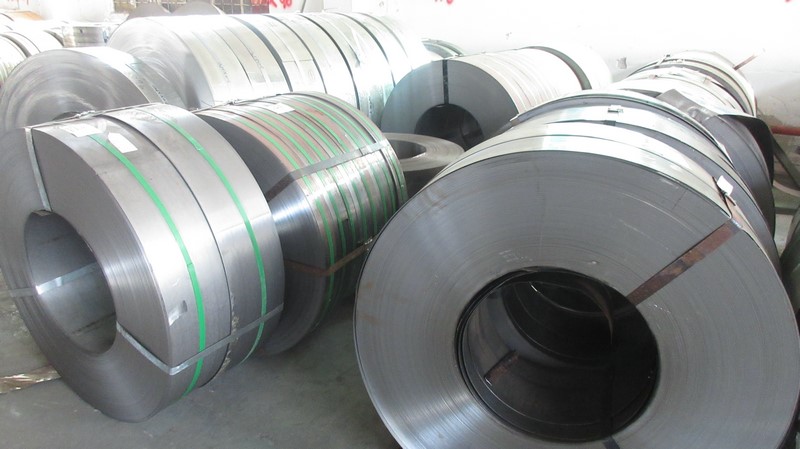 Raw Material
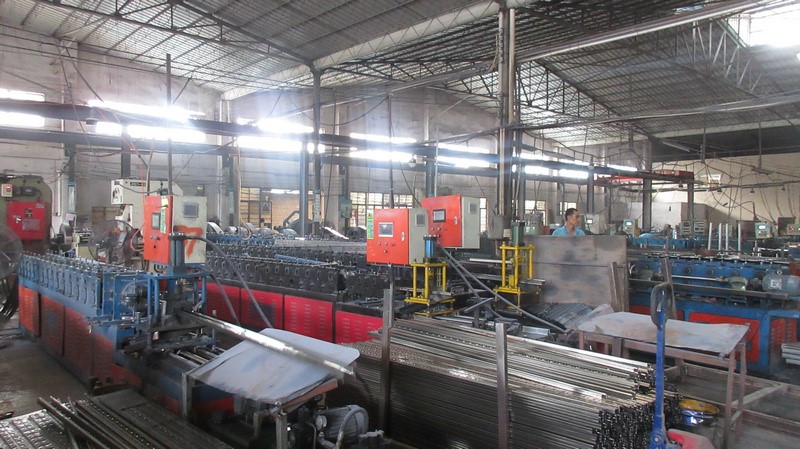 Cutting
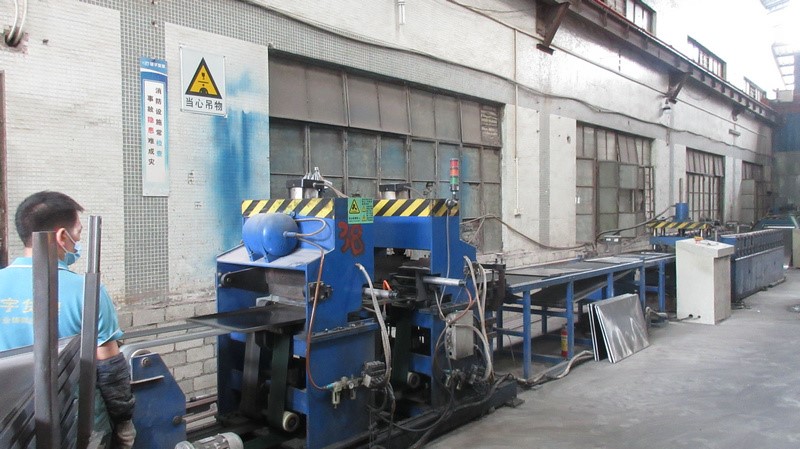 Bending
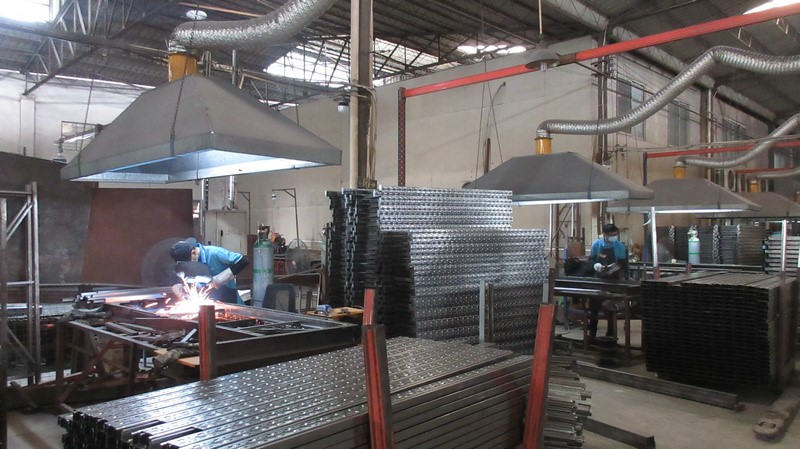 Welding
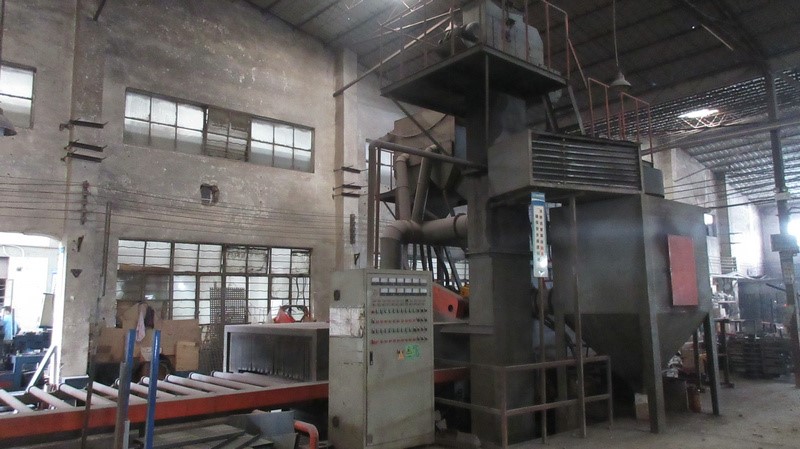 Derusting
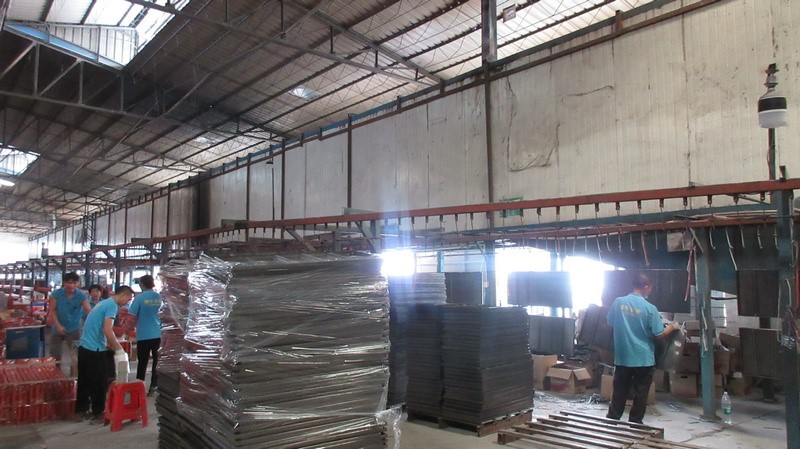 Spraying
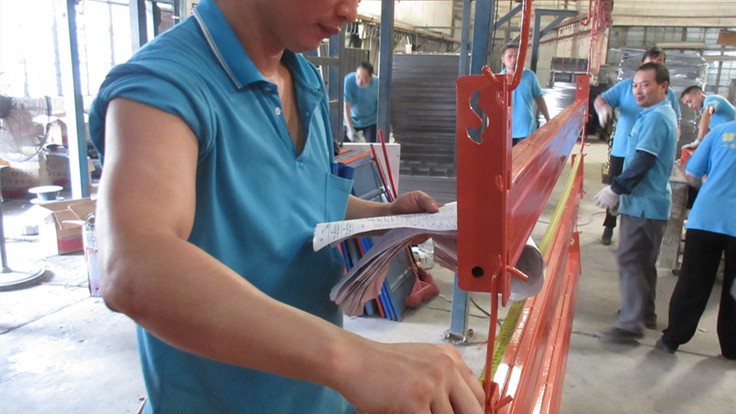 Inspection
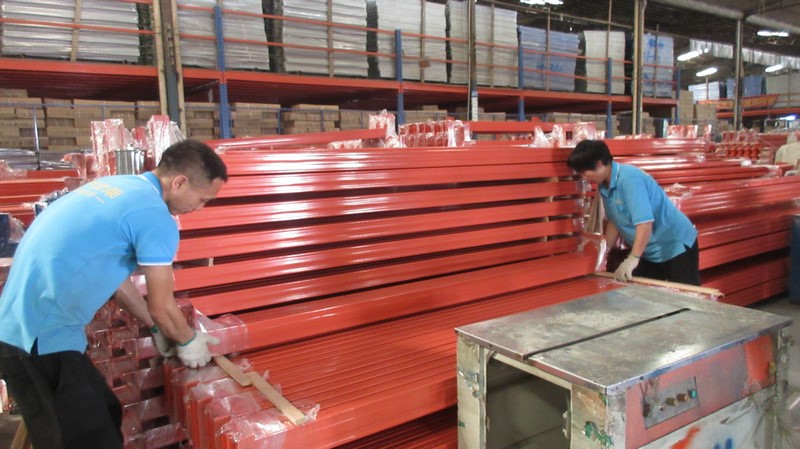 Packaging
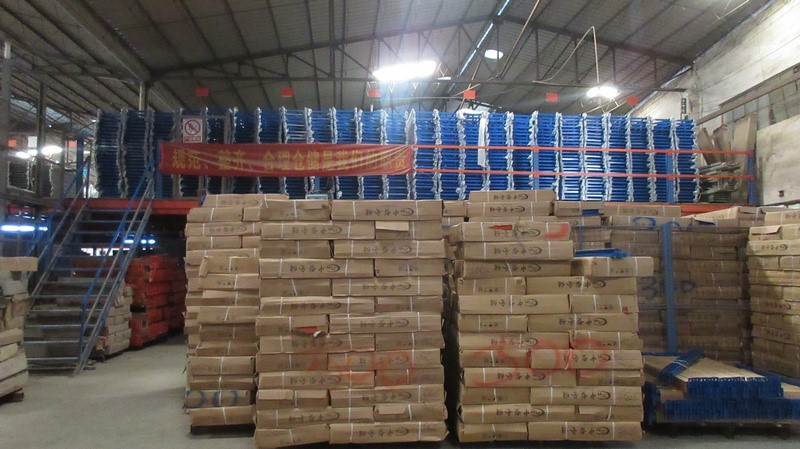 Storage
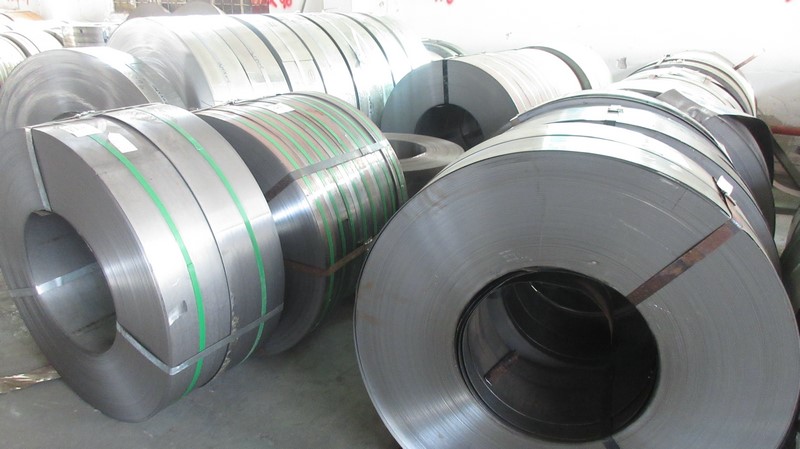 Raw Material
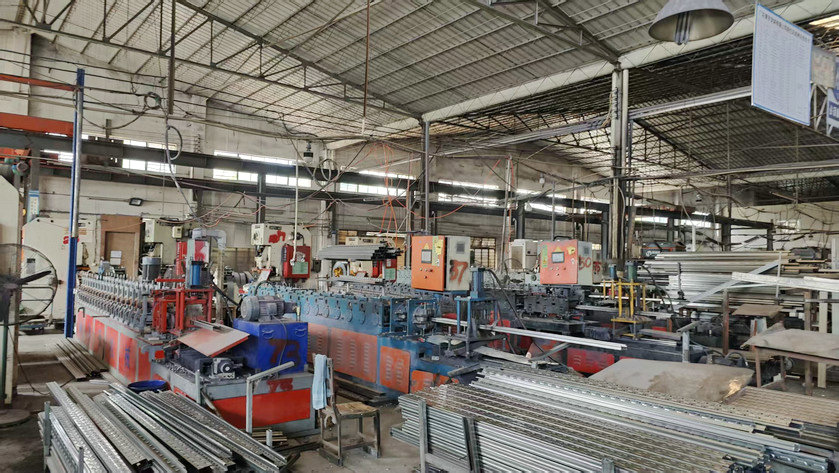 Cutting & Bending
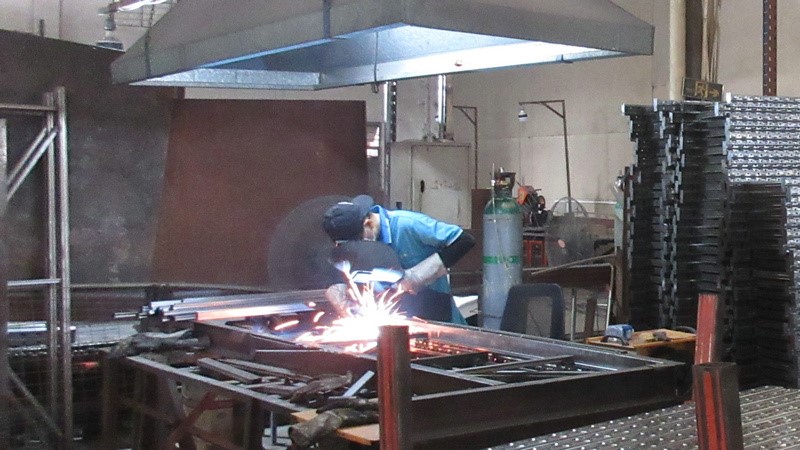 Welding
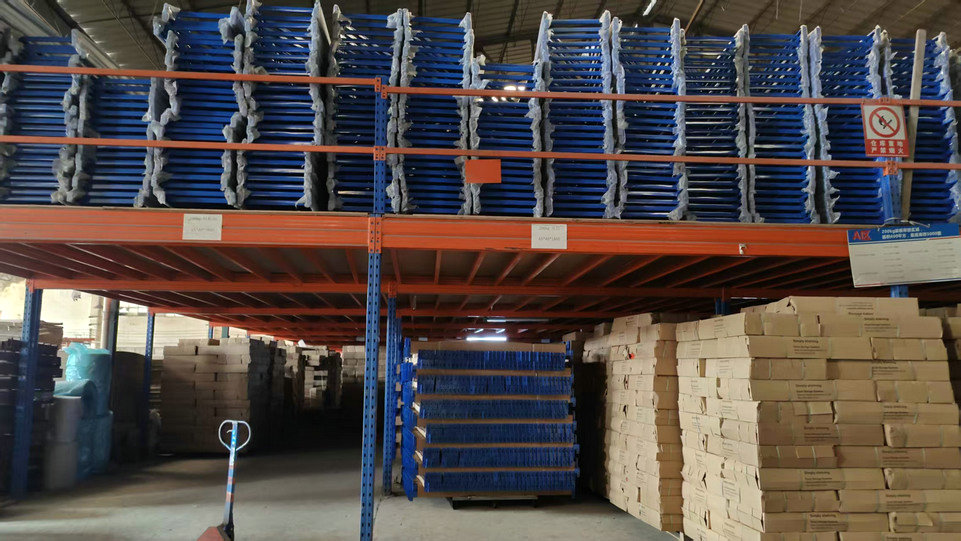 Packaging
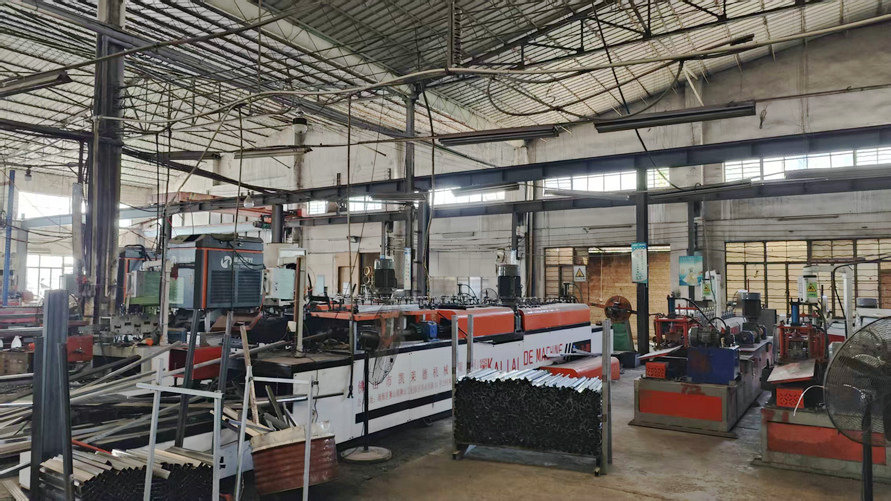 Cutting Machine
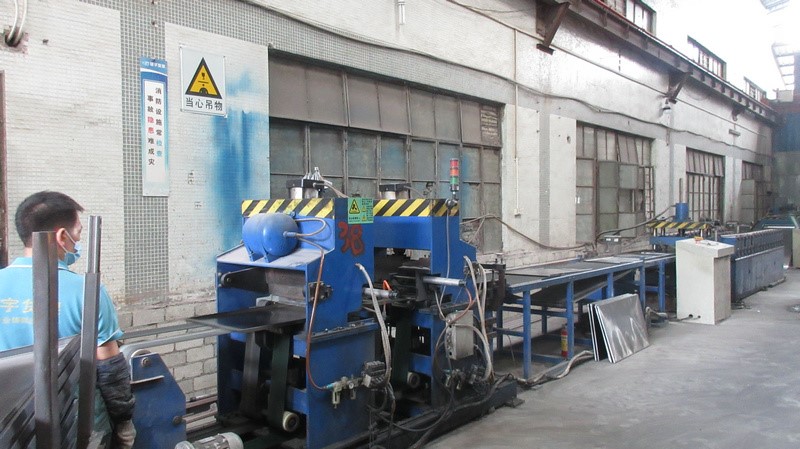 Bending Machine
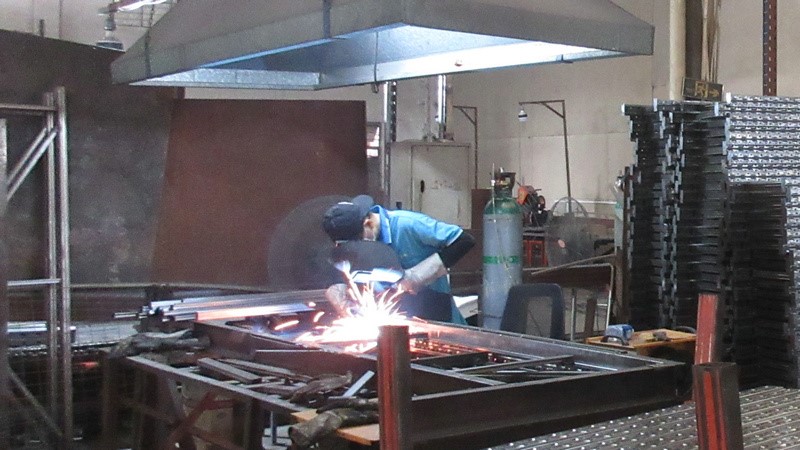 Welding Machine
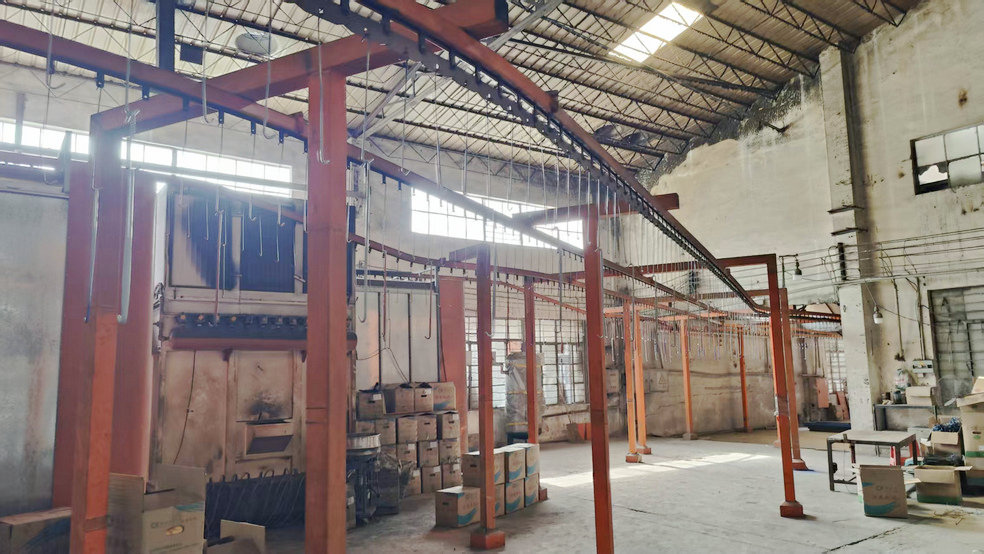 Spraying Line
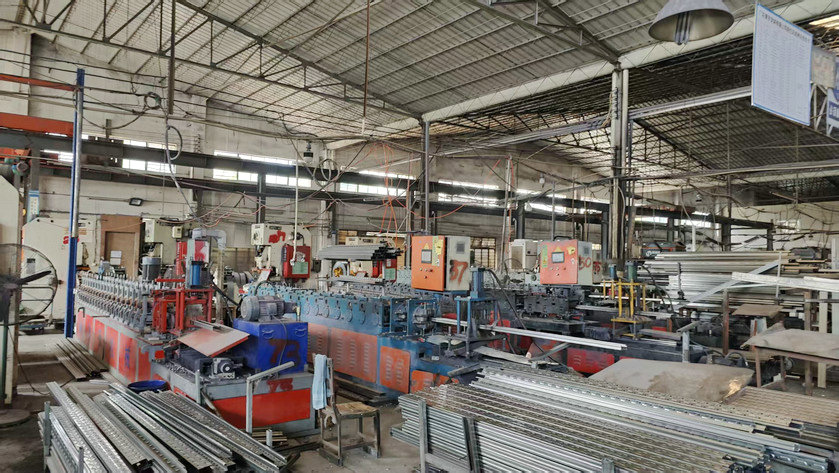 Cutting Machine
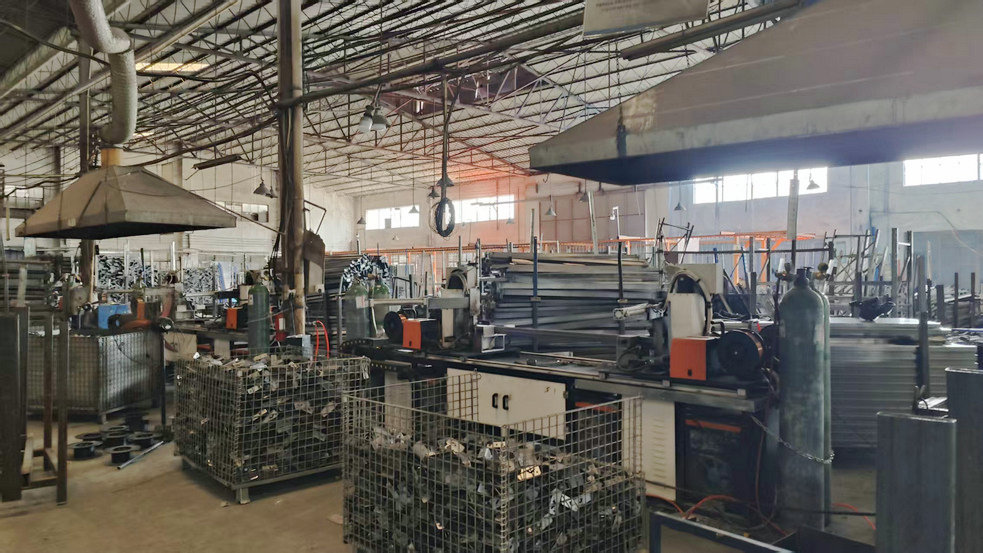 Welding Machine
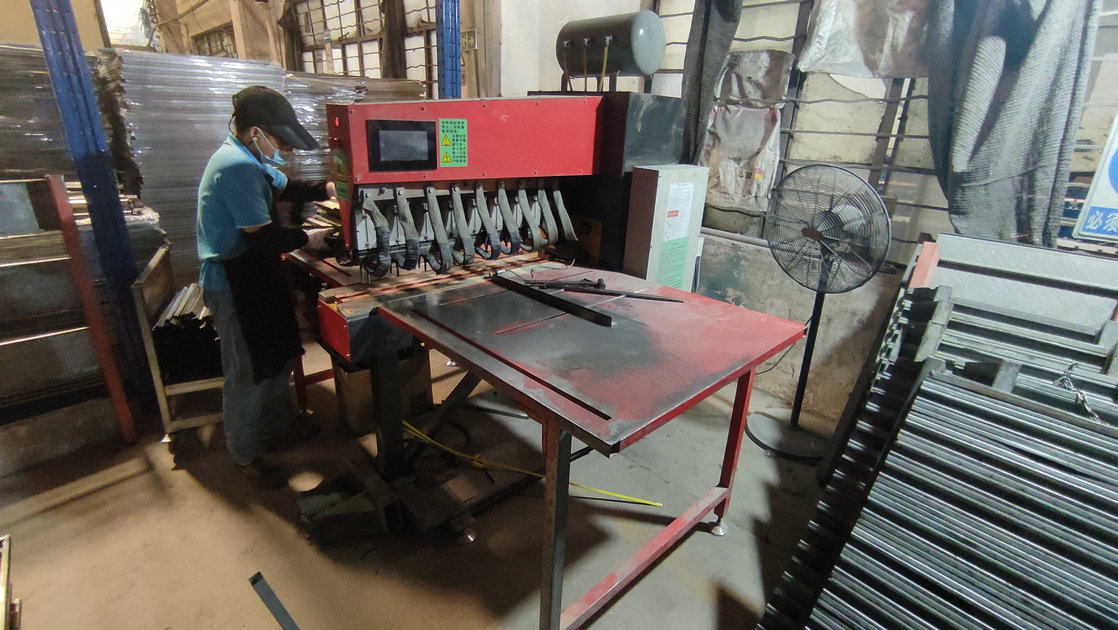 Point Welding Machine
Danish companies evaluating international suppliers prioritize shipping efficiency and duty handling. By exporting direct from Ningbo Port—one of the largest deep-water shipping gateways globally—Ningbo FutureSpace ensures optimized freight consolidation.
Our design process factors in container utilization efficiency. Upright frames and floor support profiles are engineered to nest efficiently inside standard 40ft High Cube containers. This reduces container requirements for large installations by up to 15%, translating into substantial shipping cost savings. In addition, our documentation team handles all export clearances, providing complete certificates of origin and Bill of Lading paperwork for smooth customs clearance at Danish ports like Aarhus and Copenhagen.
High durability, customizable dimensions, and quick assembly frameworks designed for retail and boutique applications.
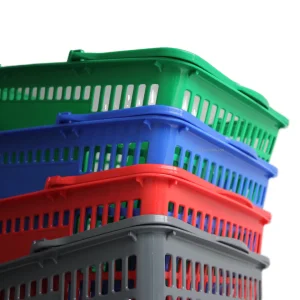
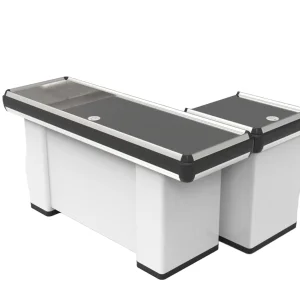
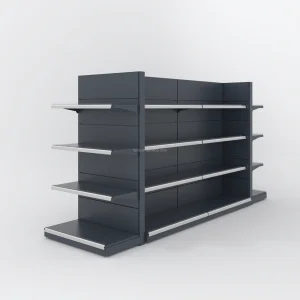
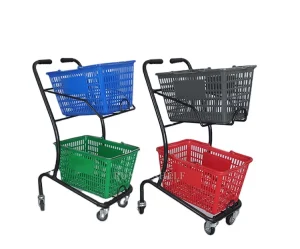
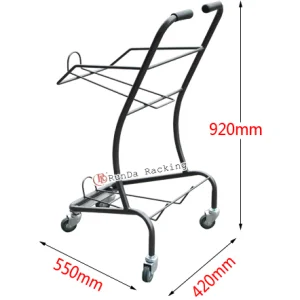
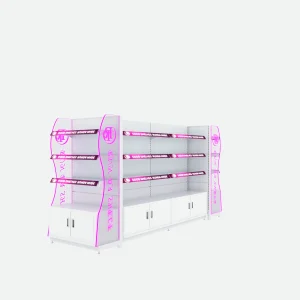
Complete configuration options for modern retail layouts and display setups.
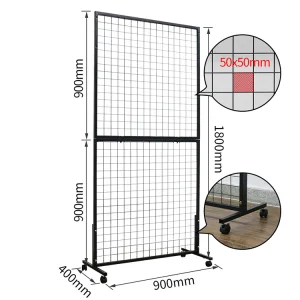
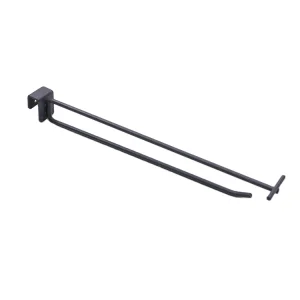
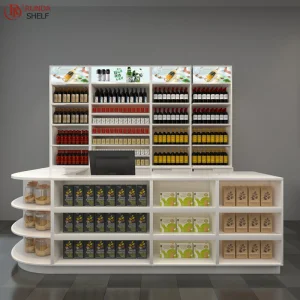
Essential technical, regulatory, and logistics information for purchasing structural storage systems from China.
Looking for a reliable warehouse design partner in Denmark?
Contact Our Engineering Office FutureSpace Rack