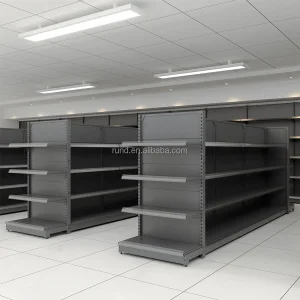
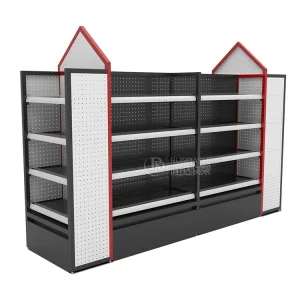
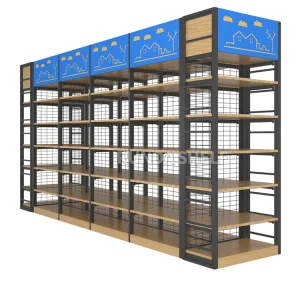
Engineered to maximize storage efficiency and enhance aesthetic presentation in modern supermarkets, drugstores, and convenience retail environments across Canada.
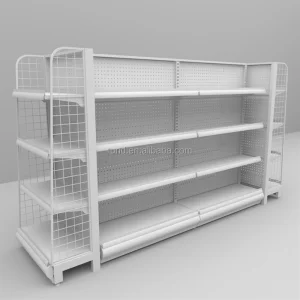
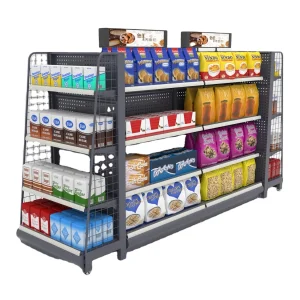
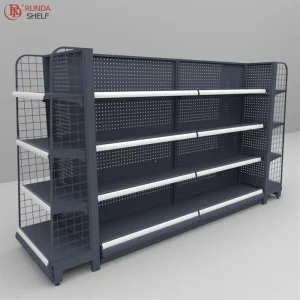
An authoritative breakdown of the structural, regulatory, and commercial factors shaping modern retail display deployments across Canadian provinces.
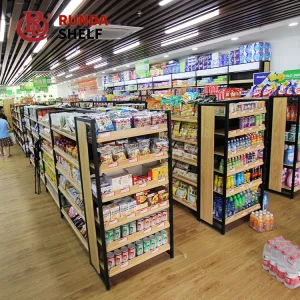
Canada’s retail sector is defined by rigorous operational standards and demanding climatic shifts. From high-density metropolitan zones like the Greater Toronto Area (GTA), Metro Vancouver, and Montreal, to fast-developing commercial hubs in Calgary and Edmonton, grocery stores and pharmacies require racking systems that balance spatial optimization with supreme load safety. Multi-tiered grocery configurations must withstand heavy stocking schedules while retaining aesthetic versatility to draw customers.
Additionally, modern retail logistics across the Canadian supply chain place a strong premium on modular shelf flexibility. Multi-functional retail spaces require fast resets. Store configurations must adapt easily to accommodate peak holiday inventory shifts, sudden product launches, and seasonal fresh-food merchandising.
Retail stores in Canada must meet structural and safety specifications. All shelving structures are governed by local building codes and occupational health laws, which mandate load-capacity certifications to prevent collapse. For retail settings in British Columbia (such as Vancouver or Victoria), seismic compliance according to the National Building Code of Canada (NBC) is mandatory, requiring base plate anchoring, dynamic calculations, and engineered safety connectors.
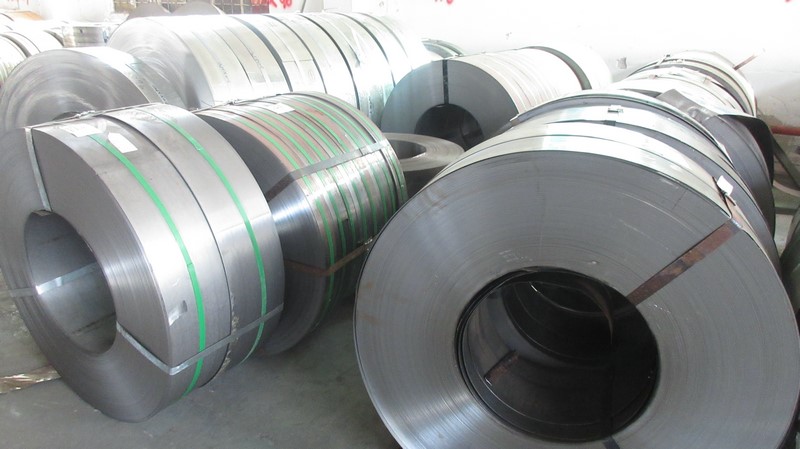
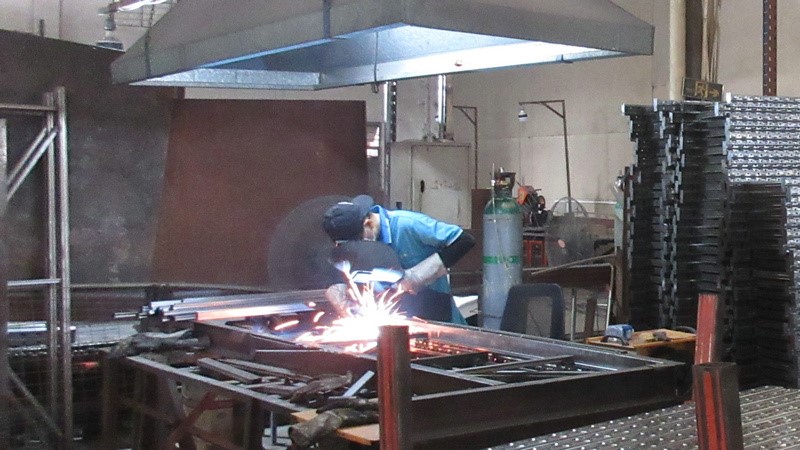
Our engineering team designs commercial racking systems specifically to satisfy these strict conditions, utilizing premium Q235B cold-rolled steel to guarantee consistent material thickness and superior yield strength. Every weld is meticulously inspected to prevent micro-cracks under load.
Understand the mechanical properties of our premium cold-rolled steel shelving systems relative to international standards.
For supermarket and industrial procurement teams, choosing retail shelving is more than just matching colors. It is an engineering decision based on load-bearing limits, deflection limits, and safety factors. Below is a structural breakdown comparing our high-density cold-rolled steel specifications against general industry standards.
| Feature Parameter | Ningbo FutureSpace Premium Standard | Conventional Industry Standard | Canadian Compliance Level |
|---|---|---|---|
| Raw Material Grade | Q235B Cold-Rolled Carbon Steel (Tensile: 370-500 MPa) | Recycled or Uncertified Commercial Steel | Exceeds CSA requirements |
| Powder Coating Tech | Electrostatic Drylac Powder (Food-grade, Non-VOC, 80-120μm) | Standard Wet Paint (50-60μm thickness) | Food contact safe, non-toxic |
| Deflection Limit | L/300 under full load capacity | L/150 to L/200 | Highly rigid, prevents sag |
| Seismic Base Anchoring | Optional slotted thick plate with 12mm expansion slots | Thin metal tab foot inserts | Meets BC Seismic Zone requirements |
| Corrosion Resistance | Salt Spray Test ASTM B117 > 500 hours | Unrated or < 100 hours resistance | Ideal for high-humidity coastal zones |
How Ningbo FutureSpace Logistics Technology Co., Ltd. integrates advanced automation with certified quality control to support international volume procurement.
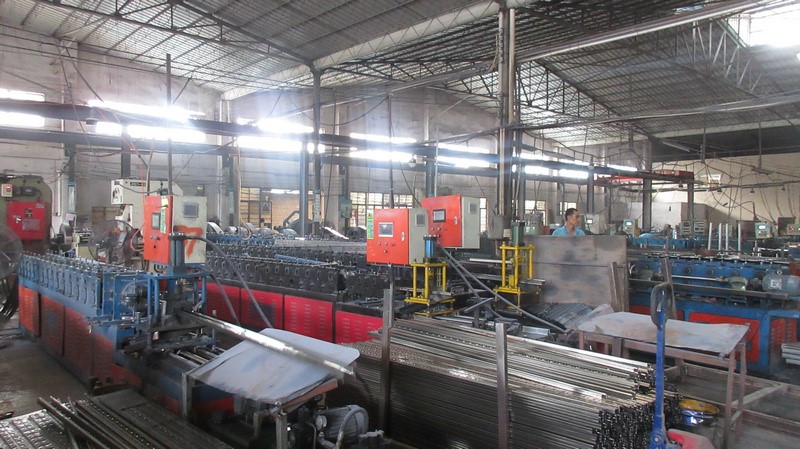
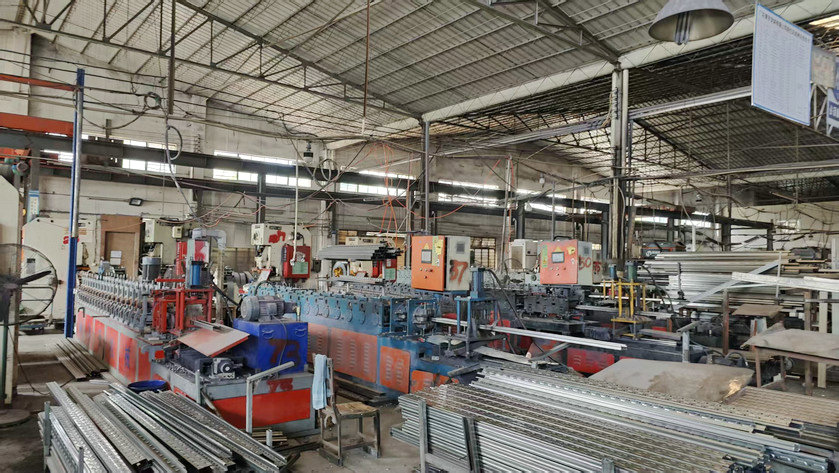
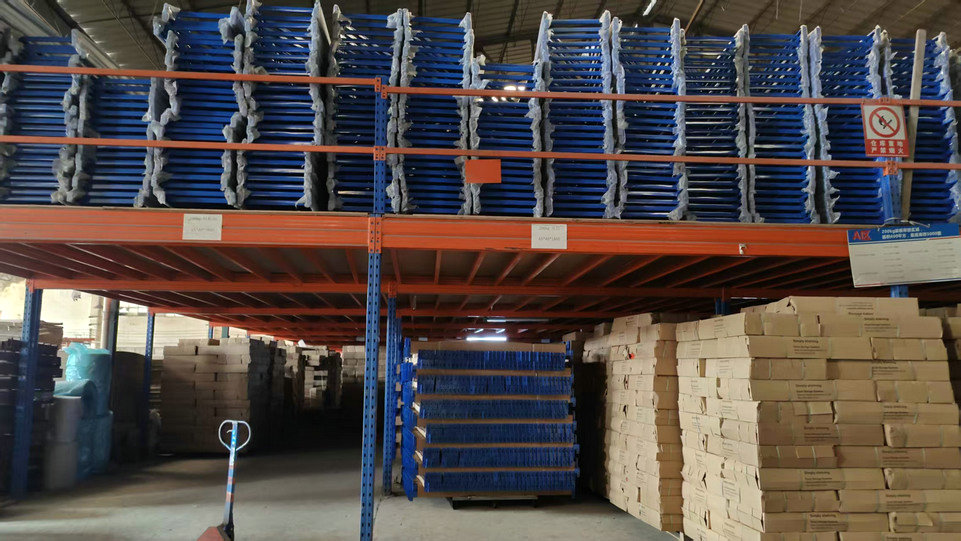
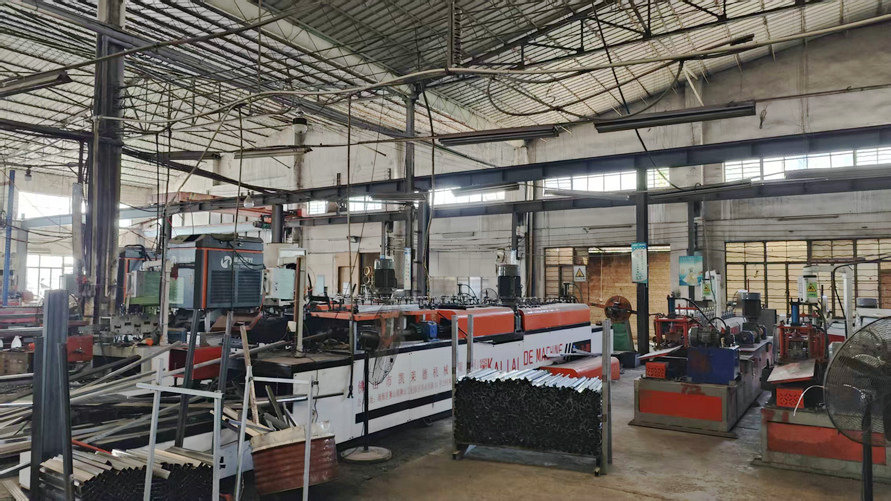
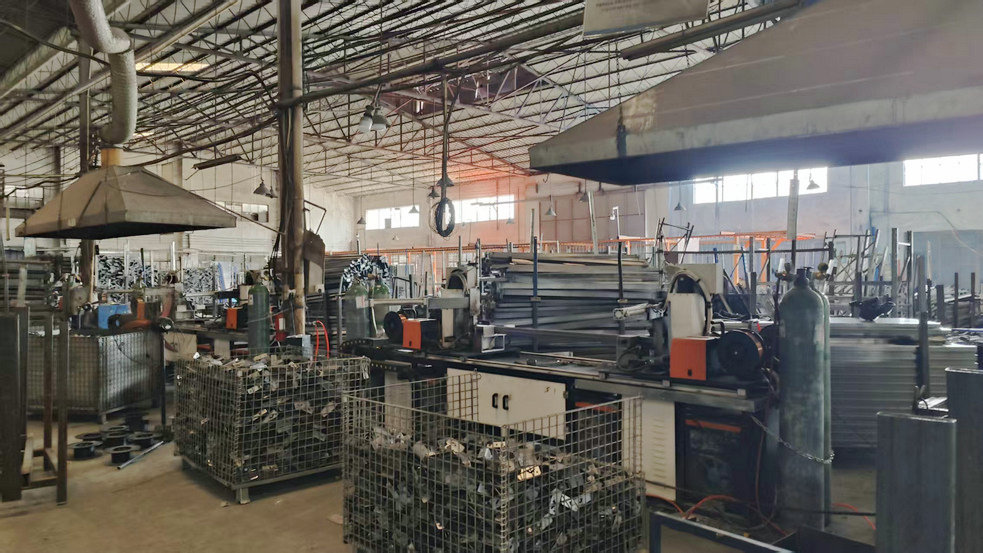
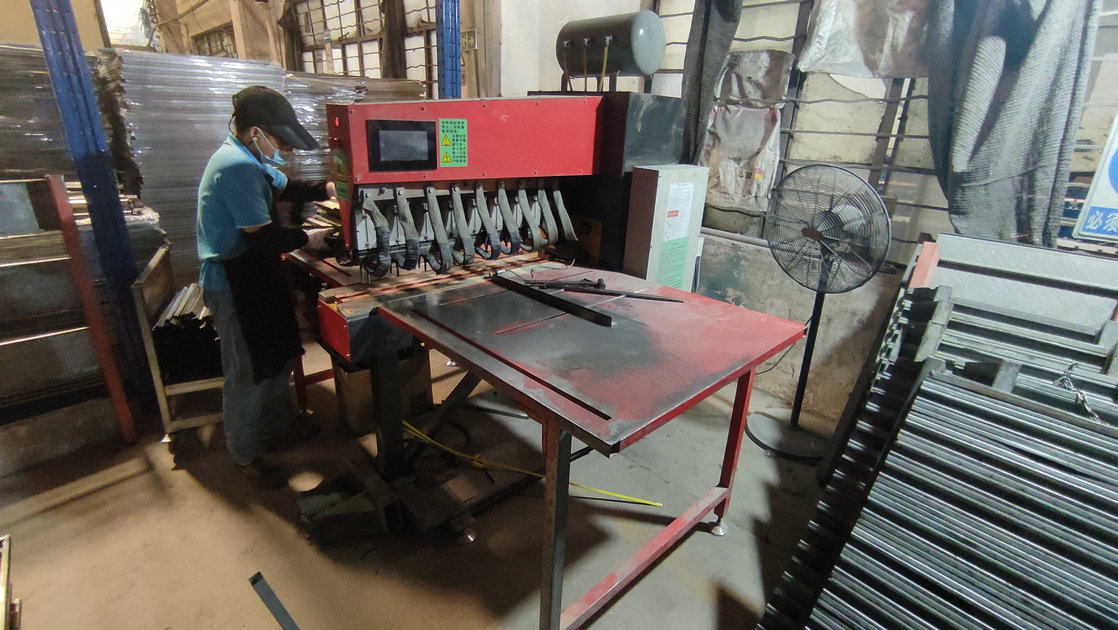
Established in 2018, Ningbo FutureSpace Logistics Technology Co., Ltd. operates a production base of 22,000 m². Backed by 8 years of sector expertise and 5 years of international market experience, our annual export revenue stands at $8.5 million. Our quality assurance framework strictly follows SGS and ISO9001 standards, implementing raw material tensile testing and robotic weld seam inspection managed by 22 certified quality technicians. Operating through combined direct export and international trade partner channels, our key markets span Australia, North America, and Eastern Europe. Supported by over 420 upstream supply chain partners, we primarily serve industrial equipment wholesalers, regional logistics hubs, and manufacturing warehouses. Powered by 28 skilled R&D engineers, we provide tailored OEM custom sizes, specialized powder coating finishes, and modular rack designs, successfully rolling out 65 new product lines in the past year.
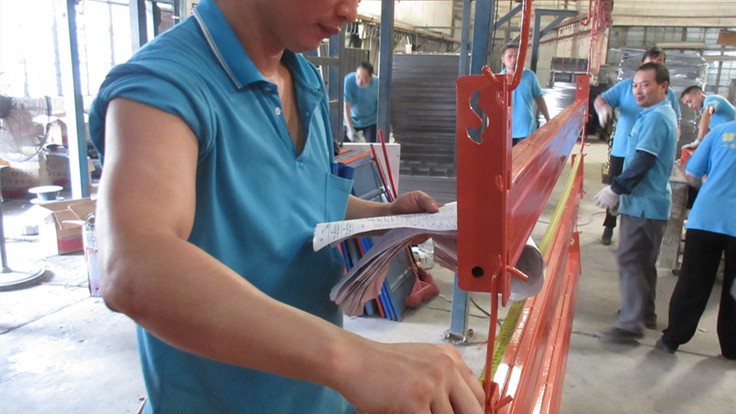
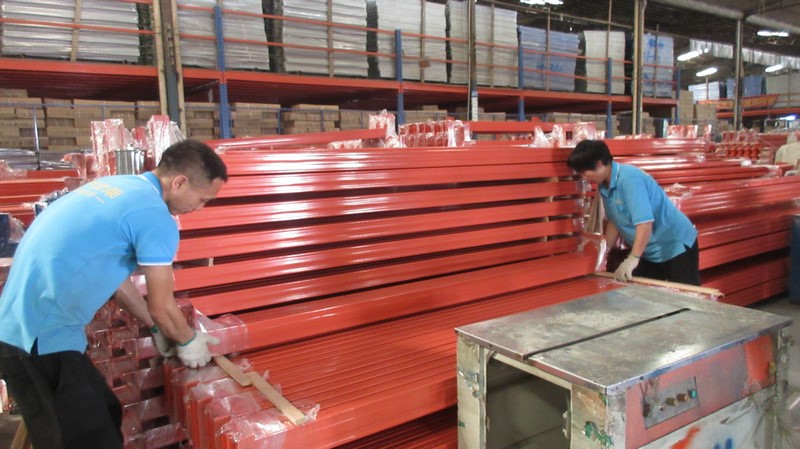
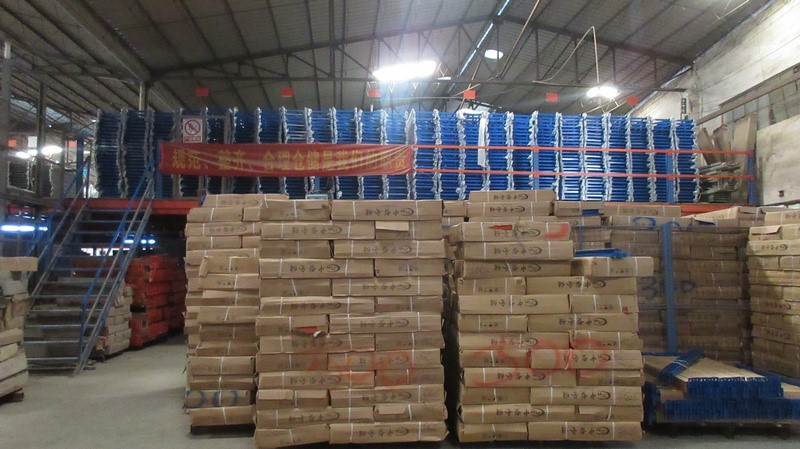
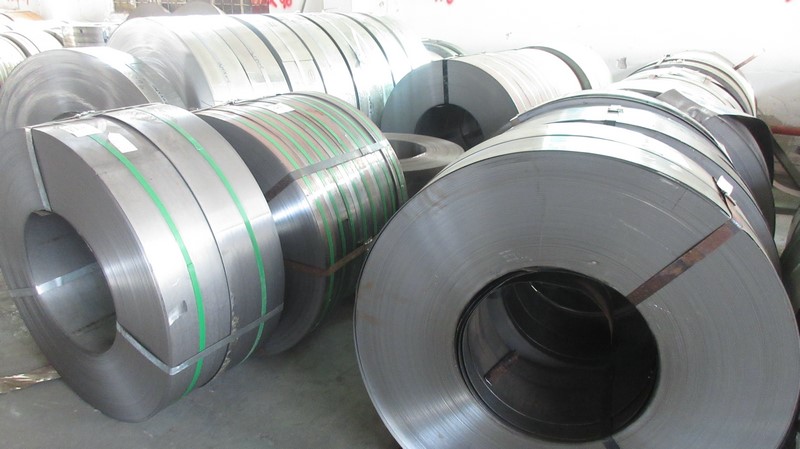
Tracing raw steel through precise CNC processing, robotic welding, electrostatic coating, and systematic quality assurance checks.
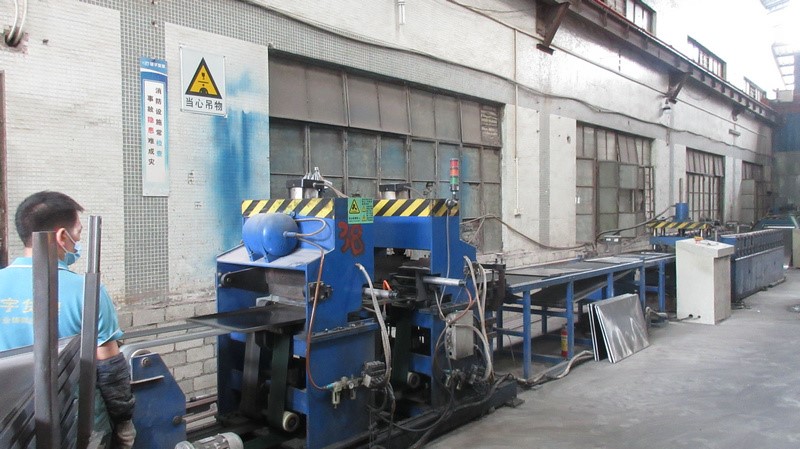
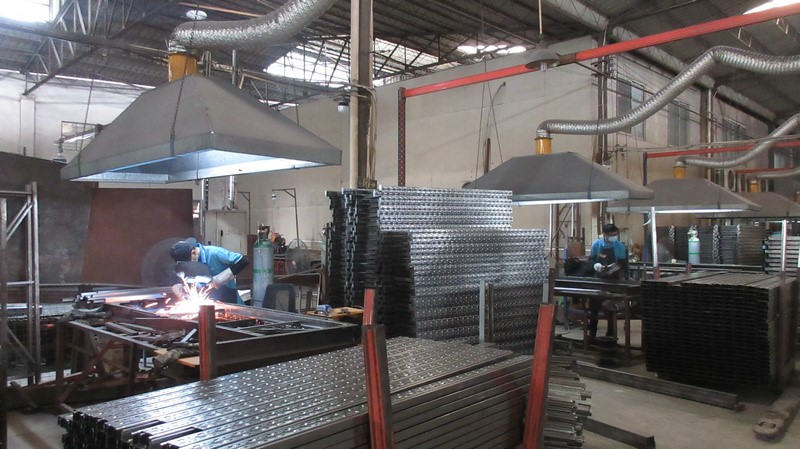
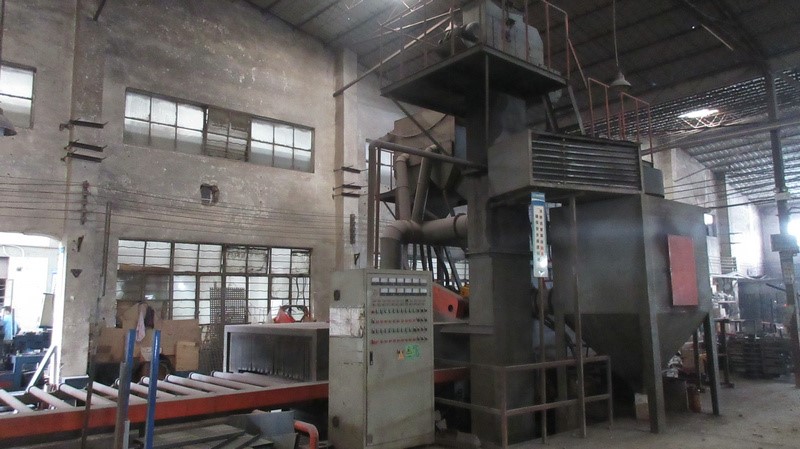
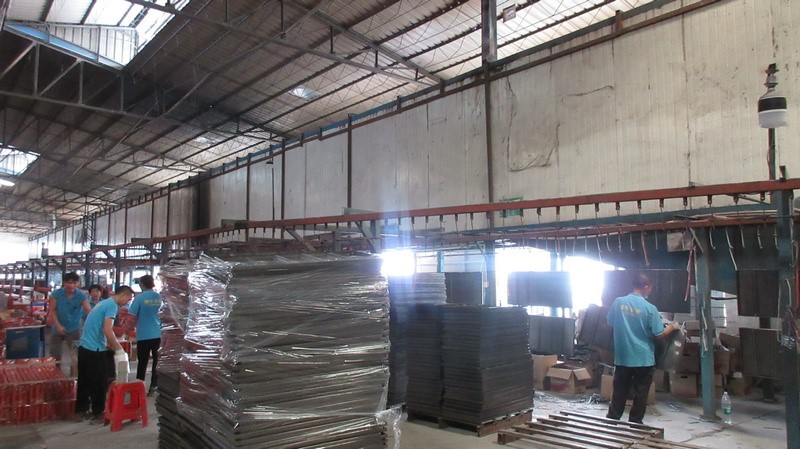
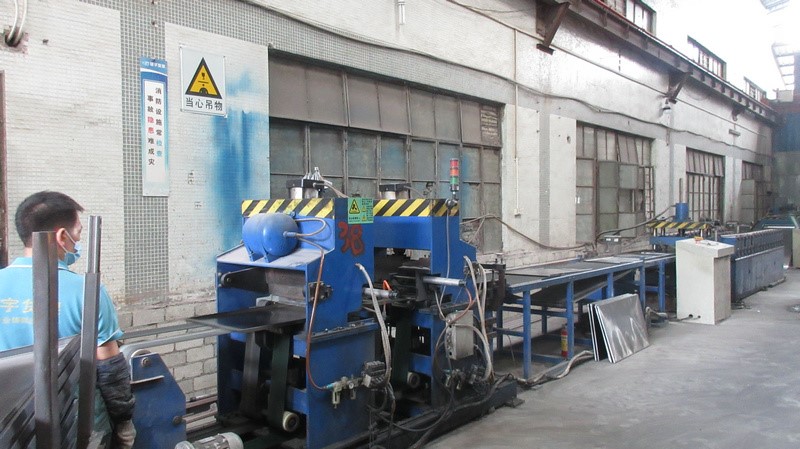
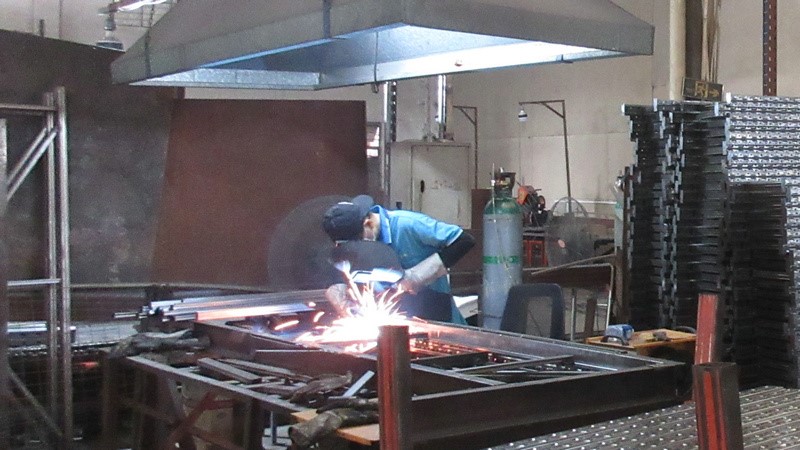
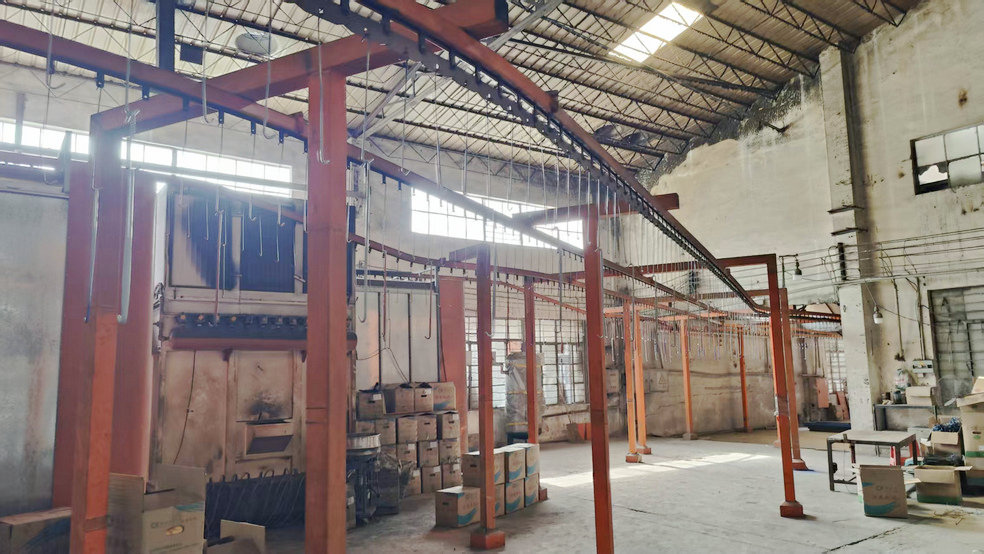
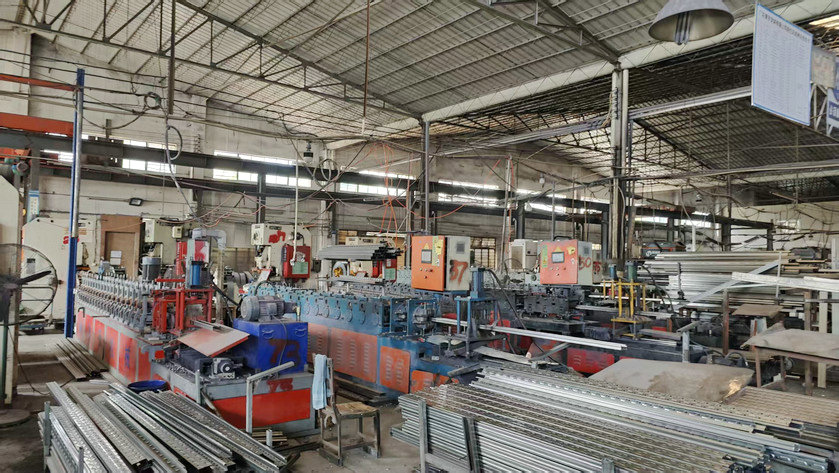
Innovative trajectories shaping the next generation of retail display systems in highly automated logistics channels.
The supermarket shelf is transforming from static metal storage into an active IoT interface. Future developments include gravity-sensor layers and digital weight-sensitive panels that communicate stock levels to inventory software in real-time. This minimizes manual audits and prevents stockouts in high-volume categories.
Additionally, modern gondolas are designed to integrate electronic shelf labels (ESLs) via plug-and-play power tracks, allowing stores to adjust pricing instantly across multiple channels.
With Canadian corporate mandates prioritizing net-zero carbon footprints, retail infrastructure must adapt. Our engineering pipeline is prioritizing the reduction of raw material emissions through carbon-efficient processing. We are testing biodegradable corrosion inhibitors and transitioning to zero-VOC coatings that produce no toxic emissions.
Modular systems are also being redesigned for longer operational life. Components can be refurbished or reconfigured instead of replaced, supporting the transition to a circular retail economy.
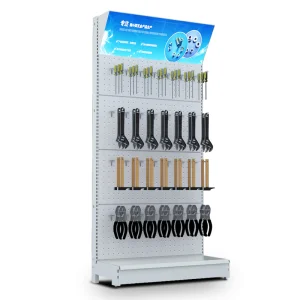
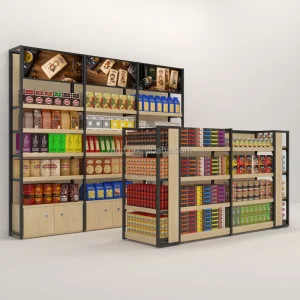
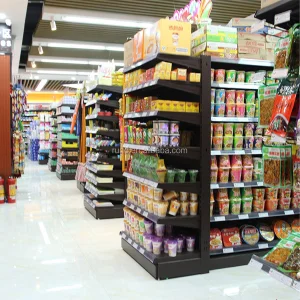
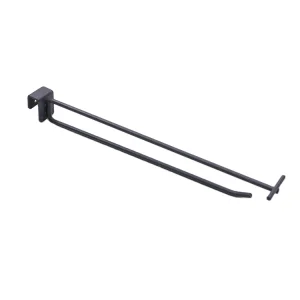
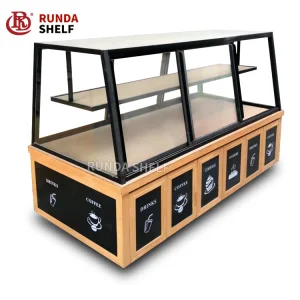
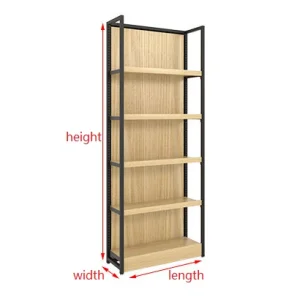
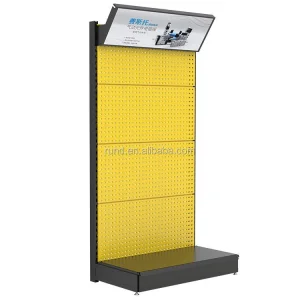
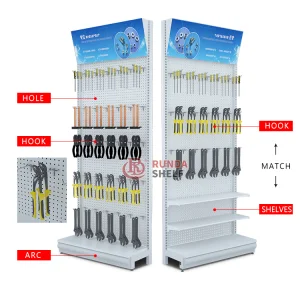
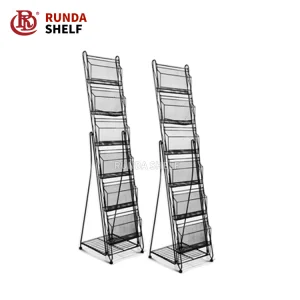
Explore our complete catalog of retail displays, bakery units, heavy metal racks, and pegboard display units.
A manual on mitigating supply chain volatility and minimizing freight costs when buying direct from China.
Shipping bulk metal shelving from our Ningbo base to Canada requires optimization of sea freight corridors. The primary ocean route runs from Ningbo Port (Zhejiang) to the Port of Vancouver or the Port of Prince Rupert in British Columbia, typically taking 14 to 20 days. For Ontario and Quebec buyers (Toronto, Montreal), we use intermodal rail transfers (via CN or CP Rail) to transport containers inland efficiently.
Alternatively, shipments can travel through the Panama Canal to Eastern Canadian ports like Montreal or Halifax for direct maritime delivery, minimizing transshipment handling.
Navigating Canadian customs requires correct tariff classification and strict compliance. Shelving systems fall under specific Harmonized System (HS) codes, which dictate applicable duties. Our logistics specialists compile all required paperwork—including detailed bills of lading, material test certificates, packing lists, and certified Certificates of Origin—to ensure smooth customs clearance and avoid unexpected demurrage costs.
We work closely with Canadian customs brokers to ensure compliance with the CBSA (Canada Border Services Agency) and to protect imports from anti-dumping actions on imported steel fabrications.
Expert answers to critical procurement, compliance, and custom design questions for the Canadian market.
 FutureSpace Rack