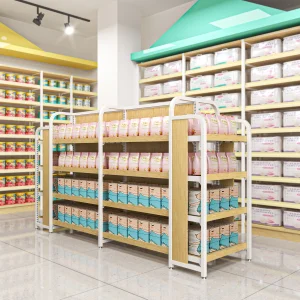
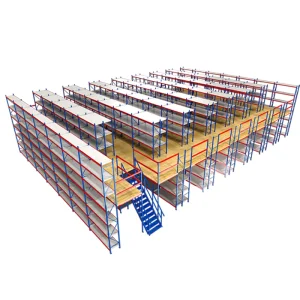
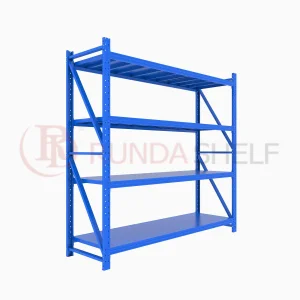
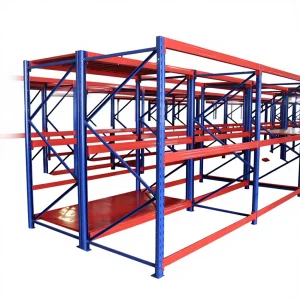
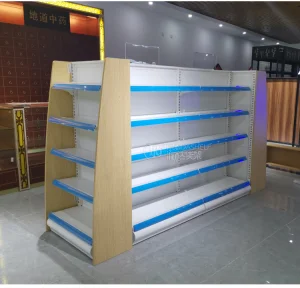
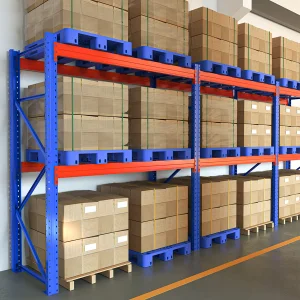
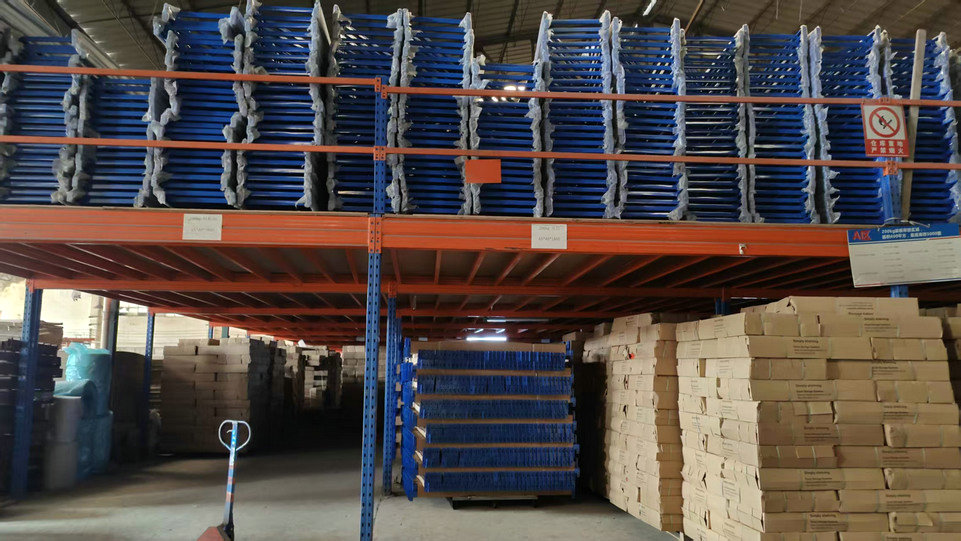
Designed for immediate deployment in San Francisco Bay Area commercial settings, balancing spatial elegance and modular loading integrity.
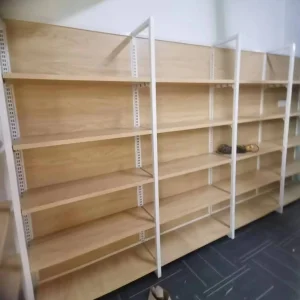
The San Francisco Bay Area represents one of the most dynamic yet challenging retail landscapes globally. With commercial real estate valuations hovering near historic highs and a dense urban layout that forces supermarkets, specialty grocers, and convenience stores to maximize every square inch of floor area, the choice of supermarket accessories and structural fixtures is critical. Retailers are moving away from traditional, bulky storage towards high-yield, smart configurations. Hybrid steel-and-wood shelving, customized gondola systems, and durable, ergonomic material-handling tools are no longer secondary concerns—they are foundational to operational profitability and consumer throughput.
For suppliers catering to the San Francisco market, understanding local commercial nuances is essential. The demand is heavily characterized by small-format stores, organic grocers, boutique pharmacies, and micro-fulfillment logistics hubs. These operations require flexible shelf depths, optimized product presentation, and robust structural components capable of frequent configuration changes. Furthermore, the aesthetic demands of San Francisco consumers push retailers toward hybrid textures—such as marrying natural wood aesthetics with high-tensile cold-rolled steel structures—presenting a modern, eco-friendly look while maintaining commercial load capacities.
A critical element of procuring supermarket and warehouse storage structures in Northern California is adherence to the California Building Code (CBC) Title 24, along with strict Occupational Safety and Health Administration (OSHA) regulations. Given the high seismic activity along the San Andreas and Hayward faults, commercial shelving and warehouse mezzanine systems must be engineered with specific seismic design categories (SDC D, E, or F). This requires calculated anchoring systems, precise steel grade compositions (such as Q235B high-yield structural steel), and tensile-tested load margins.
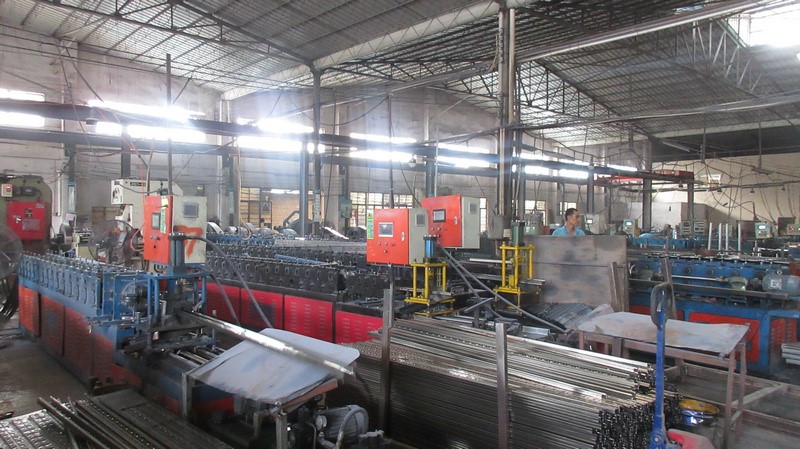
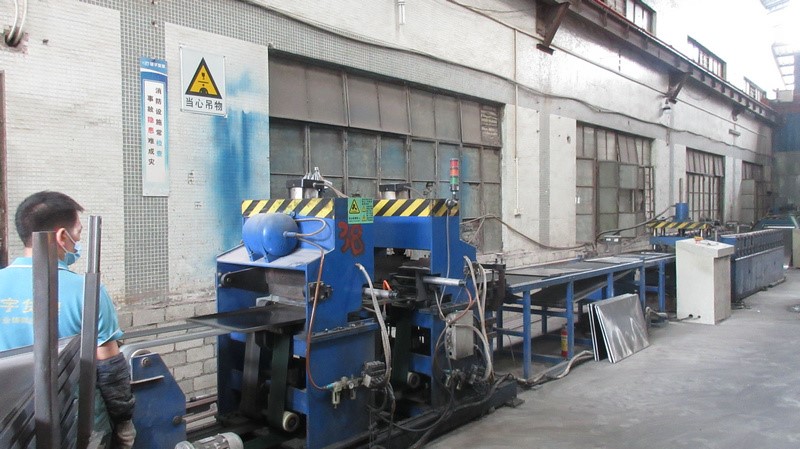
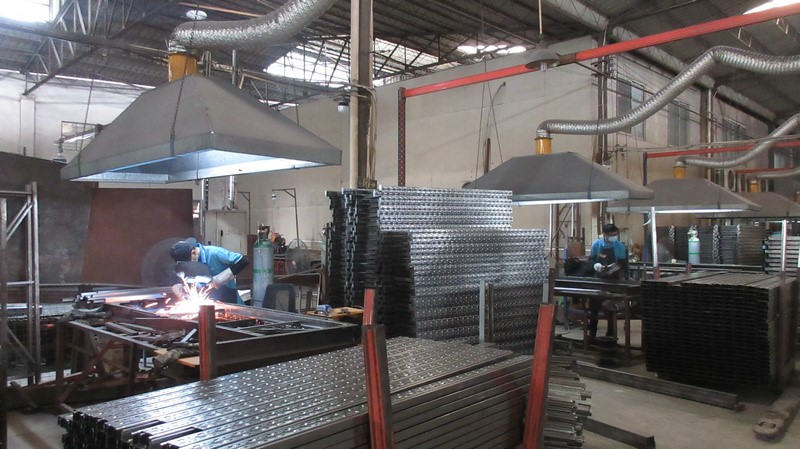
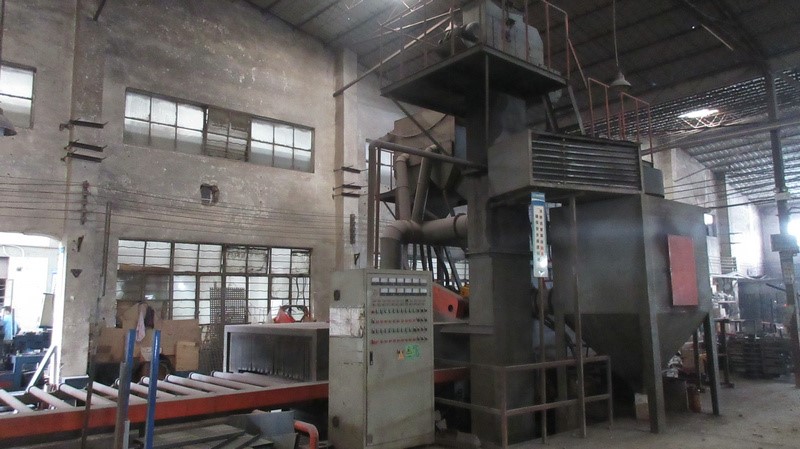
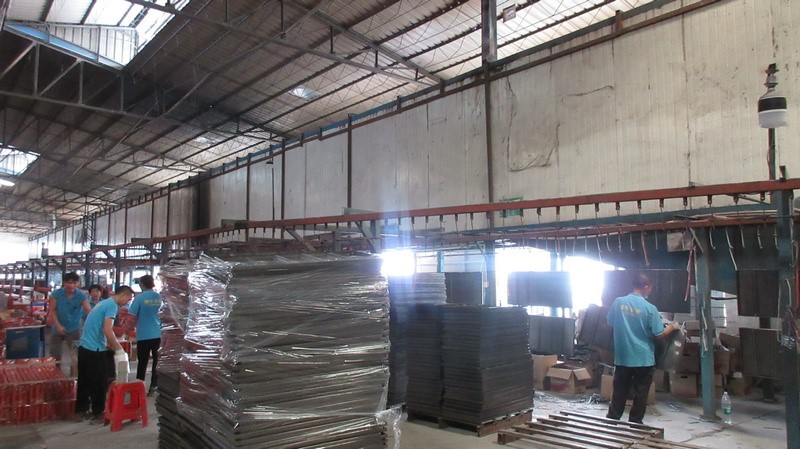
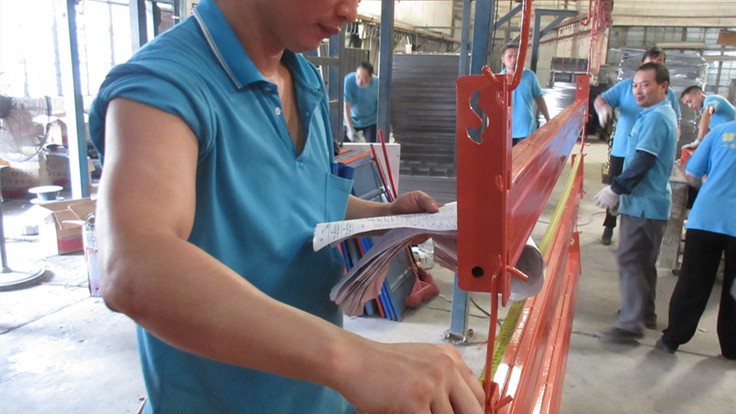
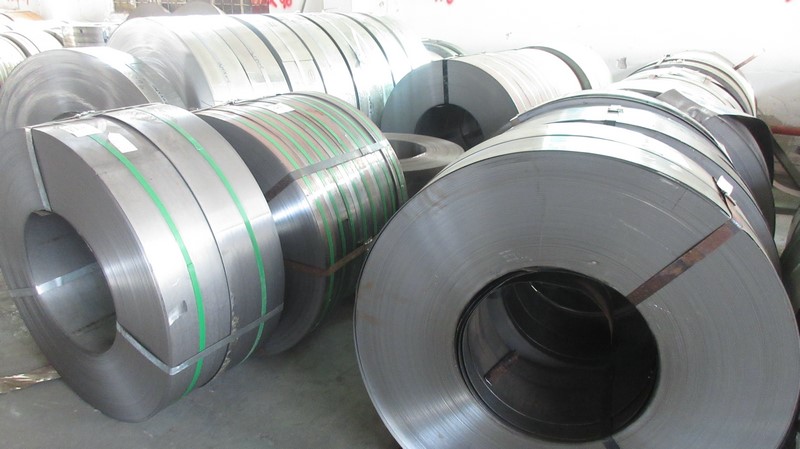
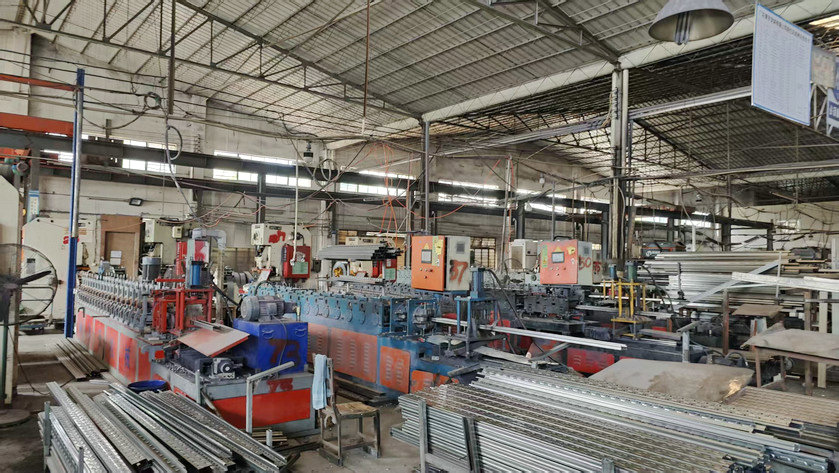
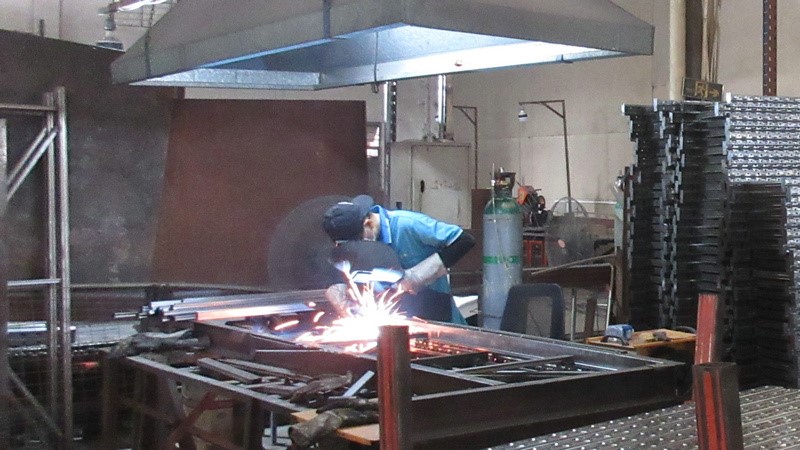
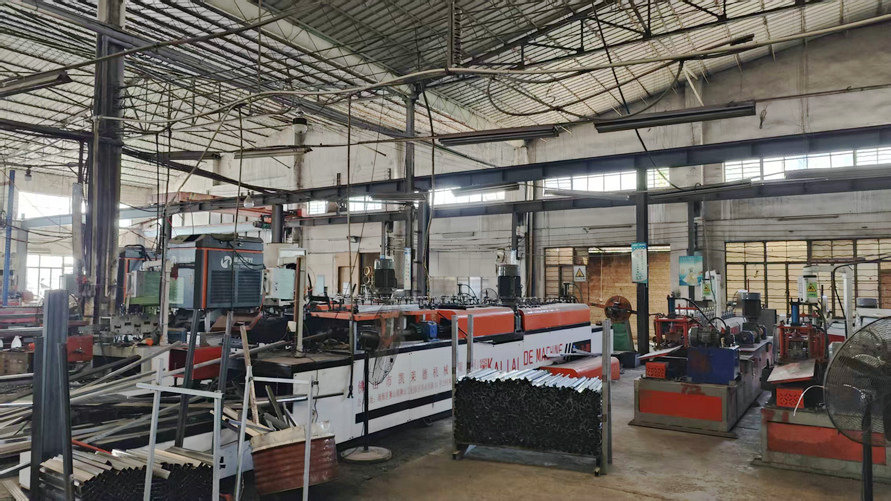
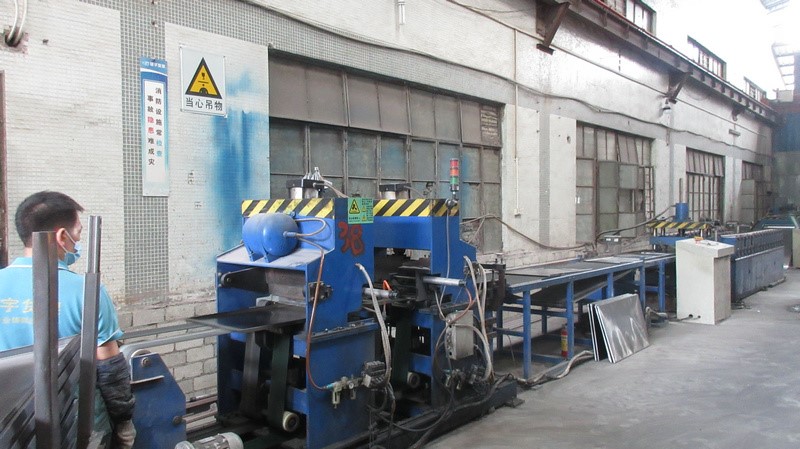
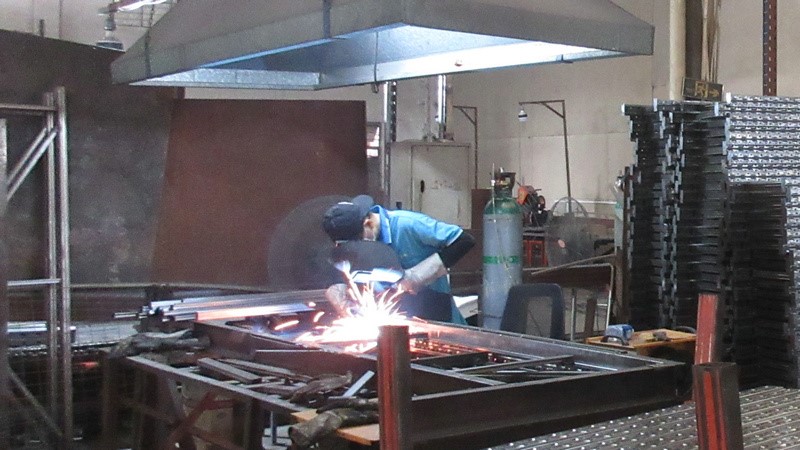
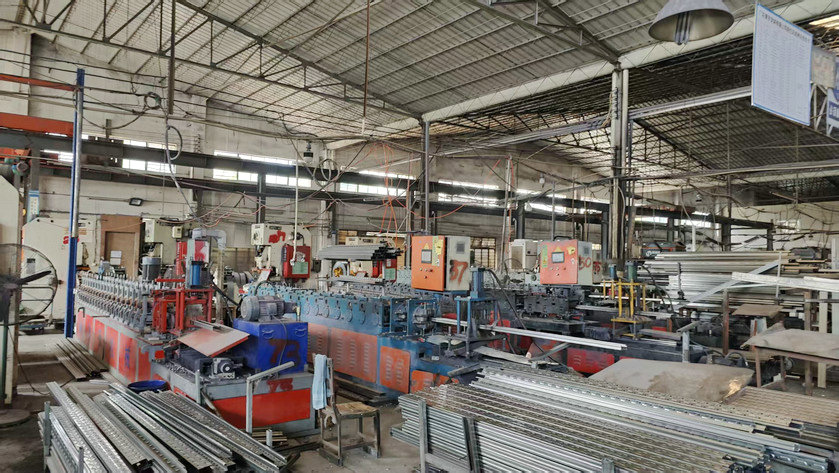
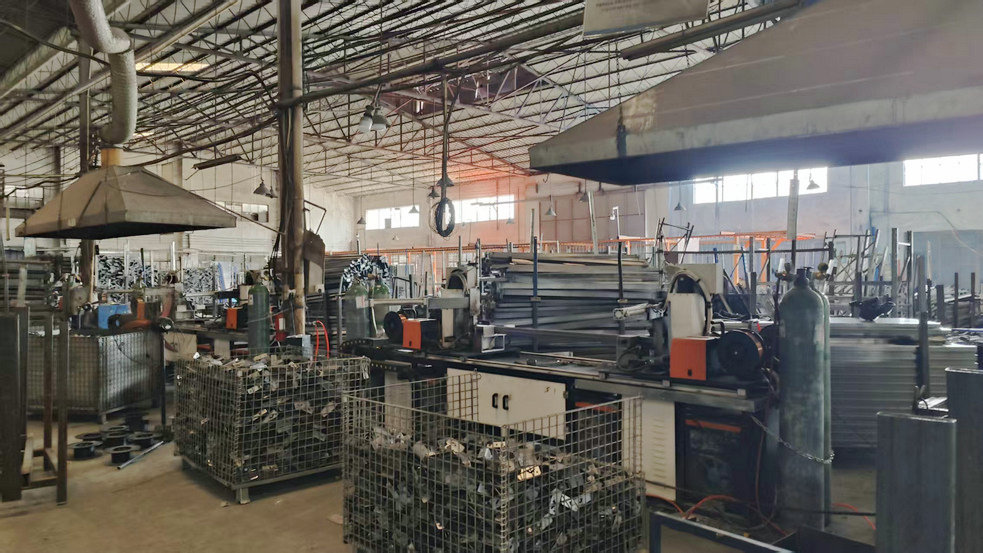
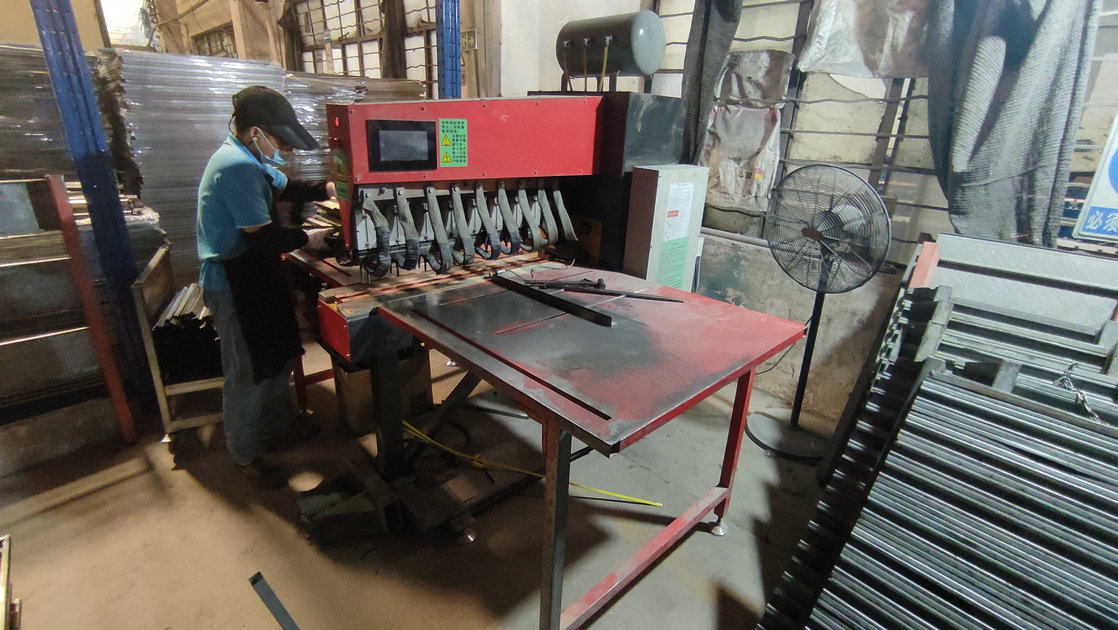
Ningbo FutureSpace Logistics Technology Co., Ltd. addresses these regulatory requirements directly. By performing rigorous raw material tensile testing and using robotic weld seam inspection methodologies overseen by 22 certified quality technicians, we supply supermarket accessories and metal racks that easily pass local structural inspections and permit audits. Standard structural posts are optimized for seismic anchoring, ensuring that mid-to-high display components resist horizontal shear forces.
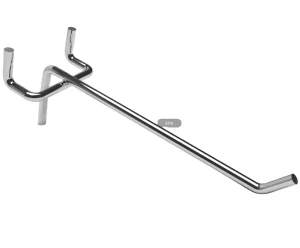
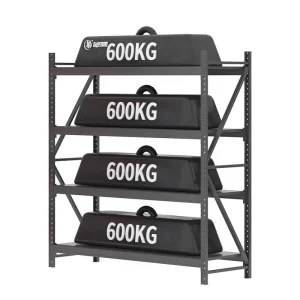
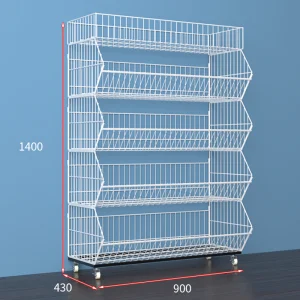
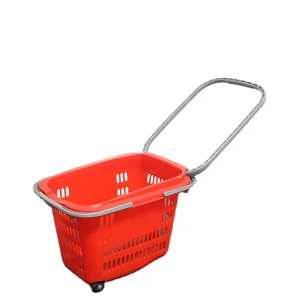
Engineered to handle intensive load requirements while maintaining mobility and space efficiency in boutique environments.
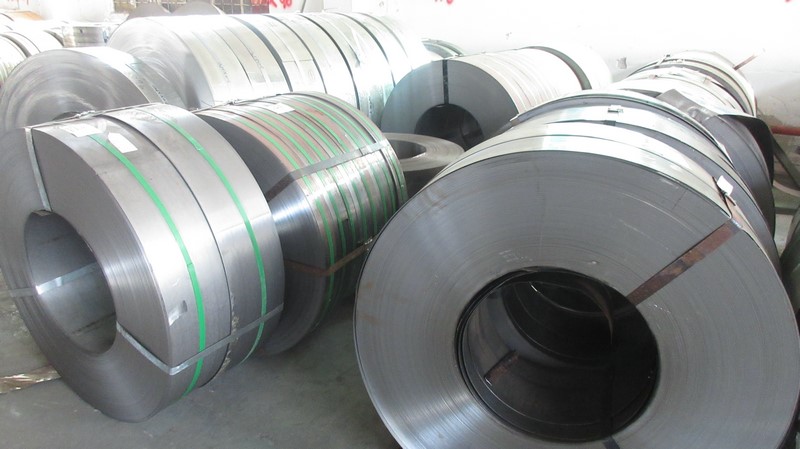
How Ningbo FutureSpace Logistics Technology Co., Ltd. ensures durability and conformance to international commercial standards.
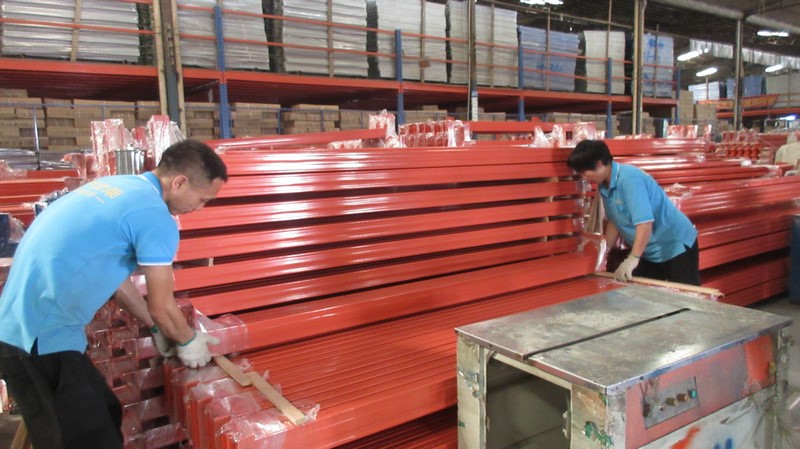
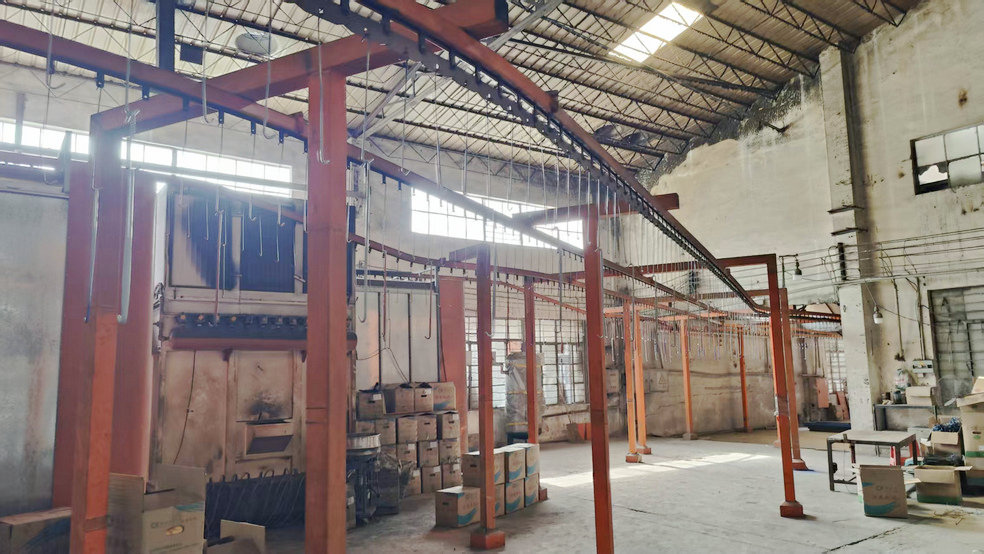
Established in 2018, Ningbo FutureSpace Logistics Technology Co., Ltd. combines 8 years of industrial expertise with 5 years of international market experience to deliver high-capacity commercial equipment. Serving a diverse global market that includes Australia, North America, and Eastern Europe, we design systems specifically suited to high-density environments like San Francisco. Our internal QA framework operates under ISO9001 and SGS accreditation, utilizing automatic raw material testing and precision robotic welding.
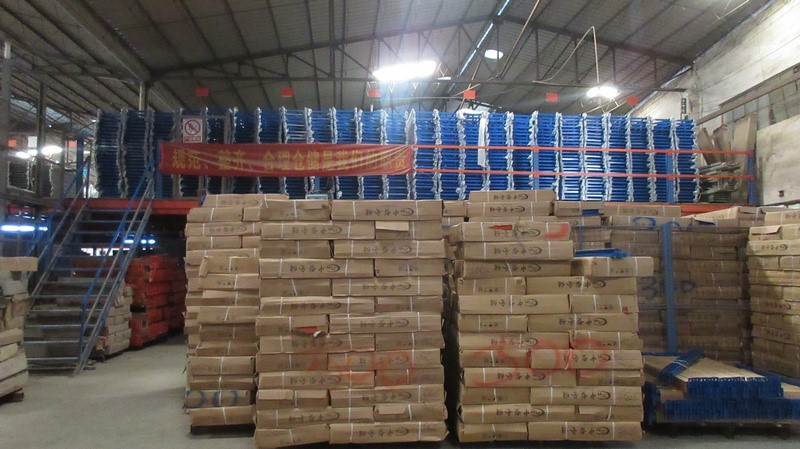
For regional logistics hubs and enterprise buyers across Northern California, procurement efficiency depends heavily on transit times and port logistics. Ningbo FutureSpace Logistics Technology Co., Ltd. utilizes our proximity to the Port of Ningbo to optimize transport loops. For deliveries bound for the San Francisco market, ocean freight routing is direct to the Port of Oakland, bypassing the congestion of Southern California ports like LA or Long Beach.
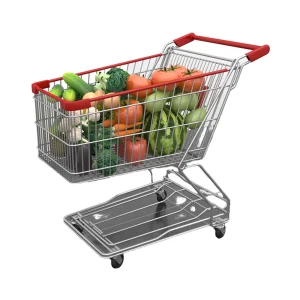
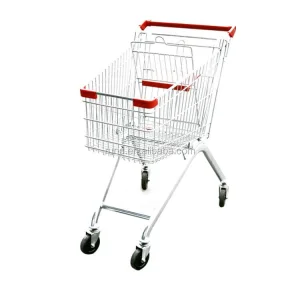
This direct routing cuts down on intermodal rail transit and domestic trucking costs, allowing retail customers to receive their shelving, shopping carts, and mezzanine racks within tight construction deadlines. In addition, our factory coordinates customs documentation, ocean booking, and door-to-door delivery (DDP), providing San Francisco supermarket networks with a reliable, streamlined procurement path.
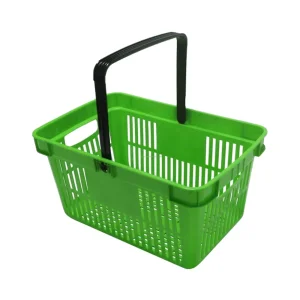
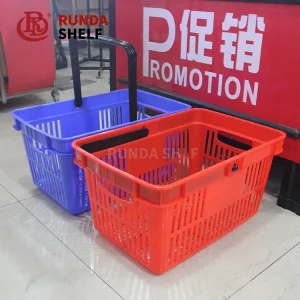
Modern retail spaces require a high standard of material hygiene. Under current FDA recommendations and local health standards in San Francisco, plastic items like our 50L PP shopping baskets and modular displays are manufactured from food-grade, high-density polyethylene (HDPE) or polypropylene (PP). These materials are chosen for their high impact resistance, chemical wash endurance, and recyclability.
Additionally, metal shelves and wire baskets are coated with non-toxic, lead-free polyester powder finishes. This process ensures resistance to scratches, environmental humidity, and chemical cleaners, while preventing rust and degradation. This design prolongs the service life of our fixtures, lowering the total cost of ownership (TCO) for grocery operations.
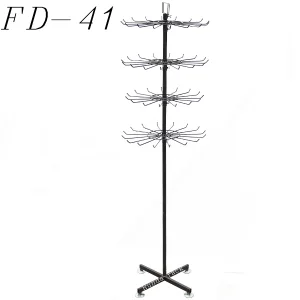
Explore our full line of storage racks, specialty merchandise stands, and structural mezzanine equipment designed for modern warehouses and retail environments.
As environmental regulations tighten across California, supermarket operators are actively seeking equipment options that support corporate carbon-neutrality initiatives. The focus is shifting toward structural designs with lower carbon footprints, using recycled raw metals and energy-efficient manufacturing processes. Our long-term technology plans are aligned with these trends, incorporating eco-friendly practices across our product development cycles.
At Ningbo FutureSpace, we are exploring the use of post-consumer recycled plastics in our shopping baskets and cart lines. We are also optimizing steel geometries using Finite Element Analysis (FEA) to reduce overall material weight while maintaining maximum load ratings. In addition, we are designing modular displays to integrate with smart retail technologies, such as electronic shelf labels (ESL) and integrated LED lighting, helping retail operations optimize their floor layouts.
Detailed technical and logistics support answers for procurement officers in the San Francisco Bay Area.
Yes. Our heavy-duty racking and gondola systems are engineered using high-tensile Q235B steel, which meets standard seismic calculations. For commercial installations in San Francisco, we can provide structural data and footplate configurations suitable for securing fixtures to concrete slab foundations in SDC D-F zones.
Standard manufacturing turnaround times average 25 to 35 days, depending on custom requirements and order volume. Transpacific transit from Ningbo Port to the Port of Oakland typically takes between 18 and 22 days, followed by quick customs clearance and local trucking directly to Bay Area facilities.
Yes, our design department supports custom OEM color Matching (via RAL or Pantone systems) using our automated powder-spraying line. We also offer natural and composite wood panel inserts to match specific retail interior designs.
We perform raw material tensile tests on incoming steel shipments to ensure yield limits. Additionally, we run physical load tests on fully assembled upright frames and beam connectors, verifying weight tolerances under SGS and ISO9001 quality guidelines.
Yes. Our shopping baskets and plastic components are made from 100% virgin, high-grade polypropylene without harmful additives, meeting California's Prop 65 requirements and FDA safety guidelines for food-contact environments.
Get in touch with our engineering team for custom drawings, seismic structural specifications, and direct container shipping quotes for the San Francisco market.
 FutureSpace Rack