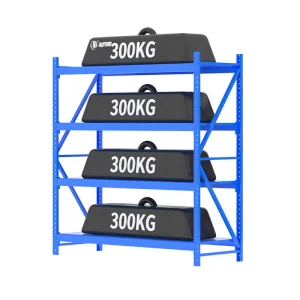
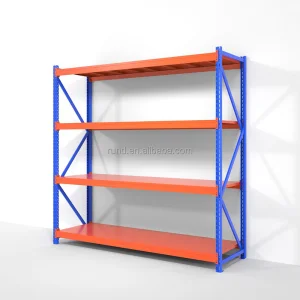
Engineered to comply with local Gulf standards and load capacity constraints, our core product lineup represents top-tier Chinese manufacturing efficiency.
The Kingdom of Saudi Arabia is undergoing an unprecedented logistical renaissance. Historically positioned at the crossroads of three continents (Asia, Europe, and Africa), KSA is leveraging its geographic advantage to transform into the ultimate global logistics hub. Driven by the ambitious Saudi Vision 2030, the National Industrial Development and Logistics Program (NIDLP) has catalyzed extensive investments in industrial infrastructure. Economic zones like the King Salman Energy Park (SPARK), the Special Integrated Logistics Zone (SILZ) in Riyadh, and the MODON industrial cities in Dammam and Jeddah have seen a massive surge in demand for optimized warehousing systems.
In this high-growth landscape, storage systems are no longer treated as passive steel frameworks. Modern logistics demands high-density, smart, and dynamic structural configurations. Storage racks must now align with advanced Material Handling Equipment (MHE) and support rapid throughput requirements of e-commerce, third-party logistics (3PL), and domestic food distribution networks.
Supplying racking to Saudi Arabia requires a deep understanding of local environmental, regulatory, and industrial conditions:
Designing structures for Saudi Arabia requires strict adherence to local building codes, specifically the Saudi Building Code (SBC 301 - Structural). While central regions like Riyadh are seismically stable, coastal regions such as Jazan and Tabuk are located in active tectonic zones. Racking systems deployed in these areas must undergo rigorous seismic calculation under Finite Element Method (FEM 10.2.02) guidelines to prevent catastrophic failure.
Our engineering division designs system load charts using state-of-the-art structural calculation software. Column upright profiles, brace nodes, and base plates are customized based on the local soil class and wind-load metrics of the installation site. Additionally, we integrate safety features such as heavy-duty column guards, guide rails for Very Narrow Aisle (VNA) configurations, and high-performance safety locking pins to secure beams under heavy fork-truck impacts.
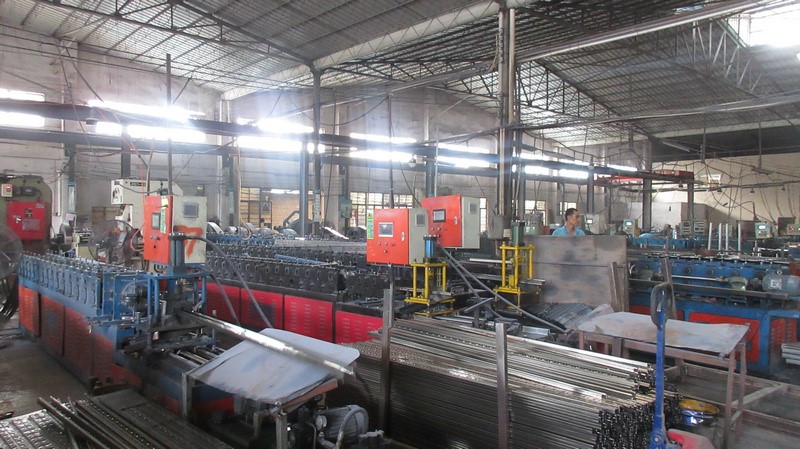
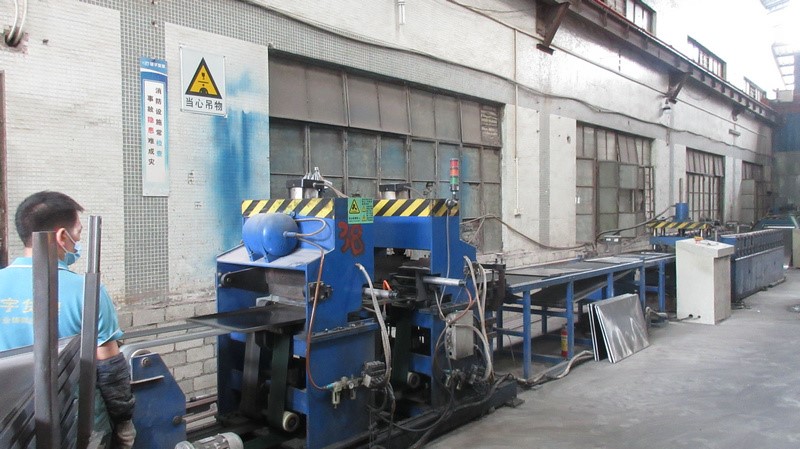
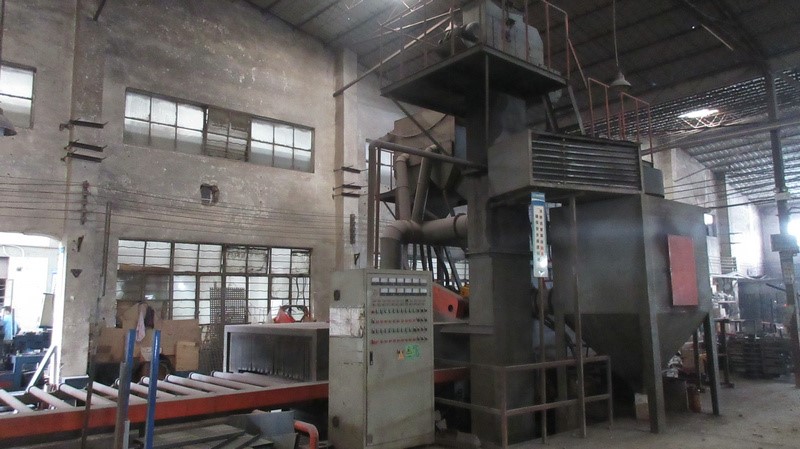
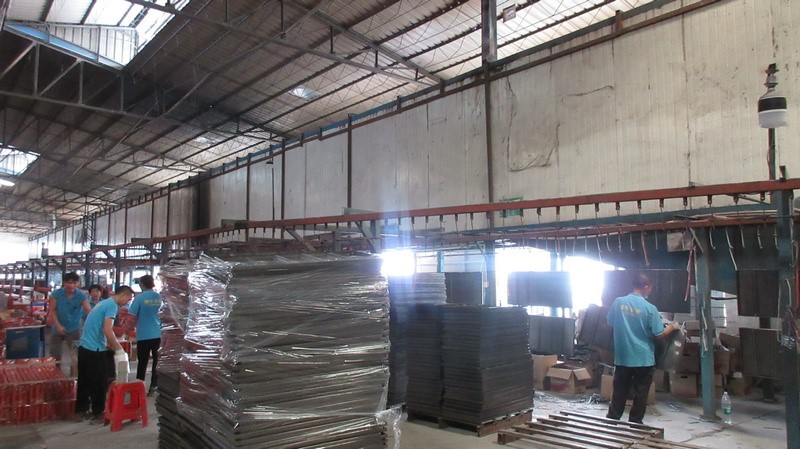
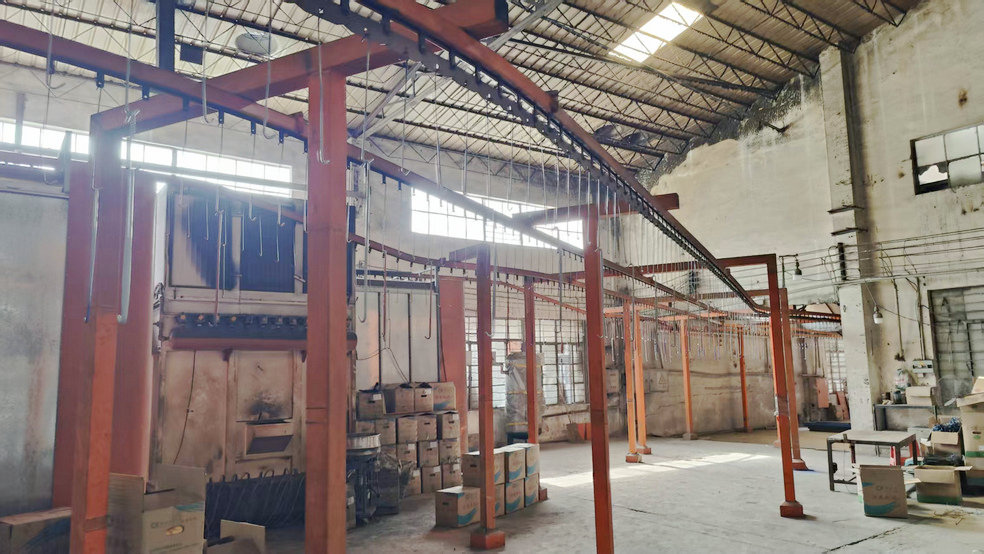
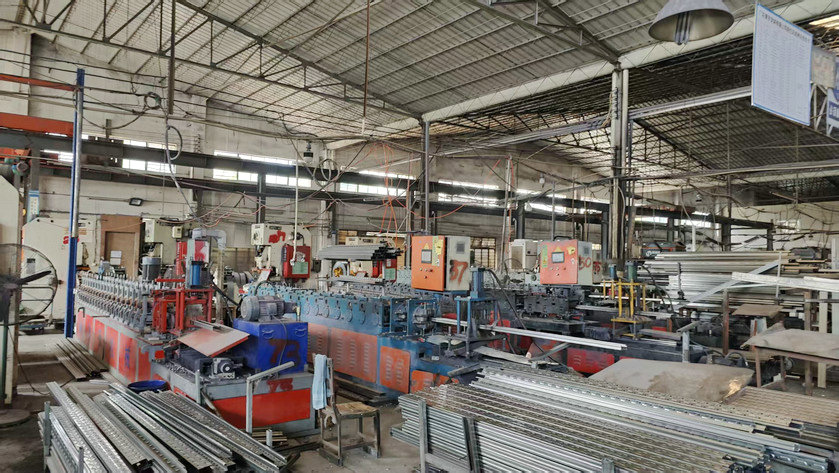
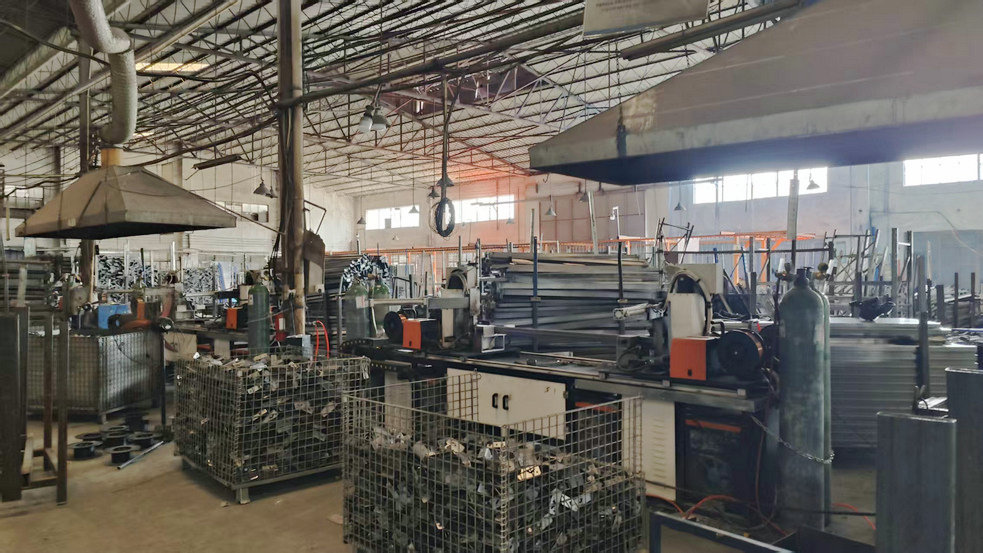
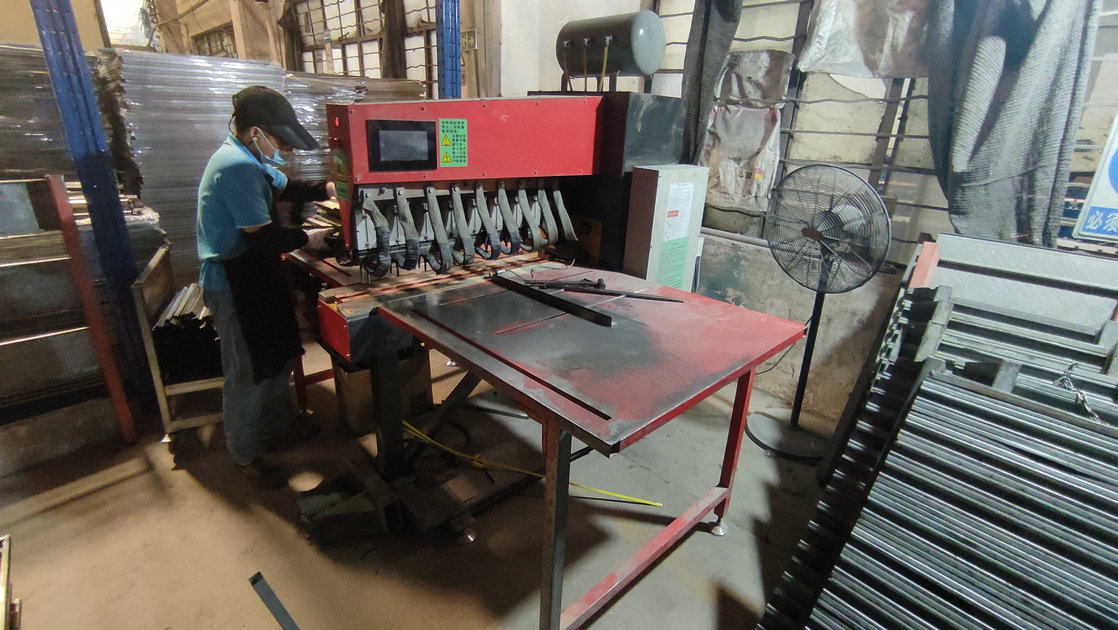
Established in 2018, Ningbo FutureSpace Logistics Technology Co., Ltd. has positioned itself as a premier manufacturing partner for heavy-duty industrial storage racks and retail shelving systems. Operating from our state-of-the-art 22,000 m² factory, we manage the complete lifecycle of our products, from raw material inspection to final coating application.
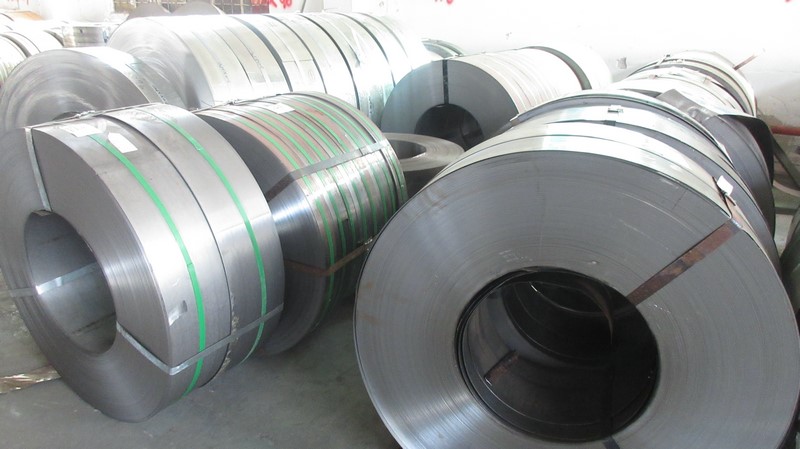
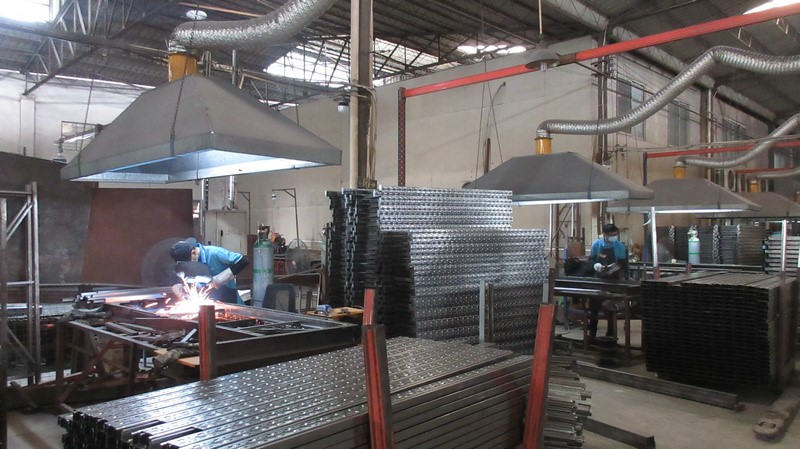
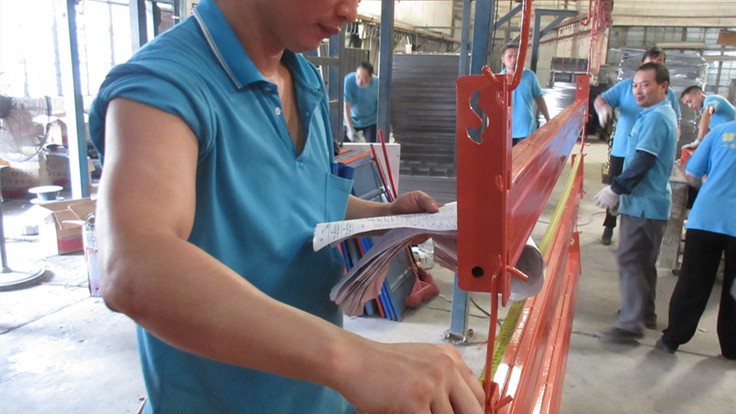
Our raw material sourcing is rooted in primary Chinese steel mills, utilizing verified Q235B and Q355B structural steel. By conducting rigorous tensile tests and employing automated robotic welding systems, we ensure that every weld seam is defect-free. This technical precision is overseen by 22 certified quality control technicians who monitor every step of the fabrication process.
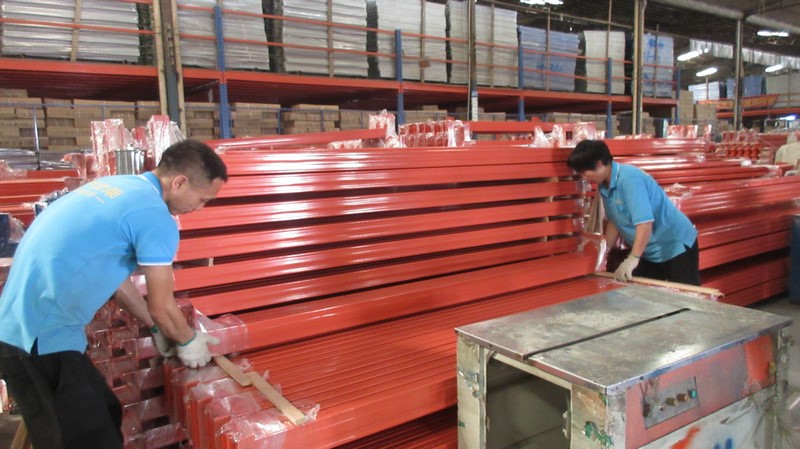
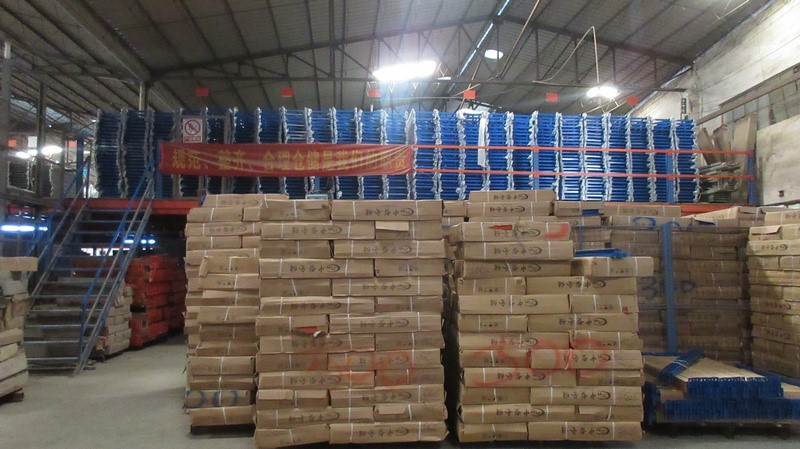
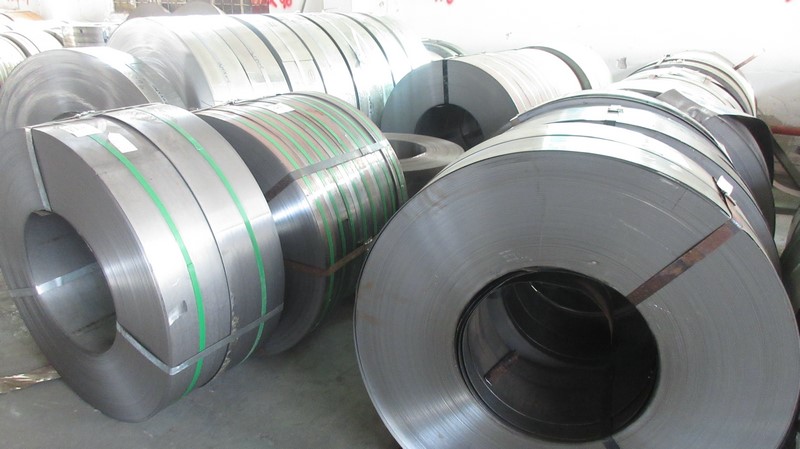
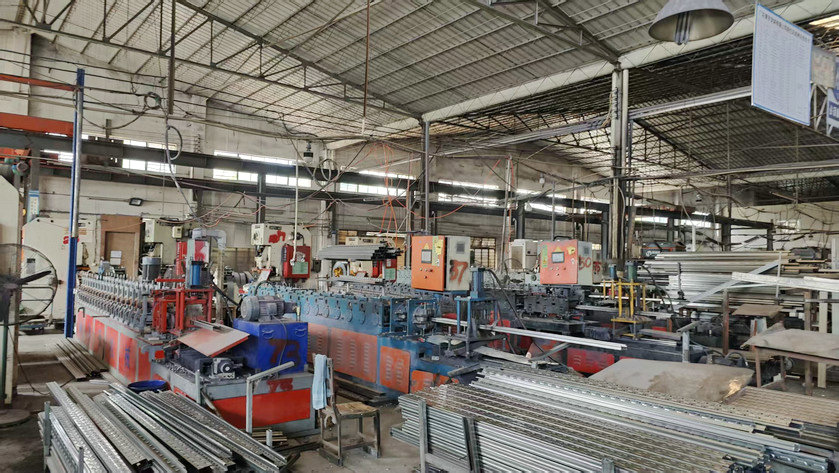
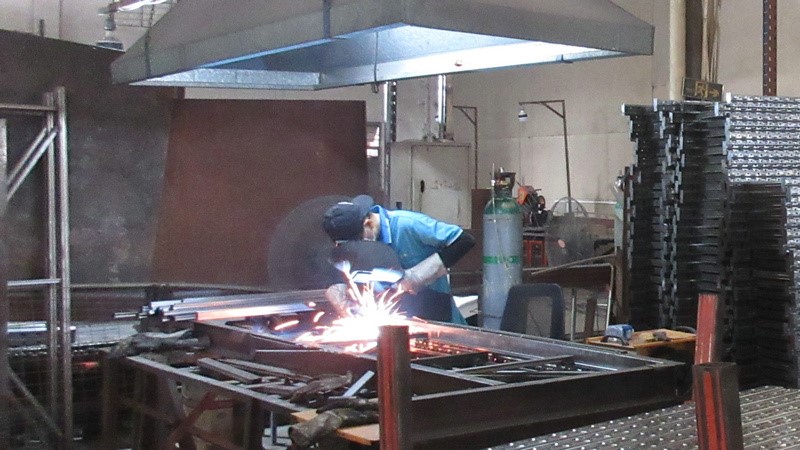
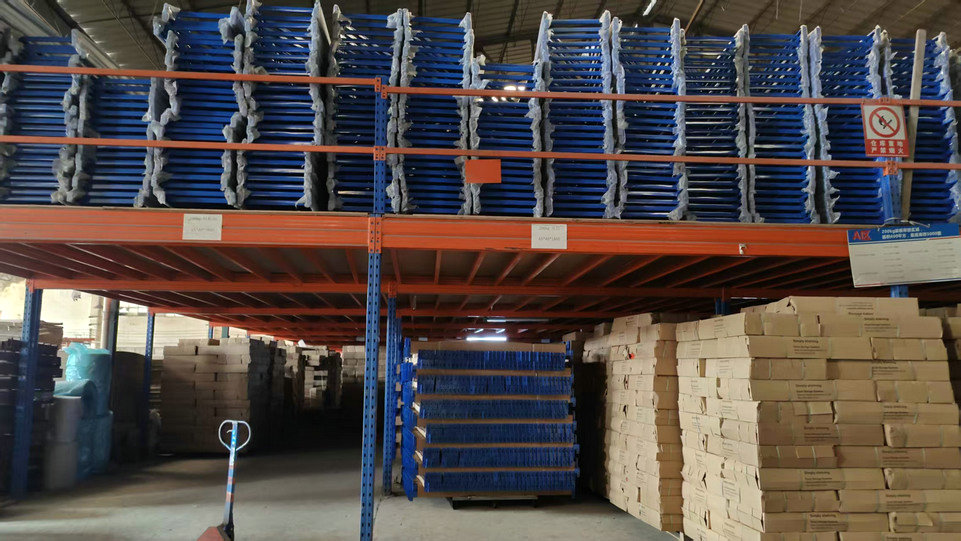
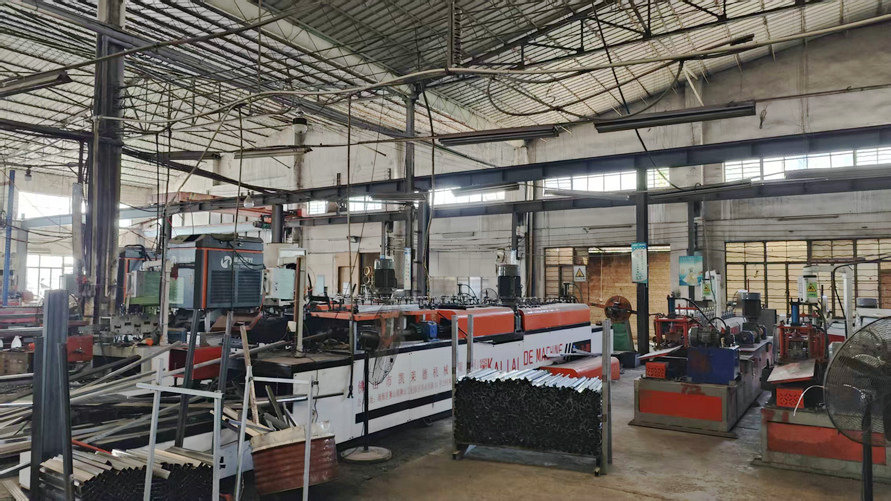
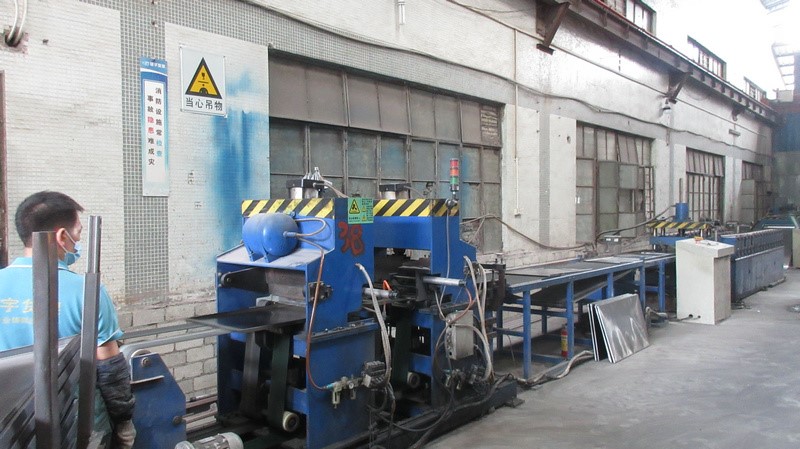
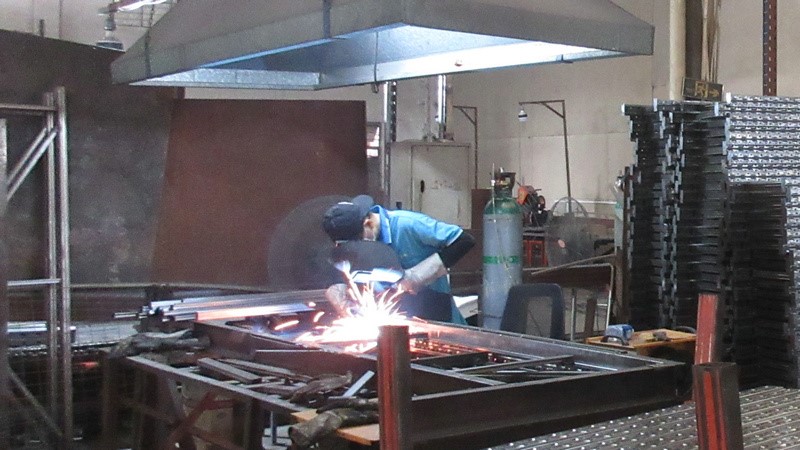
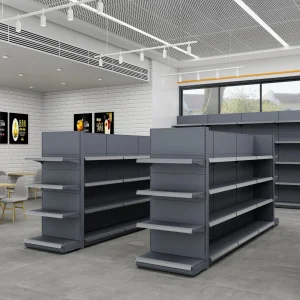
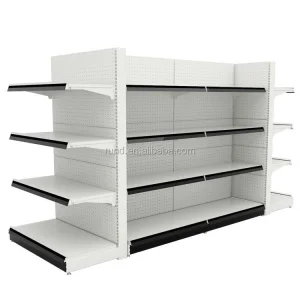
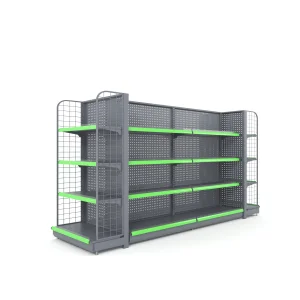
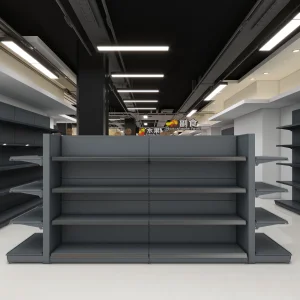
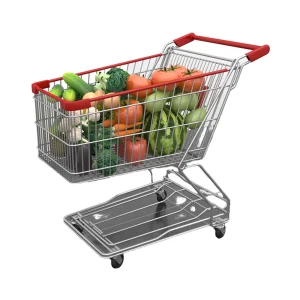
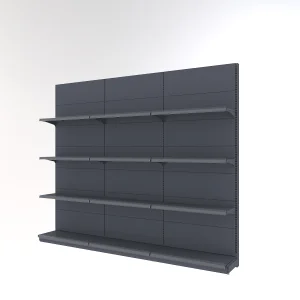
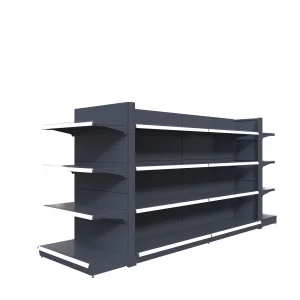
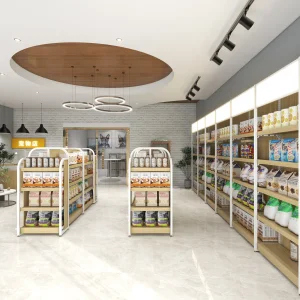
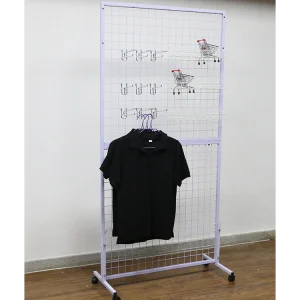
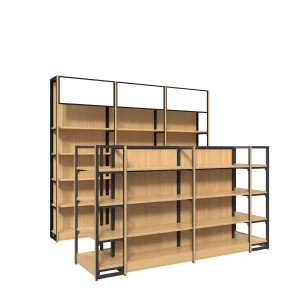
Designed for commercial boutiques, warehouse storage organization, and high-frequency retail environments across the Middle East.
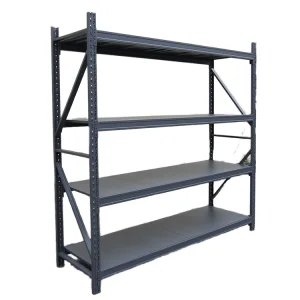
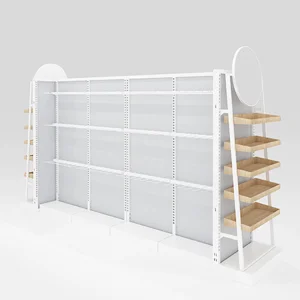
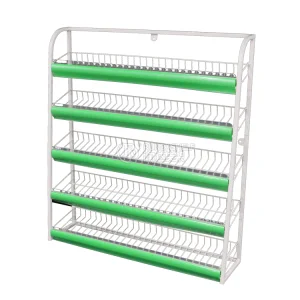
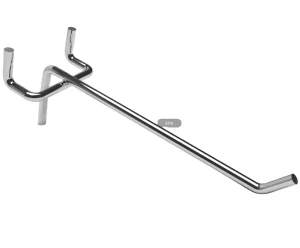
Ningbo is home to the world's busiest port in terms of cargo tonnage. By basing our primary export manufacturing hub in Ningbo, Ningbo FutureSpace Logistics Technology Co., Ltd. enjoys unparalleled logistics efficiency. This proximity allows us to streamline shipping paths directly to major Saudi ports, including King Abdulaziz Port in Dammam and Jeddah Islamic Port. The result is a substantial reduction in lead times, which typically range from 21 to 28 days for standard ocean freight.
Additionally, we work closely with over 420 upstream partners in China's industrial steel cluster. This collaborative network ensures that we can secure high-grade raw materials even during market fluctuations, offering stable pricing and reliable delivery timelines for large-scale warehouse development projects throughout the Gulf Cooperation Council (GCC) region.
Exporting structural steel components to Saudi Arabia requires adherence to technical regulations. The Saudi Standards, Metrology and Quality Organization (SASO) regulates all structural metal products imported into the Kingdom. Under the SABER system, manufacturers must register their products and secure both a Product Certificate of Conformity (PCoC) and a Shipment Certificate of Conformity (SCoc).
At Ningbo FutureSpace, our quality assurance systems align directly with ISO 9001 and SGS protocols. We provide the complete set of documentation required for SABER registration. This includes factory weld certification, load test records, raw material chemical and tensile test sheets, and structural engineering reports. Our compliance team ensures a smooth customs clearance process, preventing costly delays at the port of entry.
Contact our structural engineers today. We provide CAD layout designs, load calculations, and comprehensive compliance documentation tailored for SABER portal submissions.
Send Inquiry NowEssential insights for procurement managers, project engineers, and warehouse logistics directors sourcing racking systems for Saudi Arabia.
Explore our full line of retail display fixtures, heavy pallet systems, and commercial storage options designed to optimize floor space in KSA warehouses.
 FutureSpace Rack