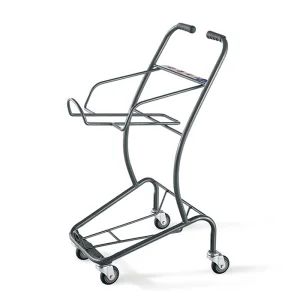
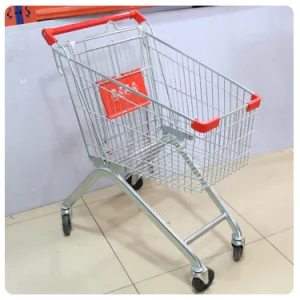
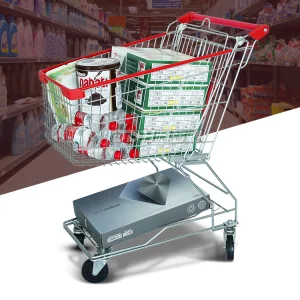
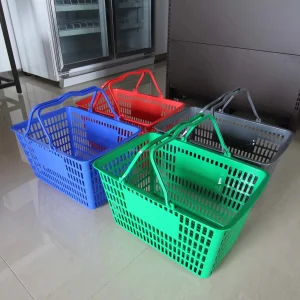
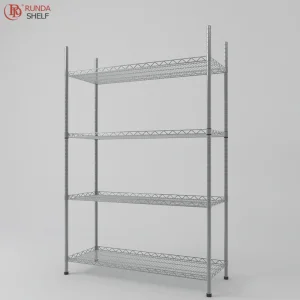
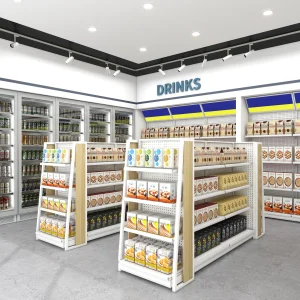
Engineered for cold-weather operations, intensive usage cycles, and seamless retail compatibility across regional supermarkets.
The retail ecosystem in Finland—dominated by large-scale alliances such as the S-Group (S-Ryhmä), K-Group (Kesko), and the growing footprint of international grocery chains—operates under some of the most demanding environmental and ergonomic conditions in the world. As urban spaces densify and sustainability becomes a core regulatory mandate under European Green Deal directives, supermarket shopping trolley infrastructure is no longer treated as simple mechanical equipment. It has evolved into a key element of the retail supply chain that directly impacts customer satisfaction, operational efficiency, and store safety.
In Finland, shopping trolleys face challenges that are unique to the Nordic region. In winter, temperatures can drop to -30°C in northern hubs like Oulu and Rovaniemi. This extreme cold causes standard plastics to become brittle and cracks structural components. Additionally, the heavy use of road salt (sodium chloride) and traction sand on car parks and pathways creates highly corrosive conditions for standard steel trolleys. As a leading shopping trolley exporter, Ningbo FutureSpace Logistics Technology Co., Ltd. addresses these challenges by incorporating advanced metallurgy, low-temperature impact-resistant polypropylene, and advanced surface coatings like hot-dip galvanization and electrophoresis to ensure a service life of over 10 years in harsh conditions.
"To satisfy the expectations of modern Nordic hypermarkets, a shopping trolley must balance extreme rust resistance with noise-reducing wheel configurations and ergonomic coin-locks to prevent asset loss and ensure smooth handling on ice-covered parking lots."
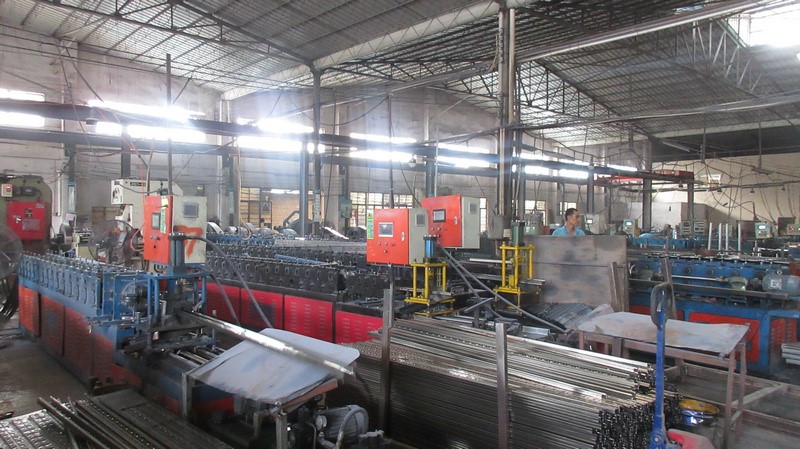
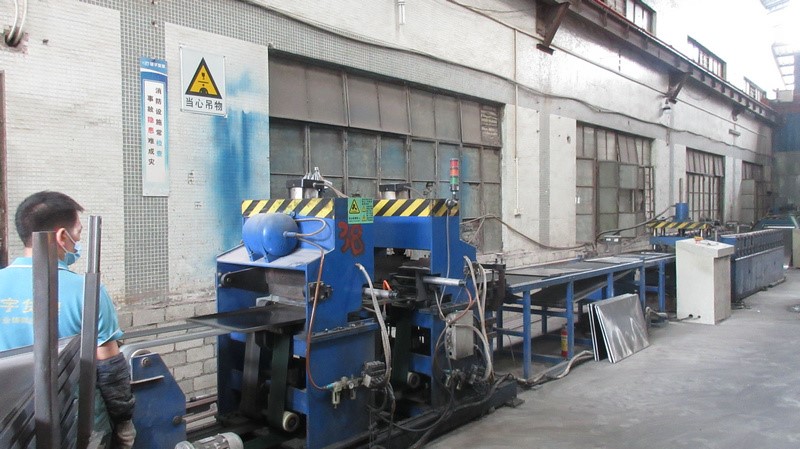
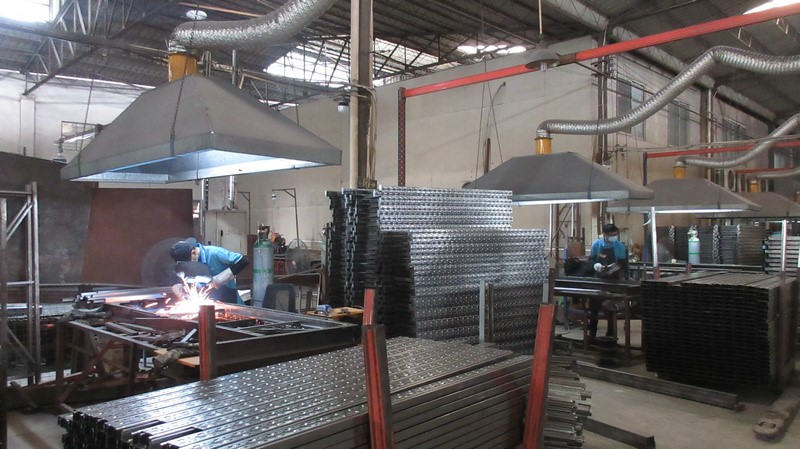
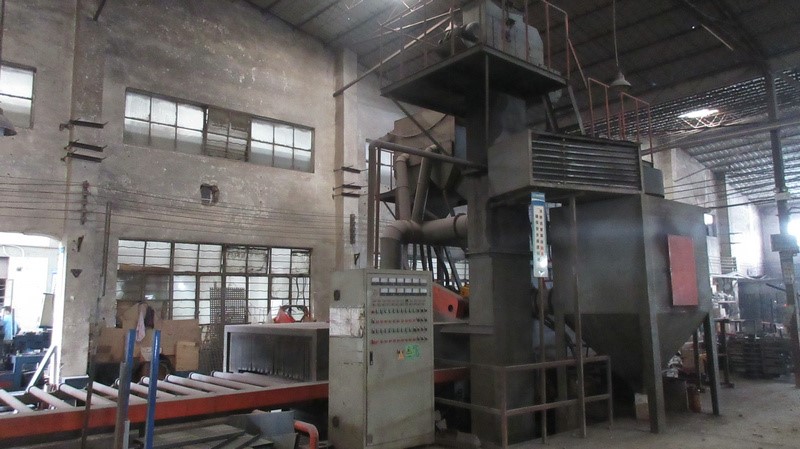
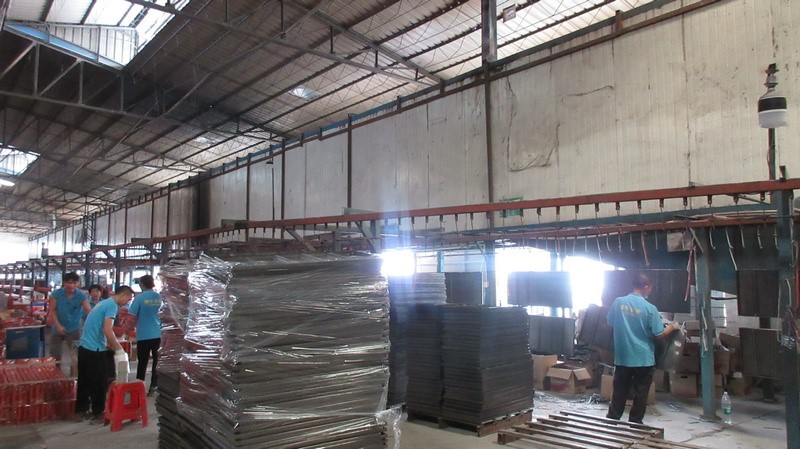
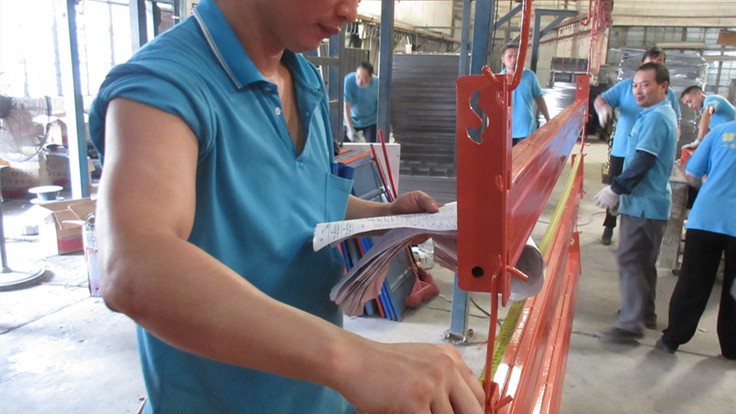
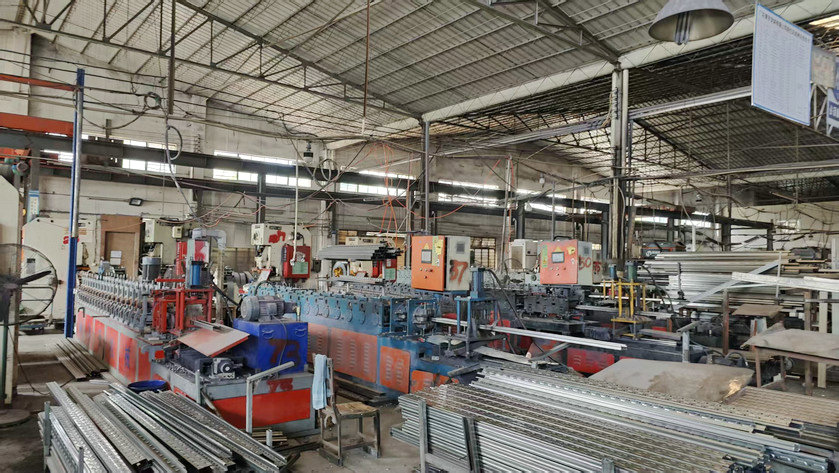
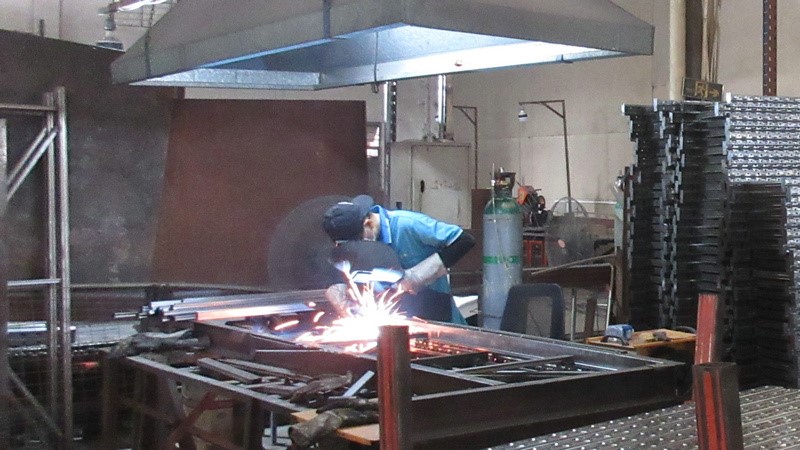
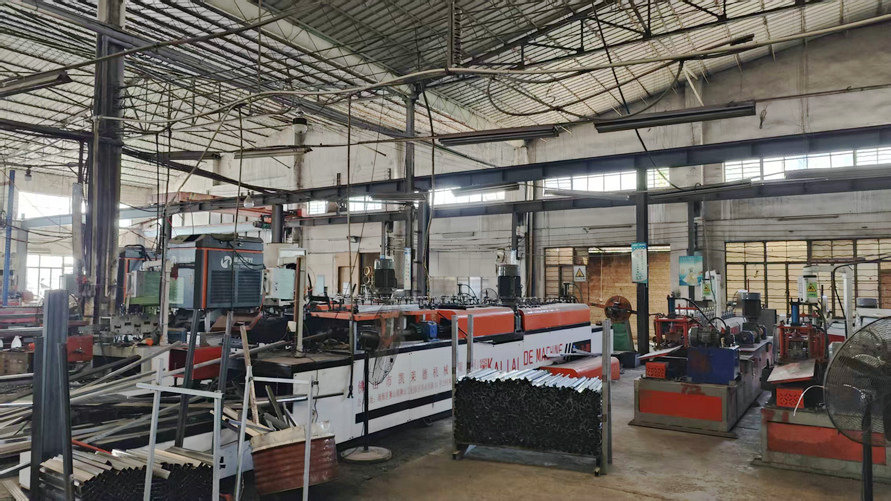
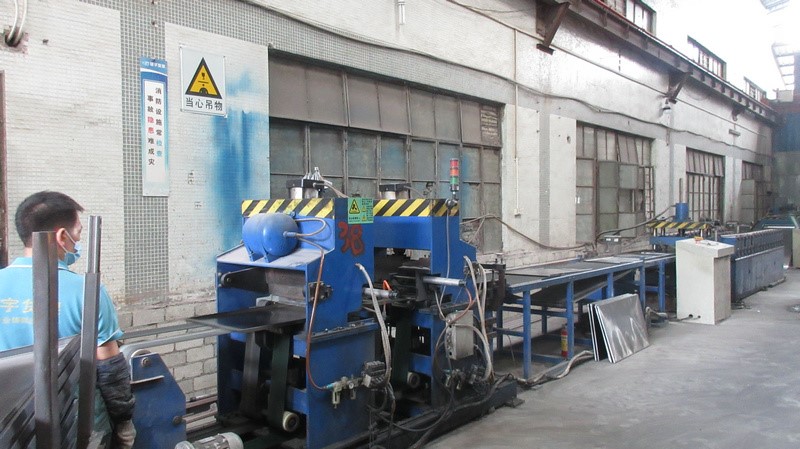
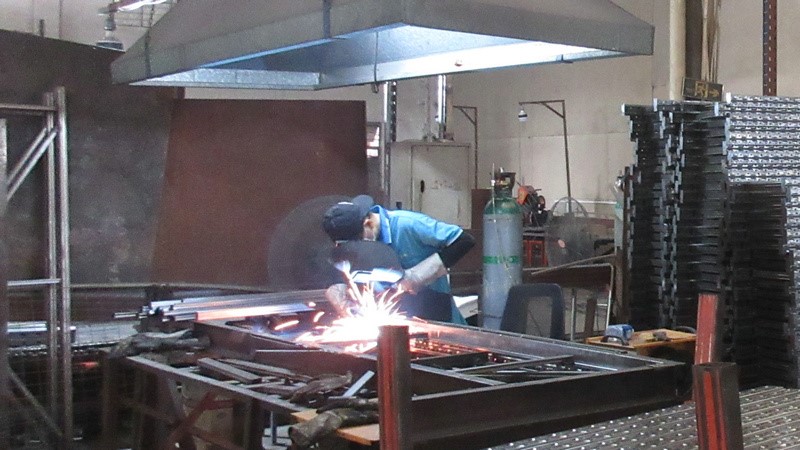
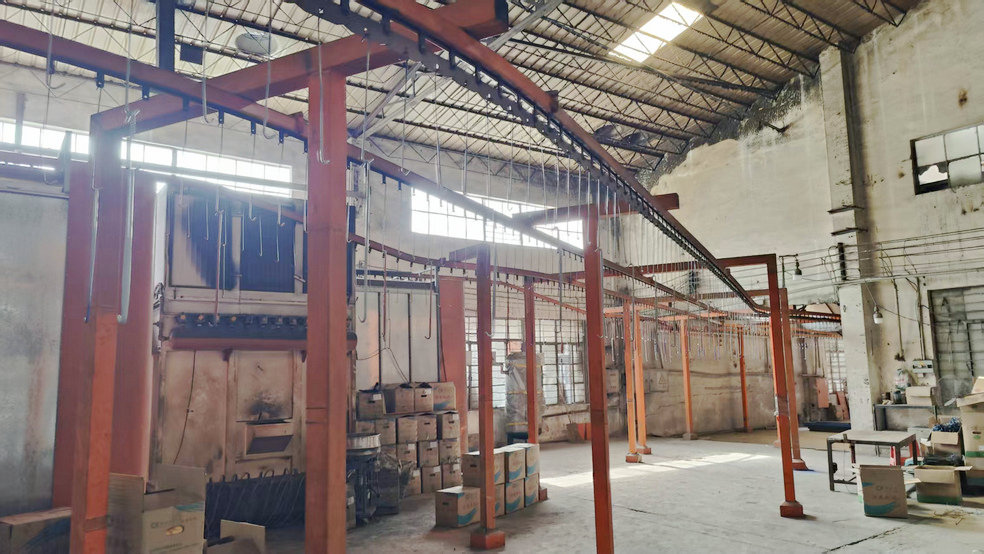
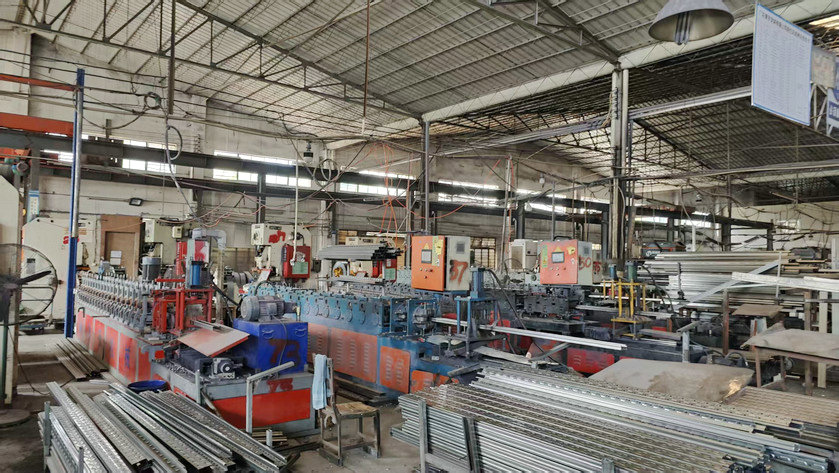
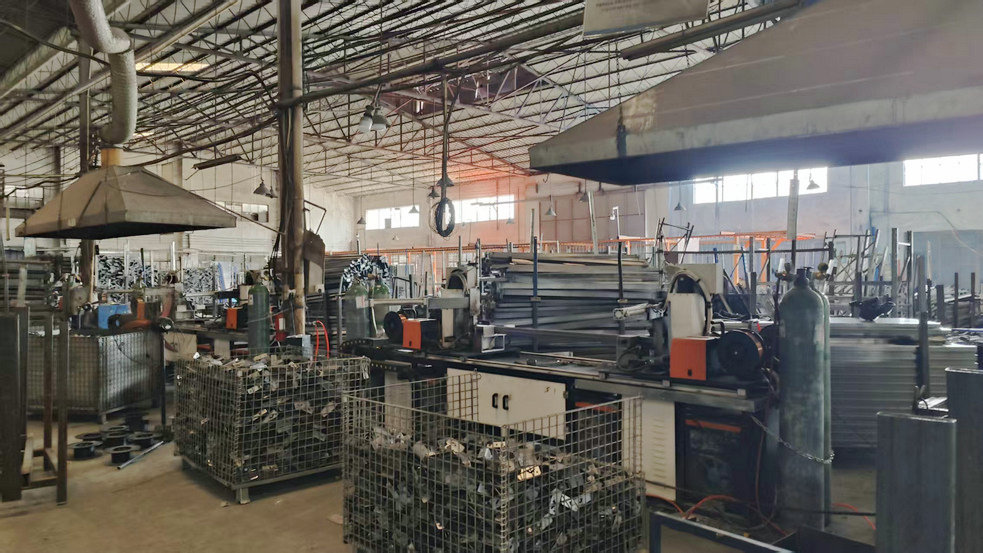
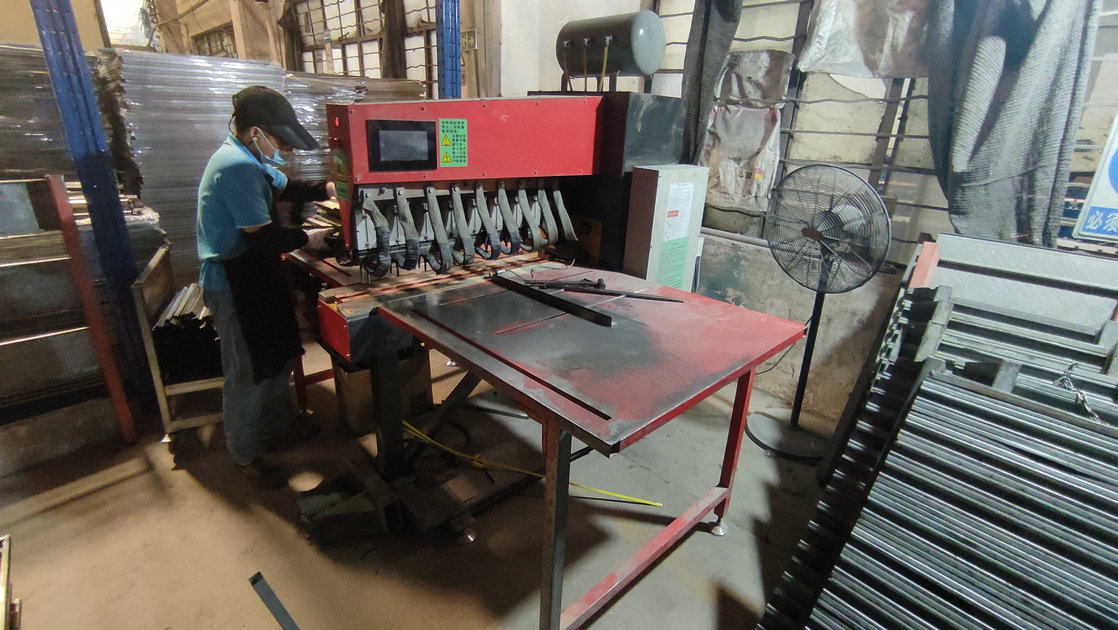
Ningbo FutureSpace Logistics Technology Co., Ltd. uses automated welding, robotic bending, and inline quality control to deliver high quality at scale.
Established in 2018, Ningbo FutureSpace Logistics Technology Co., Ltd. operates a production base of 22,000 m². Backed by 8 years of sector expertise and 5 years of international market experience, our annual export revenue stands at $8.5 million. Our quality assurance framework strictly follows SGS and ISO9001 standards, implementing raw material tensile testing and robotic weld seam inspection managed by 22 certified quality technicians.
Operating through combined direct export and international trade partner channels, our key markets span Australia, North America, and Eastern Europe. Supported by over 420 upstream supply chain partners, we primarily serve industrial equipment wholesalers, regional logistics hubs, and manufacturing warehouses. Powered by 28 skilled R&D engineers, we provide tailored OEM custom sizes, specialized powder coating finishes, and modular rack designs, successfully rolling out 65 new product lines in the past year.
Global retail purchasing groups need suppliers they can rely on. With inflation and supply chain volatility impacting EU shipping lanes, our location in Ningbo—home to the world's busiest container port—provides a strategic logistics advantage. Our direct access to local steel and polymer suppliers shields us from price swings and raw material shortages.
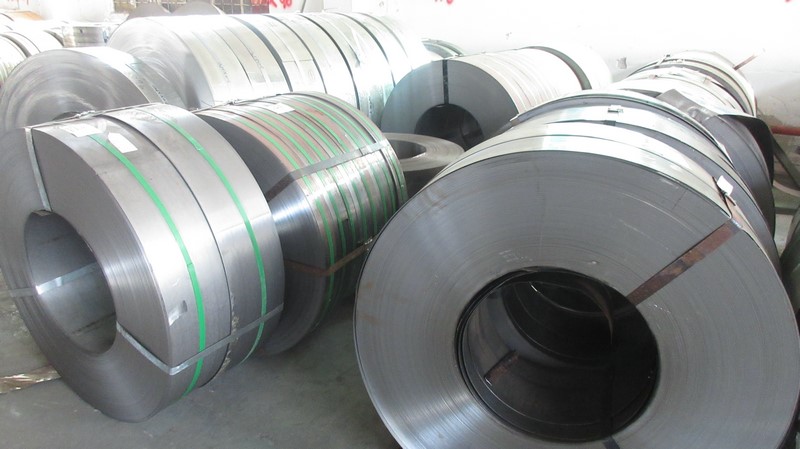
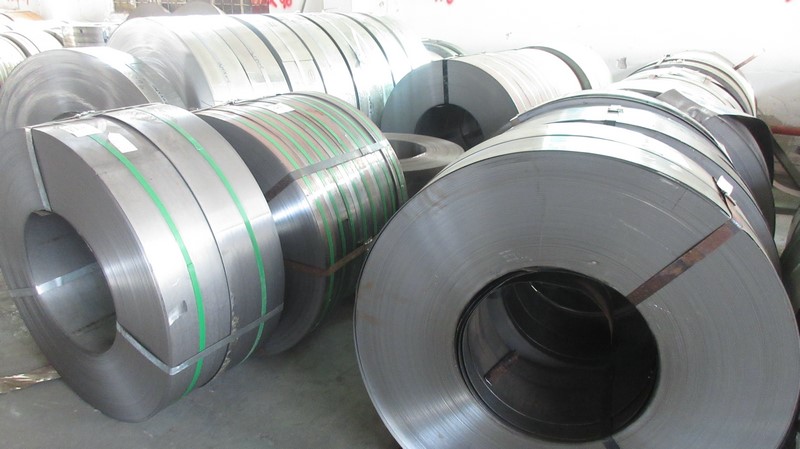
Our Factory 4.0 setup features automated tube-cutting and mesh-bending machinery, along with robotic arm welding. This automation keeps production line tolerances tight and virtually eliminates defects in structural joints. Every batch of steel undergoes tensile strength testing before processing, and finished parts undergo salt-spray chambers to test their corrosion resistance.
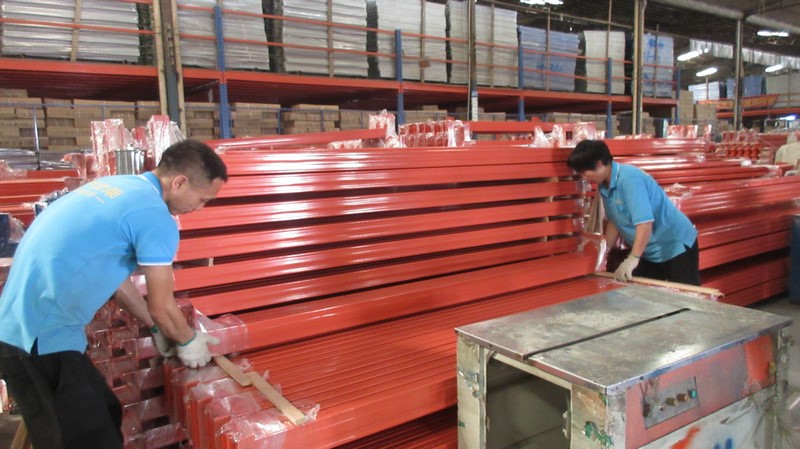
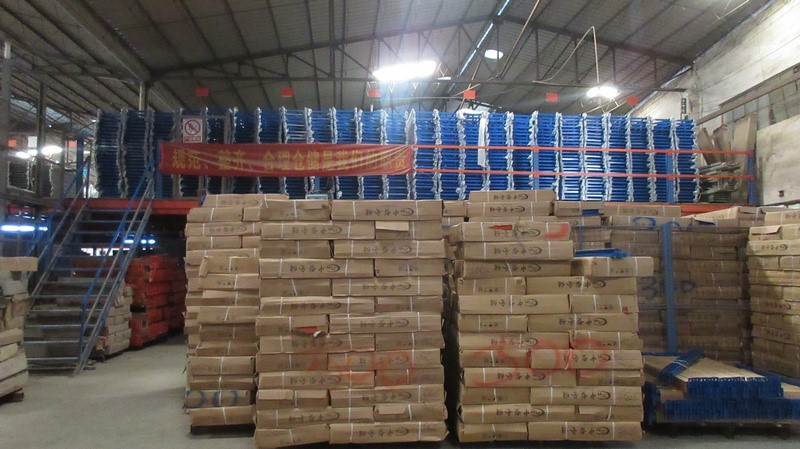
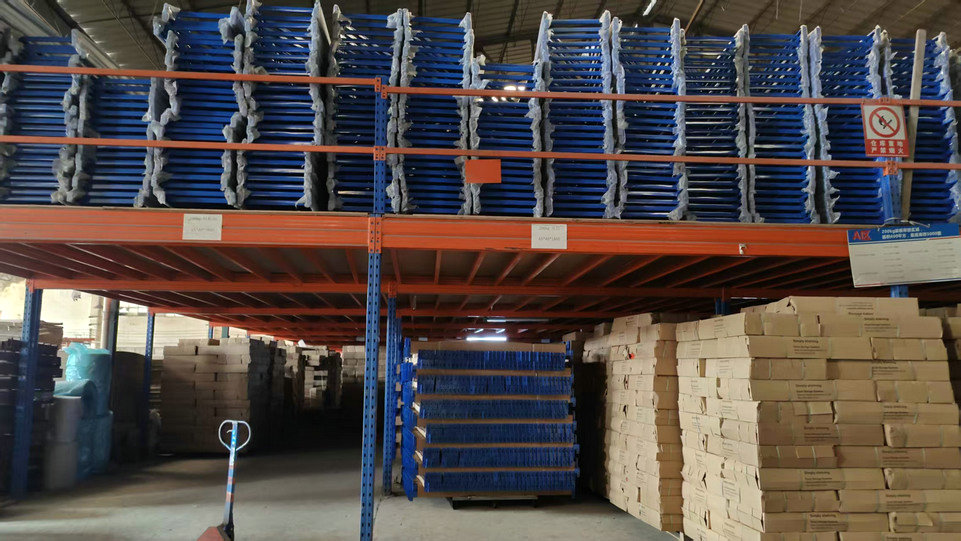
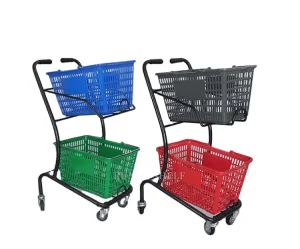
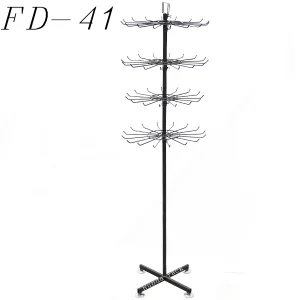
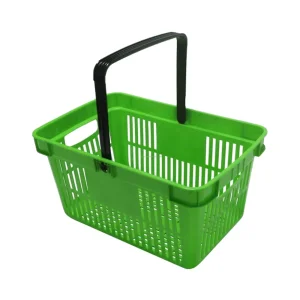
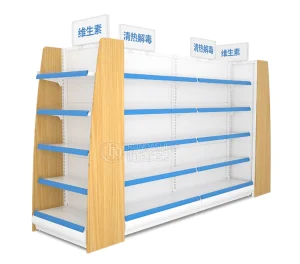
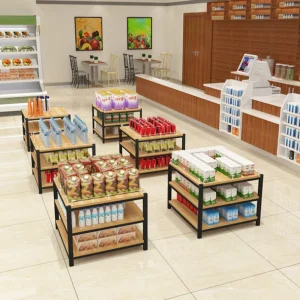
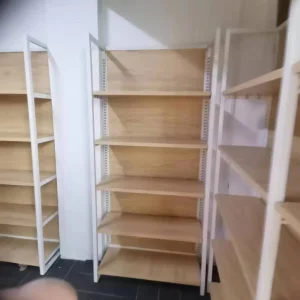
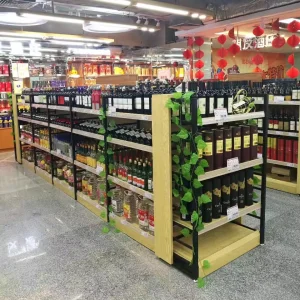
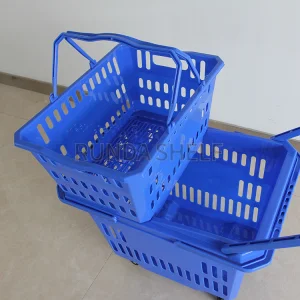
Expand store merchandising with our commercial shelving, point-of-sale display racks, and hand carry shopping baskets.
Large international retail chains are shifting their procurement strategies toward suppliers that meet ESG (Environmental, Social, and Governance) standards. In Northern Europe, where corporate environmental responsibility is a major focus, sourcing teams require comprehensive details about a product's life cycle. This includes tracing raw steel back to low-emission smelting plants and verifying that plastic components use recycled materials.
Additionally, the rise of automated checkouts and smart stores requires shopping trolleys to work seamlessly with newer technology. RFID tag integration, anti-theft locking systems, and phone-mount accessories are now standard requests from supermarkets upgrading their fleets. Procurement managers are also focusing more on reducing maintenance costs. Our trolleys address this by using easy-to-replace modular wheel assemblies and plastic bumpers that shield the metal frame from dents and scrapes during daily store operations.
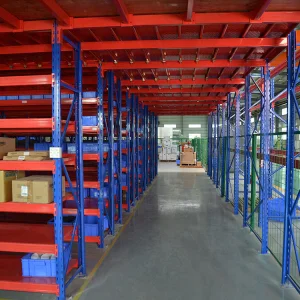
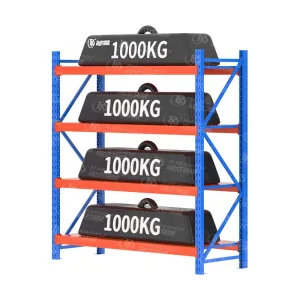
Heavy-duty cantilever pipe racks, metallic displays, and stainless steel shelving units designed for logistical efficiency.
Find answers to common questions about customization, shipping logistics to Finland, and quality assurance.
 FutureSpace Rack