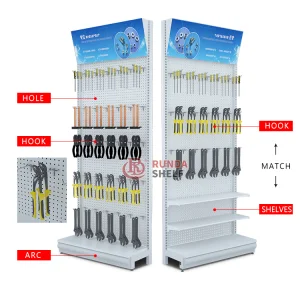
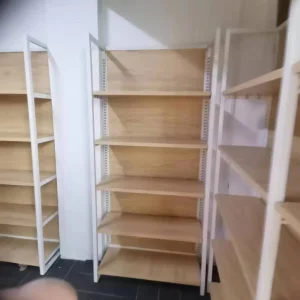
Premium display systems optimized for heavy foot-traffic grocery settings and spatial challenges unique to historic Boston commercial layouts.
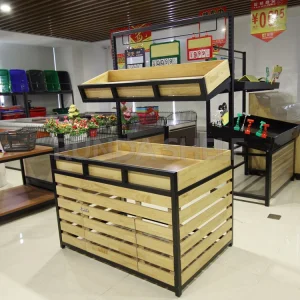
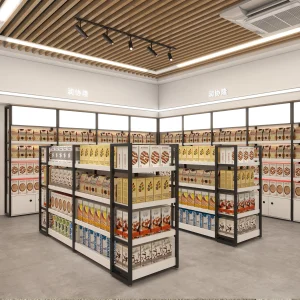
Analyzing physical floor layout mechanics, material longevity, and localized supply-chain logistics within the New England corridor.
In a historic metroplex like Boston, Massachusetts, optimizing square footage is not merely a design preference; it is a fundamental business imperative. Unlike modern cities built on grid systems, Boston's urban core features structural layouts defined by colonial architecture, low ceilings, and irregular column spacings. From the bustling grocery stores in the North End to high-capacity distribution centers bordering the I-95 corridor and Route 128, operations managers face persistent challenges in maximizing volume while maintaining safety and accessibility.
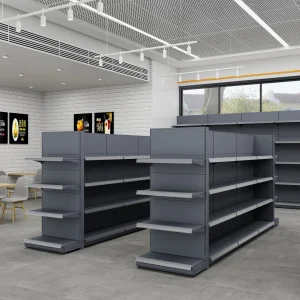
This spatial reality has triggered a structural shift away from standardized, rigid storage setups. Retailers and logistics managers are increasingly adopting high-performance, modular promotion tables, flexible gondola shelving systems, and customizable rack frames. By focusing on localized spatial needs, businesses can seamlessly transition their floor plans from high-density day-to-day operations to dynamic, seasonal product promotions.
Recent studies in retail logistics show that implementing modular single-sided and double-sided shelving configurations can improve space utilization by up to 28% in historical commercial buildings with non-standard ceiling heights.
When selecting promotion tables and store shelving for Boston's commercial environments, material composition is critical. The proximity to the Atlantic coast introduces elevated moisture levels and salt-mist exposure, accelerating the rust cycle in non-treated ferrous metals.
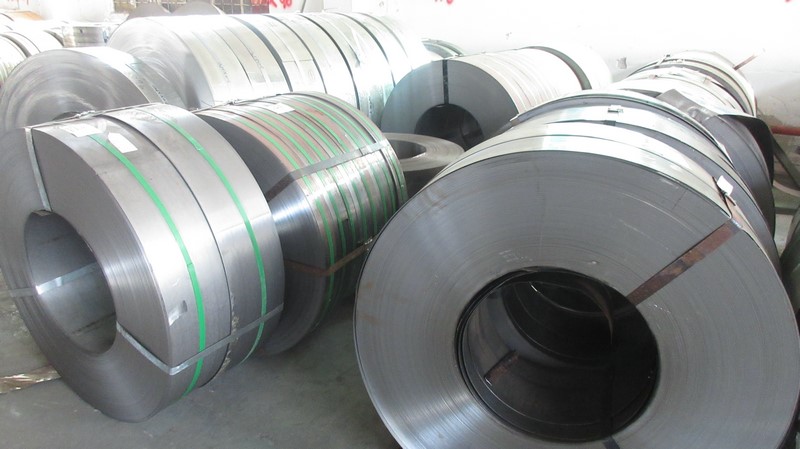
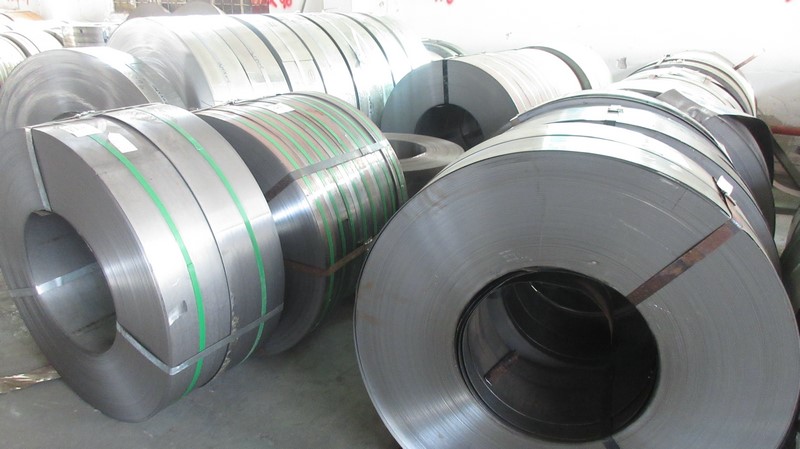
To mitigate corrosion, our manufacturing facility relies on premium Q235 carbon structural steel, recognized for its excellent weldability, plasticity, and mechanical toughness. By choosing Q235 steel, we guarantee that our retail racks and heavy-duty stacking frames can withstand daily wear and high load demands.
Sourcing commercial equipment from global manufacturers requires strict validation to verify compliance with local industrial standards (such as OSHA for warehouse settings and local building codes in Massachusetts).
Established in 2018, Ningbo FutureSpace Logistics Technology Co., Ltd. operates a 22,000 m² state-of-the-art facility backed by over 8 years of sector expertise and 5 years of international market experience. Our quality assurance framework complies with SGS and ISO9001 standards, implementing raw material tensile testing and robotic weld seam inspections managed by 22 certified quality technicians. Our robust export infrastructure manages shipping routes directly to the Port of Boston, ensuring regulatory compliance and reliable delivery timelines.
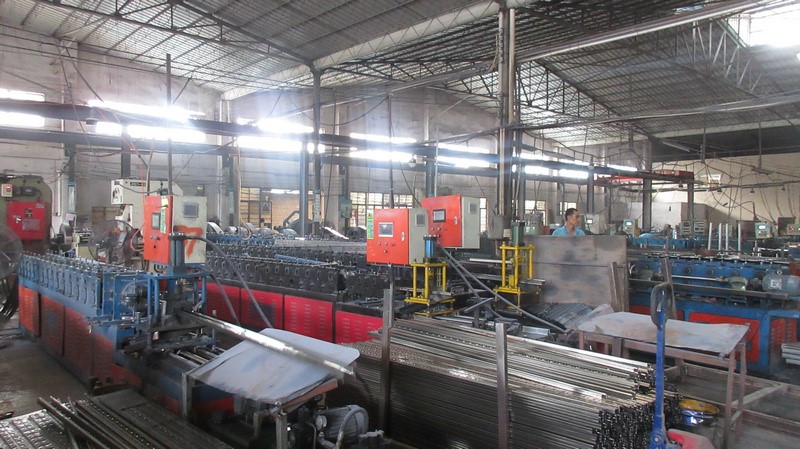
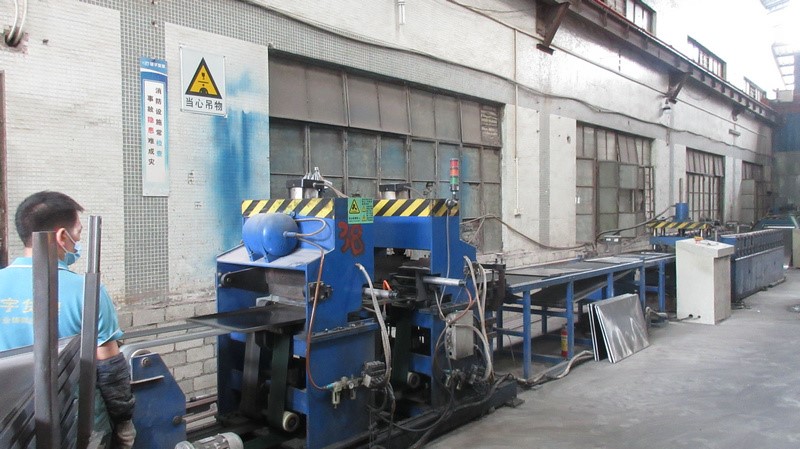
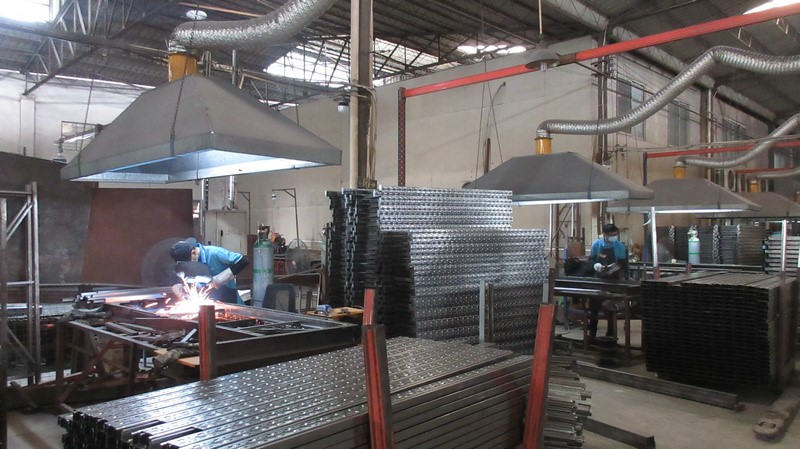
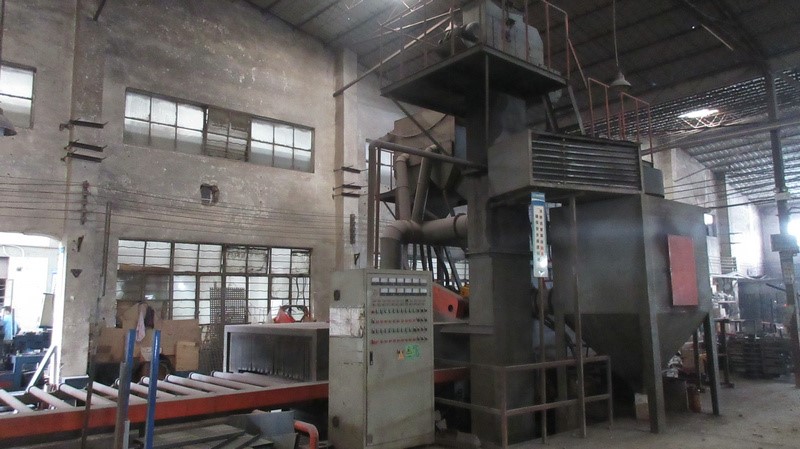
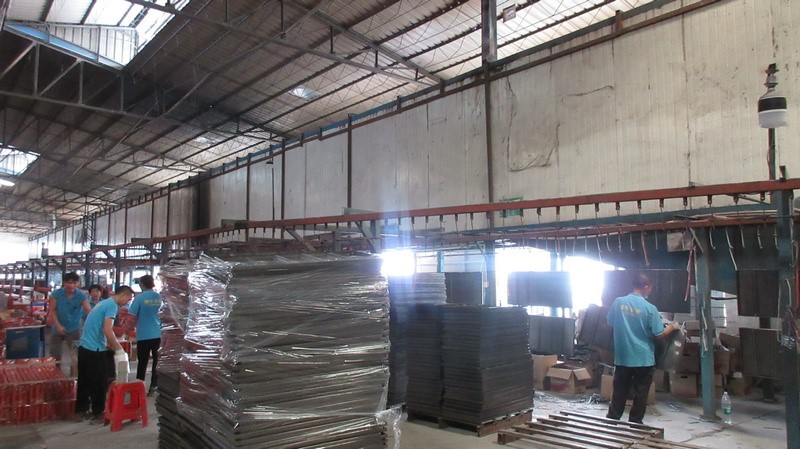
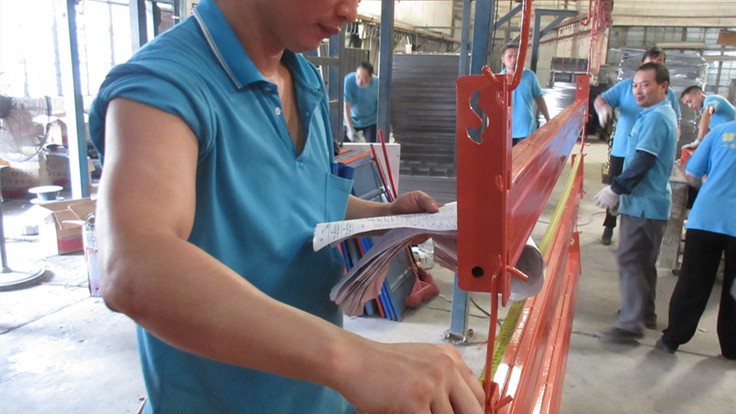
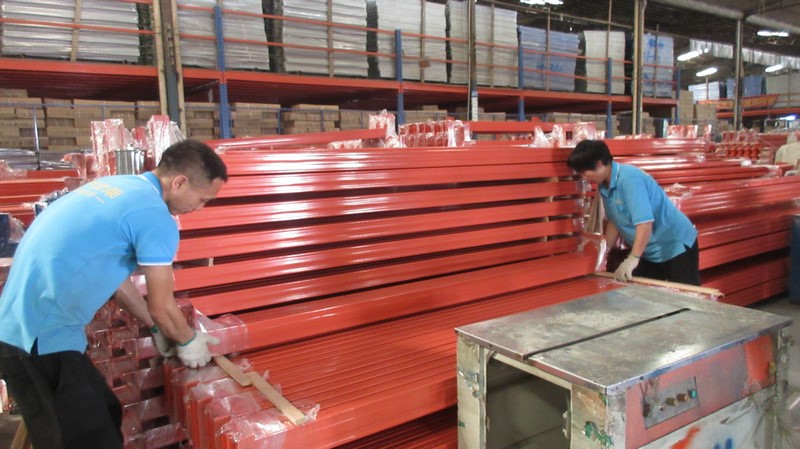
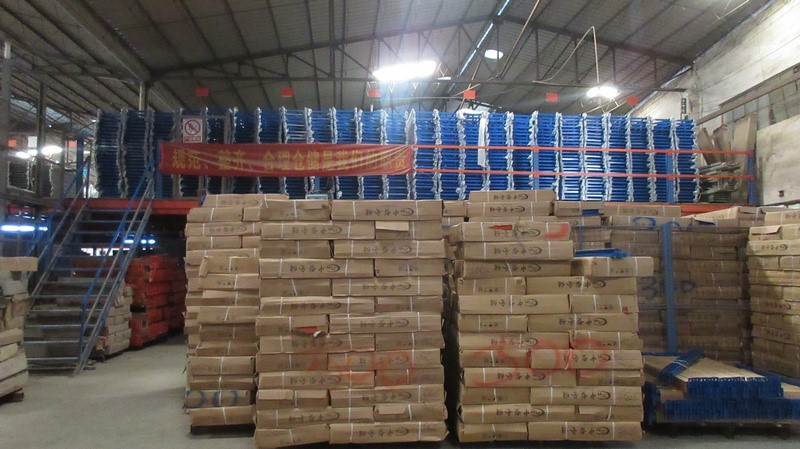
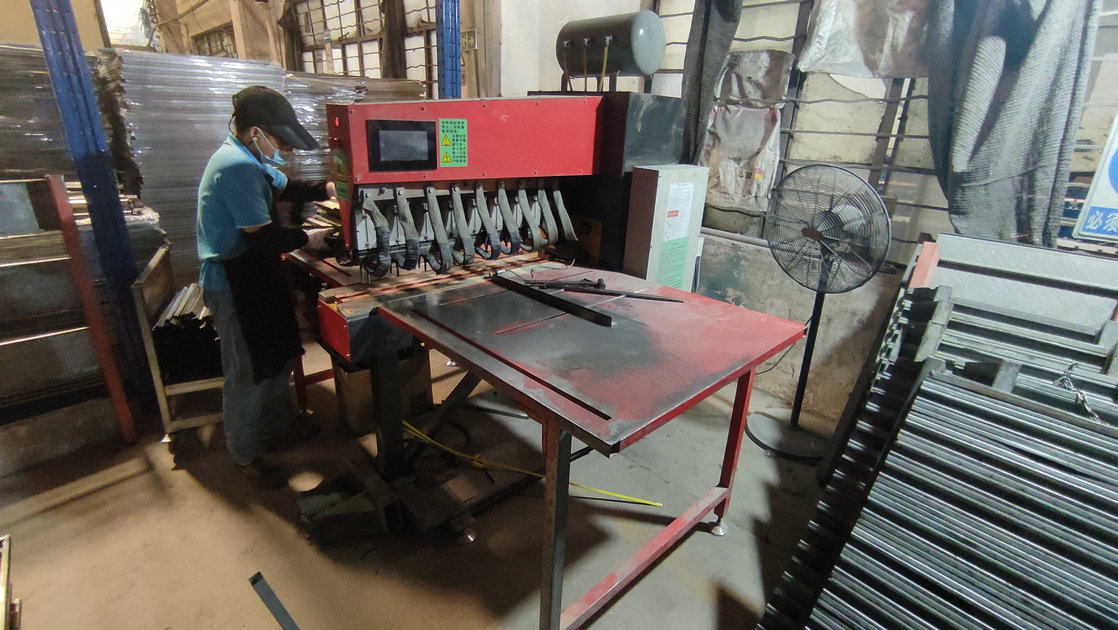
An inside look at our advanced engineering facility, tracking raw steel from initial fabrication to post-spraying inspection.
In a dynamic retail environment, the transition from product storage to product display is critical. Many stores fail to convert high-margin promotional inventory due to poor positioning or inadequate display fixtures. For instance, temporary promotional tables must be lightweight enough for fast reconfiguration by staff, yet durable enough to handle bulk goods (such as canned foods or electronic accessories) without sagging.
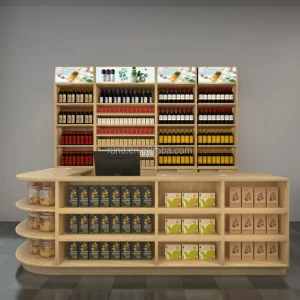
Modular store checkout counters with integrated corner shelves allow retailers to design fluid customer pathways. Instead of rigid checkout lines, stores can use modular cash wraps and adjustable pegboard stands to encourage impulse purchases. This layout strategy is highly effective in urban retail shops where spatial constraints demand multifunctionality from every fixture.
The future of retail display and logistics is heavily focused on sustainability and intelligence. With strict environmental laws in both Europe and North America (such as the Massachusetts green initiative), supply-chain managers must monitor the life-cycle carbon footprint of their retail fixtures.
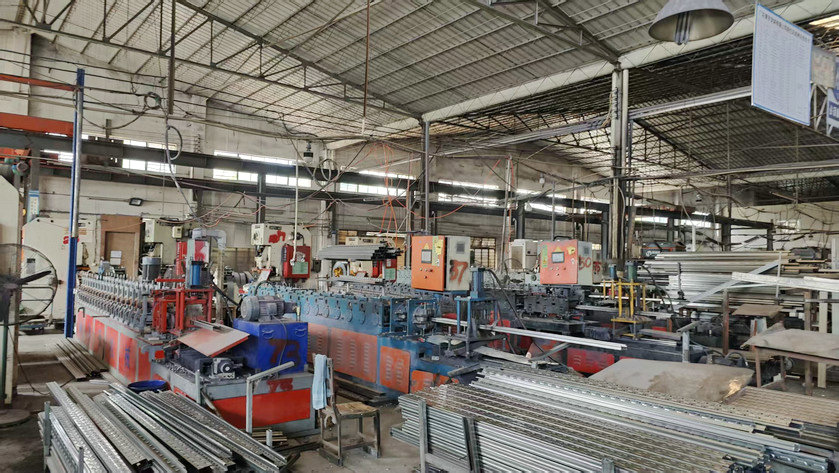
High-precision manufacturing utilizing computerized cutting, automatic bending, and multi-point robotic welding systems.
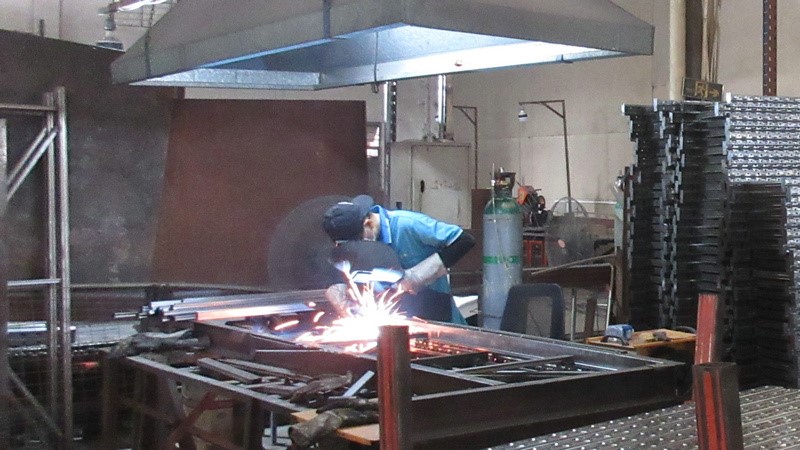
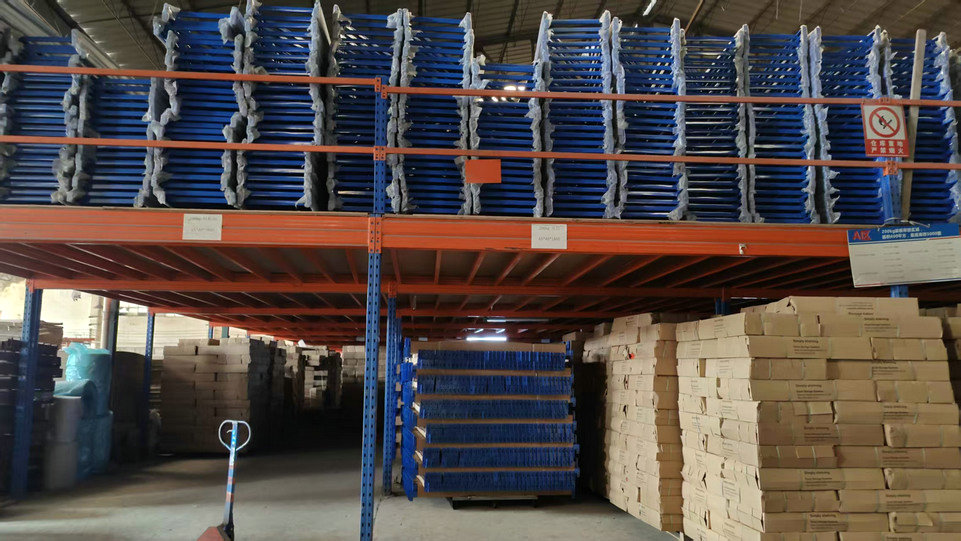
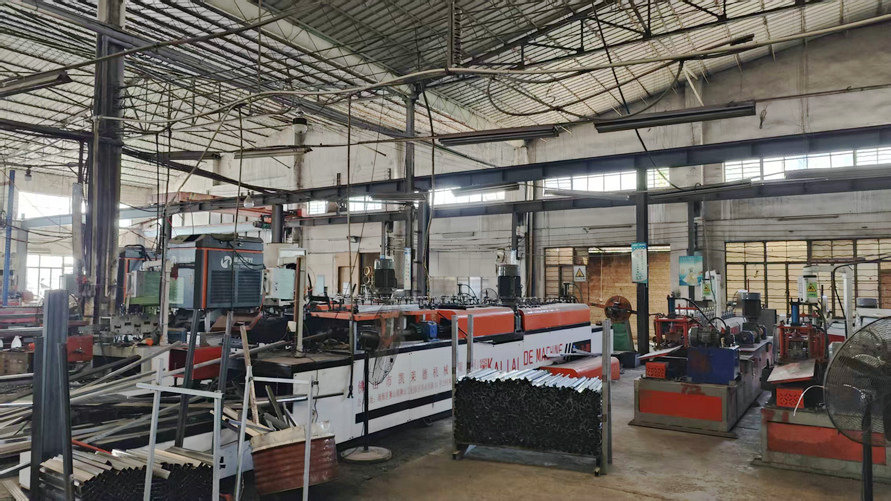
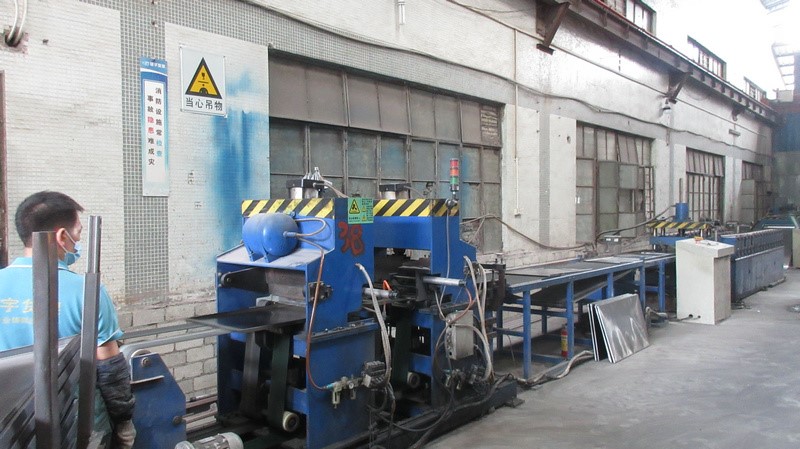
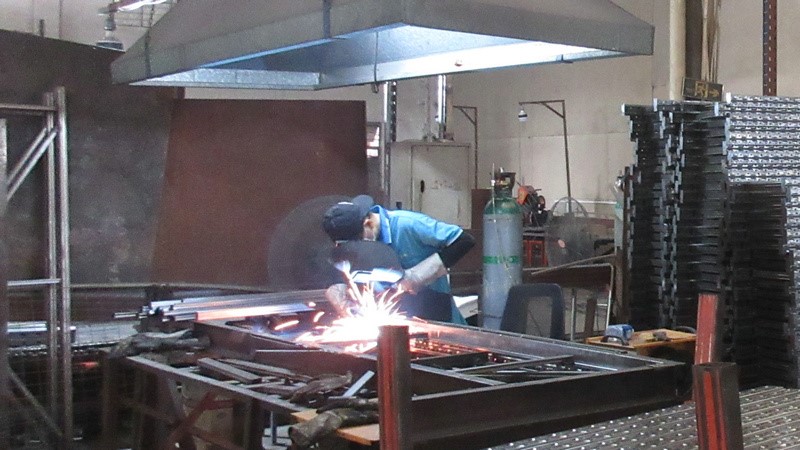
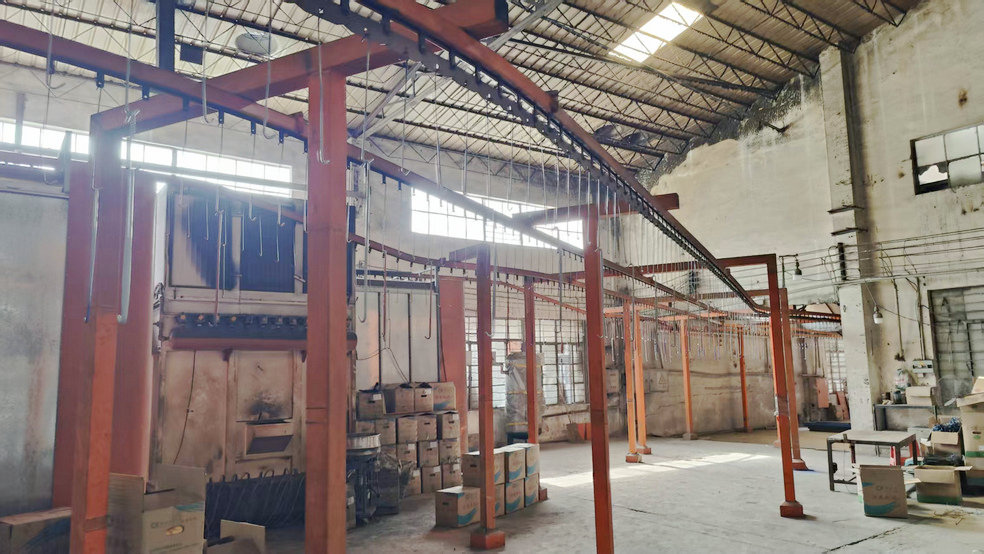
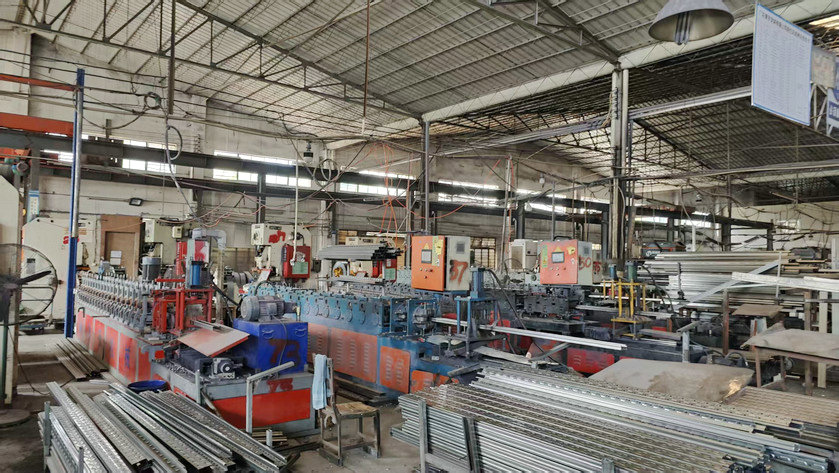
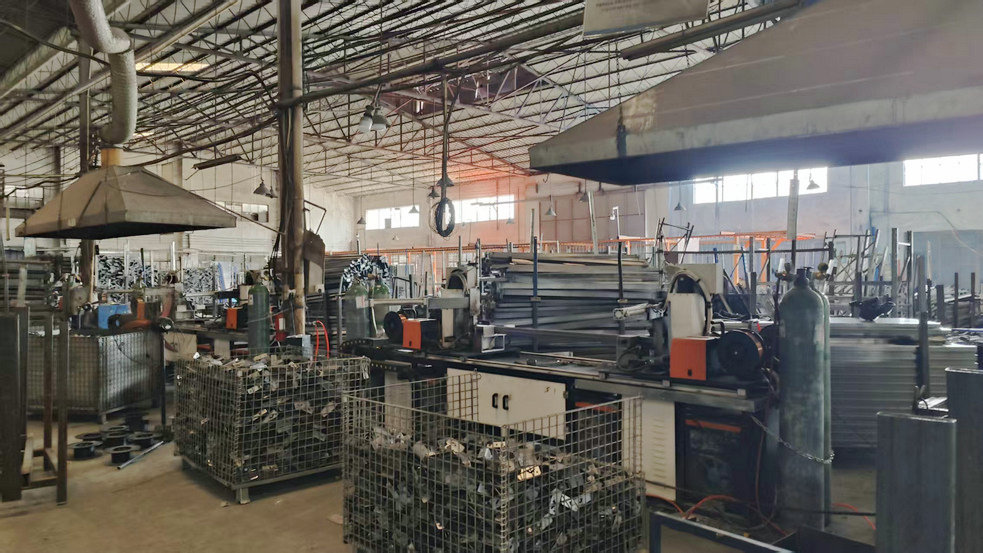
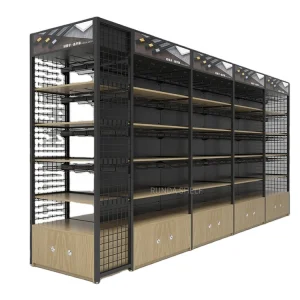
Durable steel racking, custom cash wraps, and high-capacity shelving designed to support warehouse operations and supermarket display floors.

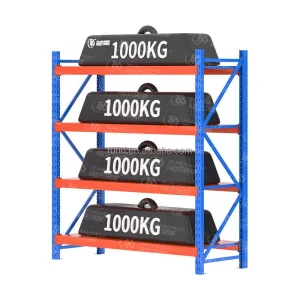
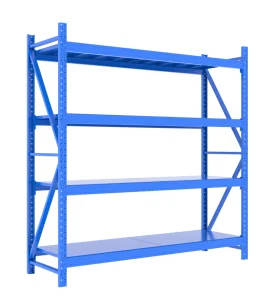
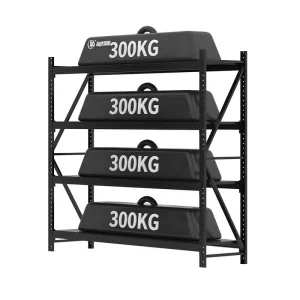
Managing logistics within metropolitan Boston requires careful freight planning. Low clearances on city roads (such as the historic Storrow Drive bridges) limit container route options, highlighting the value of foldable and knock-down (KD) display designs.
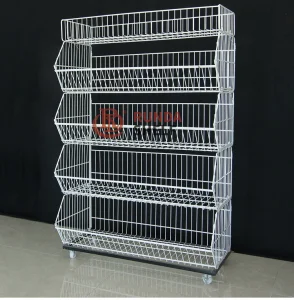
Our wire shelving display racks feature a modular, flat-pack structure. This optimization allows logistics managers to pack up to 40% more units per high-cube container, significantly reducing sea freight and local drayage costs. Once on-site, these systems can be assembled by basic retail staff without specialized tools, minimizing labor costs during store openings.
Under ISO9001 and SGS protocols, every production run is subjected to rigorous quality gates. Industrial steel storage systems are calculated using finite element analysis (FEA) to determine true yield strengths and deflection rates.
Expert answers addressing the logistical, mechanical, and custom design requirements of global commercial buyers.
 FutureSpace Rack