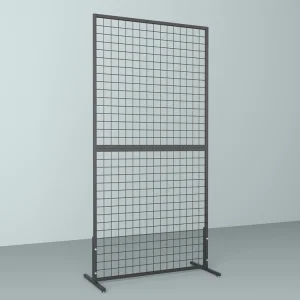
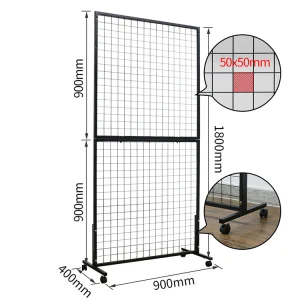
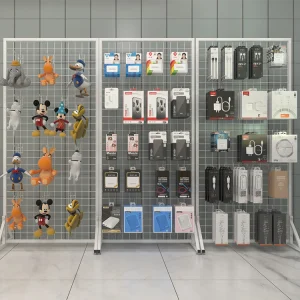
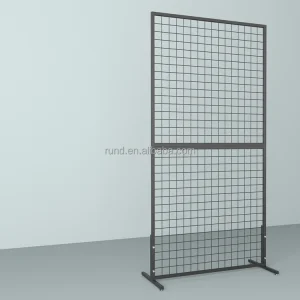
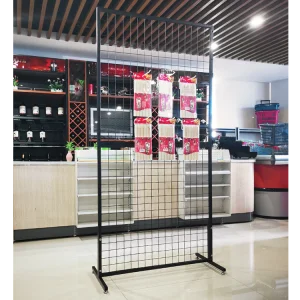
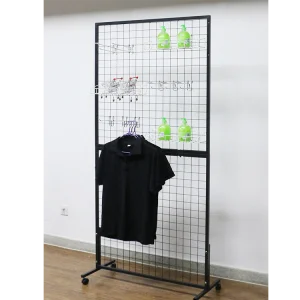
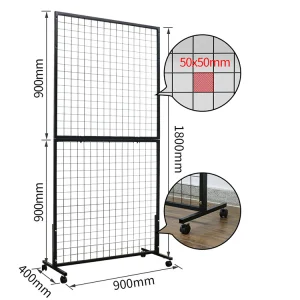
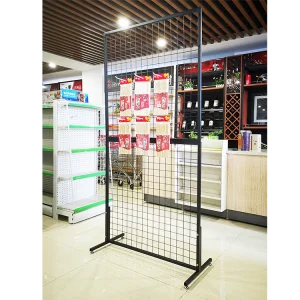
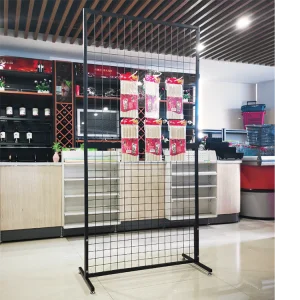
Engineered to meet the growing commercial demands of Addis Ababa, Hawassa, and the Adama industrial corridors.
An in-depth review of infrastructure modernization and wire mesh demands across East Africa's economic powerhouse.
Ethiopia is undergoing a rapid macroeconomic transition. Driven by the government’s Ten-Year Development Plan (2021–2030) and the proliferation of Special Economic Zones (SEZs) such as the Hawassa, Bole Lemi, and Adama Industrial Parks, the demand for industrial shelving, wire mesh partitions, and heavy-duty grid panels has reached unprecedented heights. Grid panels are no longer merely merchandising accessories; they are structural components critical to warehouse safety, manufacturing partitioning, and logistics organization.
Historically, the Ethiopian market relied heavily on local, artisanal metalworking shops to produce basic wire mesh grids. However, modern commercial setups, retail supermarkets in Addis Ababa, and large-scale industrial warehouses require high tensile strength, precise robotic welding, and superior anti-corrosion surface treatments. This gap has made the role of global direct manufacturers and robust supply chains indispensable for Ethiopian procurement officers.
From dry ports to high-end event spaces, how modular grid walls solve structural and display problems.
Modjo Dry Port, handling over 70% of Ethiopia's import-export transit, demands industrial-grade steel wire grid walls. These grids are used for cargo segregation, safety barrier partitions, and high-density vertical storage racks, optimizing space efficiency under high humidity variations.
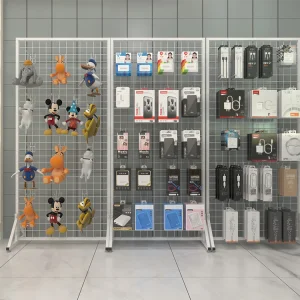
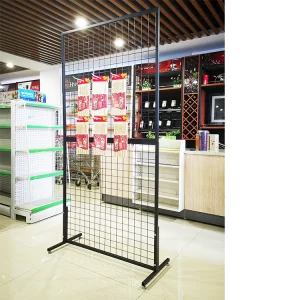
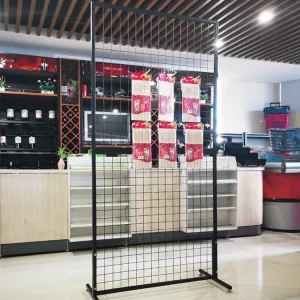
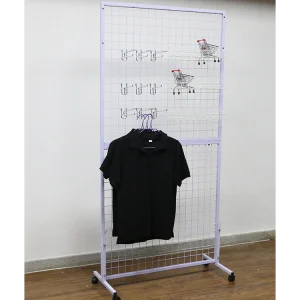
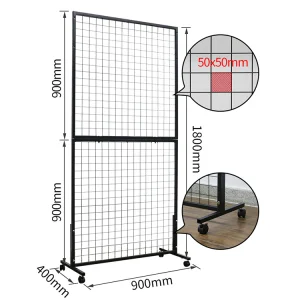
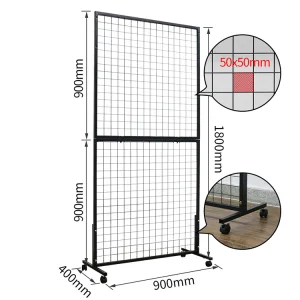
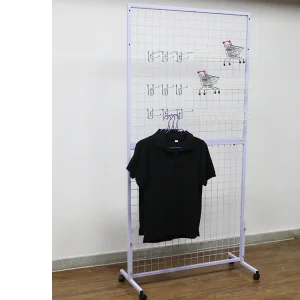
With major supermarkets and shopping malls opening across Bole, Kazanchis, and Merkato in Addis Ababa, commercial gridwall systems with powder-coated finishes provide flexible merchandising arrays for electronics, clothing, and household goods.
Ethiopia is a leading exporter of fresh cut roses to Europe. Specialized mesh grid configurations and backdrop supports are extensively used in temperature-controlled sorting facilities to hang, secure, and exhibit delicate agricultural exports.
Why direct manufacturing from China outpaces local production in capacity, quality, and cost-efficiency.
While importing entails freight consideration, the scale, consistency, and technological maturity of Chinese manufacturing offer huge cost-benefit advantages for large-scale projects in Ethiopia. Localized manufacturing in Ethiopia is often bottlenecked by raw material scarcity (such as structural steel coils) and power grid instability. By partnering with Ningbo FutureSpace Logistics Technology Co., Ltd., Ethiopian enterprises secure access to a massive supply chain ecosystem.
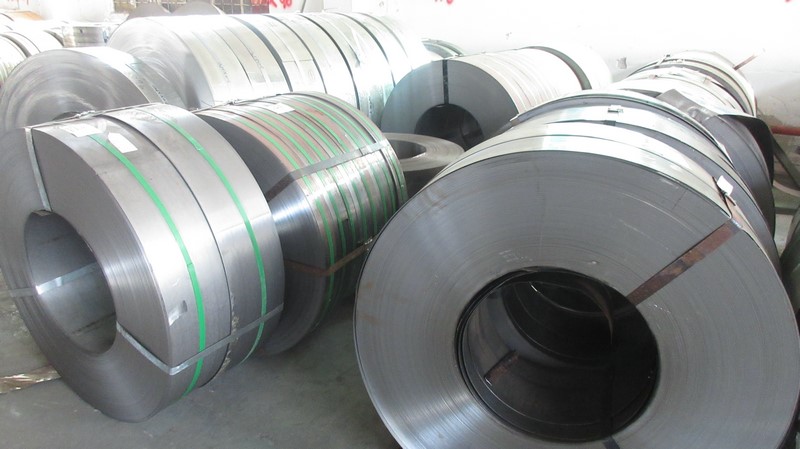
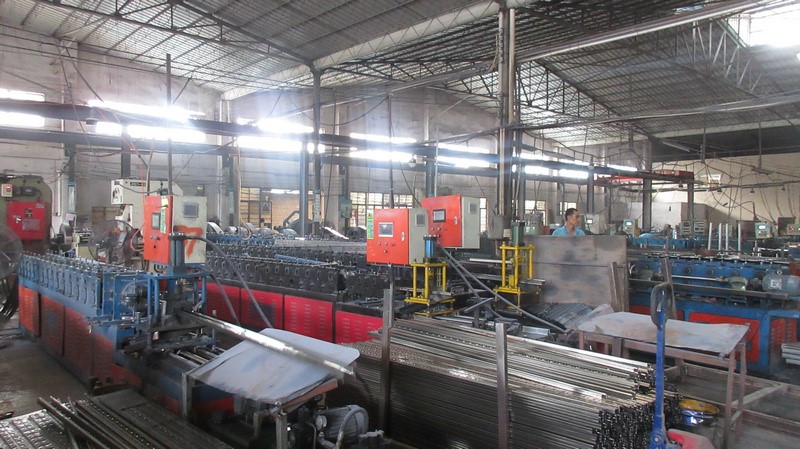
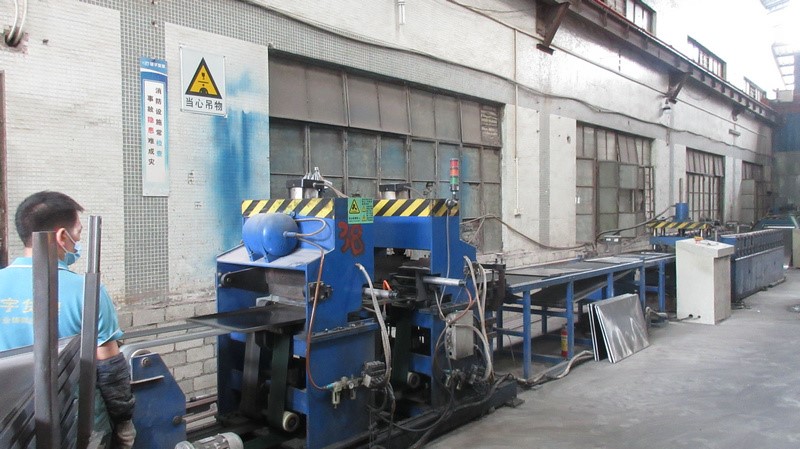
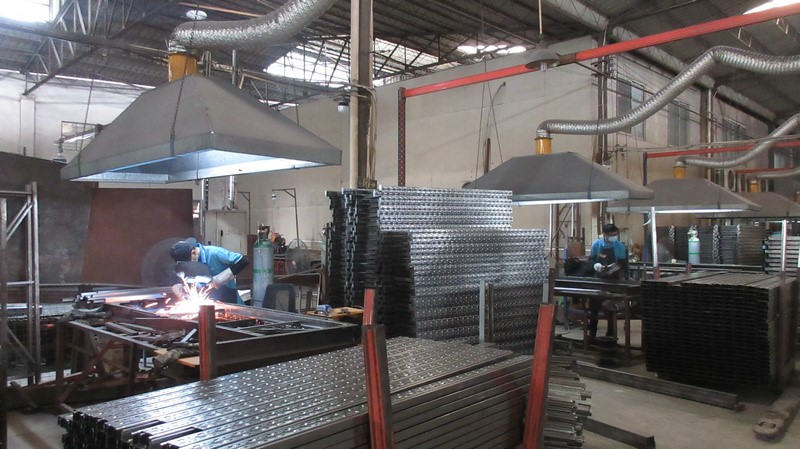
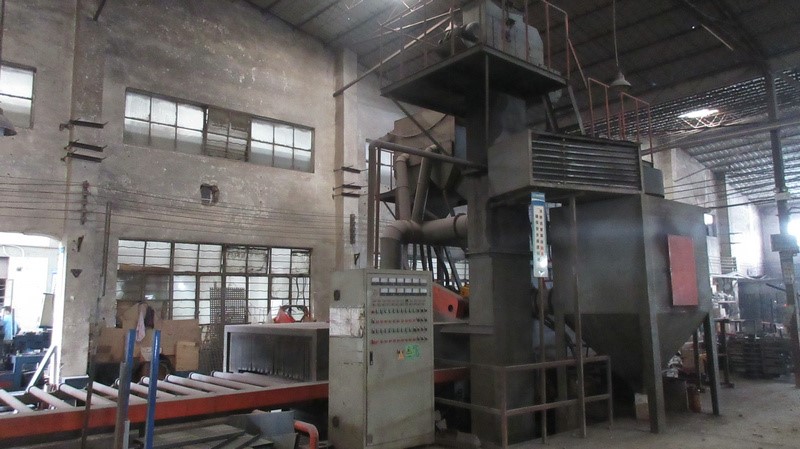
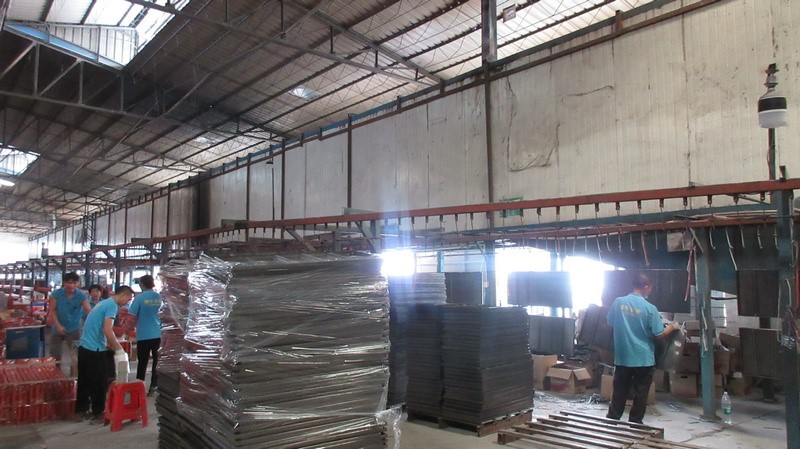
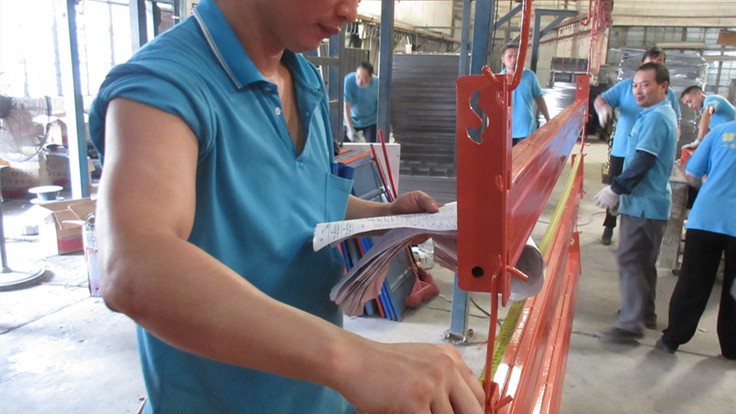
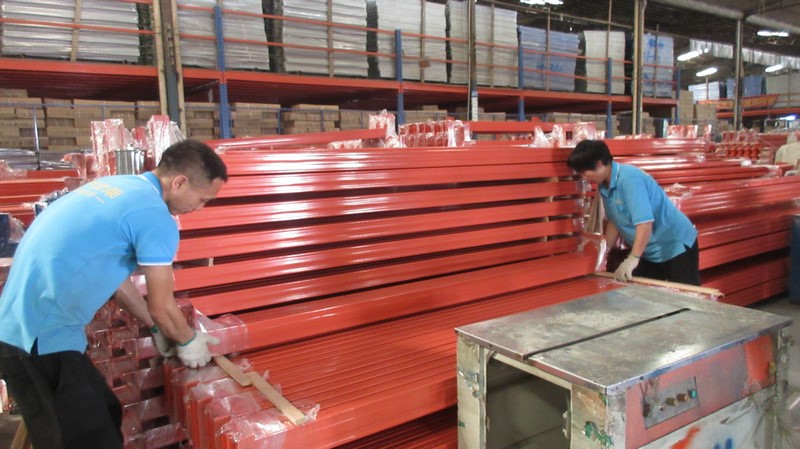
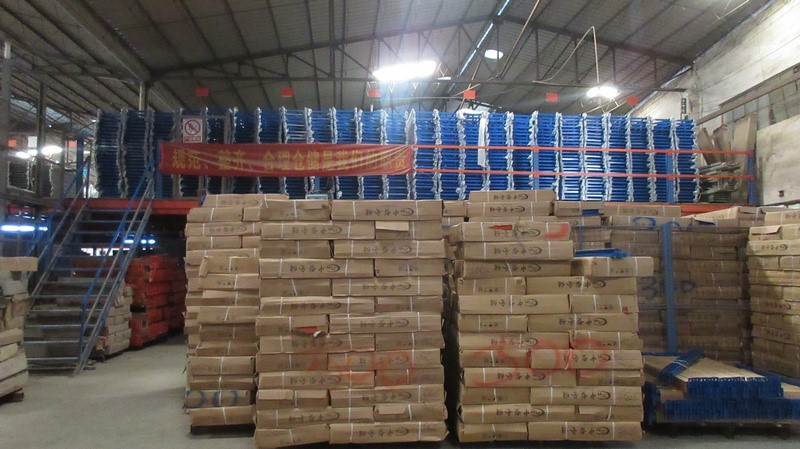
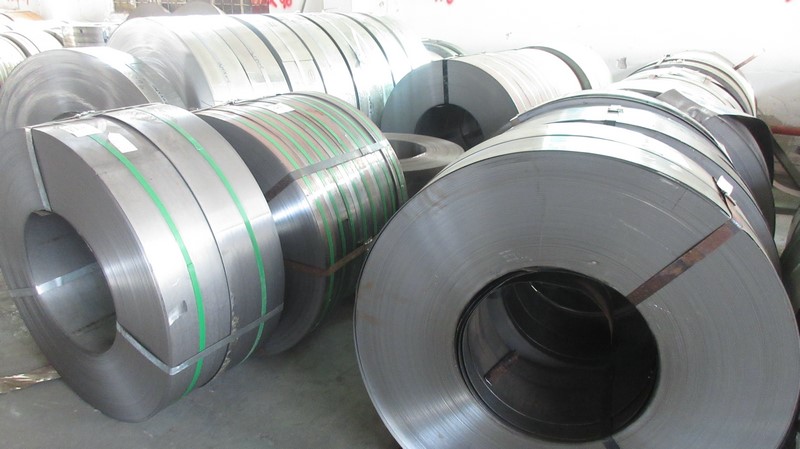
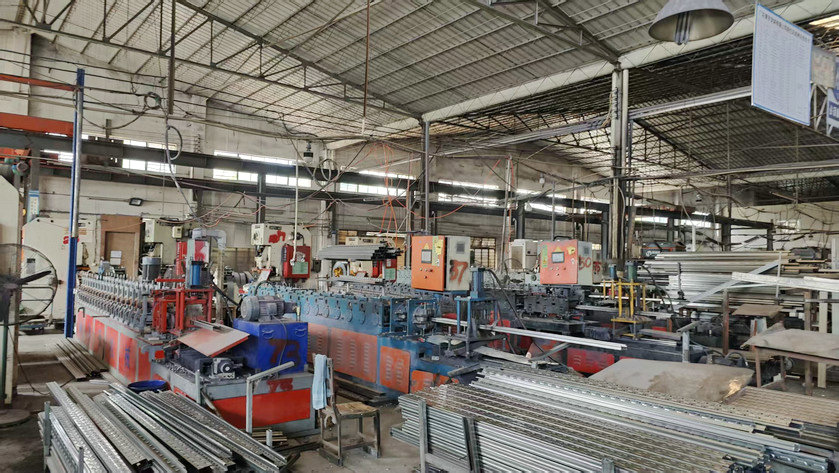
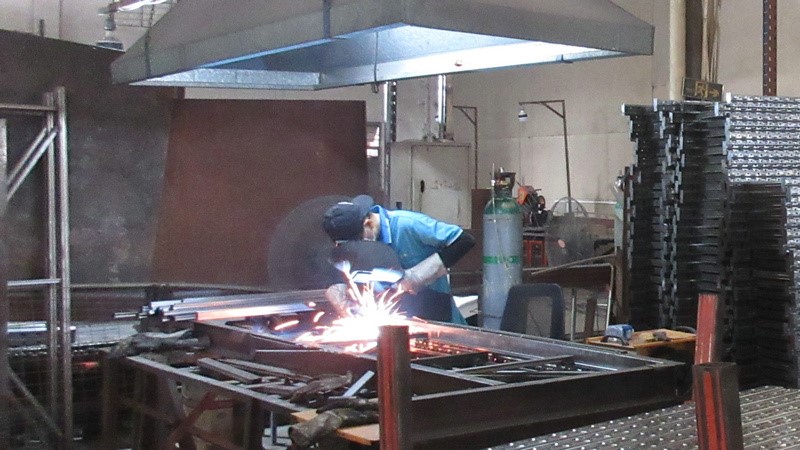
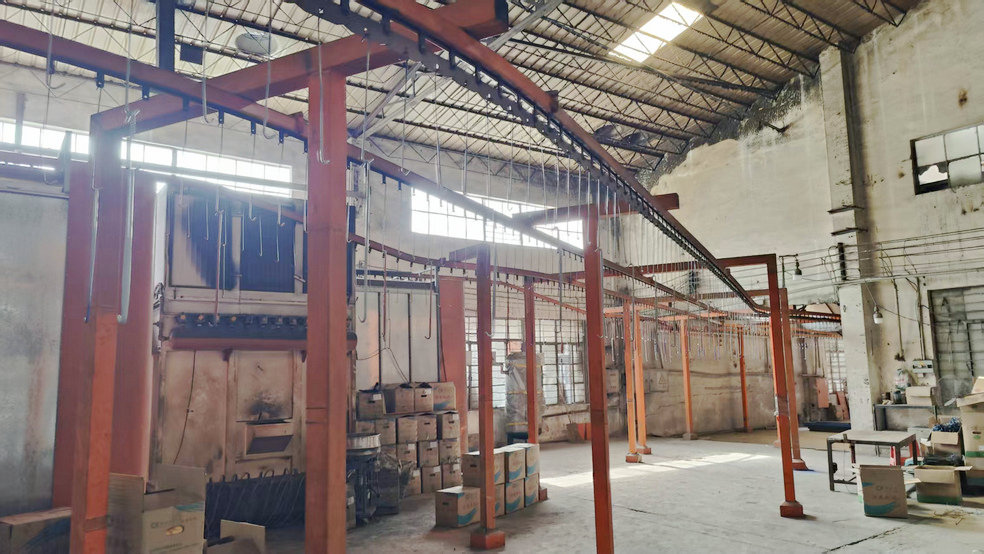
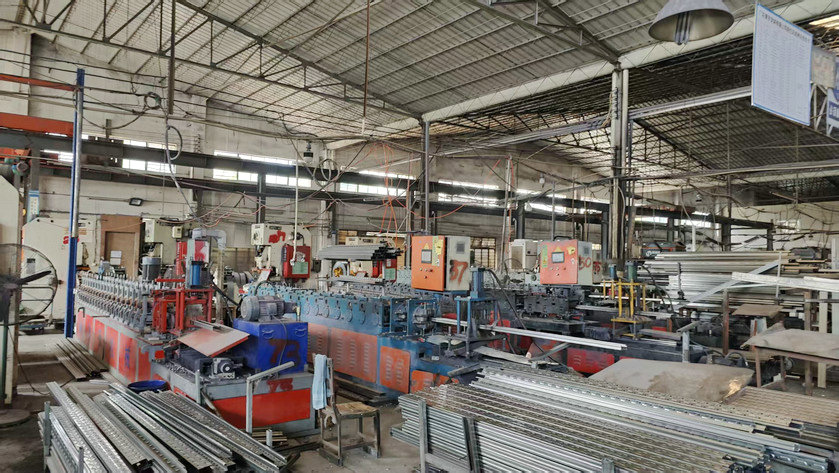
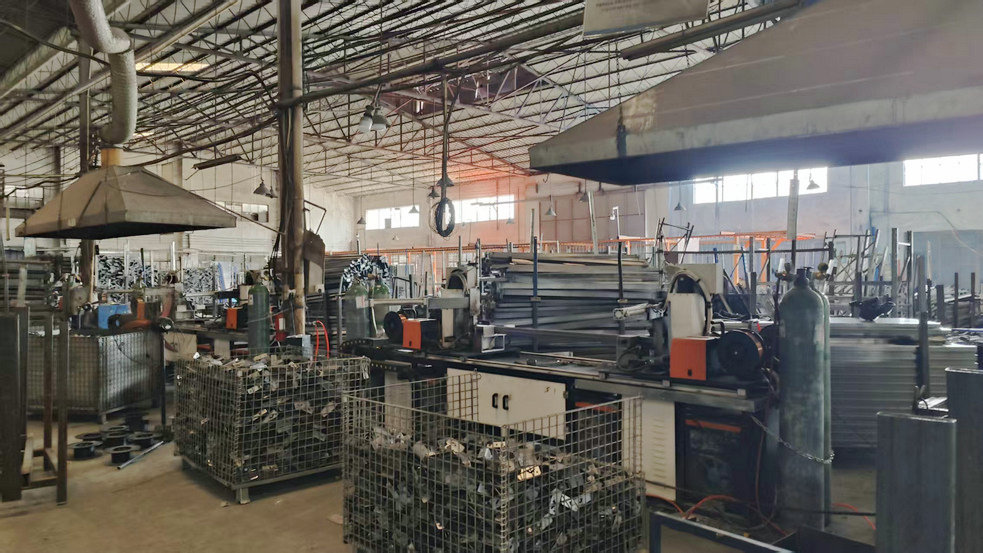
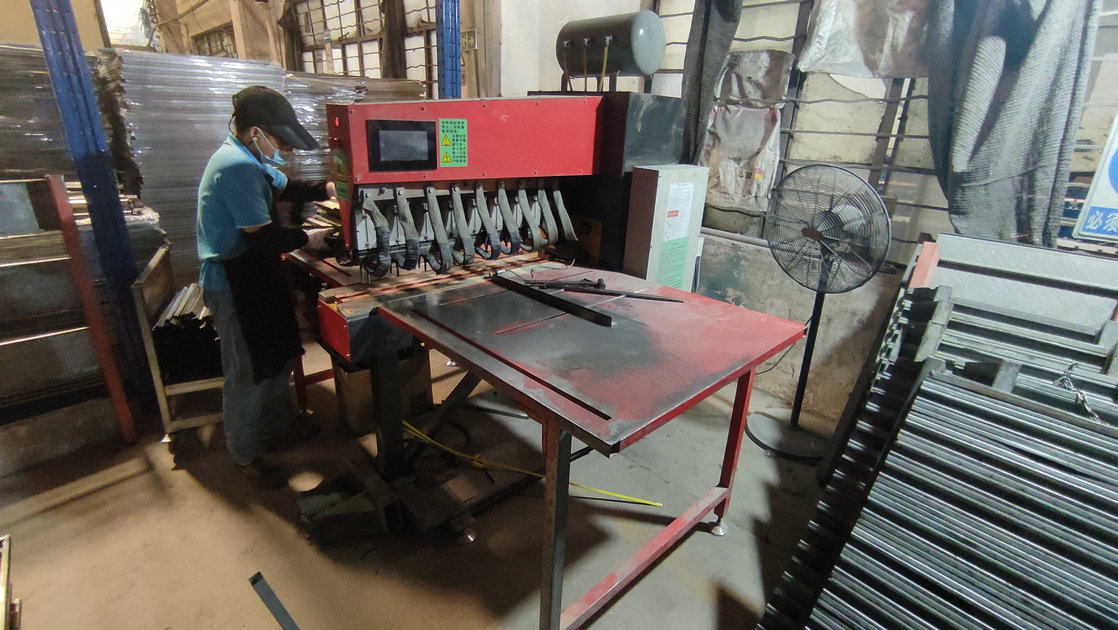
Established in 2018, Ningbo FutureSpace Logistics Technology Co., Ltd. operates a production base of 22,000 m². Backed by 8 years of sector expertise and 5 years of international market experience, our annual export revenue stands at $8.5 million. Our quality assurance framework strictly follows SGS and ISO9001 standards, implementing raw material tensile testing and robotic weld seam inspection managed by 22 certified quality technicians. Supported by over 420 upstream supply chain partners, we primarily serve industrial equipment wholesalers, regional logistics hubs, and manufacturing warehouses. Powered by 28 skilled R&D engineers, we provide tailored OEM custom sizes, specialized powder coating finishes, and modular rack designs, successfully rolling out 65 new product lines in the past year.
Every step of our production is monitored under strict ISO9001 guidelines to ensure structural reliability.
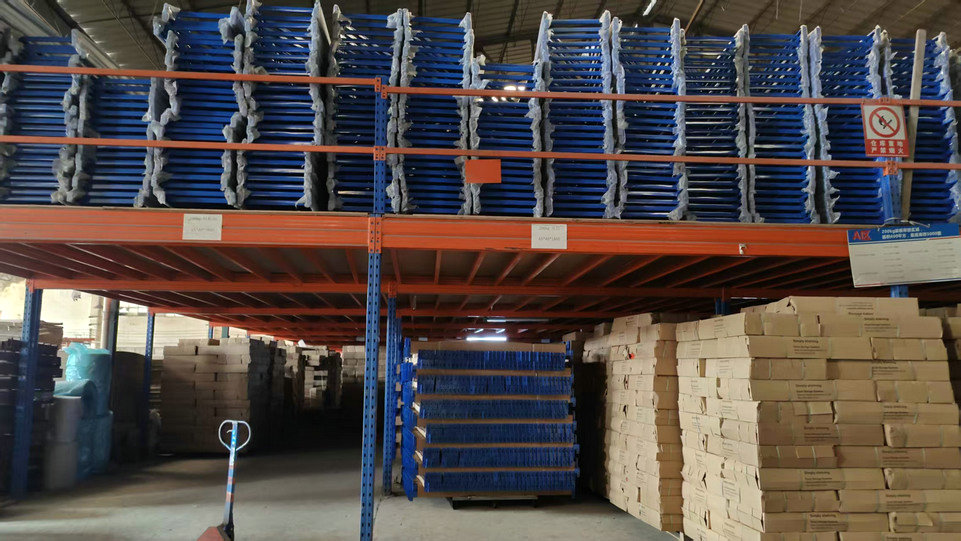
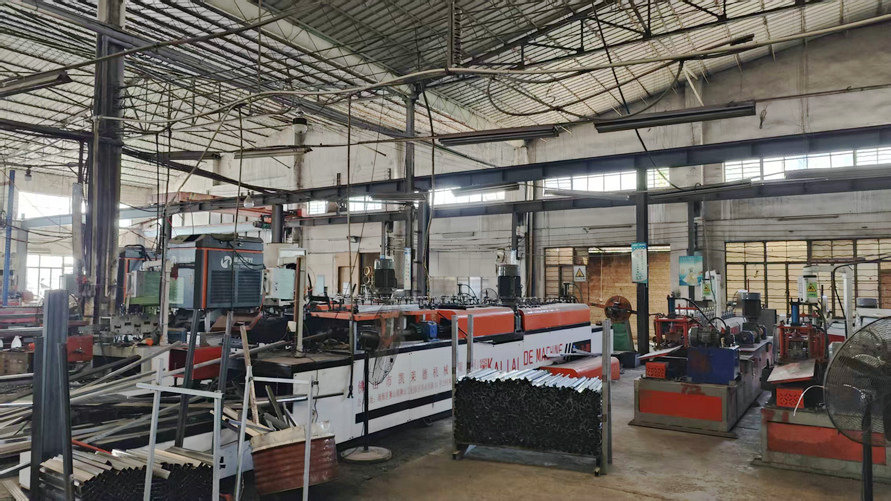
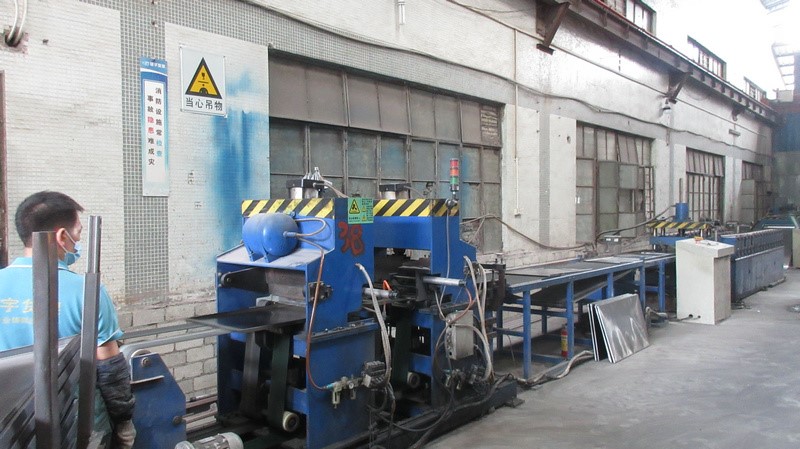
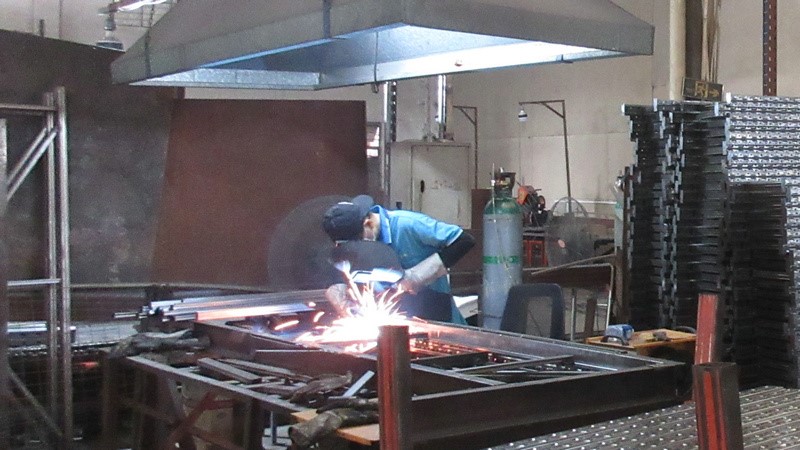
Choosing the correct load capacity and anti-rust technology for high-altitude climate profiles.
Ethiopia's geographic elevation (Addis Ababa sits at 2,355 meters above sea level) presents a unique atmospheric environment. Although humidity is generally lower than in coastal regions, seasonal monsoon rains can lead to accelerated rusting in unventilated warehouses. Consequently, we employ electrophoretic powder coating to ensure that our grid panels resist oxidation for up to 15 years.
Our engineering roadmap emphasizes modularity and automated testing. Future products will incorporate integrated smart tagging (RFID) channels, allowing modern automated storage and retrieval systems (ASRS) within Ethiopian logistics centers to function seamlessly with wire grid components.
Engineered for high structural stability, corrosion resistance, and diverse commercial and logistical applications.
Crucial information regarding shipping logistics, trade compliance, and steel customization for East Africa.
Partner with China’s premier logistics equipment manufacturer to secure reliable supply lines, high-performance wire grids, and project-optimized pricing for your commercial project in Ethiopia.
Send Inquiry Now FutureSpace Rack