Analyzing global retail dynamics, structural safety protocols, and key engineering variables for modern storage optimization.
In the highly competitive grocery retail landscape, physical display infrastructure serves a dual purpose: load-bearing durability and shelf-life preservation. Modern supermarkets, convenience stores, and regional logistics hubs require sophisticated display racking solutions that combine heavy-duty materials with strategic design factors such as micro-ventilation, rust mitigation, and modular adaptability. According to recent cold-chain logistics research, high-quality display and storage systems directly correlate with a 15% reduction in product spoilage and a 23% increase in consumer purchase velocity.
As standard wood racks are increasingly phased out due to hygiene regulations and high maintenance costs, structural engineers and retail space planners are shifting toward metallic-wood hybrids, anti-corrosive powder-coated wire configurations, and stainless steel designs. This engineering whitepaper outlines critical performance metrics, raw material manufacturing standards, and future sustainability trends in the global supply of heavy-duty display solutions.
Engineered to handle extreme loads while optimizing visibility, product presentation, and retail accessibility.
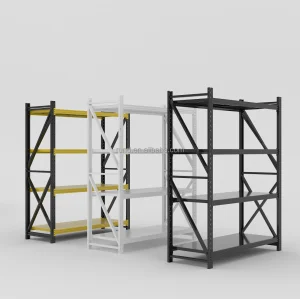
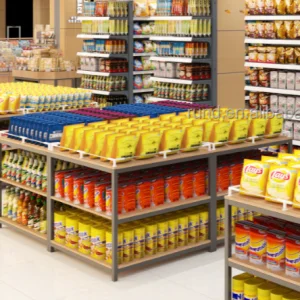
Understanding the engineering standards, QA methodologies, and capacity metrics driving global exports.
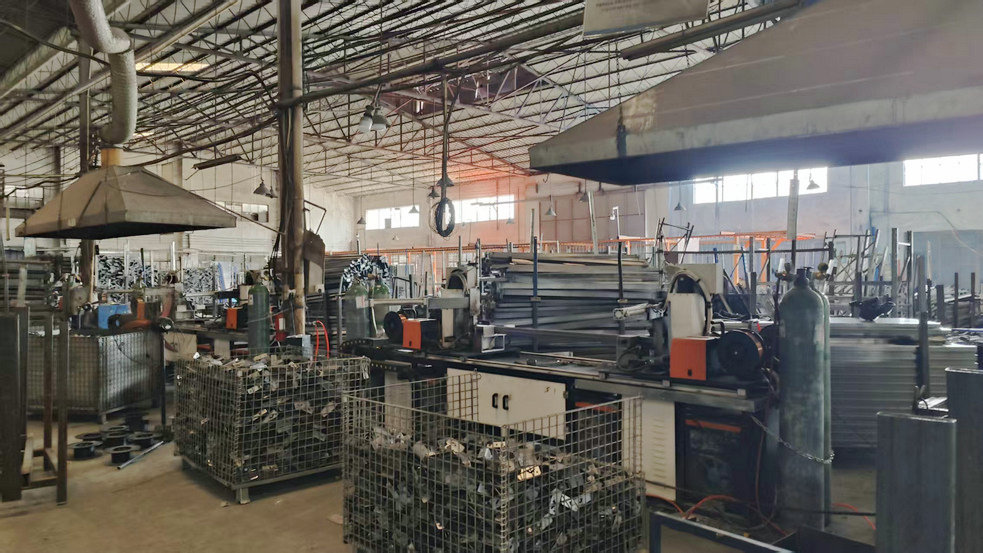
Established in 2018, Ningbo FutureSpace Logistics Technology Co., Ltd. operates a modern 22,000 m² production facility dedicated to structural metal fabrication and display systems. With 8 years of sector expertise and 5 years of international market experience, we have scaled our production to generate $8.5 million in annual export revenue, shipping high-performance racking to demanding markets including Australia, North America, and Eastern Europe.
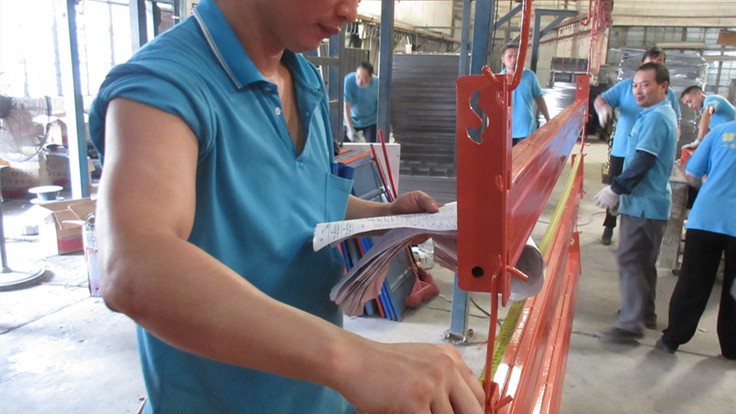
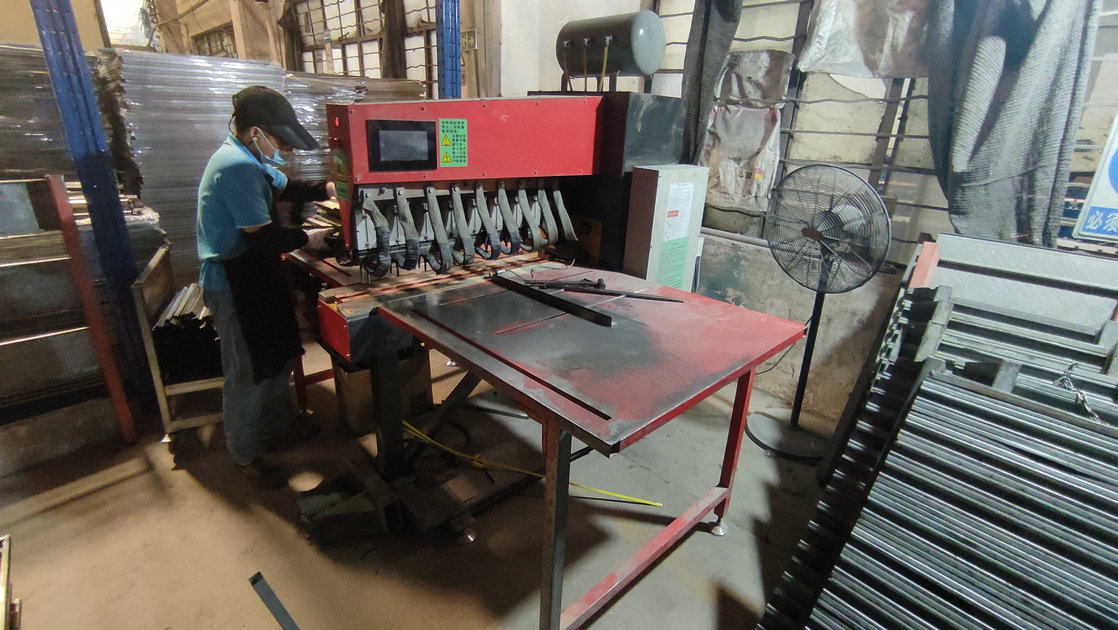
"Every batch of cold-rolled steel undergoes raw material tensile testing and robotic weld seam inspection managed by 22 certified quality technicians, ensuring compliance with SGS and ISO9001 quality assurance frameworks."
Our operation is built on deep integration with a reliable supply network of over 420 upstream partners, allowing us to source certified steel, eco-friendly wood veneer panels, and non-toxic powder coating compounds efficiently. This strong supply chain enables us to serve regional logistics hubs, industrial equipment wholesalers, and large-scale retail buyers without supply bottlenecks. Supported by an experienced team of 28 R&D engineers, we specialize in custom OEM configurations, specific load capacity calibration, and anti-seismic rack layout designs. In the past fiscal year alone, we rolled out 65 new product designs to address evolving grocery retail and storage challenges.
Fabrication Facility
Annual B2B Exports
Certified Techs (SGS/ISO)
New Innovations Yearly
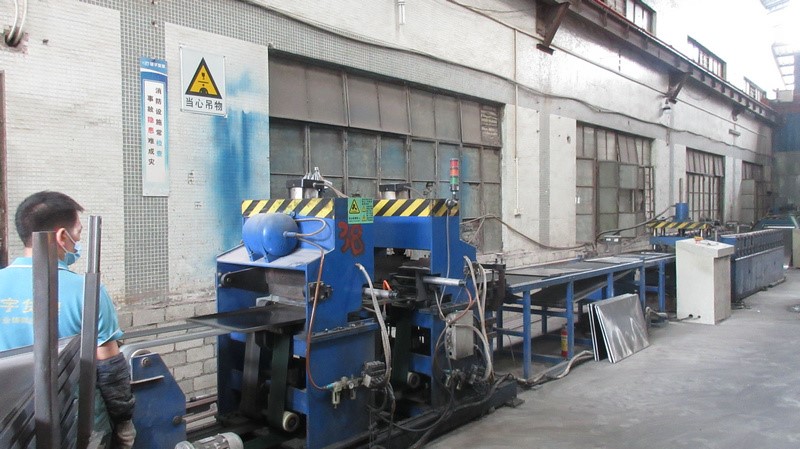
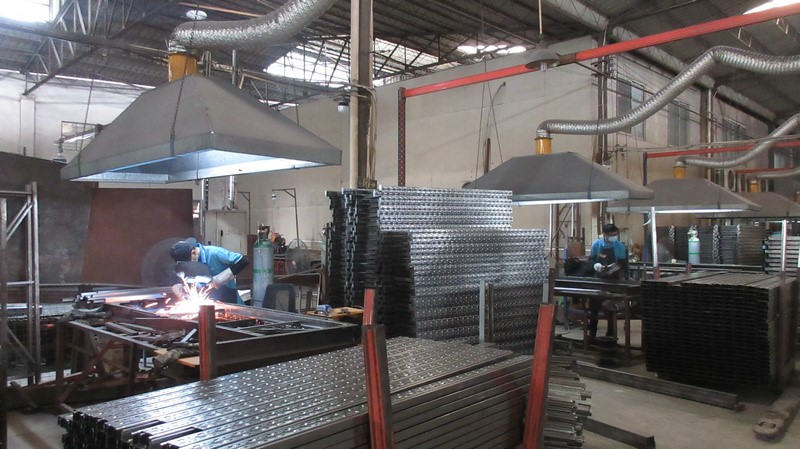
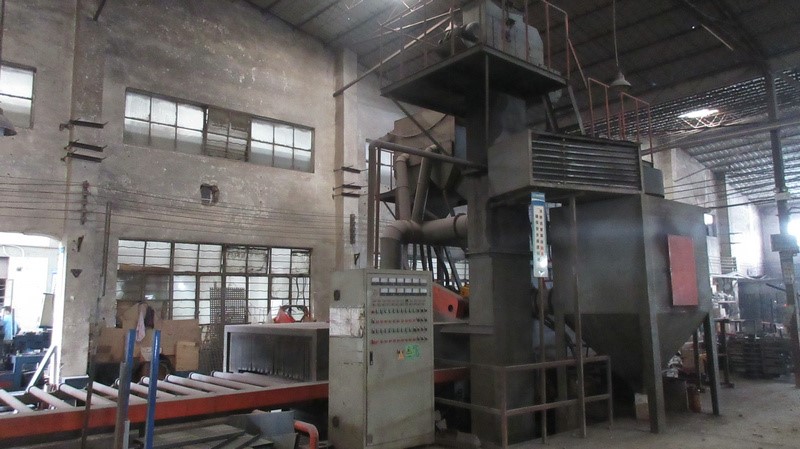
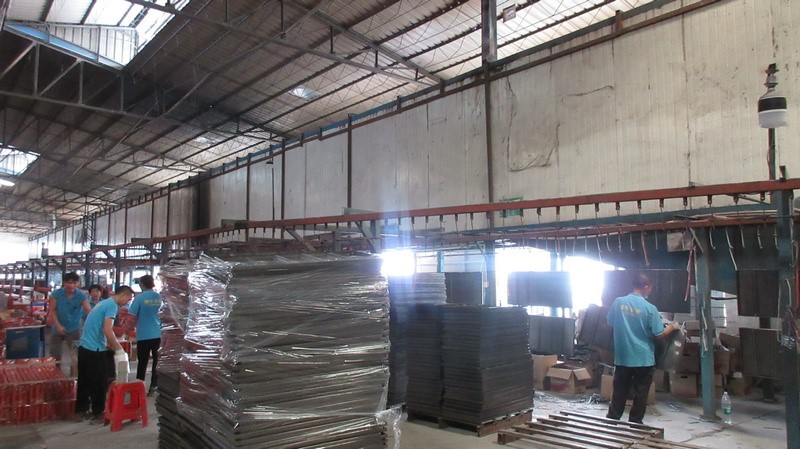
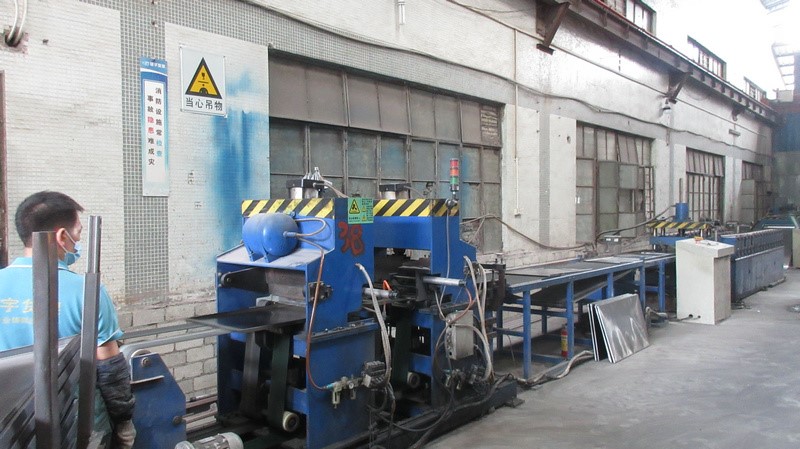
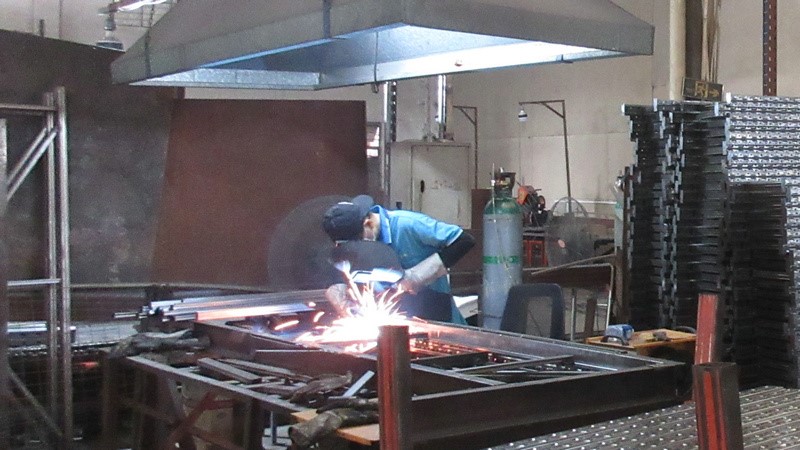
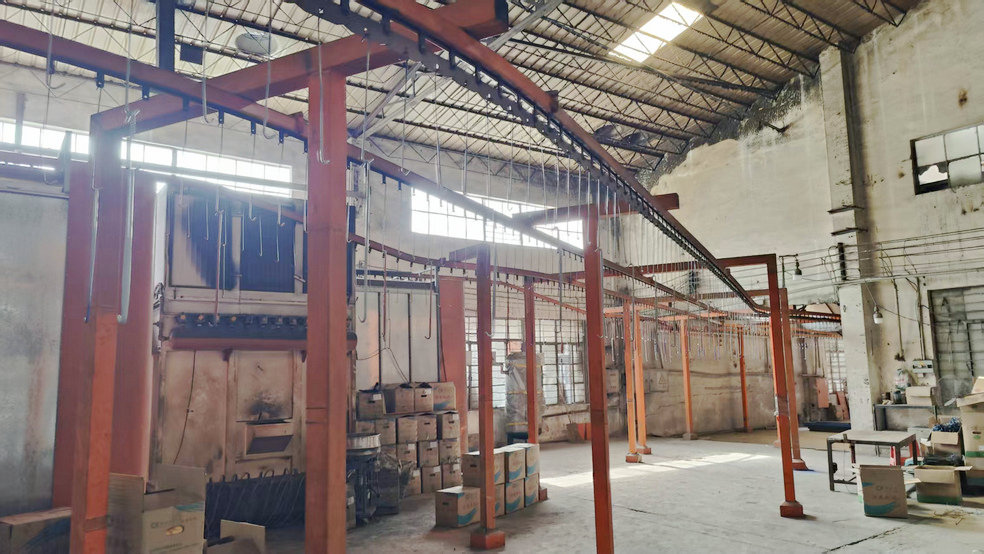
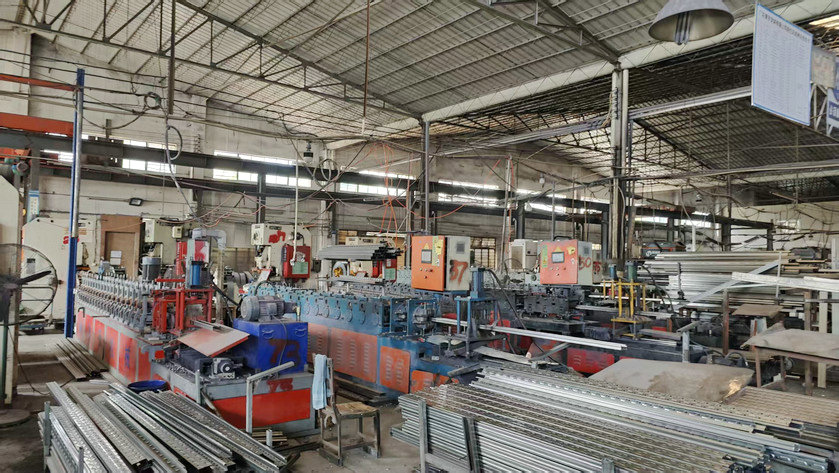
From metallurgical validation to automated powder coating: Here is how our structural integrity is guaranteed.
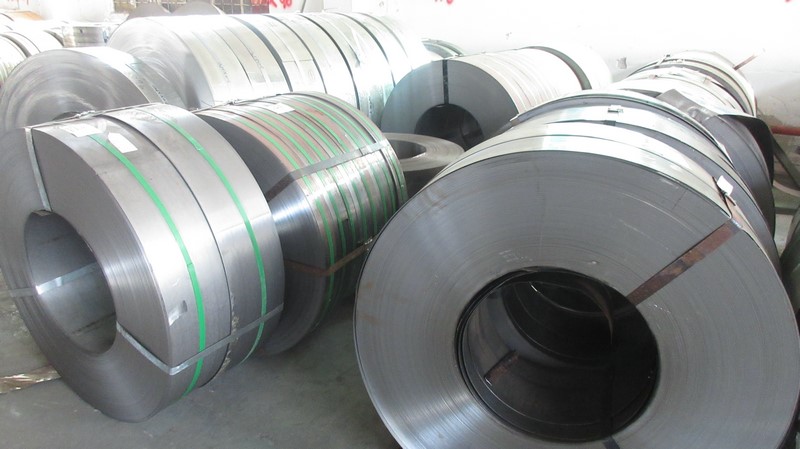
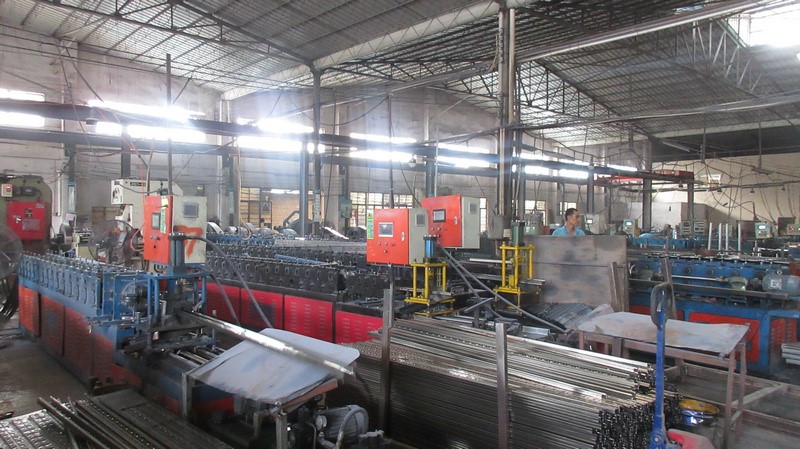
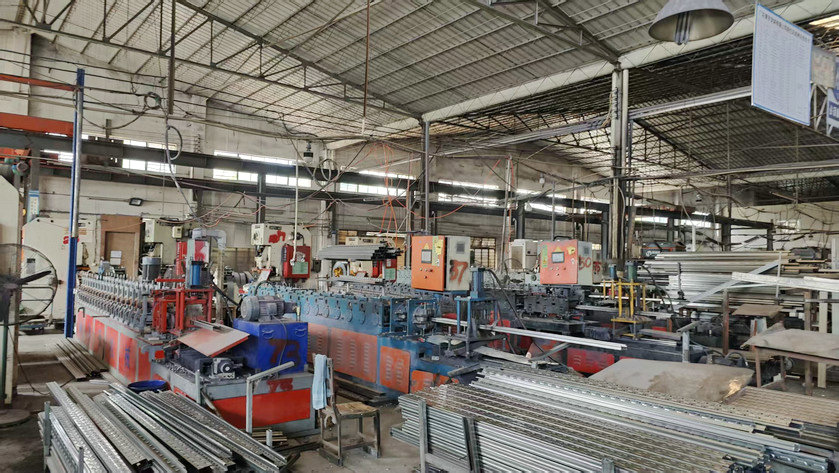
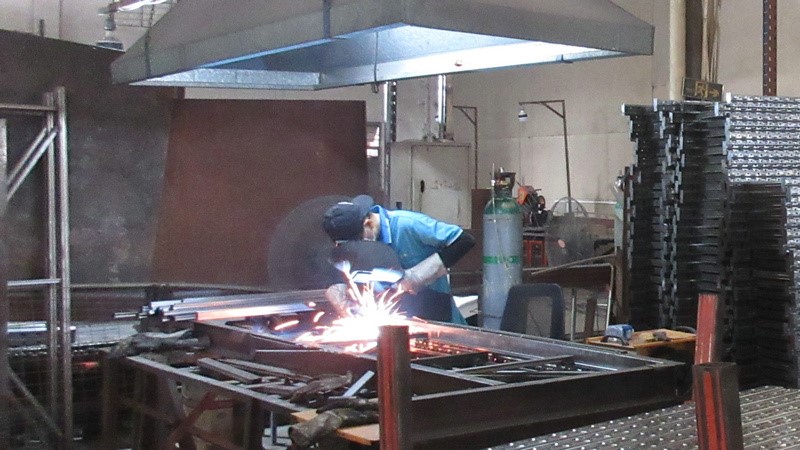
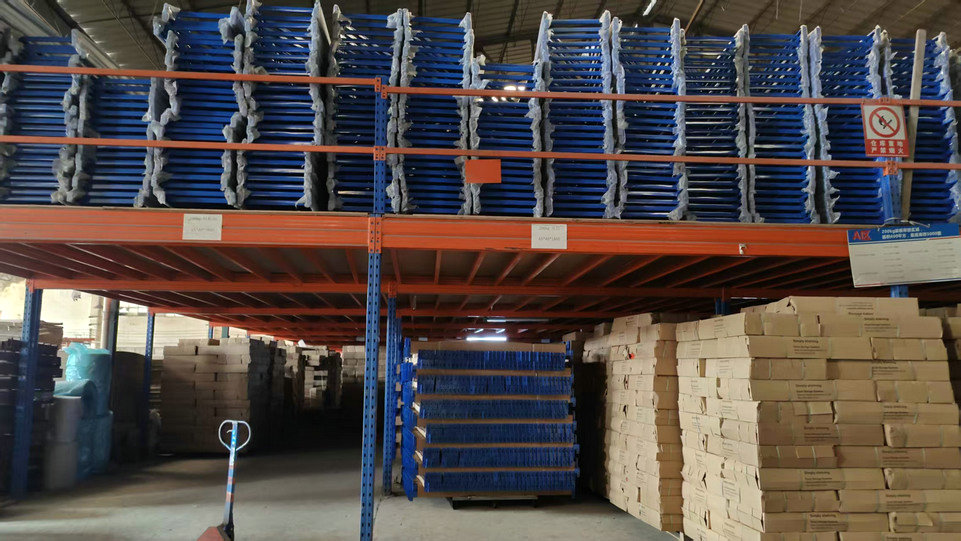
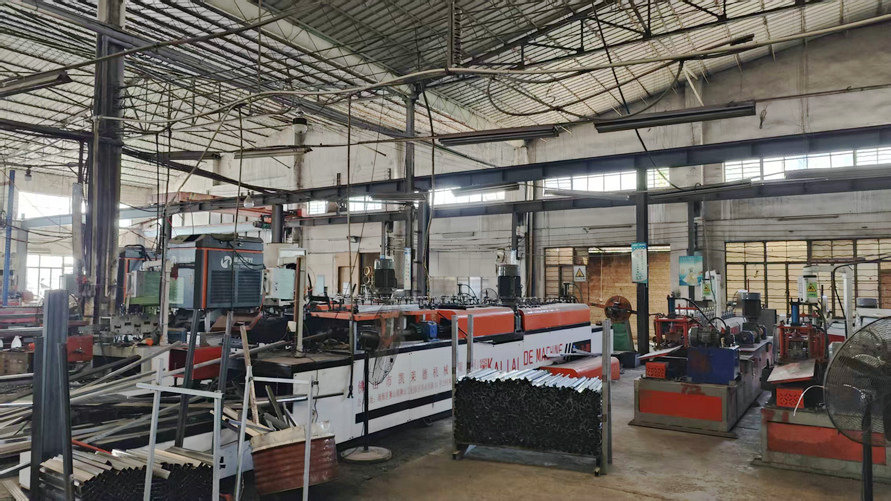
Key design requirements, mechanical factors, and strategic parameters for modern supermarket display procurement.
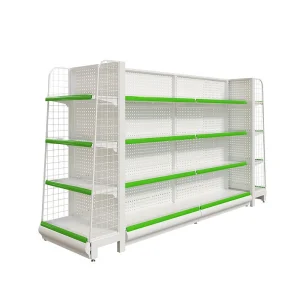
In B2B grocery retail, fruit display design must address both structural load limits and consumer shopping behaviors. Displays should be angled to provide high product visibility without dropping below the ergonomic reach zone (between 700mm and 1600mm off the ground). Wire shelving and mesh basket systems must have rounded edges and deburred welds to protect delicate produce, such as soft fruits, from damage during customer selection and restocking.
Unlike standard grocery shelving, fresh produce displays must support constant air circulation. Ethylene gas, which natural fruit produces as it ripens, can build up in stagnant spaces, accelerating product decay. To prevent this, our steel wire displays use open-wire designs with calculated spacing. This maximizes airflow around the produce and extends fresh shelf life by up to 3 days in climate-controlled environments.
Exposure to moisture, organic acids, and frequent sanitation makes anti-corrosion protection a critical requirement for metal store fixtures. We apply a multi-stage finish: a hot chemical bath for descaling, a zinc-phosphate base coating, and an electrostatic powder-coated finish. This ensures the racks stand up to humidity, water spraying, and industrial-grade cleaning agents.
Multi-stage powder coating and premium stainless steel protect components from fruit acids, routine water spraying, and high humidity.
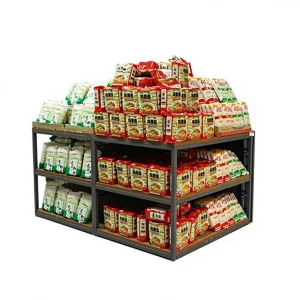
Open-wire and perforated configurations maximize airflow, helping to dissipate ripening gases and extend fresh shelf-life.
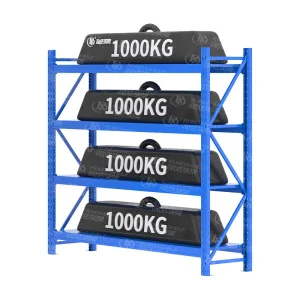
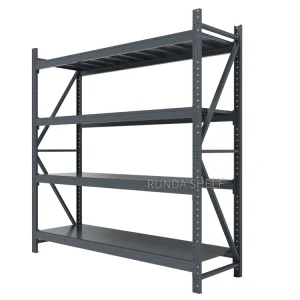
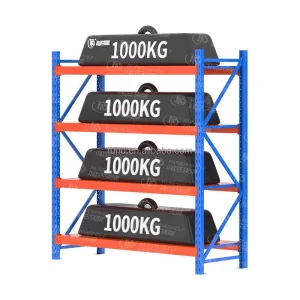
Reinforced steel braces and cold-rolled columns ensure stable load-bearing performance, up to 500kg per tier.
A look at the mechanical properties and raw materials used to build robust retail displays.
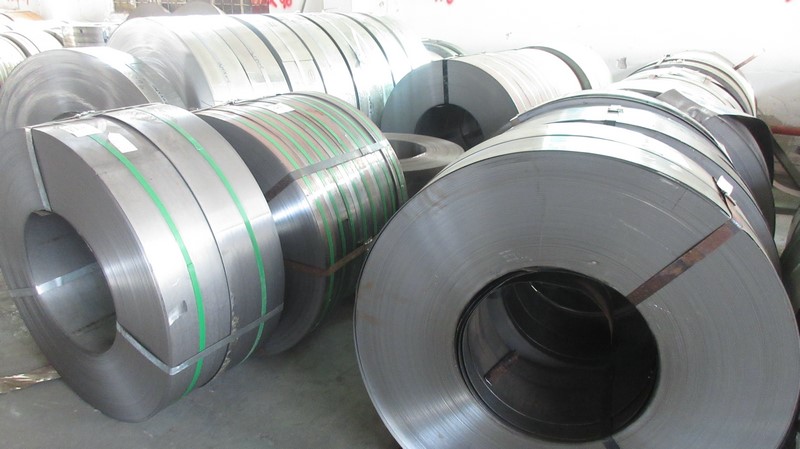
The structural reliability of our retail fixtures starts with certified steel grades. We primarily use Q235B cold-rolled steel, which is selected for its reliable yield strength and ductility. For wet environments or outdoor setups, we rely on high-grade SUS304 stainless steel. This alloy's passive chromium oxide layer prevents rust, even under acidic conditions and frequent washdowns.
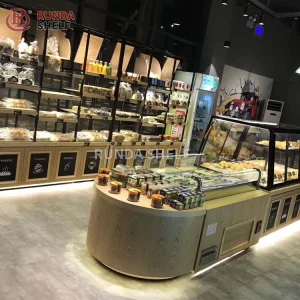
For high-end grocery displays, wood-metal hybrids are a popular choice. We pair a powder-coated steel chassis with MDF panels finished in water-resistant melamine overlays. This setup combines the strength of steel with a warm, natural aesthetic. Every custom build undergoes finite element analysis (FEA) to confirm stability under uneven loading, keeping stores safe for shoppers.
Smart retail integration, sustainable raw materials, and carbon-reduction initiatives.
As digital inventory tracking and automated checkouts become standard, store fixtures are evolving. Our R&D team is working to integrate digital scales and IoT sensors directly into our racking systems. This tech tracks product weights in real time, alerting inventory teams as stock runs low. We're also designing shelves with integrated LED lighting paths to highlight products and make restocking more efficient.
On the environmental front, we are reducing our footprint by using lead-free, VOC-free powder coatings and focusing on highly recyclable metals. By optimizing our material usage, we help retail chains meet their Scope 3 emission targets, offering fixtures that are both durable and eco-friendly.
How we ensure global standards compliance, secure export packaging, and reliable shipping.
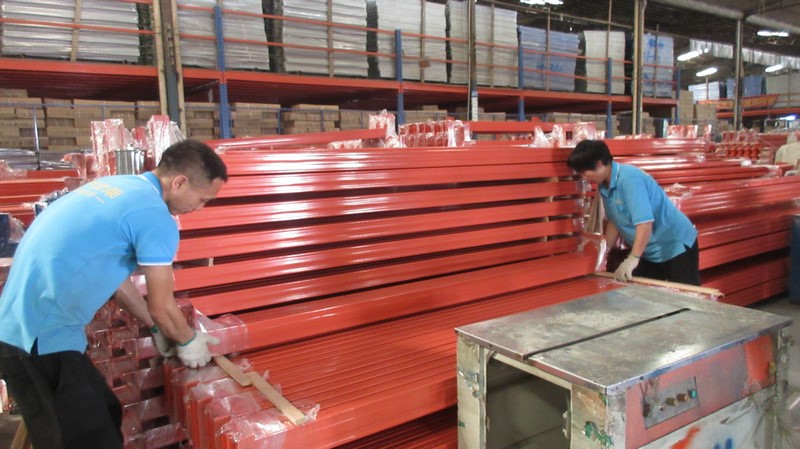
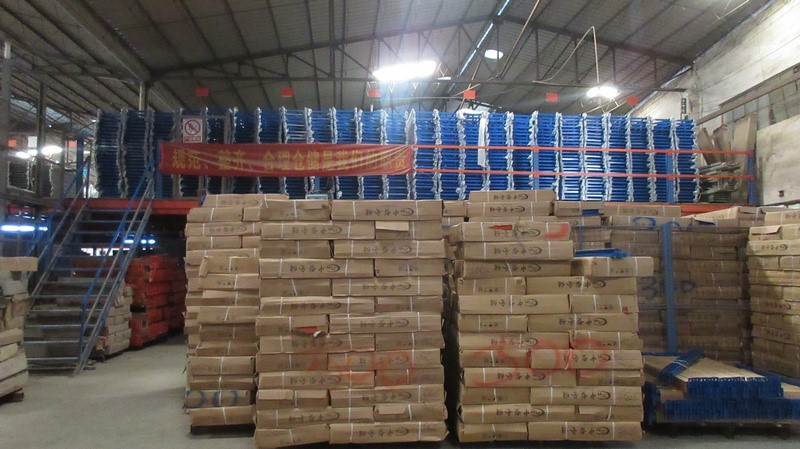
Shipping large retail fixtures internationally requires secure, reliable packaging. At Ningbo FutureSpace, we wrap all powder-coated components in protective bubble wrap, secure them with thick corrugated cardboard edges, and stack them on heavy-duty wooden pallets. This protects the finish from friction during sea transport, ensuring the racks arrive ready for installation.
We work with international logistics providers to manage customs clearance smoothly, providing all necessary import documentation, certificates of origin, and compliance paperwork. Our factory is fully certified to ISO9001 and ISO14001, and our products undergo SGS testing. This guarantees that every shipment meets import regulations and safety standards in the US, Europe, and Australia.
Answering common questions about load limits, custom finishes, rust protection, and international logistics.
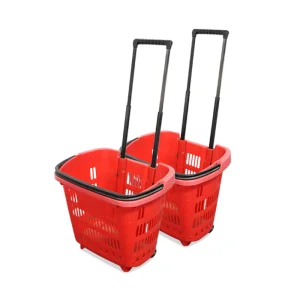
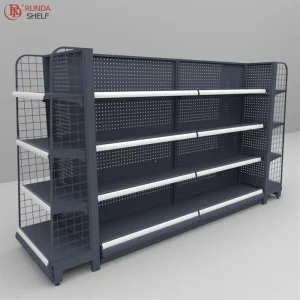
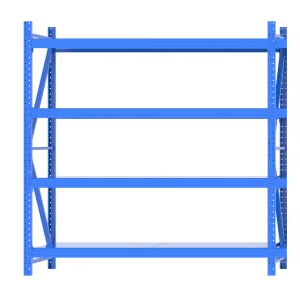
Explore our range of heavy-duty display solutions, clothing racks, shopping baskets, and retail accessories.
 FutureSpace Rack