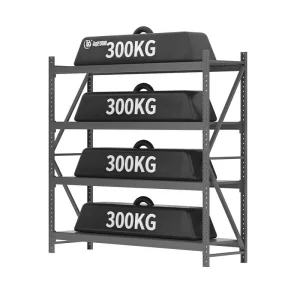
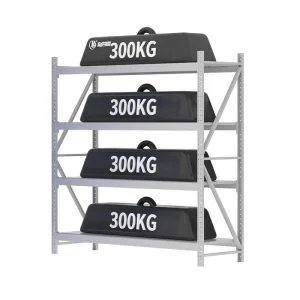
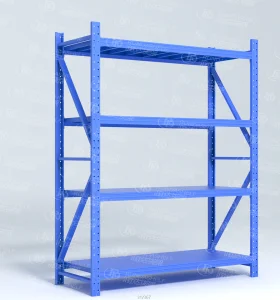
Explore our foundational range of heavy-duty industrial storage racks, retail display shelves, and high-capacity modular components engineered for global logistics hubs and retail centers.
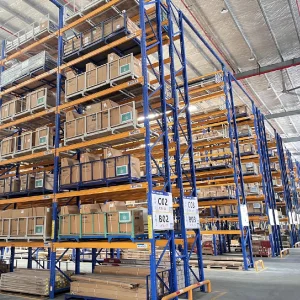
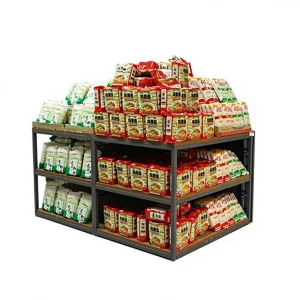
Global logistics managers, procurement directors, and retail warehouse hubs continually evaluate structural integrity and cost efficiency. The production clusters in China, particularly within Ningbo, provide a mature operational framework for manufacturing industrial storage systems. Ningbo FutureSpace Logistics Technology Co., Ltd. serves as a benchmark entity in this cluster, combining advanced metallurgy with specialized fabrication.
Why Material Origin Matters: High-Tensile Q235B Carbon Steel
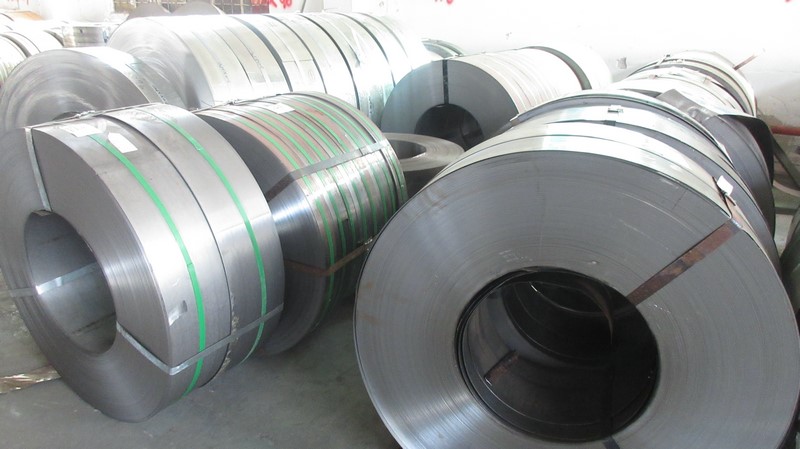
Q235B steel provides the ideal physical envelope of ductility, yield strength (235 MPa), and weldability. This material profile ensures that shelving structures resist deflection under high-load static constraints and localized structural vibration.
By leveraging more than 420 upstream supply chain partners, FutureSpace controls raw material costs and ensures component availability. This ecosystem enables rapid custom design modifications, turning custom client drawings into production-ready profiles in days instead of weeks. Additionally, integrated vertical logistics within the Ningbo port district reduces transit complexity, shortening international lead times and optimizing overall procurement cycles.
An enterprise-level supply chain relies on consistent steel grading, unified powder-coating polymers, and reliable fastener supplies. Ningbo's industrial cluster minimizes inter-facility transport times and reduces raw-material handling wear. This concentration yields lower overhead costs and helps stabilize pricing, protecting international buyers from standard steel market price volatility.
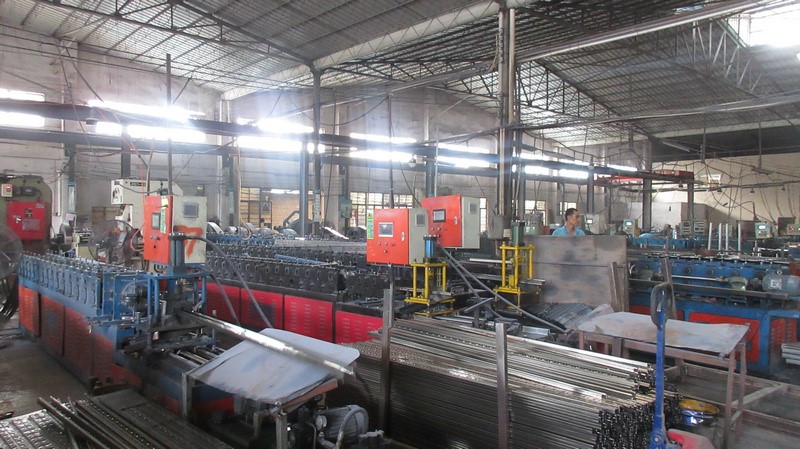
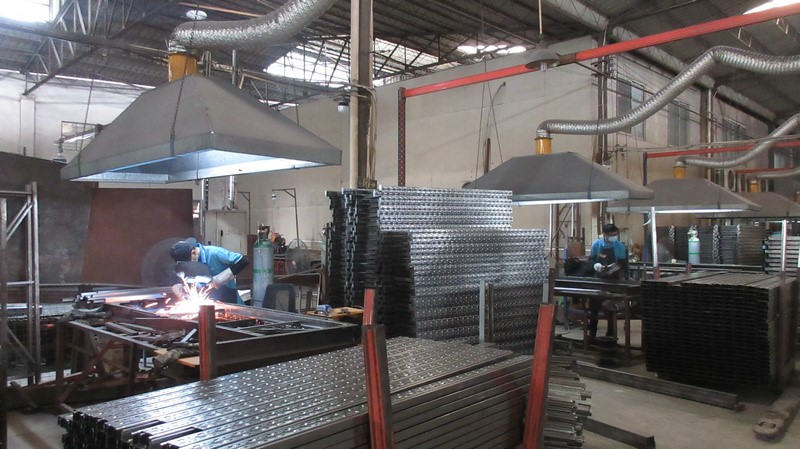
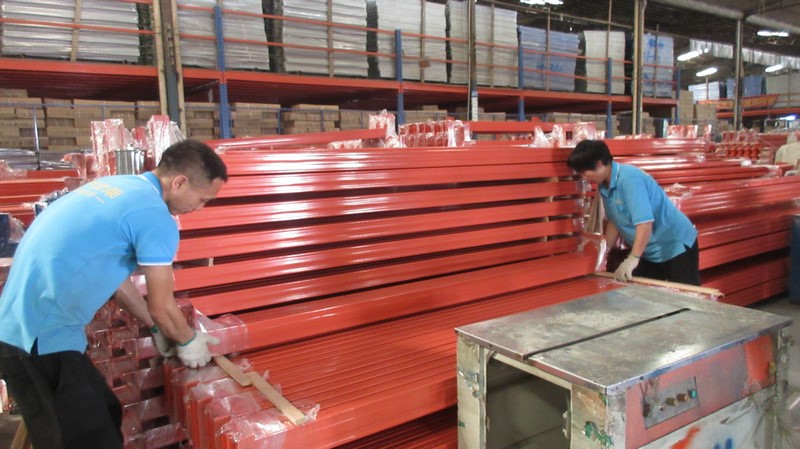
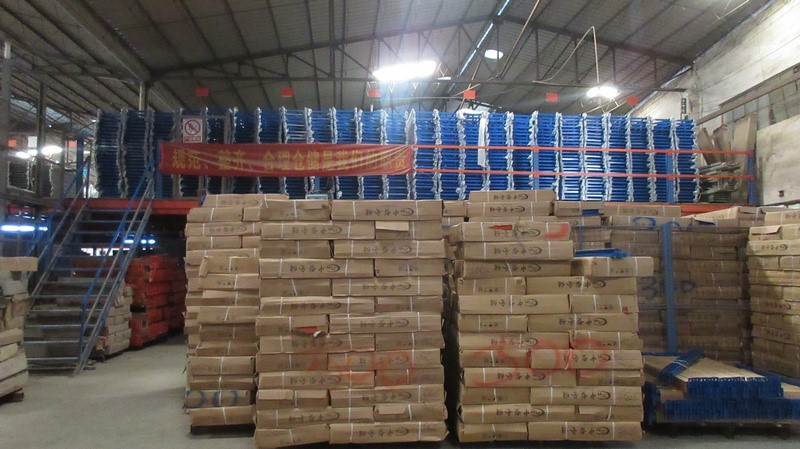
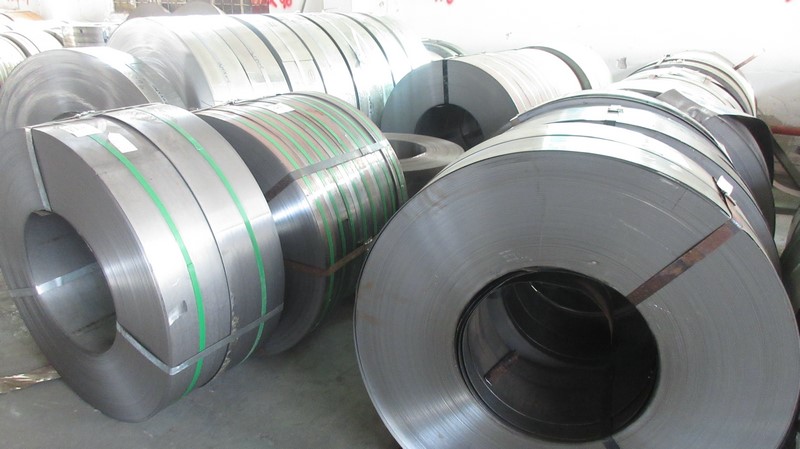
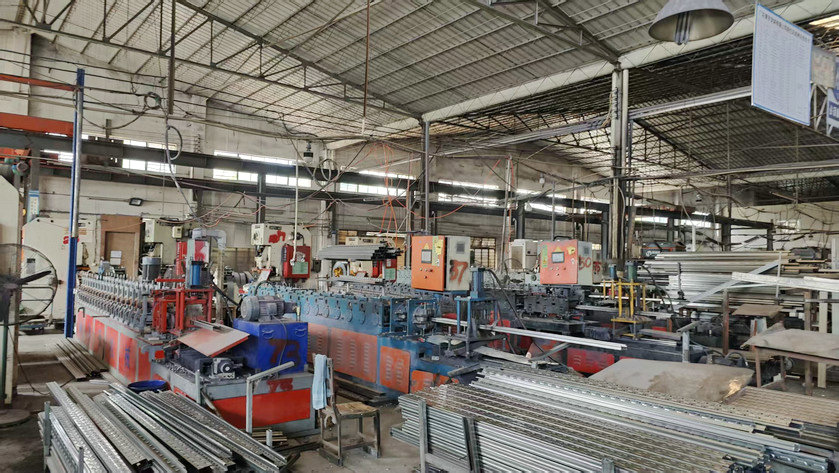
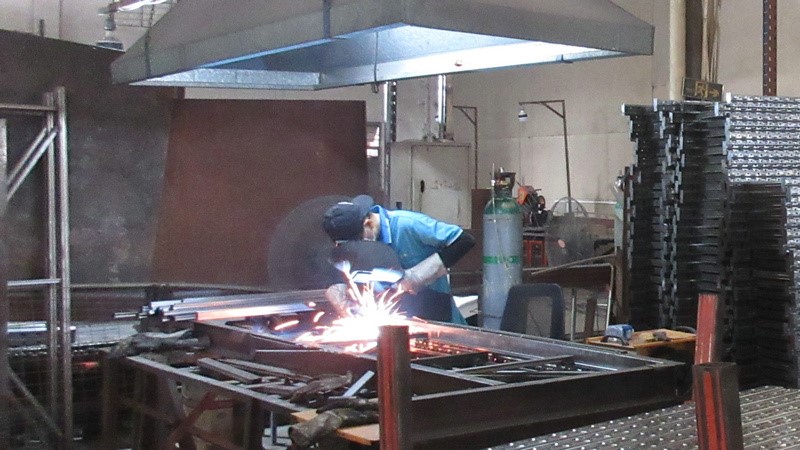
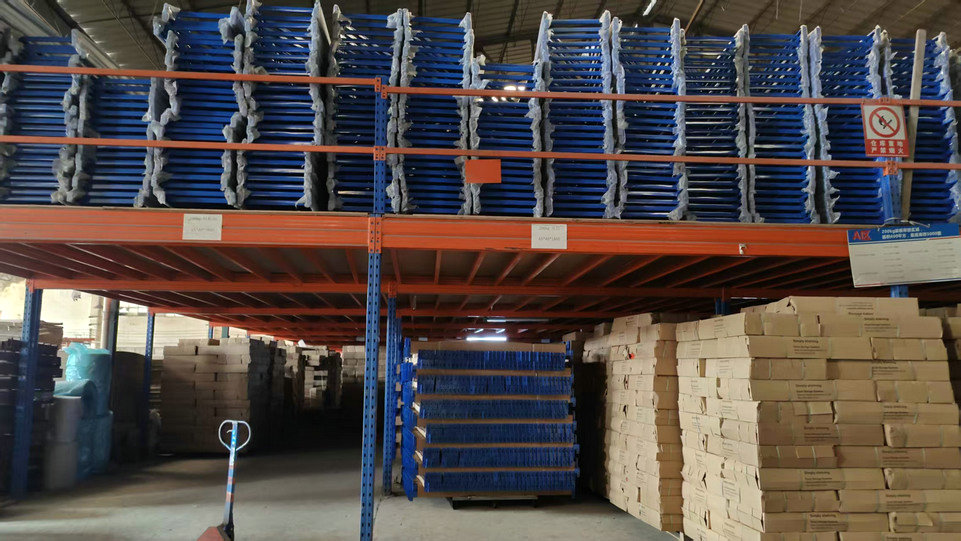
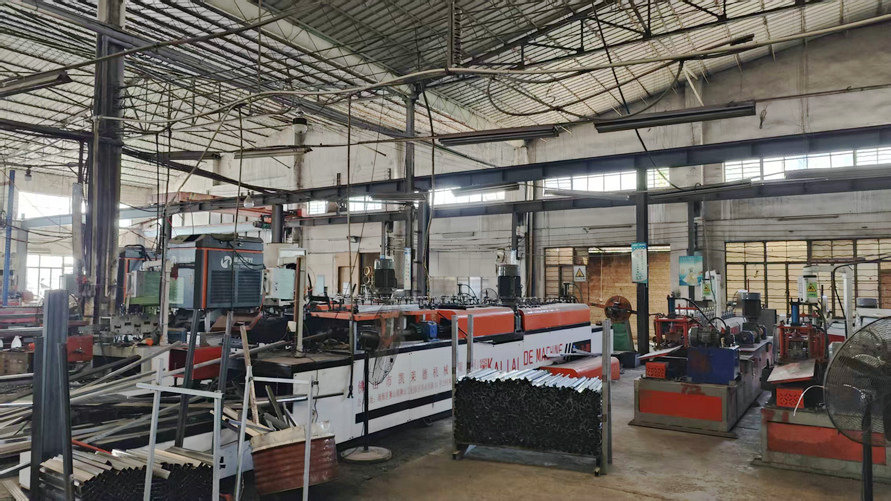
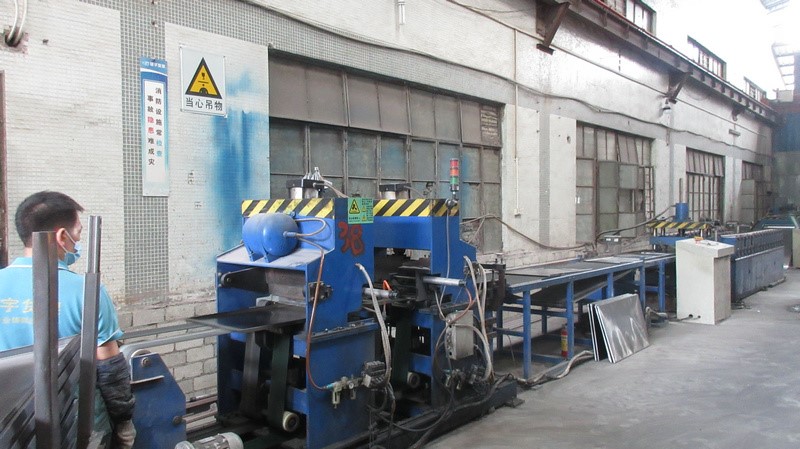
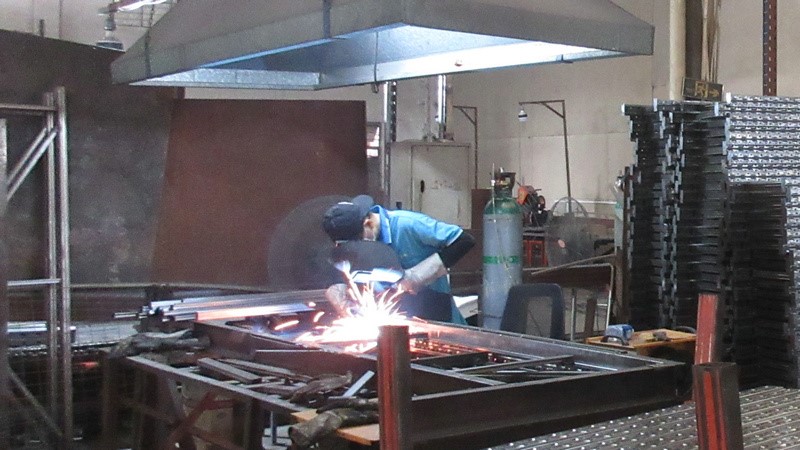
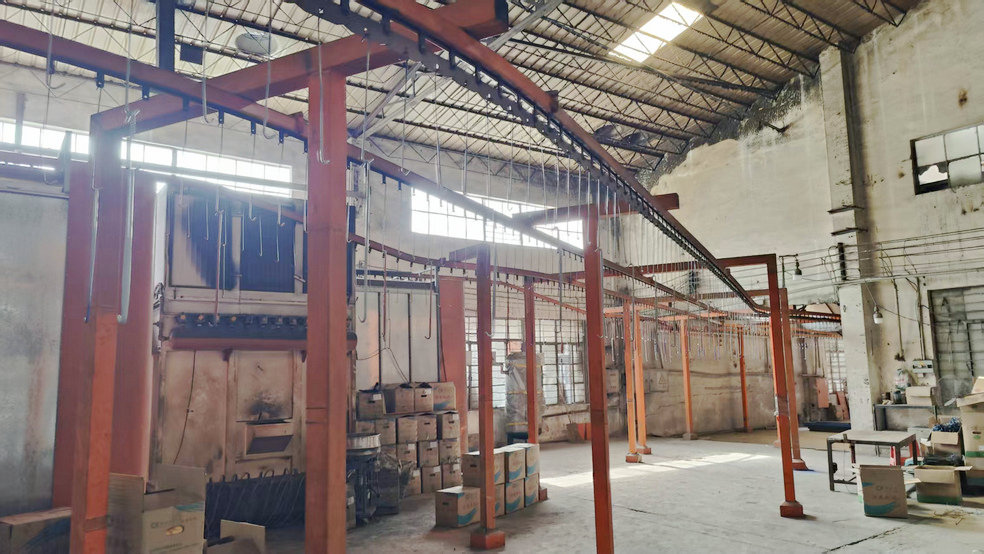
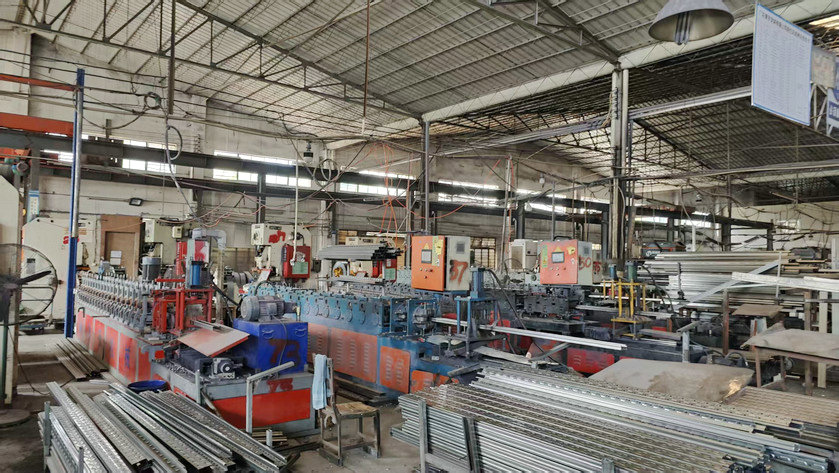
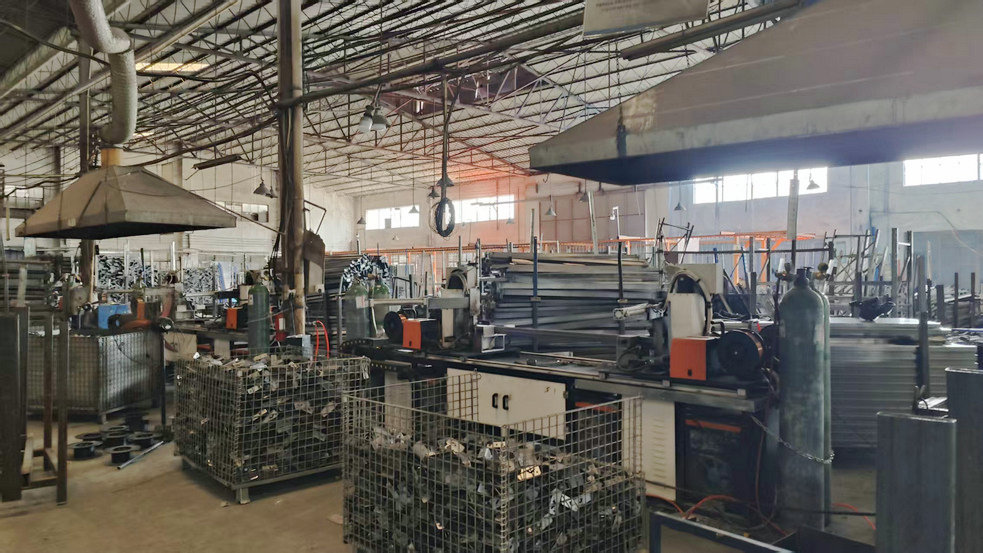
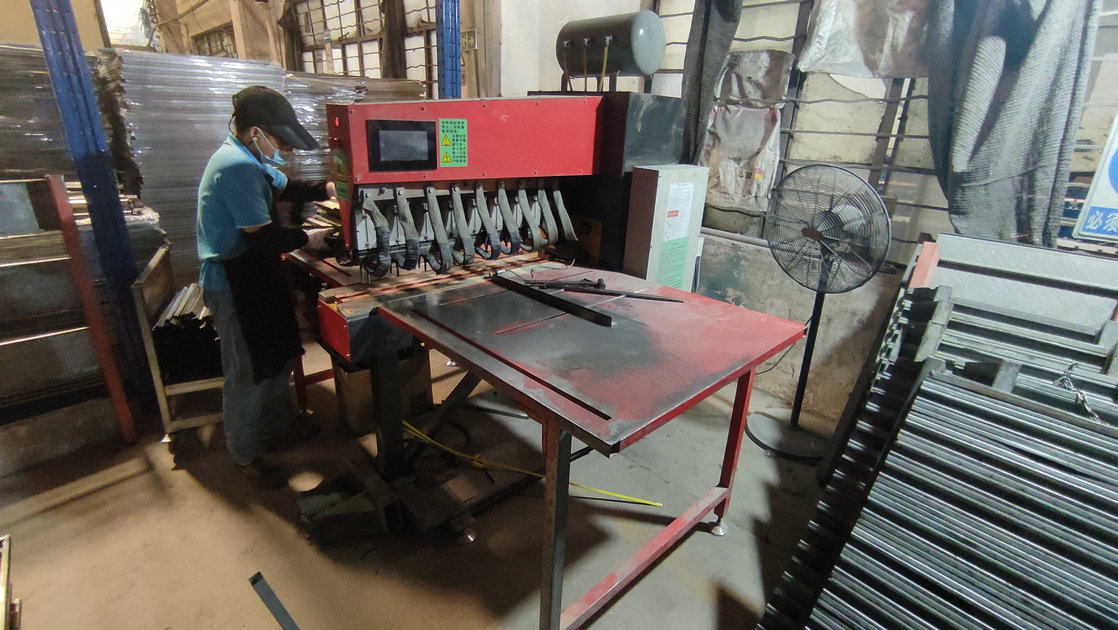
Ningbo FutureSpace operates on a 22,000 m² footprint, processing raw sheet and tubular profiles into high-tolerance industrial storage components.
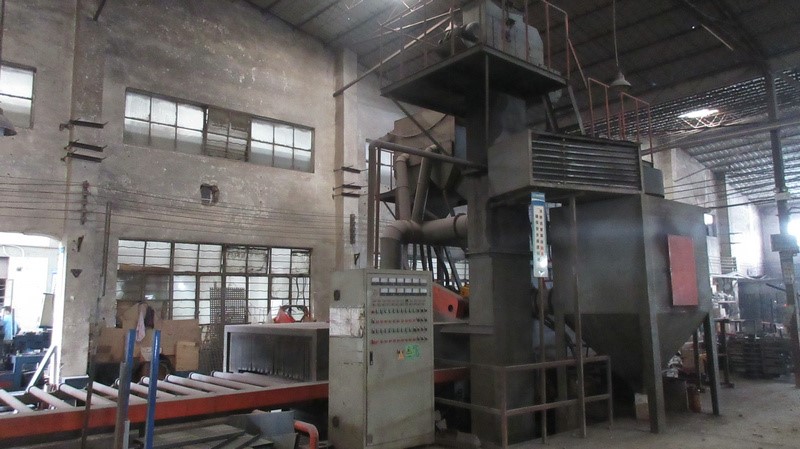
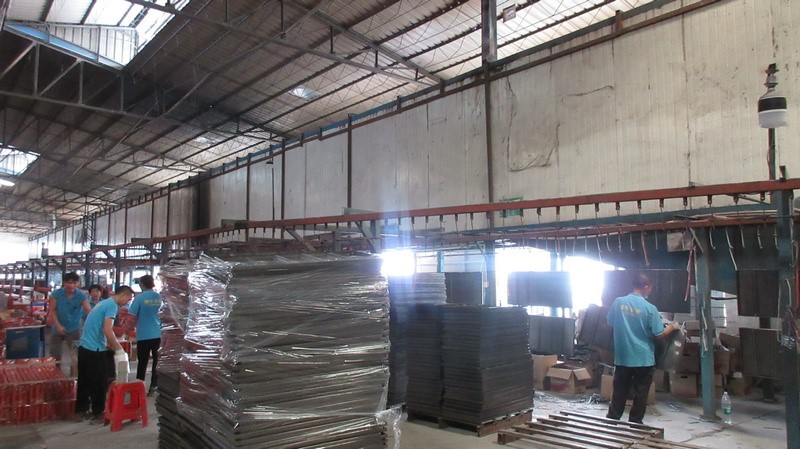
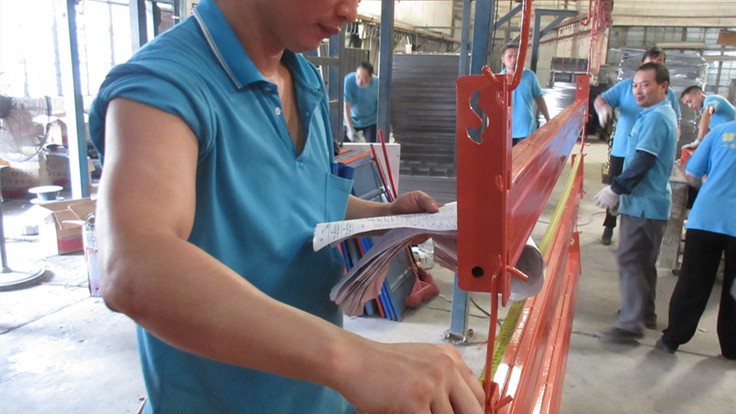
A transparent look at the processing floor of Ningbo FutureSpace Logistics Technology Co., Ltd. Quality control occurs at each station, from material profiling to final line assembly.
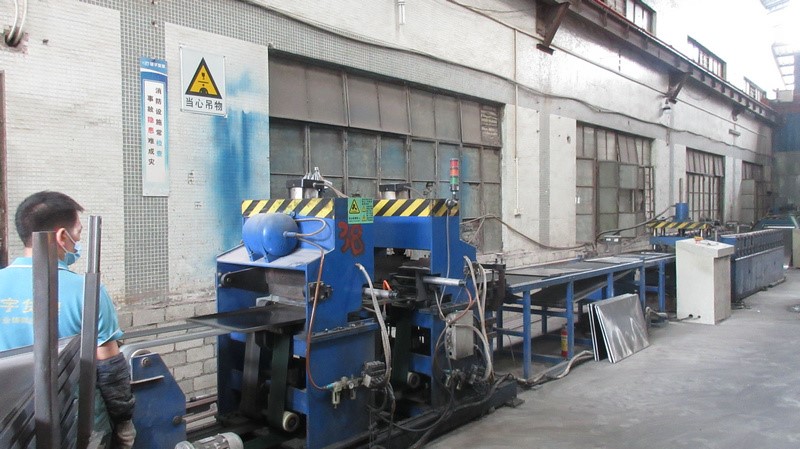
Ningbo FutureSpace maintains an active verification process to support international supply operations:
This compliance pipeline ensures components meet the structural criteria needed for high-bay and selective racking installations.
Exporting structural steel systems to Australia, North America, and Eastern Europe requires compliance with localized building codes and safety regulations. Storage systems must meet defined load-carrying requirements without structural failure.
In Australia, industrial racking must conform to AS 4084-2012 Steel Storage Racking. This standard dictates structural testing procedures, limits for frame tolerances under load, and strict calculations for baseplate and anchor performance. Systems supplied by Ningbo FutureSpace are engineered to meet these compliance baselines, preventing project delays during municipal inspections.
For North American distribution centers, systems align with the Rack Manufacturers Institute (RMI) MH16.1 design standard. Calculations account for localized seismic criteria, requiring specific bracing patterns and baseplate sizing. In Eastern Europe, compliance with the EN 15512 European Code for Steel Static Storage Systems ensures load safety margins are verified before shipment.
Maintaining safety under load relies on consistent steel thickness. Standard manufacturing uses mill-certified steel sheet with nominal thickness tolerances within ISO guidelines. This tolerance control protects shelves from early deflection and premature failure.
Industrial procurement teams face a choice between ordering directly from the factory floor or using intermediate trading agents. Sourcing directly from an integrated producer like Ningbo FutureSpace provides visibility into material sourcing, manufacturing tolerances, and scheduling.
Direct Factory Advantages for Industrial Projects
Furthermore, custom requirements—such as specialized powder coating specifications, non-standard unit sizes, or custom punching designs—can be integrated directly into production scheduling. This reduces feedback delays, ensuring final components match exact project layouts.
FutureSpace’s engineering team introduced 65 new product designs in the past year, reflecting market demands for:
Industrial warehousing and display configurations are shifting to support automation:
Modern storage facilities demand high precision. Automated Guided Vehicles (AGVs) and stacker cranes depend on strict dimensional accuracy along aisles. Micro-deflections in structural steel frames can disrupt automated optical sensors, leading to system downtime.
FutureSpace manufactures upright frames using automated roll-forming equipment to maintain dimensional stability across long beam lengths. High-quality steel and precise structural design minimize frame twist, providing a stable foundation for automated warehouse operations.
Surface treatment directly impacts the operating life of metal shelving systems. Unprotected steel deteriorates rapidly in humid conditions, near seawater, or in climate-controlled grocery storage. The manufacturing process uses multi-stage pickling, iron phosphate conversion coating, and electrostatic powder application, producing a scratch-resistant barrier. This process helps extend the structural life of the steel and reduces long-term maintenance costs.
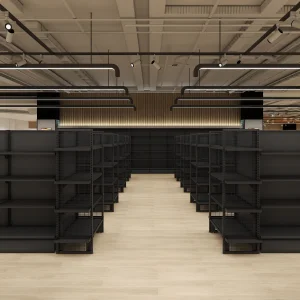
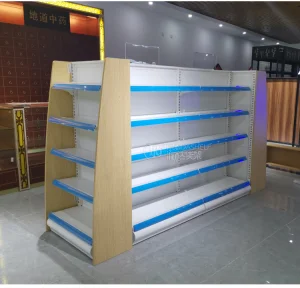
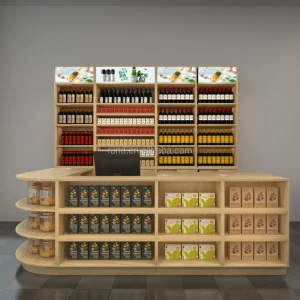
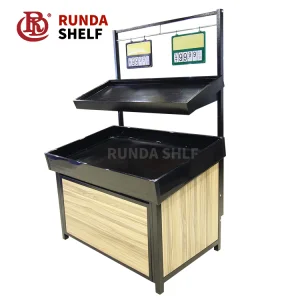
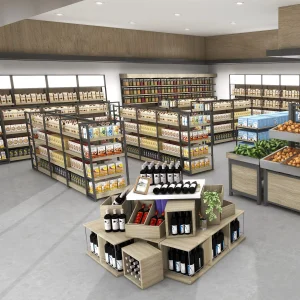
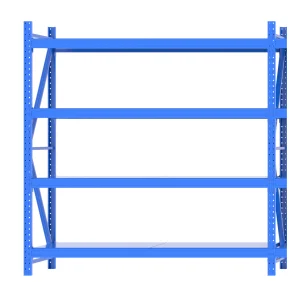
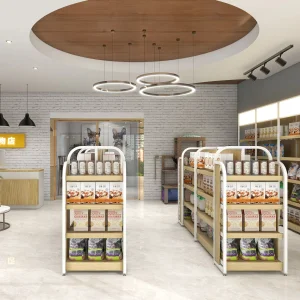
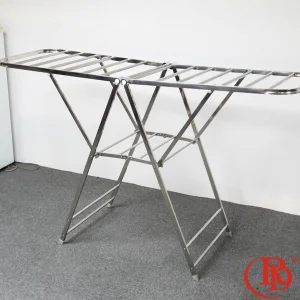
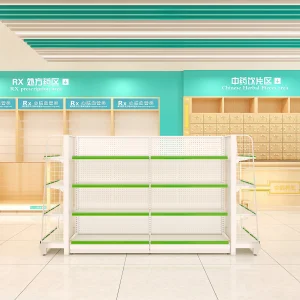
Browse our collection of modular supermarket displays, high-density light storage systems, and specialized retail shopfitting options built for durable operation.
Get answers to common technical, manufacturing, and shipping questions for major international projects.
Our heavy-duty racking systems are manufactured primarily from Q235B high-strength carbon steel. This material balance offers a yield strength of 235 MPa and good ductility, which is essential for preserving structural integrity under dynamic warehouse loads.
Load limits are calculated via structural FEA (Finite Element Analysis) models and confirmed by SGS physical destruction testing. We run raw material tensile testing and check weld penetration to ensure frames perform reliably at their rated capacities.
We work to ISO 9001:2015 quality standards. Our product structural layouts can be configured to comply with Australian AS 4084-2012, European EN 15512, and North American RMI standards.
Standard container orders are fabricated and coated within 25 to 35 days. Custom sizing or specialized powder coating colors may add 5 to 10 days to the production cycle, depending on material sourcing needs.
Steel surfaces go through a multi-stage cleaning process: steel shot-blasting derusting, followed by an iron phosphate pre-treatment wash. We then apply an electrostatic thermosetting powder coat to create a durable, scratch-resistant barrier.
Yes, our team of 28 R&D engineers creates structural racking designs in CAD. We optimize layouts for maximum bay density and load distribution based on your facility dimensions and pallet dimensions.
 FutureSpace Rack