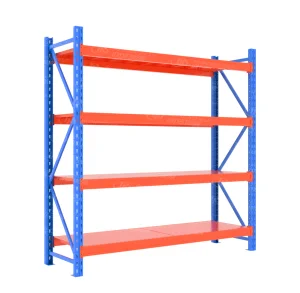
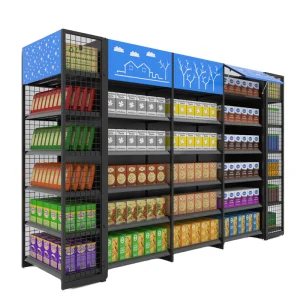
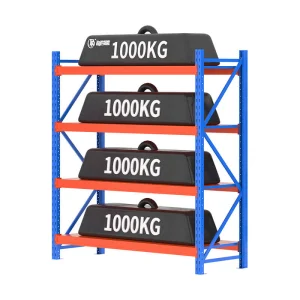
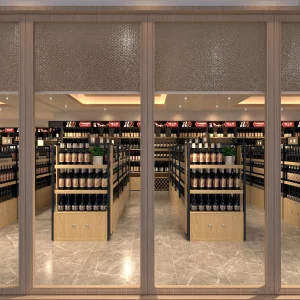
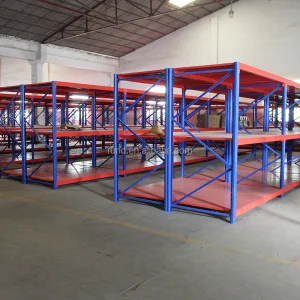
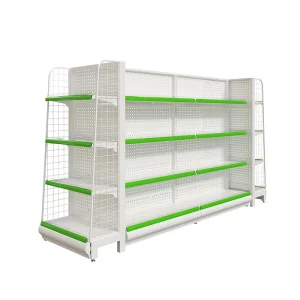
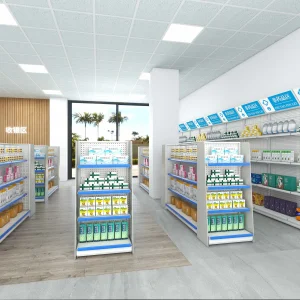
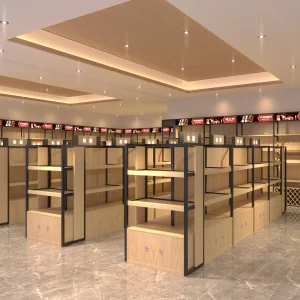
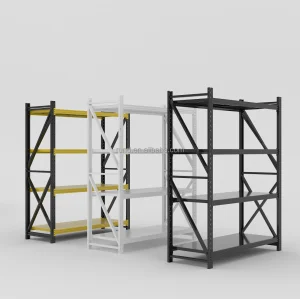
In the era of hyper-localized distribution, exploding land valuations, and SKU proliferation, industrial planners and architects face a critical challenge: maximizing storage volume while minimizing structural footprint. Traditional static racking structures, though reliable, waste up to 50-60% of physical footprints purely on access aisles. Industrial-grade compact shelving solutions—including mobile carriages, high-density lateral track systems, and motorized heavy-duty rolling racks—allow businesses to consolidate multiple aisles into a single moving dynamic corridor.
Globally, market demand for modular, high-density mobile steel shelving has crossed a major threshold. Warehouses are shifting from simple racking configurations to fully integrated storage environments designed to operate under seismic, dynamic, and thermal variations. Key growth drivers include the rise of cold-chain pharmaceutical facilities, high-value electronics manufacturing depots, archival defense files, and rapid-fulfillment micro-hubs. Modern compact systems yield up to an 85% increase in physical storage density compared to conventional layout schemes.
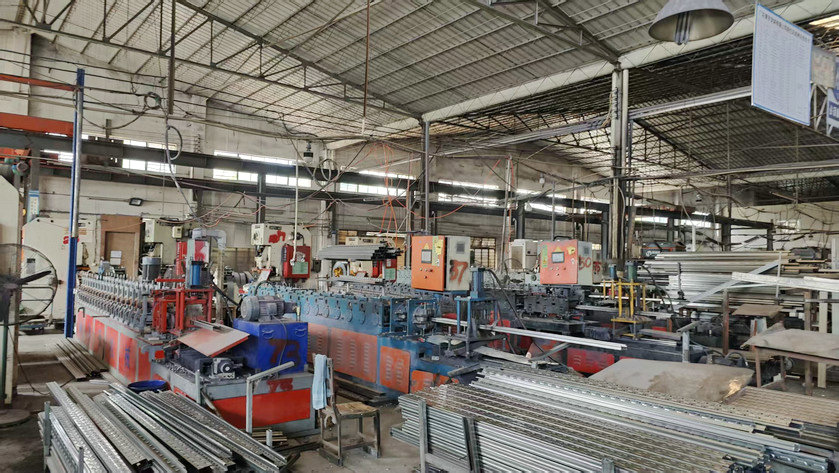
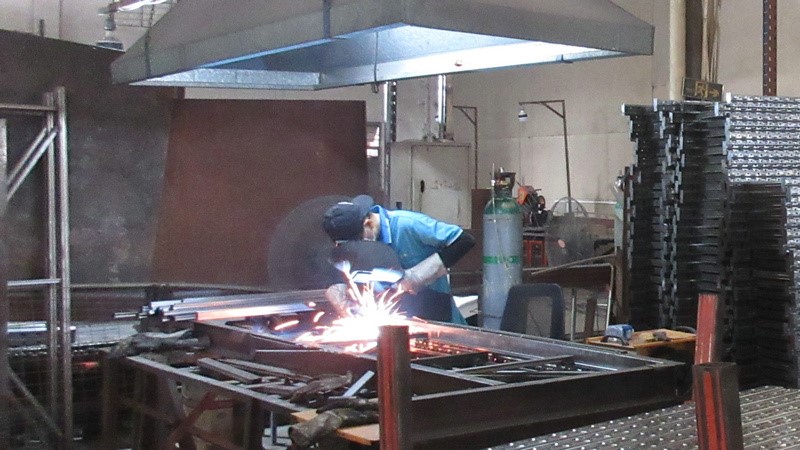
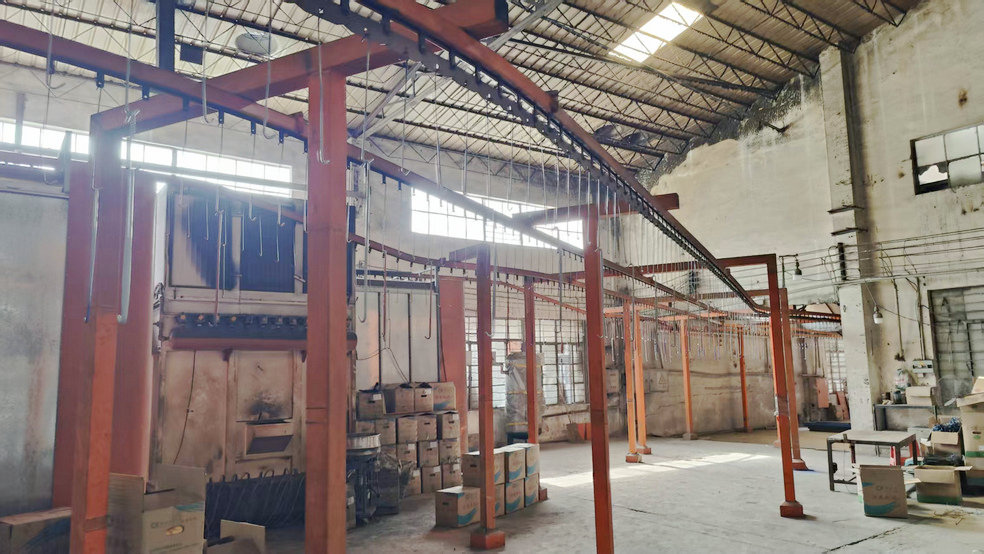
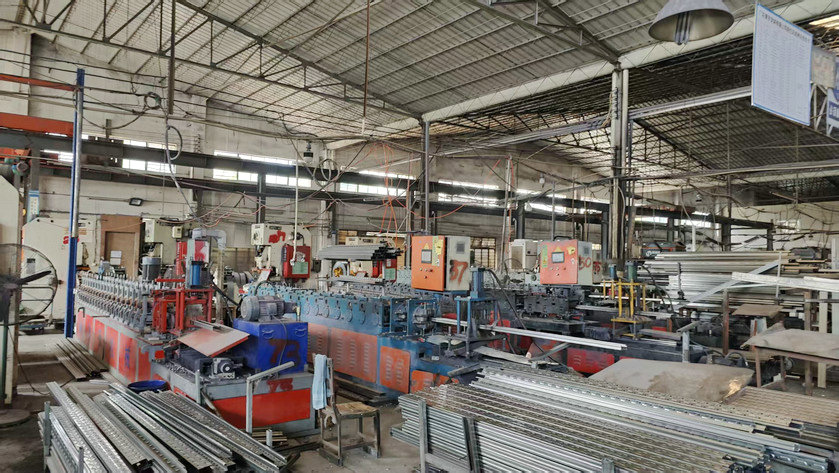
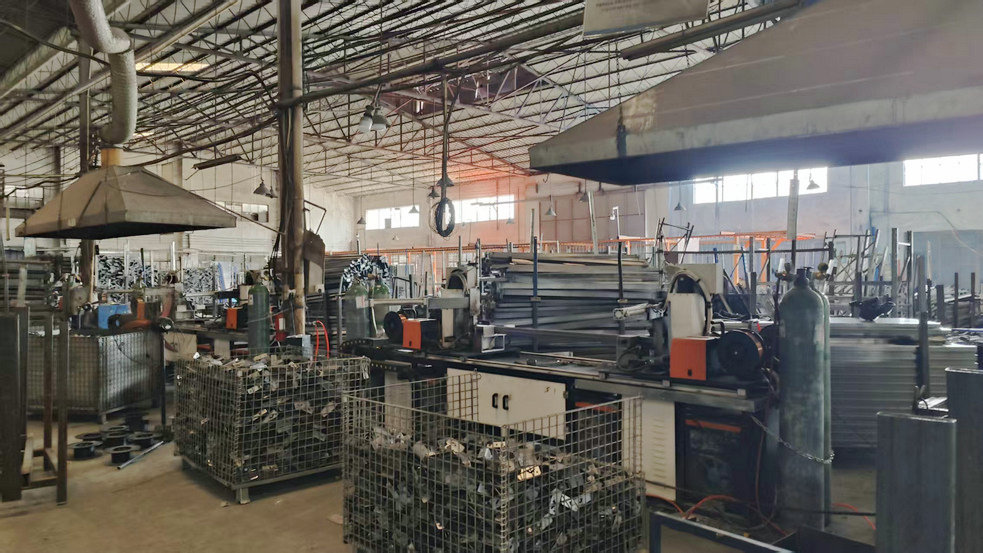
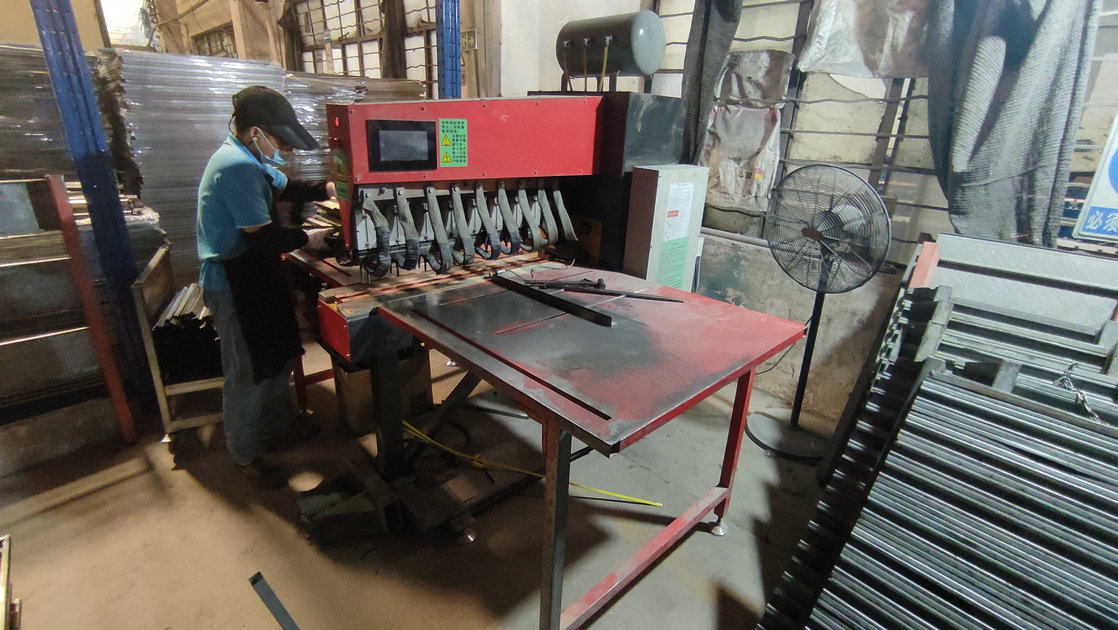
Founded in 2018, Ningbo FutureSpace Logistics Technology Co., Ltd. is a leading manufacturer of high-precision heavy-duty warehouse storage racks, dynamic shelving systems, and commercial metal structures. Our state-of-the-art 22,000 m² manufacturing plant combines raw-material testing, robotic welding, high-capacity powder coating, and automated bending processing to ensure consistency across complex project orders.
Our quality assurance system relies on strict compliance with SGS and ISO9001:2015 structural standards. We employ 22 certified quality control technicians who monitor raw material tensile strength and conduct ultrasonic testing on load-bearing weld seams. By leveraging over 420 upstream material and component supply chain partners, we ensure reliable deliveries to industrial wholesalers, regional logistics hubs, and commercial distributors throughout North America, Australia, and Eastern Europe.
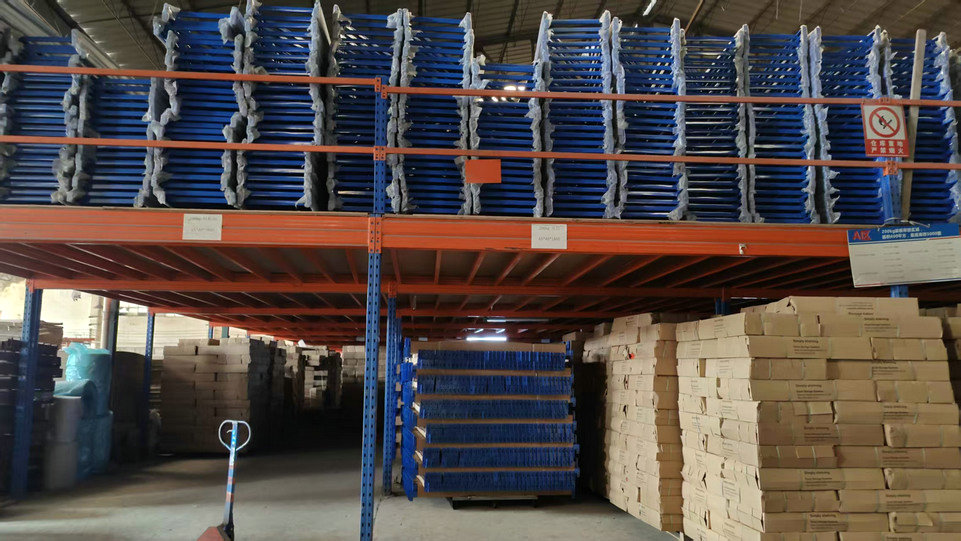
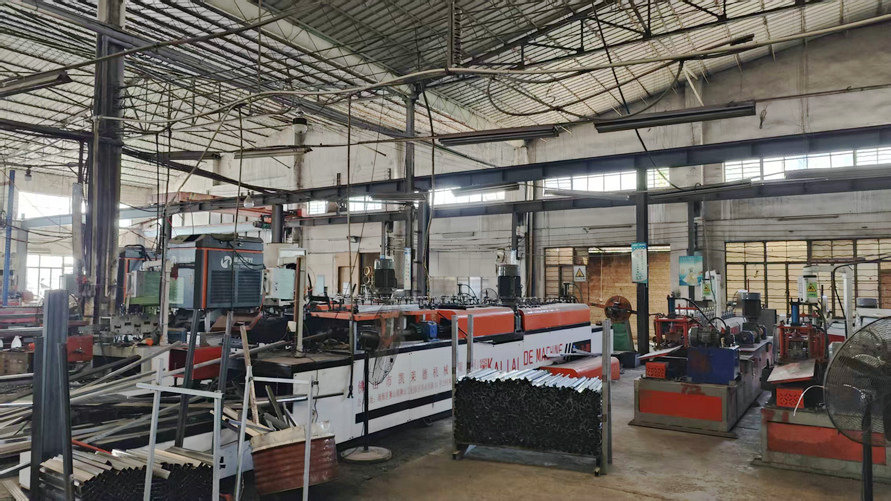
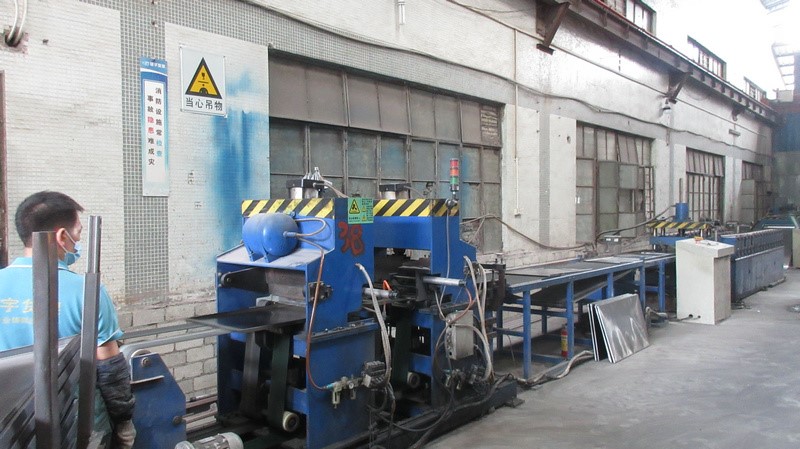
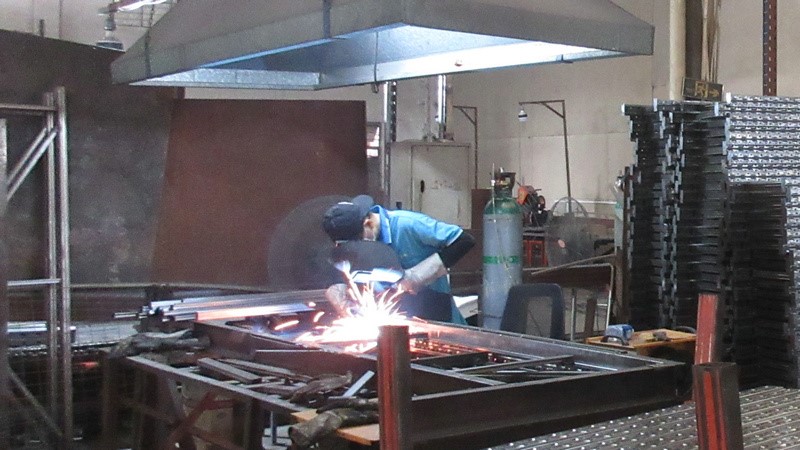
To guarantee structural load capacities, every piece of steel passes through our strict production sequence. Below is the step-by-step workflow of our modern manufacturing facility.
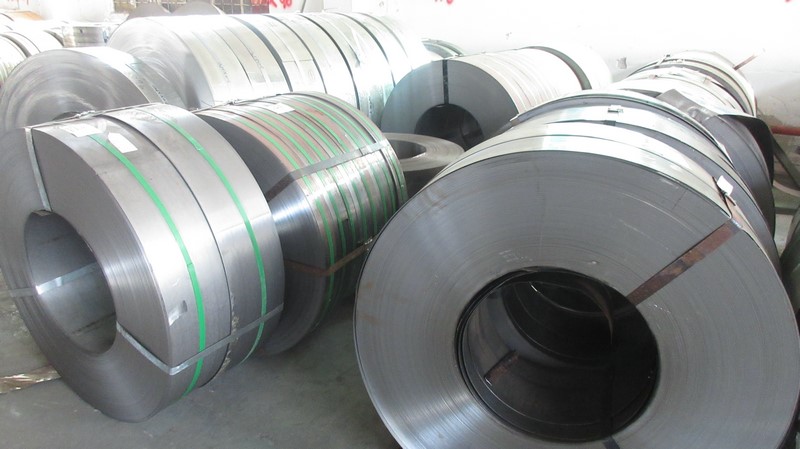
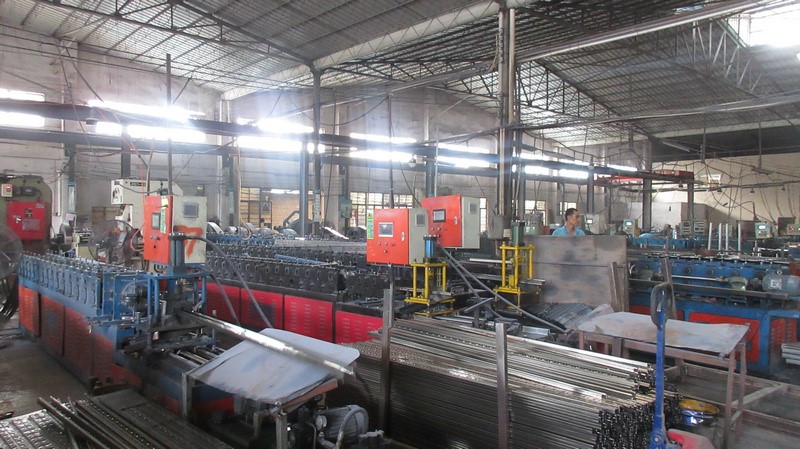
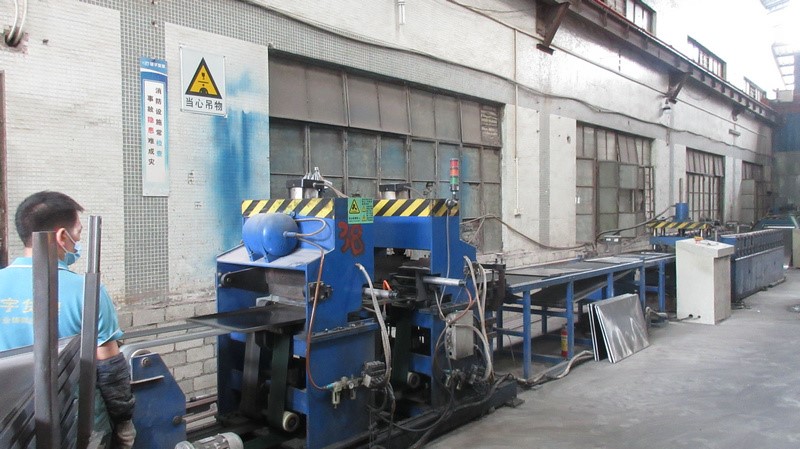
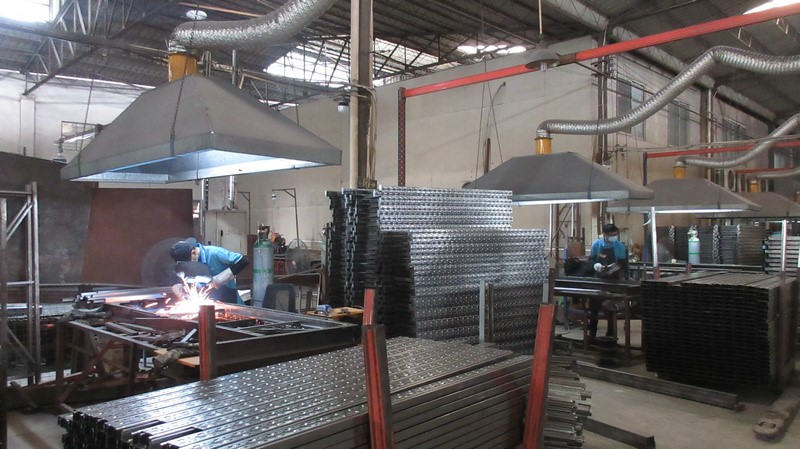
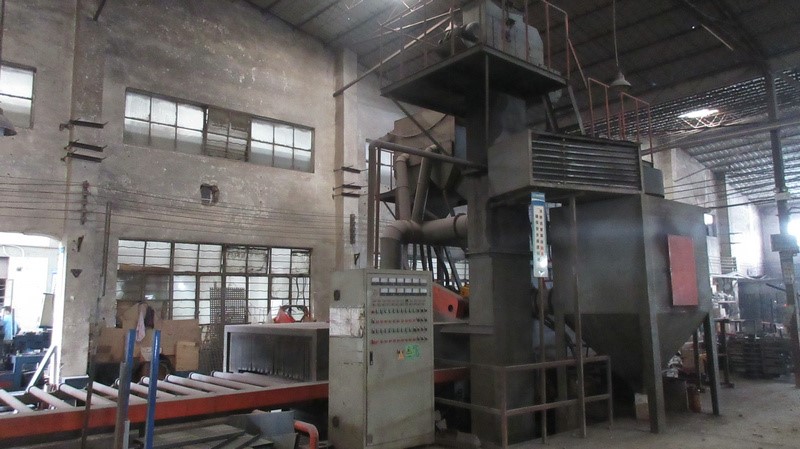
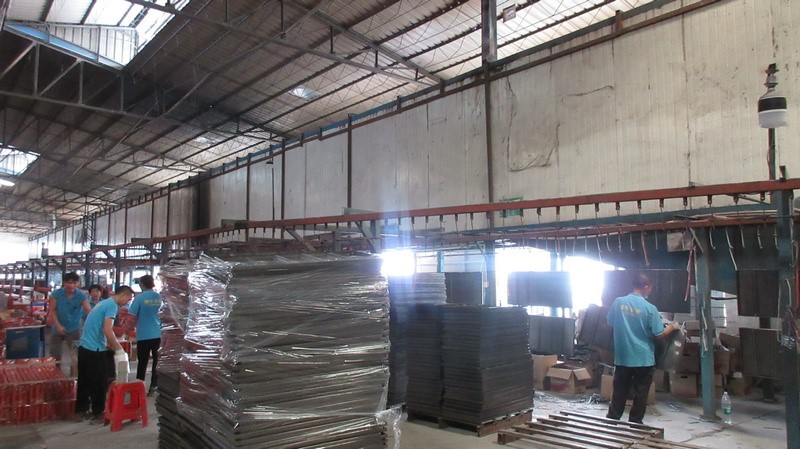
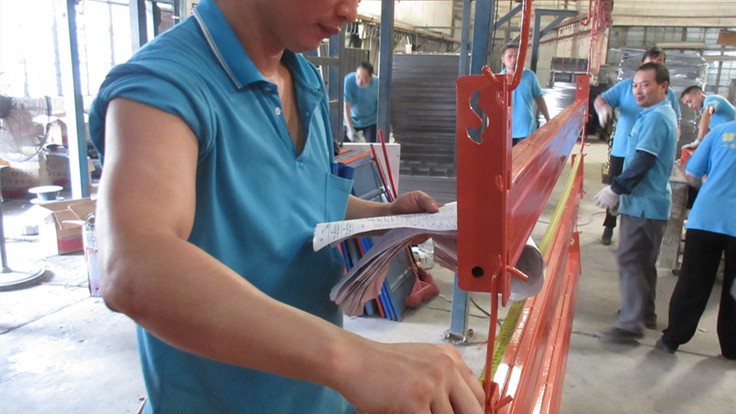
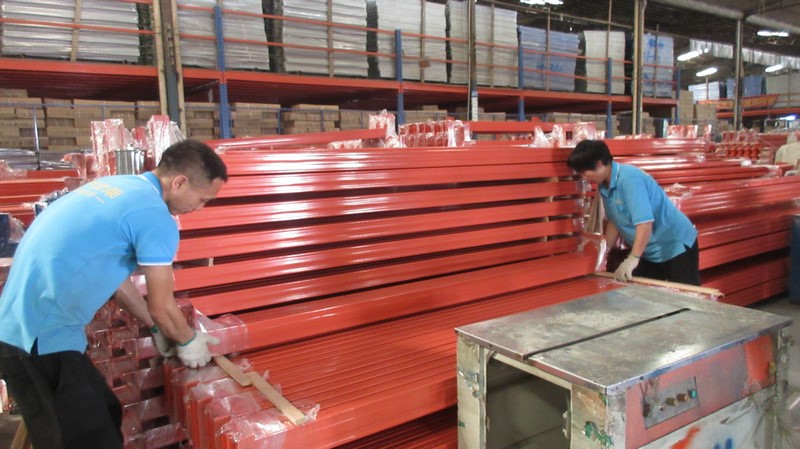
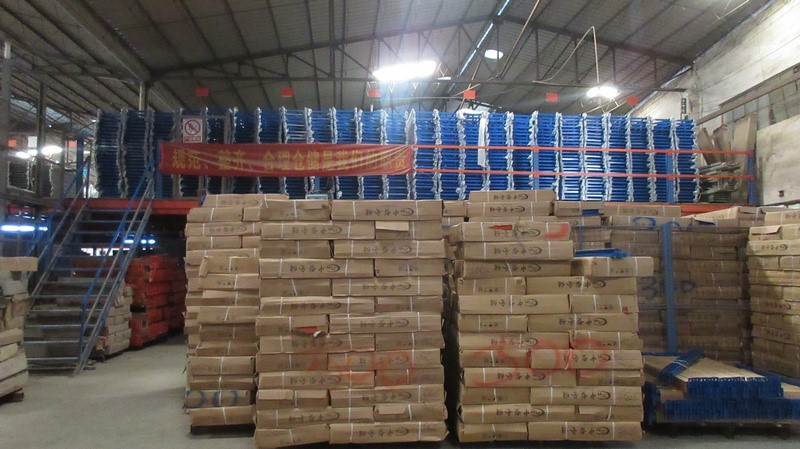
Our factory utilizes advanced machinery and production methods to ensure consistent performance for all our commercial storage solutions.
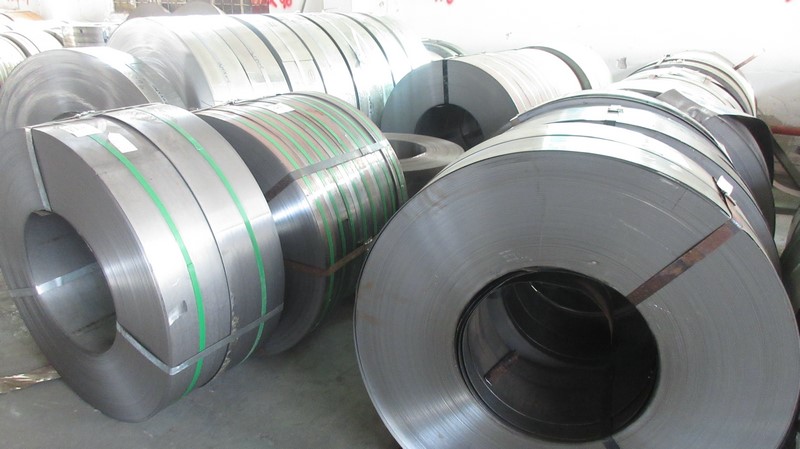
Compact shelving systems are transitioning from mechanical-assist manual operations to smart, sensor-driven automated mobile platforms. In North America and Europe, the consolidation of healthcare records, corporate archives, and critical hardware storage has driven the adoption of smart systems. High-density mobile shelving relies on floor tracks, electric gearmotors, and integrated safety sensors to protect both users and stored items.
| System Type | Typical Applications | Structural Load Rating | Space Optimization Level | Target Industries |
|---|---|---|---|---|
| Manual Mechanical-Assist Shelving | Document archives, museum collections, retail backrooms | Up to 400 kg per linear meter | 50% to 65% space reduction | Libraries, Healthcare, Legal offices |
| Heavy-Duty Powered Mobile Racks | Industrial pallet storage, cold rooms, bulk raw materials | 1,500 to 4,500 kg per level | 70% to 80% space reduction | Logistics hubs, Automotive parts, Cold-chains |
| Multi-Tier Mezzanine Systems | E-commerce fulfillment centers, spare parts storage | 300 to 1,000 kg per m² | Up to 150% volumetric increase | Retail, Electronics, Distribution Centers |
| Smart Automated Mobile Storage (ASRS) | High-security inventory, cleanrooms, precision manufacturing | Customized per project load | Over 85% space footprint recovery | Semiconductor, Biotech, High-value retail |
Under the direction of our 28 R&D engineers, FutureSpace has launched 65 new product lines in the past year. These designs prioritize modularity, safety, and durability, utilizing structural grades of cold-rolled steel, electrostatic powder coatings, and heavy-duty guidance track profiles.
Industrial storage solutions must adapt to different regulatory and environmental requirements across global regions:
Our manufacturing process uses Q235B and Q355B structural steel, processed to precise tolerances. Raw material coils are tested for tensile strength, yield limits, and elongation performance before entering production. Our standard finishes feature TGIC-free polyester powder coating, cured at 200°C for high impact and corrosion resistance.
 FutureSpace Rack