Select high-performance display racks, shelves, and material handling systems engineered for modern supermarkets and distribution centers.
In the hyper-competitive retail sector, physical stores are no longer just points of sale; they are platforms for brand experiences. Modern retail table displays and shelving systems act as the silent orchestrators of consumer behavior. The strategic placement of merchandise tables, gondola shelving, and custom display fixtures dictates store traffic flow, dwell time, and ultimately, conversion rates.
According to global retail logistics data, optimized spatial planning using modular display tables can increase impulse purchasing by up to 27%. As commercial spaces adapt to dynamic consumer preferences, the demand for adaptable, durable, and highly aesthetic display systems has surged. Today’s procurement professionals look beyond simple aesthetics; they demand load-bearing stability, modular flexibility, and structural longevity.
The purchasing criteria for retail displays have shifted significantly post-pandemic. Global supply chain vulnerabilities have forced procurement managers in North America, Europe, and Australia to reassess their sourcing strategies.
"Sourcing professionals are shifting away from single-purpose display fixtures. The modern standard is a hybrid ecosystem where warehouse racking, high-capacity retail display shelves, and experiential display tables share consistent design language and structural integrity."
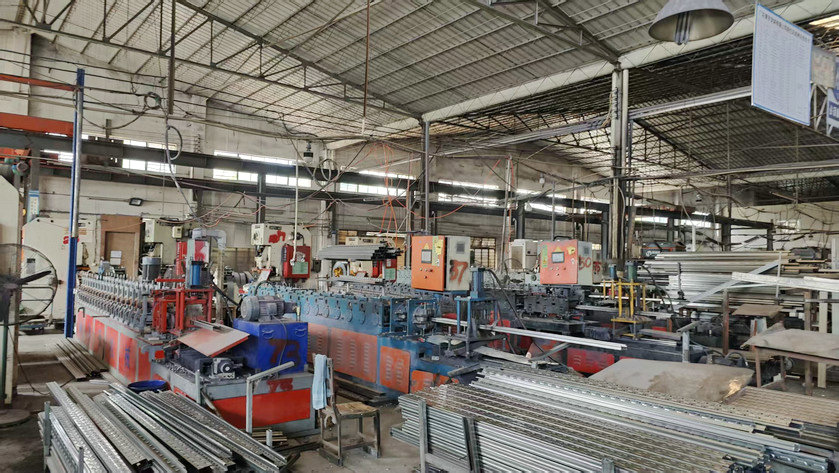
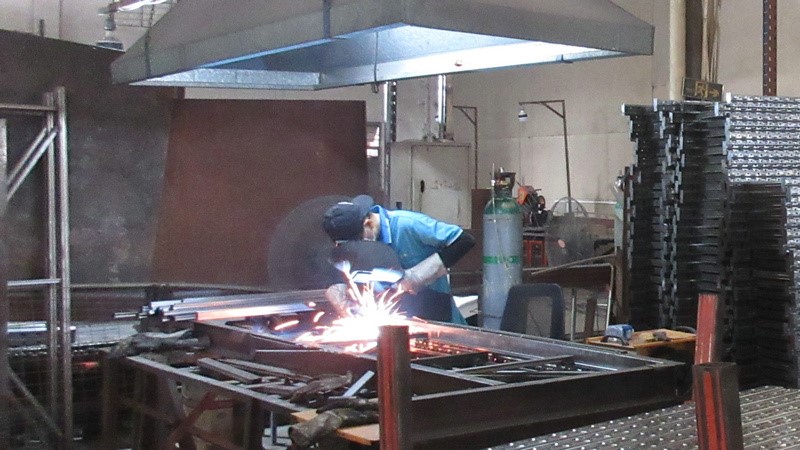
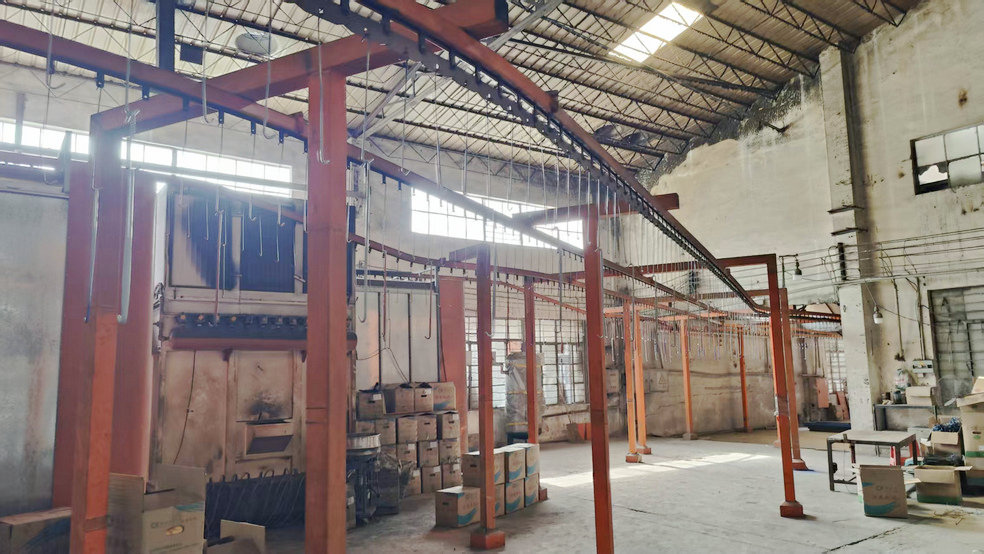
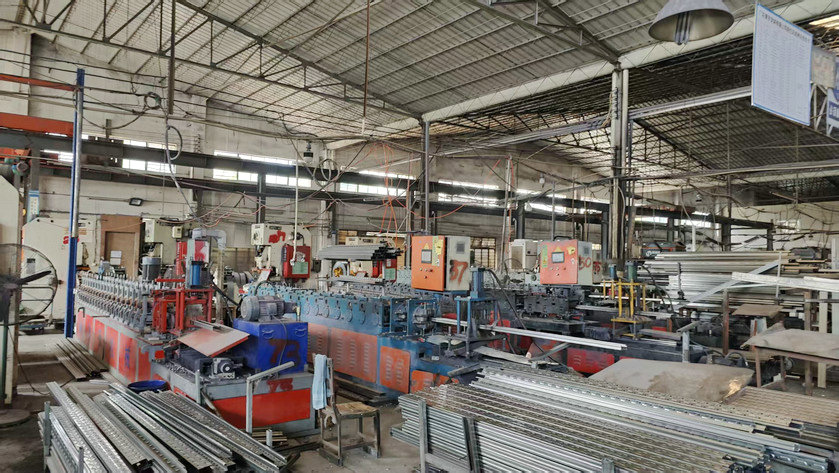
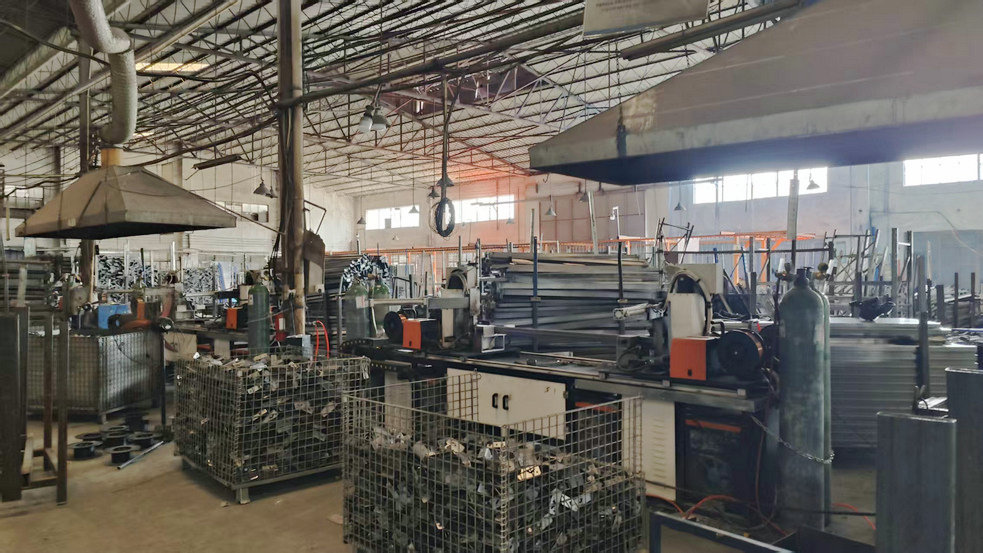
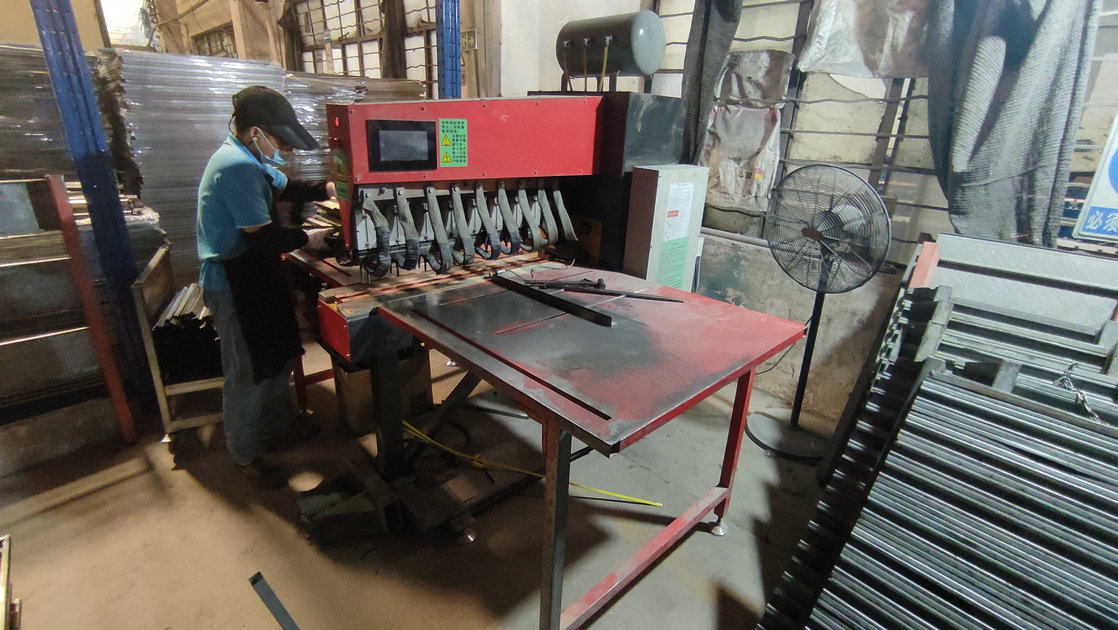
The global dominance of Chinese manufacturers in the retail fixtures space is no longer just a story of low cost. It is a story of technological evolution—commonly referred to as Factory 4.0. By integrating automated robotic welding, digital bending systems, and closed-loop electrostatic powder coating lines, Chinese manufacturers provide unprecedented consistency at scale.
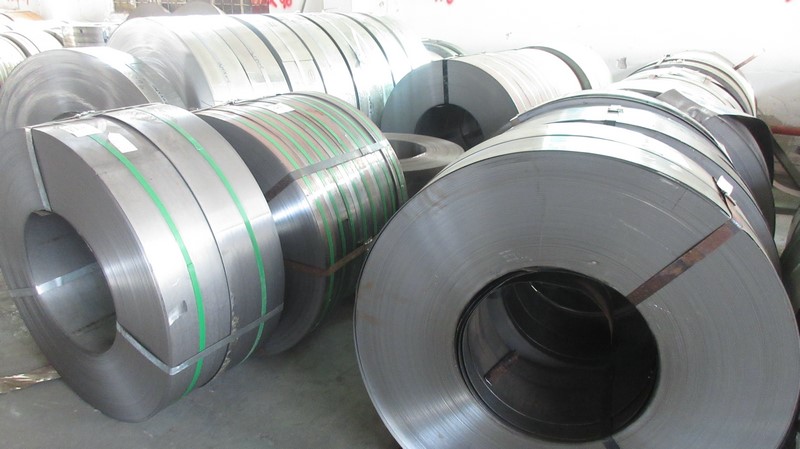
This automation directly translates to reliability. Tensile tests on raw steel coils, precise laser cutting within tolerances of 0.05mm, and robotic weld seam inspections guarantee that every display table and storage rack delivered meets international structural standards (SGS, ISO 9001). This level of manufacturing precision prevents structural failures in heavy-traffic environments, shielding retailers from liability.
Ensure your supplier selection aligns with modern engineering and testing protocols.
Structural modeling ensuring uniform distributed loads (UDL) up to 200kg+ per tier without structural deformation or joint fatigue.
Multi-stage chemical pre-treatment (derusting) followed by electrostatic powder deposition, resulting in scratch-resistant, anti-corrosive finishes.
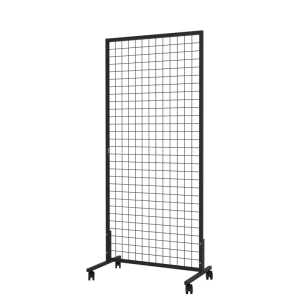
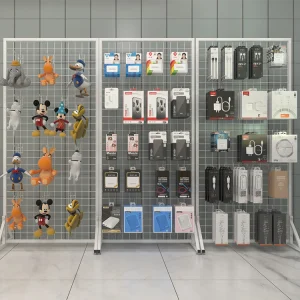
Snap-in components, quick-release racking channels, and standardized grid wall setups to reduce deployment labor costs by 40%.
Established in 2018, Ningbo FutureSpace Logistics Technology Co., Ltd. has rapidly grown to become a benchmark manufacturer in the commercial display and storage solutions space. Operating a massive 22,000 m² modern production facility, FutureSpace seamlessly bridges the gap between heavy-duty logistics storage racking and refined front-of-house retail displays.
With over 8 years of sector expertise and 5 years of active international market experience, they have developed a robust export operation generating $8.5 million in annual export revenue. Their footprint covers demanding regions including North America, Australia, and Eastern Europe.
| Key Metric | Capabilities & Specifications |
|---|---|
| Quality Assurance | Strict compliance with SGS and ISO9001 standards. Raw material tensile testing and robotic weld seam inspections. |
| Engineering Talent | 28 skilled R&D engineers, launching 65+ new product lines annually. |
| Supply Chain Backing | Over 420 upstream raw material and component partners ensuring production stability. |
| Core Clientele | Industrial wholesalers, regional logistics hubs, big-box retailers, and grocery store chains. |
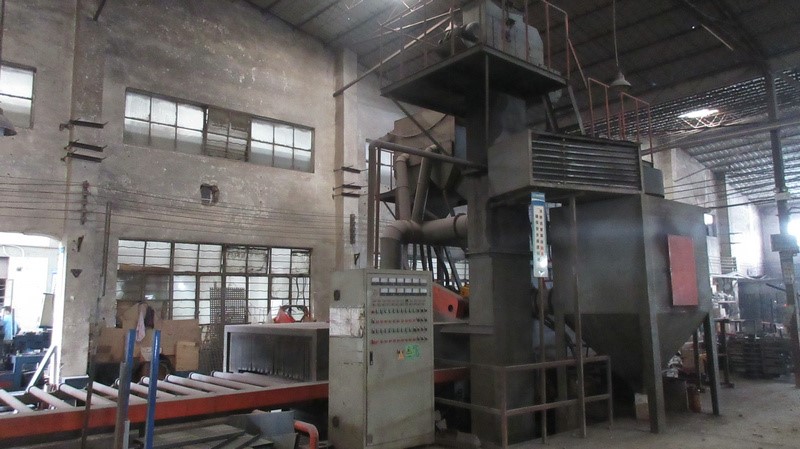
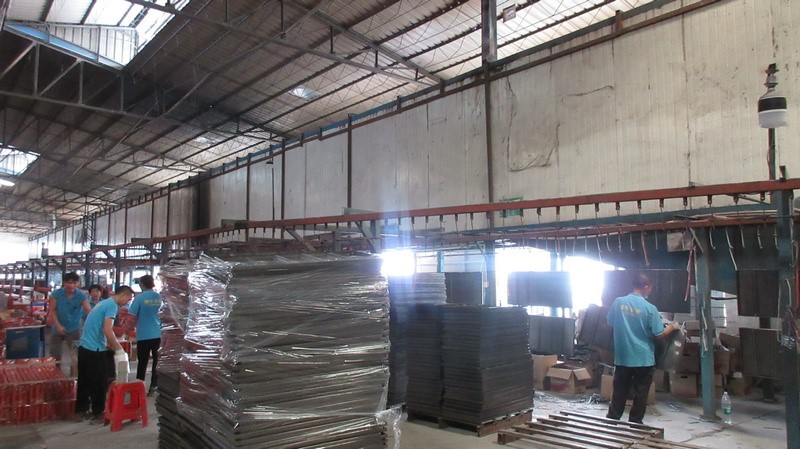
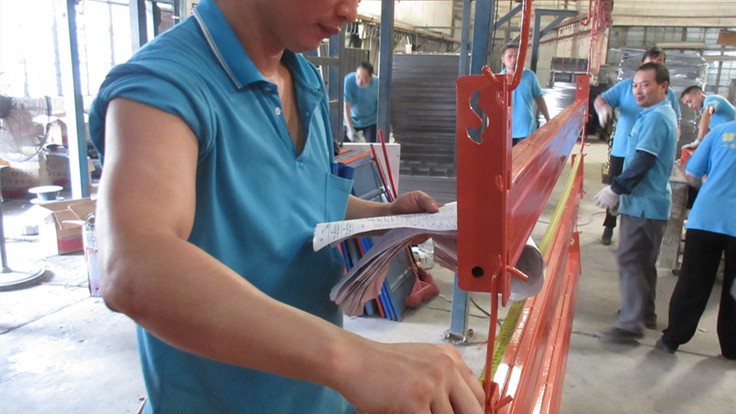
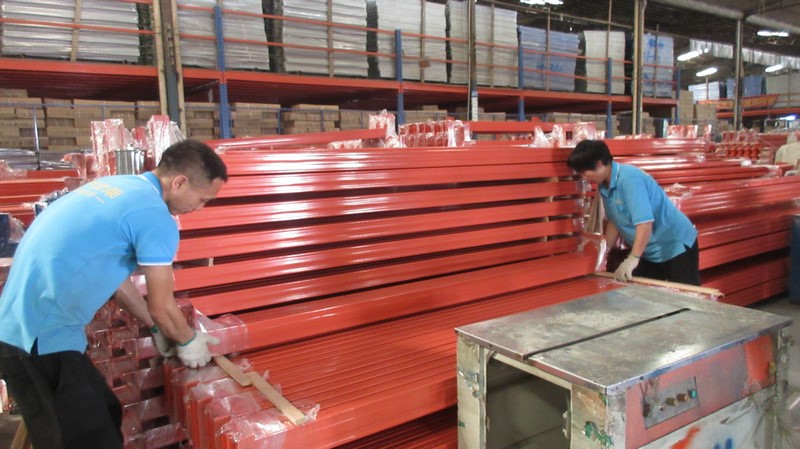
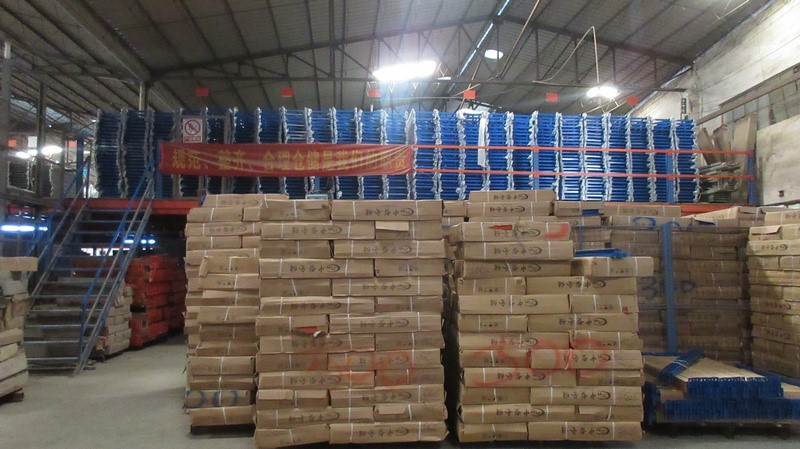
Quality control at Ningbo FutureSpace is managed by 22 certified quality technicians. Every step of the production process—from the moment high-tensile steel coils enter the facility to the point where packed containers are shipped—is carefully monitored. Let's look at the mechanical processes that shape their leading products.
Under the hood of Ningbo FutureSpace: visualizing the state-of-the-art fabrication and processing lines.
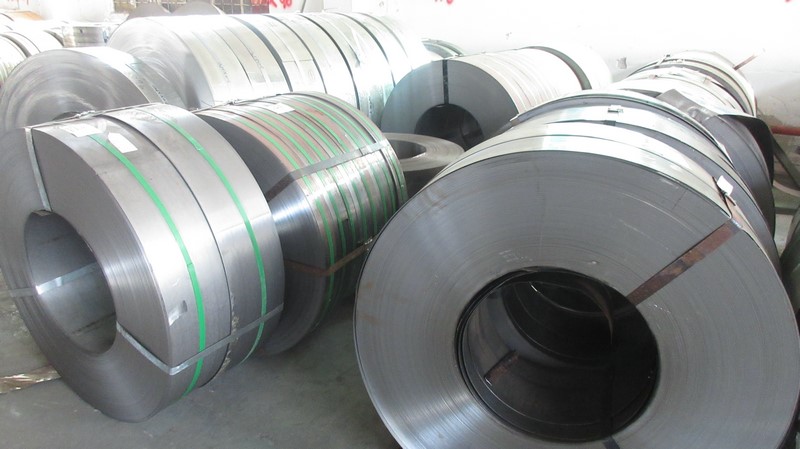
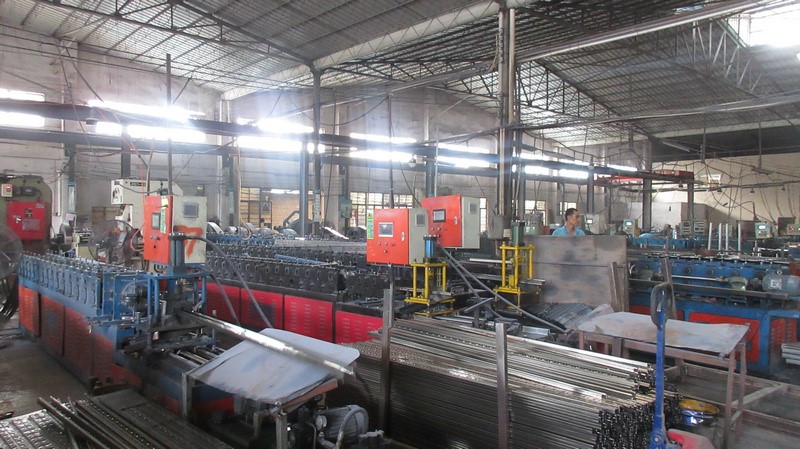
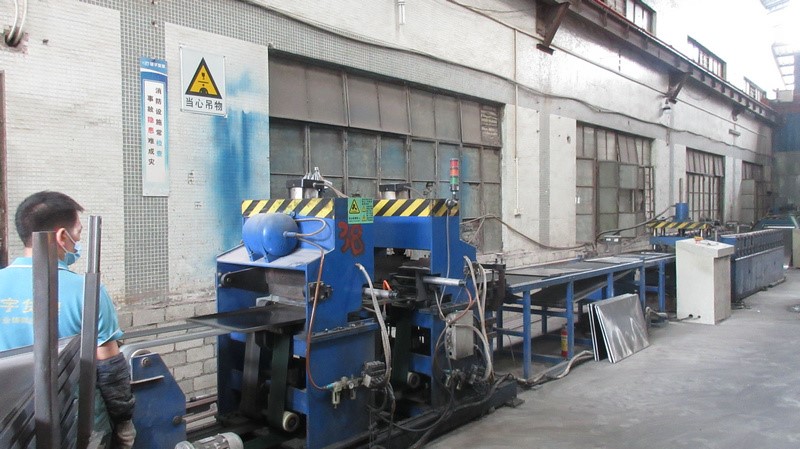
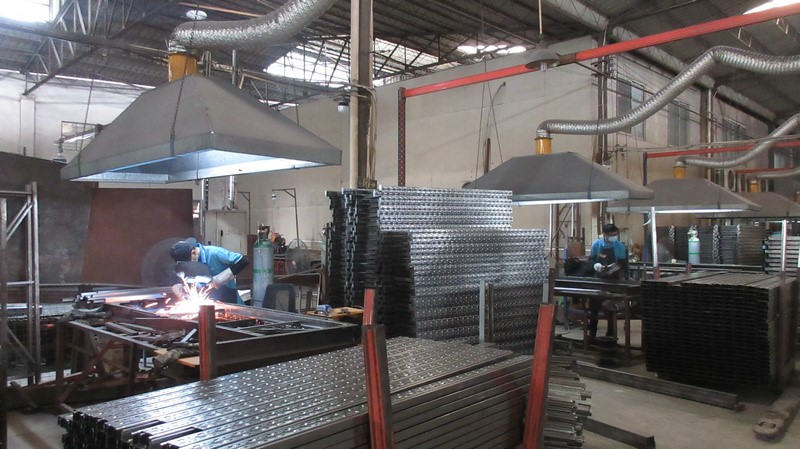
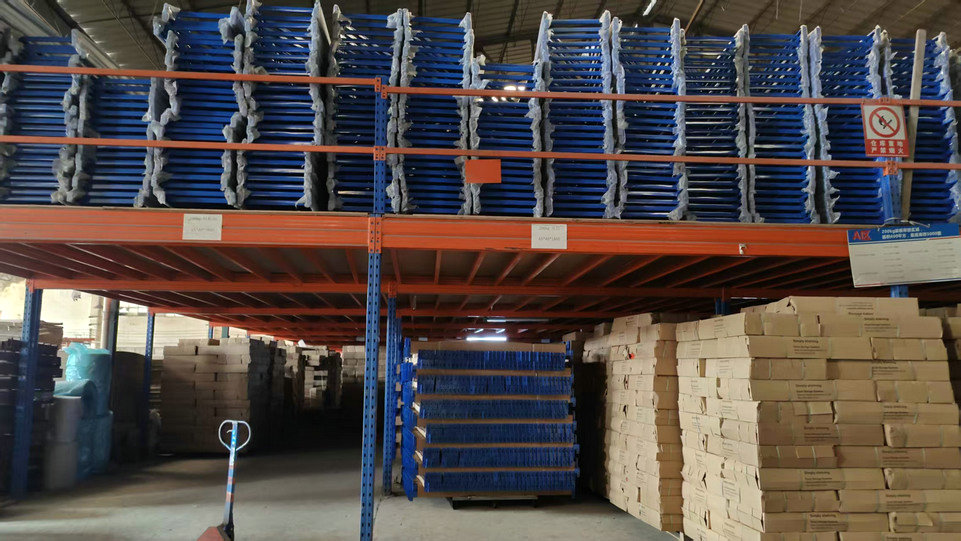
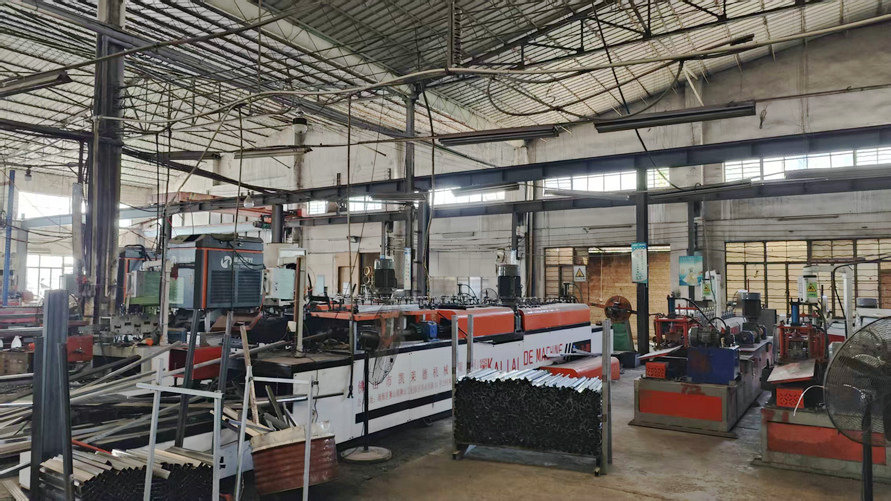
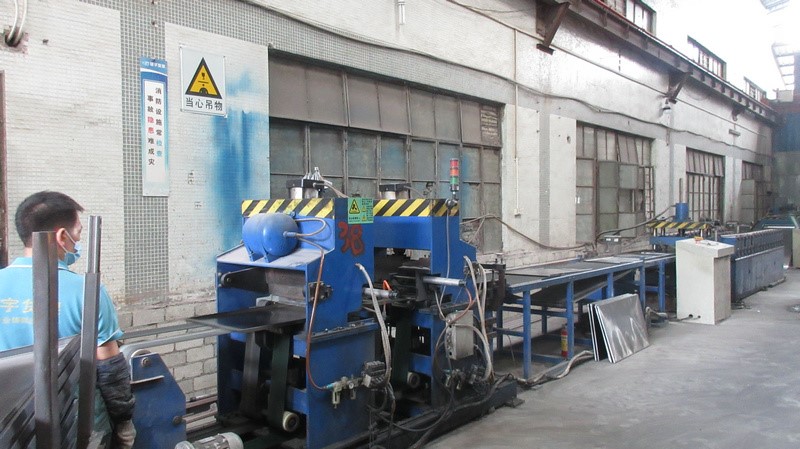
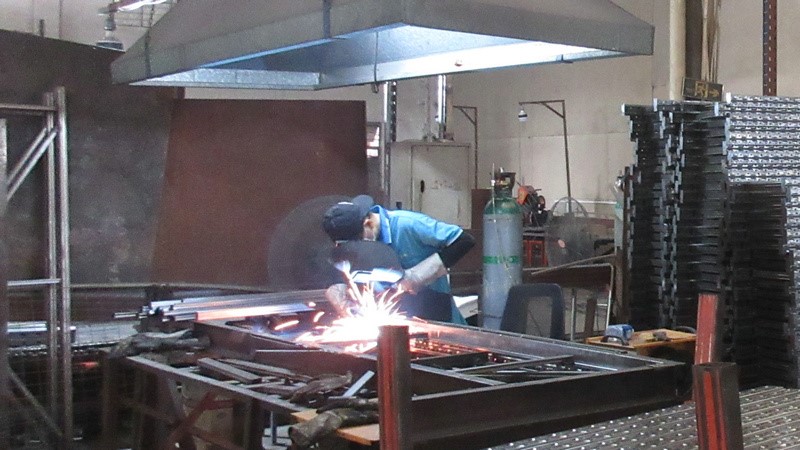
Selecting the correct display layout requires deep optimization matching the specific retail environment. Standardizing hardware specifications across these localized scenarios is crucial:
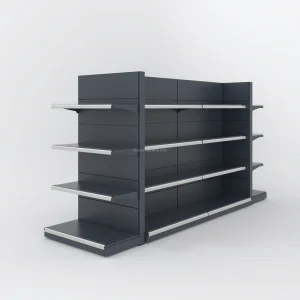
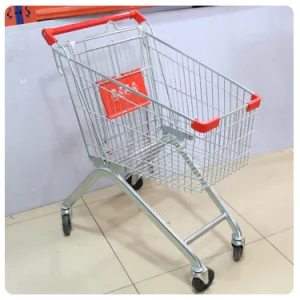
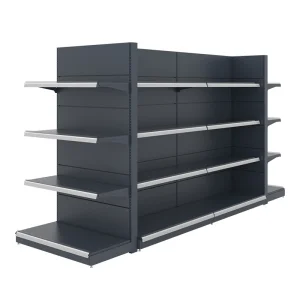
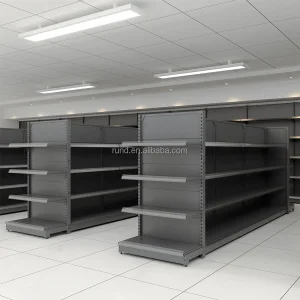
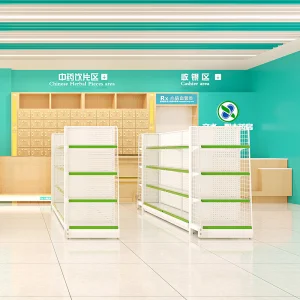
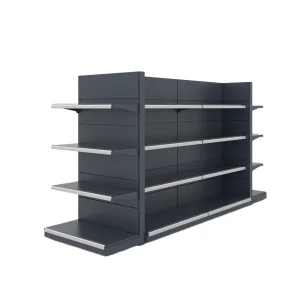
Urban supermarkets face continuous cart collisions, high volume restocking, and constant layout resets. Sourcing agents require heavy-duty gondola shelving and high-strength grain/oil racks capable of supporting heavy loads (often exceeding 150kg/tier) at heights up to 1900mm. The integration of single-sided and double-sided runs maximizes floor space while ensuring unimpeded customer traffic.
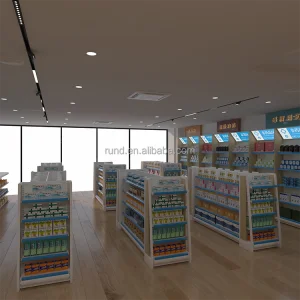
Boutiques, pharmacies, and small toy/snack stores have limited footprint space. Compact convenience store shelves and customizable tabletop wood-and-metal fusion tables are standard. These spaces require aesthetics that elevate brand perception, utilizing custom powder coating finishes (such as matte grey or textured black) and integrated lighting tracks.
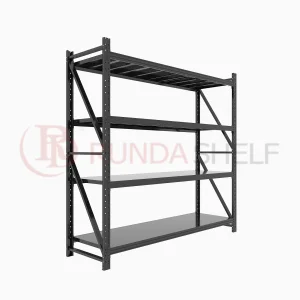
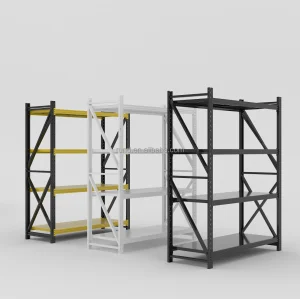
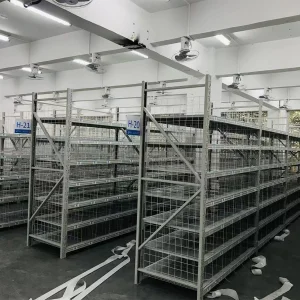
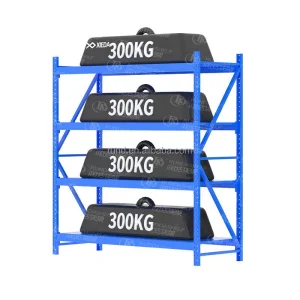
Behind every successful retail floor is a high-efficiency fulfillment backend. Industrial warehouses require boltless shelving and cantilever racking systems. The steel specification must meet rigorous load-bearing safety parameters. Industrial-grade shelving with load capacities up to 200kg per shelf is crucial to handle both bulk store stock and split-case order picking.
When evaluating suppliers for your annual contract, procurement leads should follow a rigorous checklist to ensure supplier reliability:
Clear, technical answers to the most common queries from industrial buyers and retail procurement heads.
Maximize storage space and load-bearing performance with industrial-grade steel and customizable modular shelving.
 FutureSpace Rack