Engineered for durability, modular adaptability, and optimized customer pathways in heavy-traffic environments.
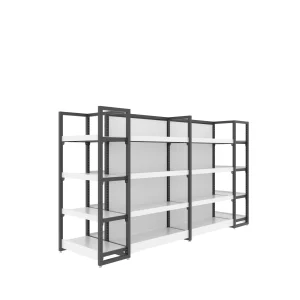
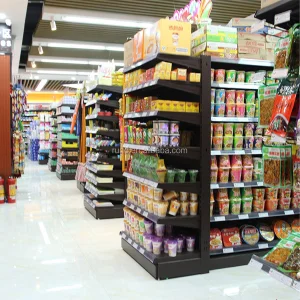
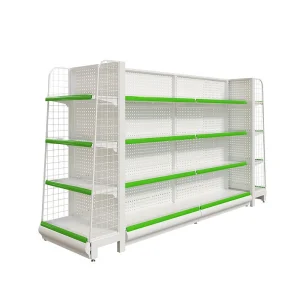
An analytical review of structural configurations, automated warehouse storage distribution systems, and localized compliance standards driving efficiency in contemporary global brick-and-mortar ecosystems.
The rapid transformation of global physical commerce has altered the fundamental requirements of retail display fixtures and industrial warehousing logistics. In an era dominated by supply-chain agility and experiential commerce, retail displays are no longer static platforms for product placement. Instead, they represent vital components of spatial engineering that optimize flow, support structural integrity, and accommodate variable load configurations. Currently, the international retail fixture sector is undergoing a consolidation toward modular and adaptable metal systems. Factories capable of direct OEM/ODM operations must now manage strict metallurgical processes, complex CAD design integrations, and high-volume output while adhering to local safety guidelines.
As urban commercial spaces become increasingly expensive, retailers require systems that leverage vertical space. From heavy-duty metal gondolas in high-traffic supermarkets to high-density warehouse storage systems that feed localized micro-fulfillment hubs, structural robustness is non-negotiable. Exporters must bridges the gap between cost-effective structural design and strict regulatory compliance, ensuring that all load limits are verified using tensile and weld-integrity certifications.
Several structural macro shifts are dictating the roadmap for retail and logistics display manufacturing:
Established in 2018, Ningbo FutureSpace Logistics Technology Co., Ltd. operates a high-capacity production base spanning 22,000 m². Backed by 8 years of sector expertise and 5 years of international market experience, our annual export revenue stands at $8.5 million. Our QA framework follows SGS and ISO9001 standards, implementing raw material tensile testing and robotic weld seam inspections managed by 22 certified quality technicians. Supported by over 420 upstream supply chain partners, we serve industrial equipment wholesalers, regional logistics hubs, and manufacturing warehouses across Australia, North America, and Eastern Europe. With 28 R&D engineers, we rolled out 65 new product lines last year alone.
Compliance is a core requirement of the export market. Retail fixtures and heavy warehouse racking systems must be engineered in accordance with target-market structural dynamics:
Racks exported to the USA and Canada strictly comply with the Rack Manufacturers Institute (RMI) MH16.1 specifications, prioritizing seismic design, impact resistance parameters, and structural deflection calculations under dynamic loading.
Our heavy-duty steel freestanding racking units conform to the AS4084 steel storage racking standard. This includes structural testing for shear strength, base plate anchorage stability, and vertical deflection thresholds under full structural loads.
Engineered to meet European safety requirements, our European designs focus on structural steel tolerances, automated robotic weld seam inspections, and environmental powder coating options.
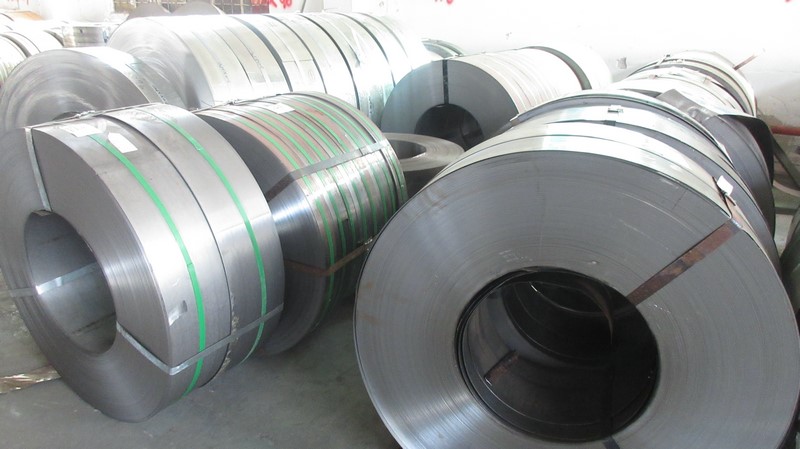
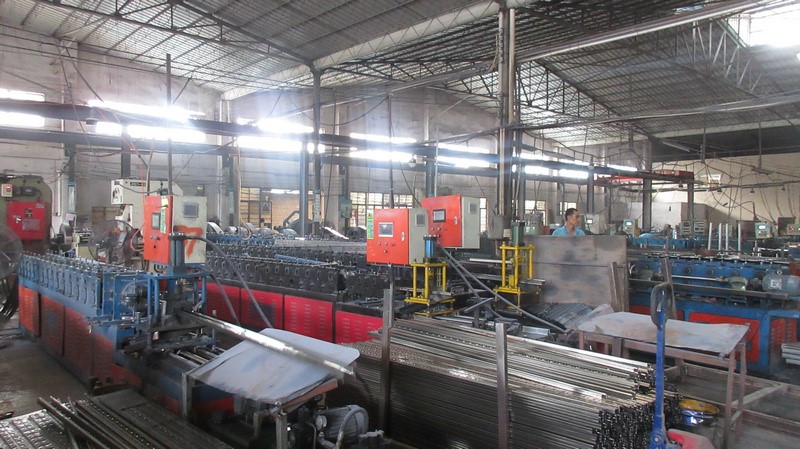
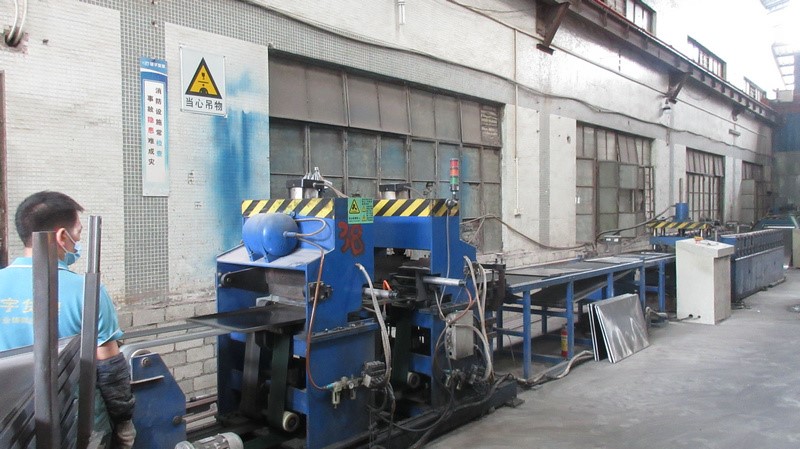
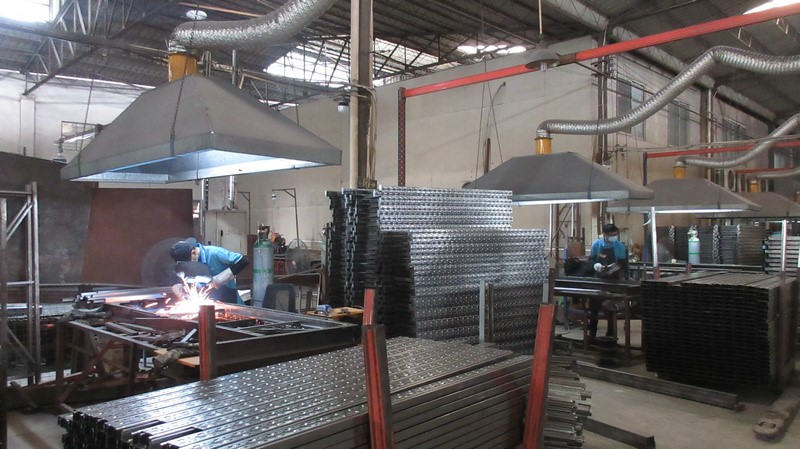
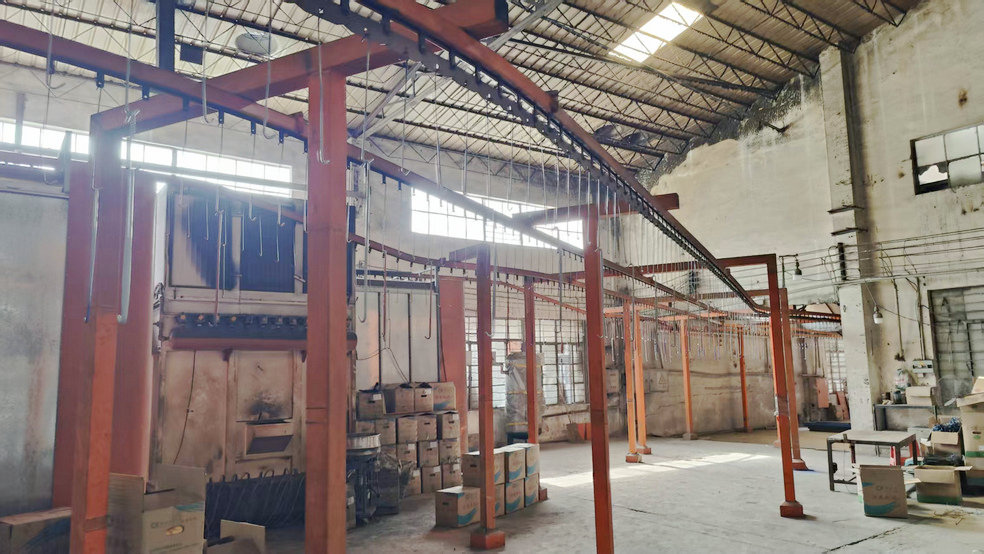
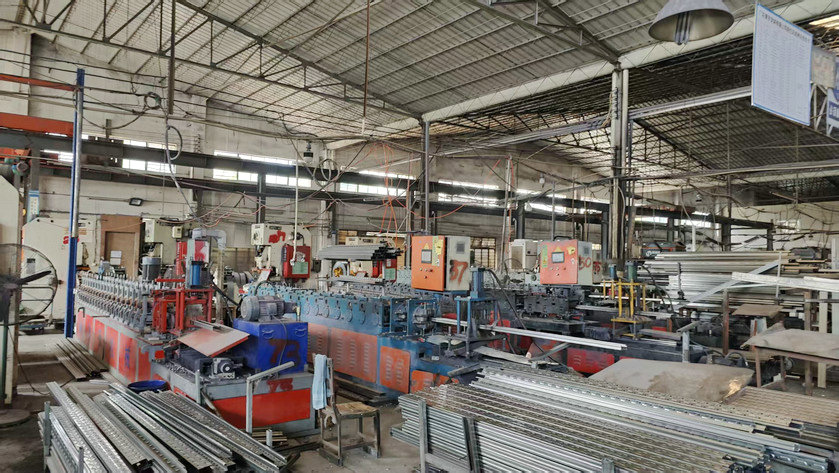
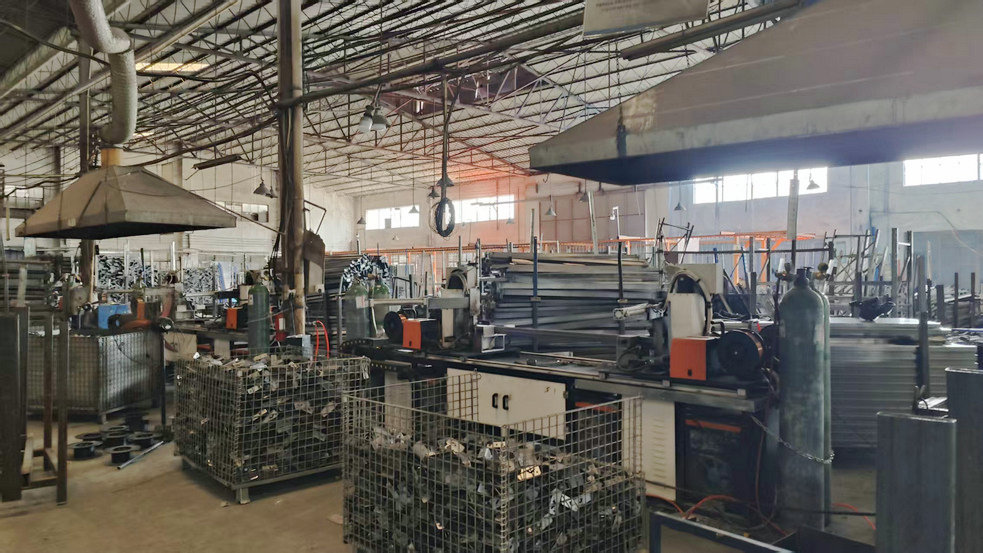
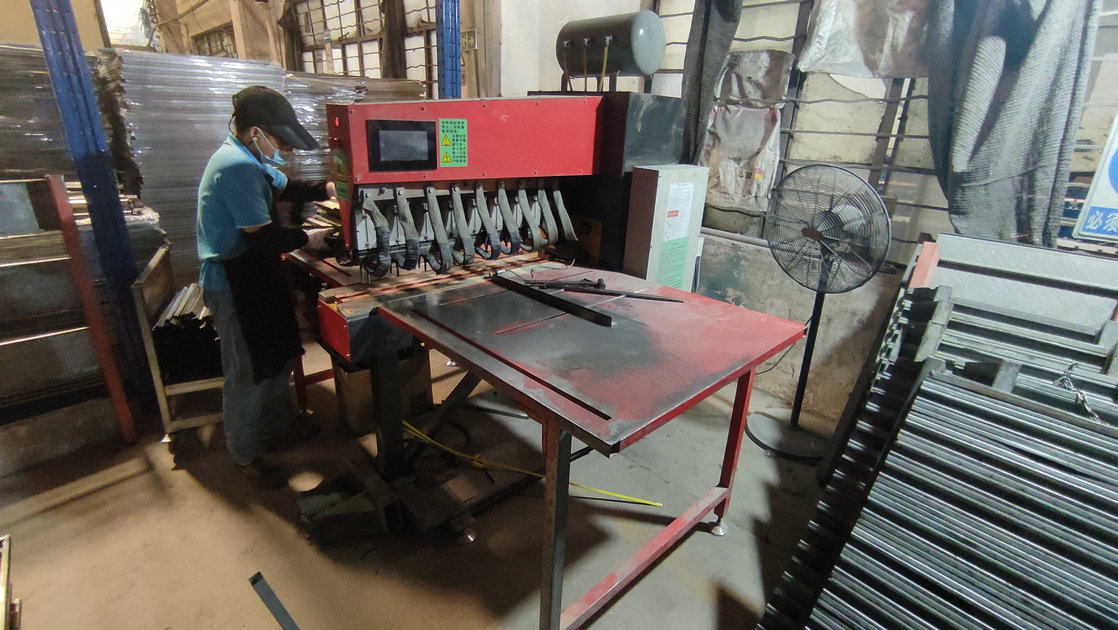
Step-by-step visual documentation of our automated steel fabrication, laser processing, welding, surface finishing, and quality control lines.
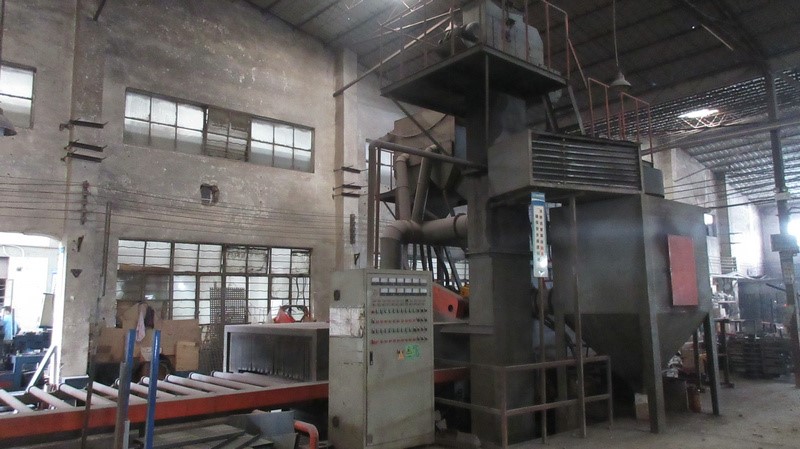
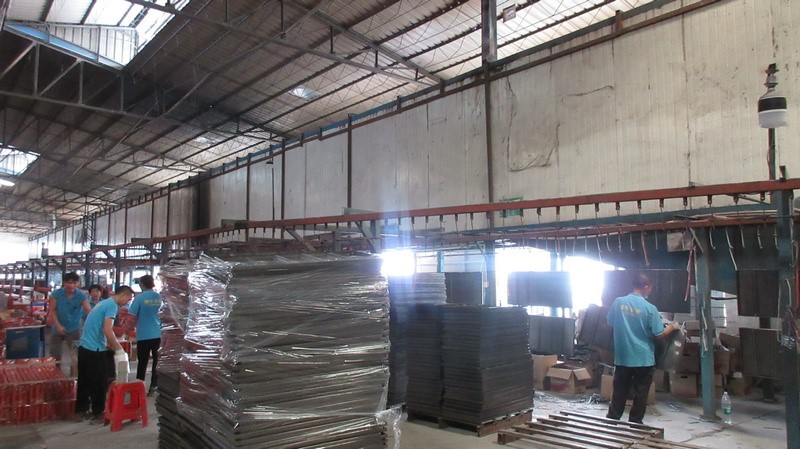
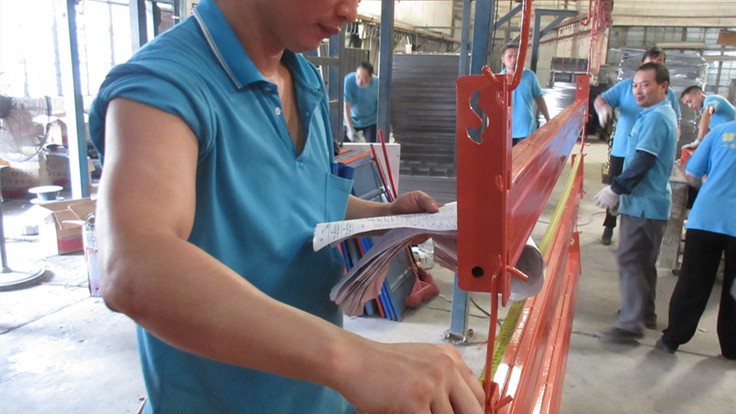
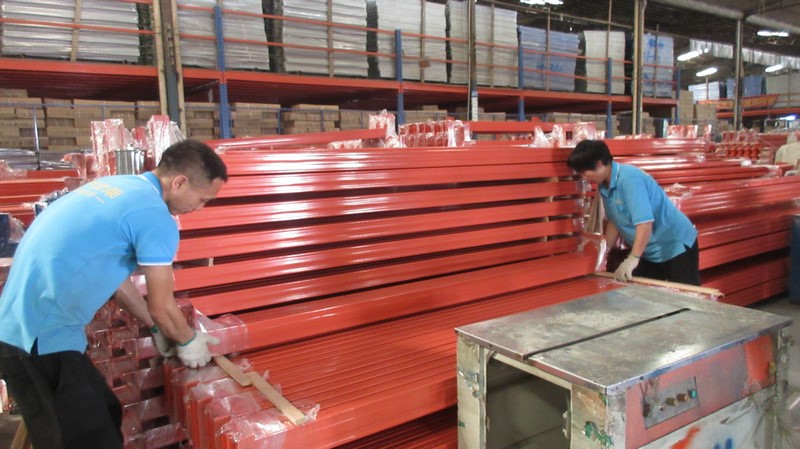
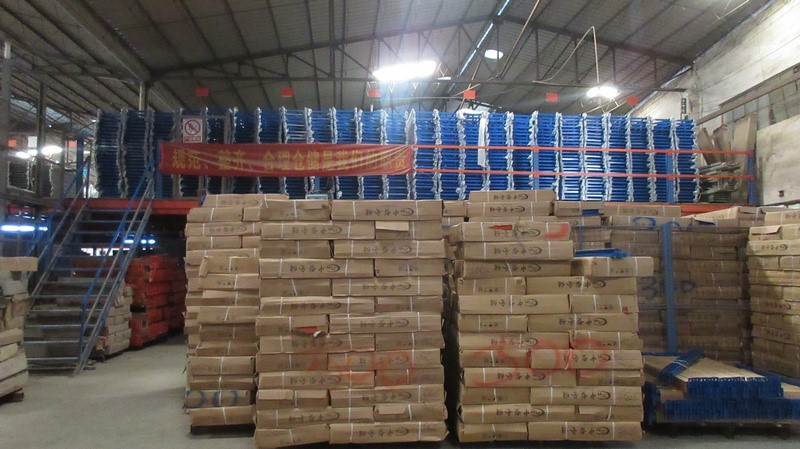
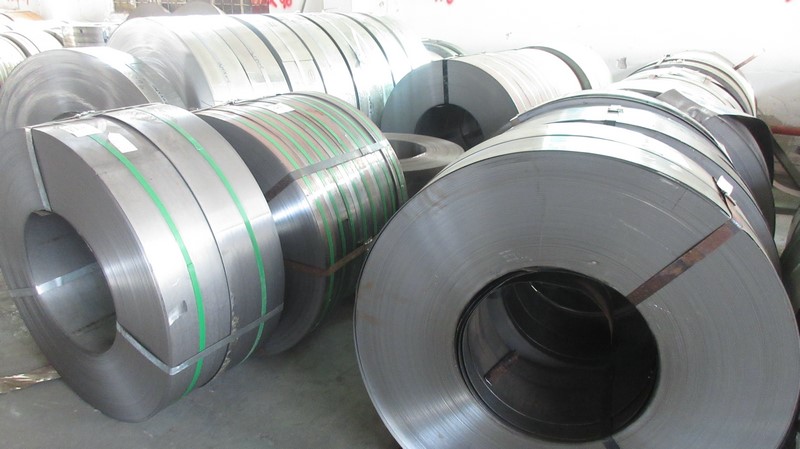
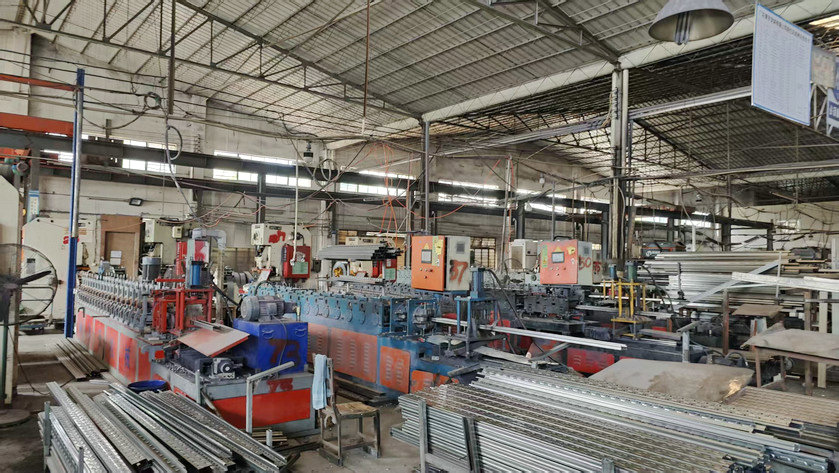
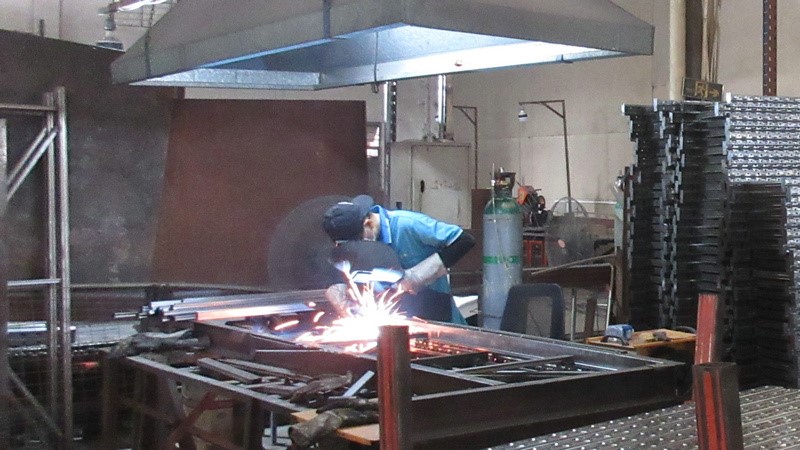
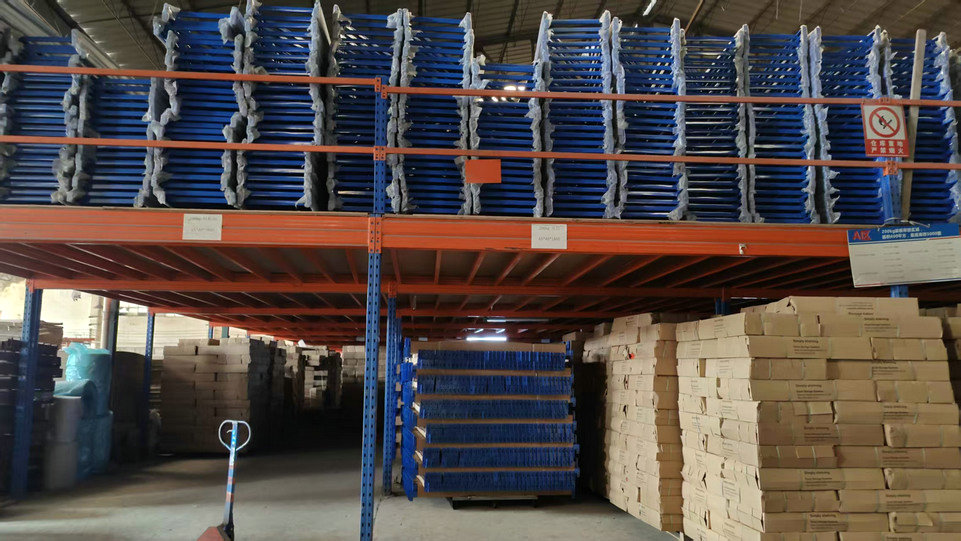
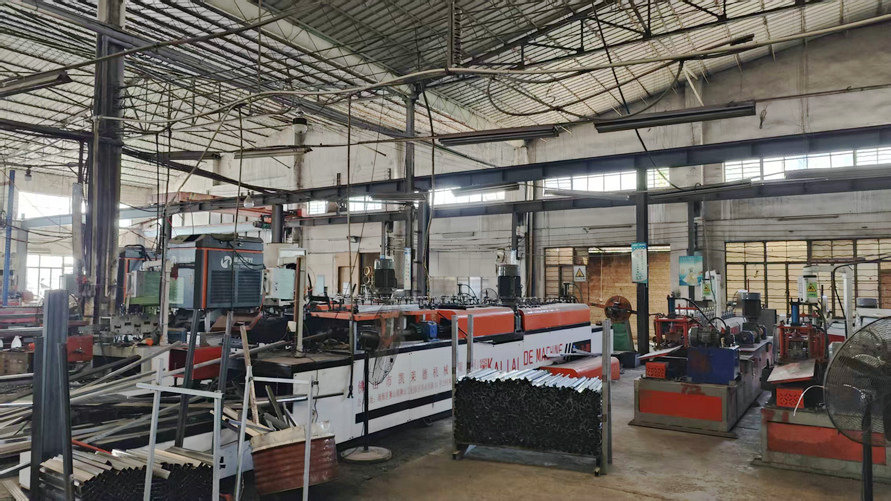
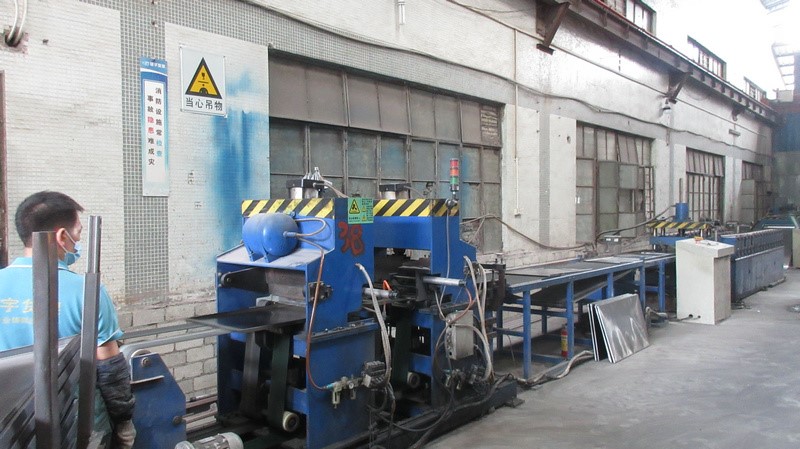
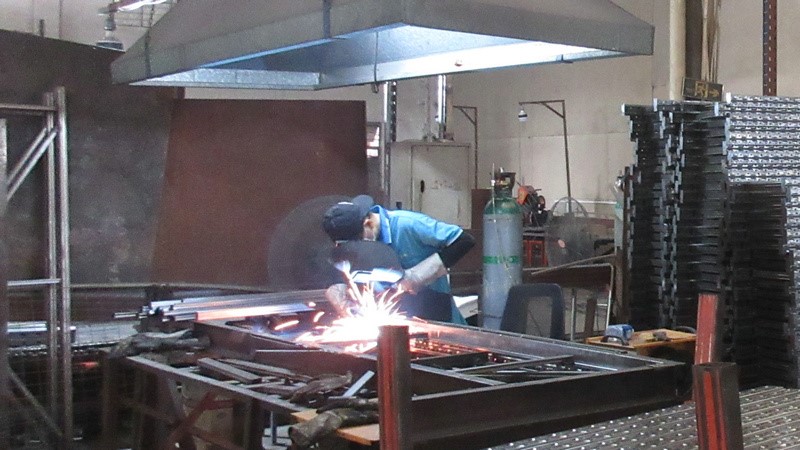
To maintain a competitive edge, our materials science and manufacturing engineers have established a clear tech roadmap focusing on three key priorities:
With 28 dedicated R&D design engineers, we specialize in high-precision structural detailing. We provide custom cross-sectional roll-forming shapes, specialized powder coating colors matched to RAL catalogs, and modular shelf dividers. Last year, our development team launched 65 new product lines, demonstrating our speed from concept modeling (using CAD/SolidWorks) to physical prototype validation.
Our 22 certified quality technicians monitor every step of production. The quality assurance pipeline begins with a incoming inspection of Q235B steel coils, which includes mechanical tensile testing to verify yield strength.
During the automated punching, bending, and roll-forming processes, robotic vision inspection checks dimensional tolerances on punched slots and bends. The welding stage utilizes multi-axis robotic welding cells that ensure consistent penetration depths and minimize micro-cracking risks.
Following welding, products undergo a chemical pre-treatment and derusting cycle. This step ensures that all surface oxides are removed before the electrostatic powder coating application. Our automatic spraying line cures finishes at 200°C to achieve a durable, scratch-resistant surface. Finally, finished goods are subjected to drop testing, load deflection tests, and salt spray exposure tests. Products are then wrapped in shock-absorbing packaging to prevent damage during transit.
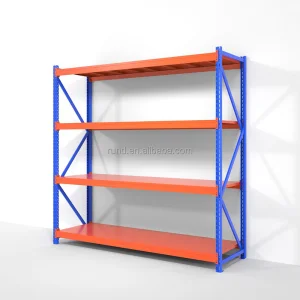
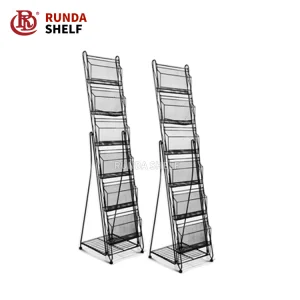
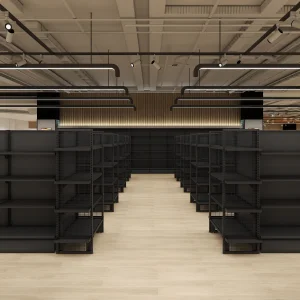
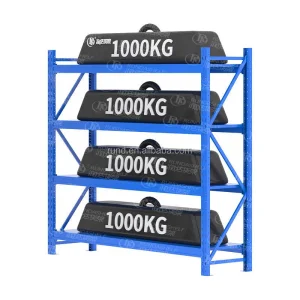
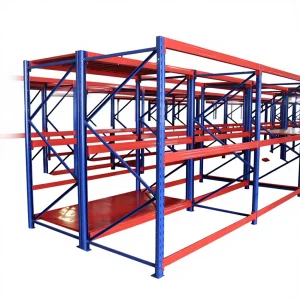
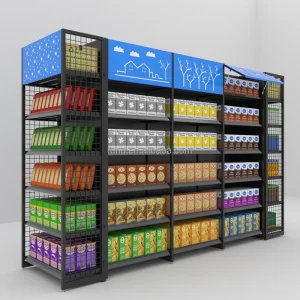
Heavy-duty structural storage configurations and targeted display models built for maximum volume processing.
 FutureSpace Rack