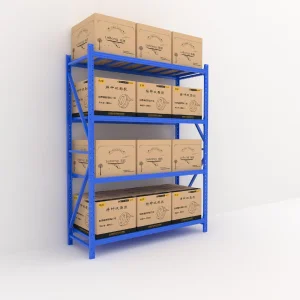
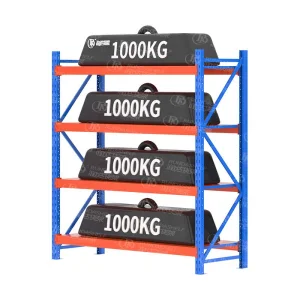
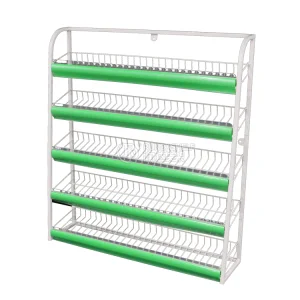
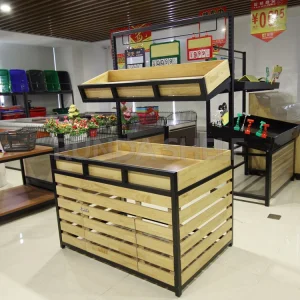
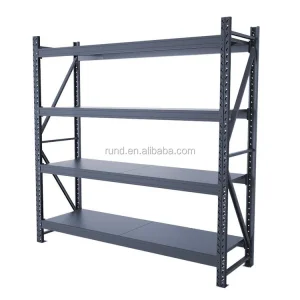
The global logistics landscape is undergoing a massive transformation powered by smart technologies, dynamic fulfillment models, and space optimization priorities. As industrial supply chains face escalating costs per square meter, the demand for high-density warehousing solutions has surged exponentially. Industrial heavy-duty racking systems are no longer viewed as simple steel structures, but as active components of smart warehousing architecture.
Chinese manufacturers have transitioned from low-cost steel fabricators to world-leading structural engineers who design and deliver complex global warehousing infrastructure. The combination of state-of-the-art metallurgical technology, robust supply chain integrations, and cost efficiency has made China the absolute focal point for global logistics procurement directors, 3PL giants, and massive distribution hubs seeking reliable storage components.
Maximizing vertical storage capability while reducing footprint, elevating overall floor capacity efficiency up to 85%.
Built exclusively with certified Q235B & Q355B steel grades, offering dynamic load-bearing reliability under strict seismic guidelines.
Engineered and manufactured to meet rigorous international frameworks, including AS4084, FEM, and ANSI/RMI MH16.1 specifications.
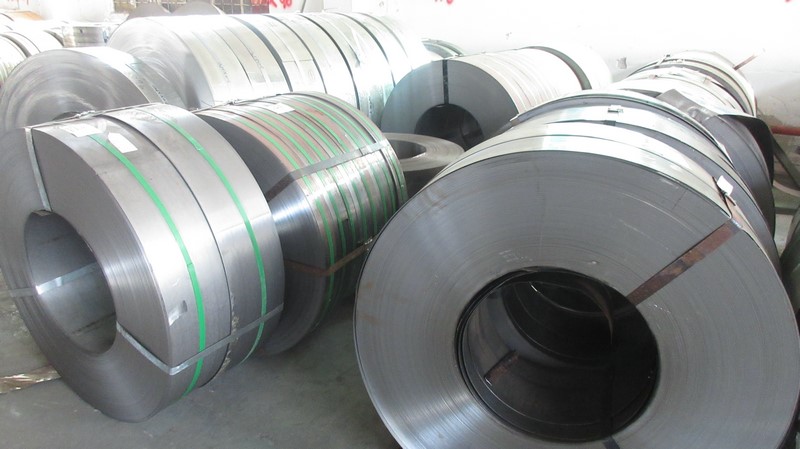
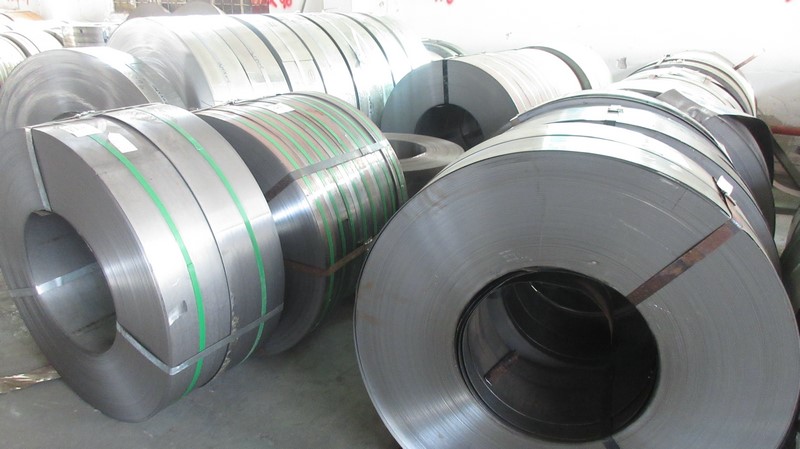
The performance of any heavy-duty storage rack begins with basic material chemistry. Chinese production facilities utilize premium-grade cold-rolled steel, mostly Q235B and Q355B, which are recognized globally for their outstanding yield strength and ductility. These materials allow profiles to undergo complex roll-forming processes without micro-cracking, creating structures that easily absorb dynamic forces from moving forklifts.
Advanced structural layout relies on finite element analysis (FEA) to simulate stress distribution under maximum operational limits. Columns, beams, and diagonal bracing profiles are customized based on calculations that include deflection parameters, localized buckling factors, and overall frame stability. Heavy-duty pallet rack systems feature upright frame geometries with complex keyholes and teardrop patterns designed for easy installation, positive connectivity, and long-term modular customization.
| Steel Grade Designation | Yield Strength (MPa) | Tensile Strength (MPa) | Elongation (%) | Ideal Application Profiles |
|---|---|---|---|---|
| Q235B (ASTM A36 Equiv.) | ≥ 235 | 370 - 500 | ≥ 26% | Standard pallet beams, baseplates, horizontal dynamic bracing |
| Q355B (ASTM A572 Equiv.) | ≥ 355 | 470 - 630 | ≥ 22% | Heavy-duty upright columns, structural high-bay mezzanines |
Established in 2018, Ningbo FutureSpace Logistics Technology Co., Ltd. operates a state-of-the-art production base spanning over 22,000 m². Backed by 8 years of sector expertise and 5 years of international market experience, our annual export revenue stands at $8.5 million. Our quality assurance framework strictly follows SGS and ISO9001 standards, implementing raw material tensile testing and robotic weld seam inspection managed by 22 certified quality technicians.
Operating through combined direct export and international trade partner channels, our key markets span Australia, North America, and Eastern Europe. Supported by over 420 upstream supply chain partners, we primarily serve industrial equipment wholesalers, regional logistics hubs, and manufacturing warehouses. Powered by 28 skilled R&D engineers, we provide tailored OEM custom sizes, specialized powder coating finishes, and modular rack designs, successfully rolling out 65 new product lines in the past year.
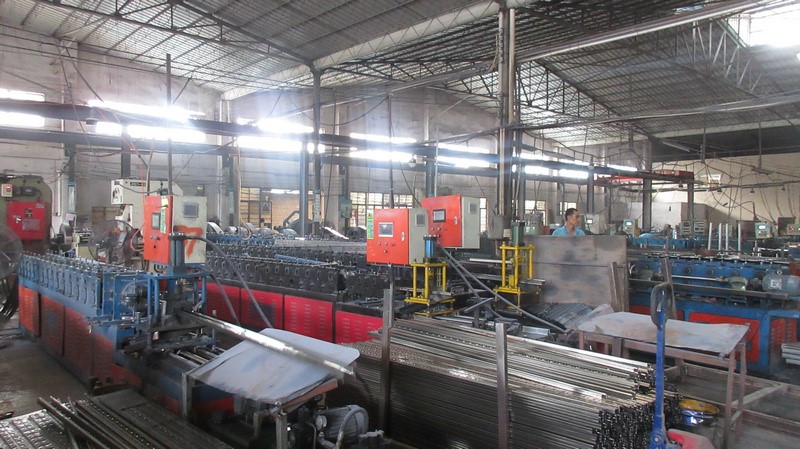
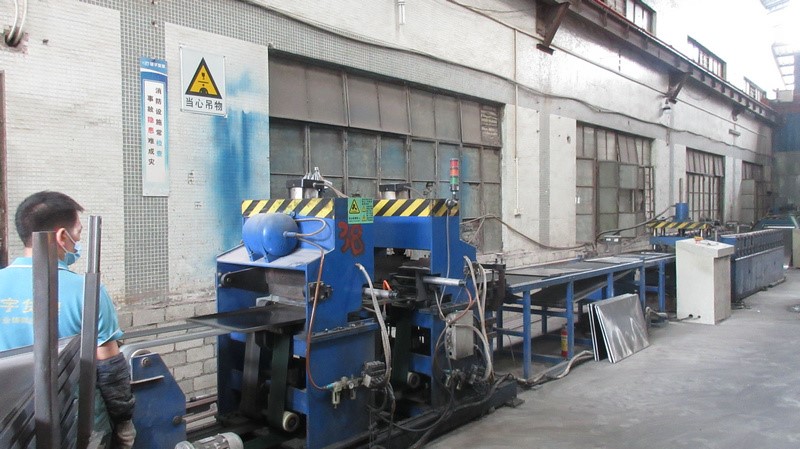
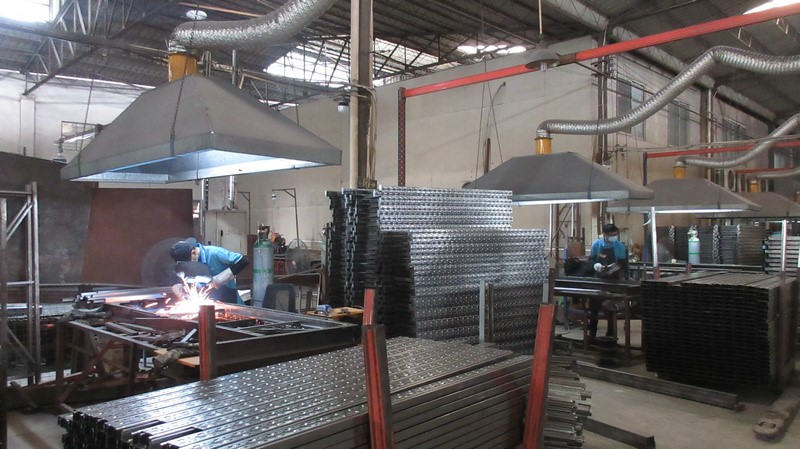
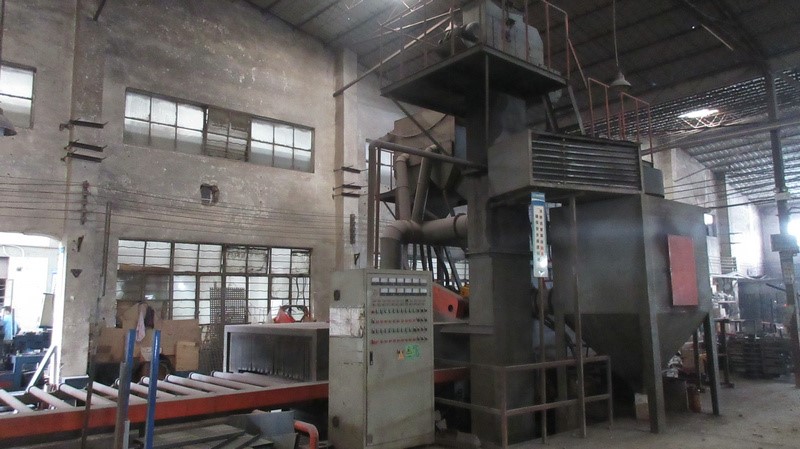
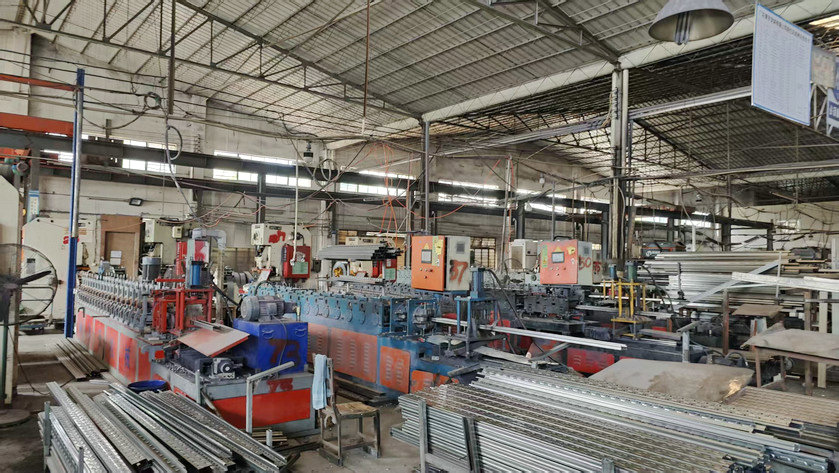
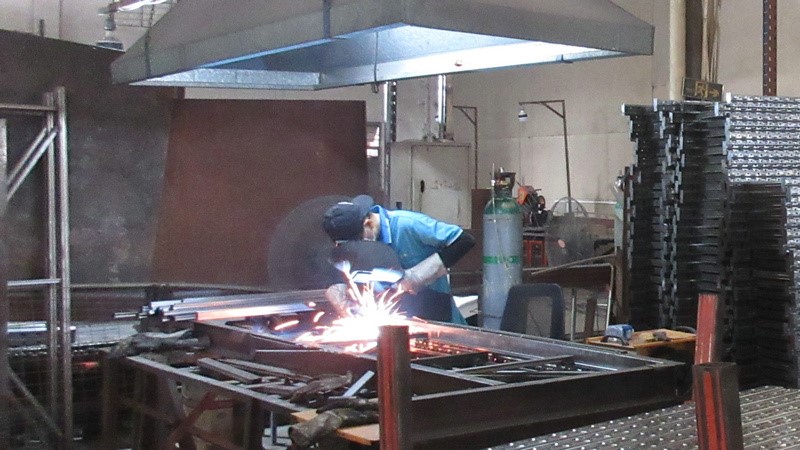
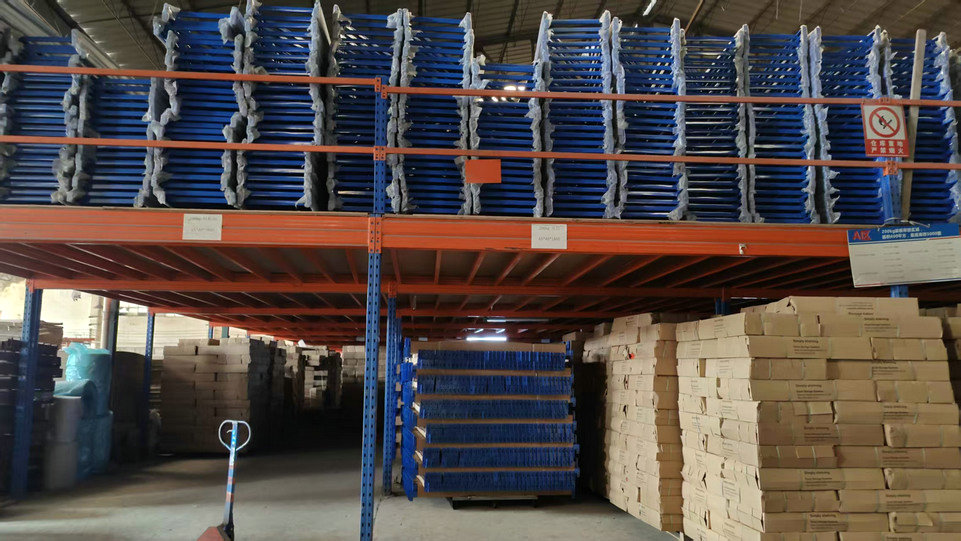
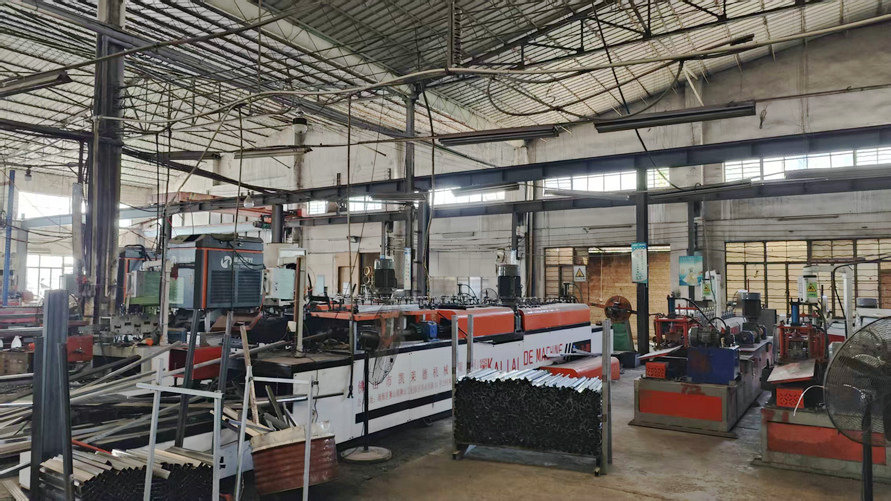
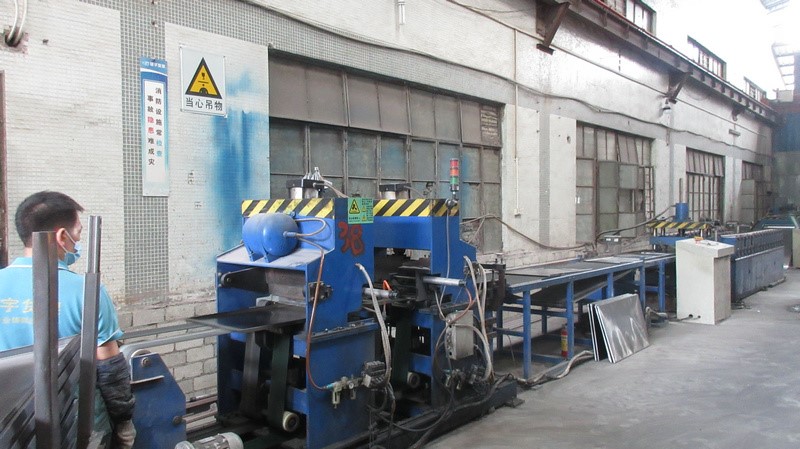
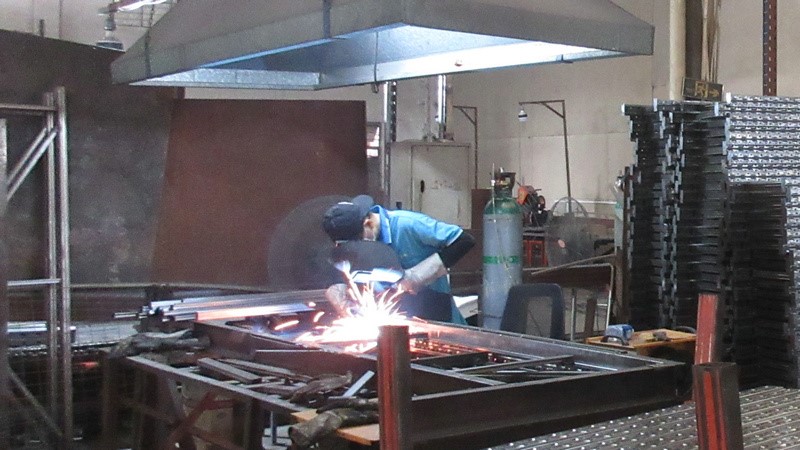
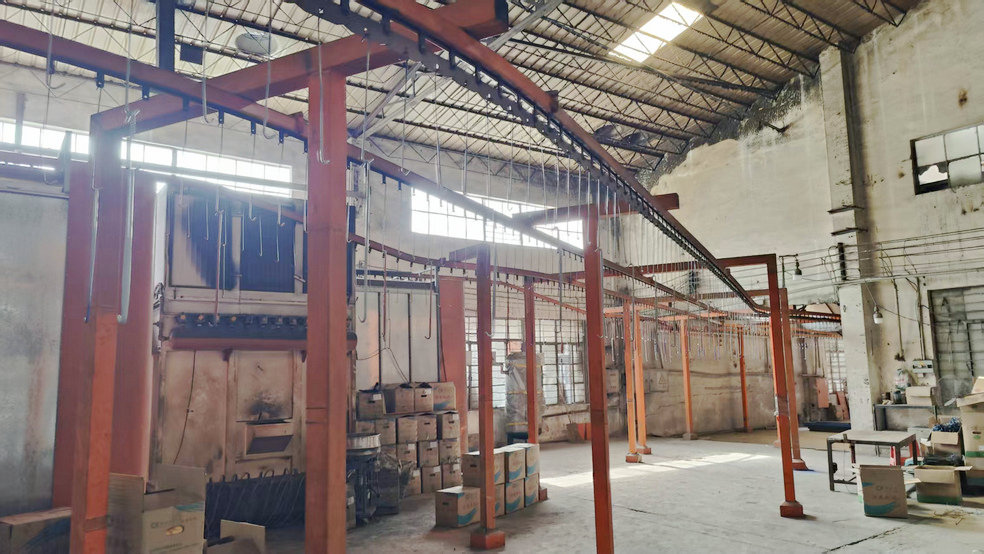
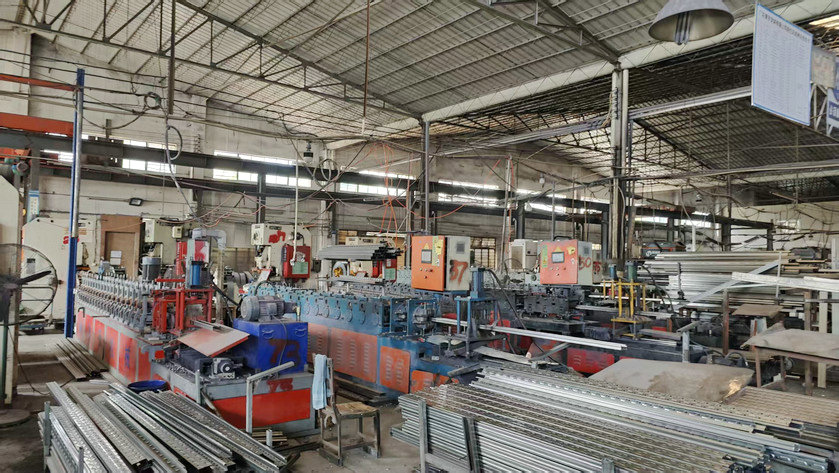
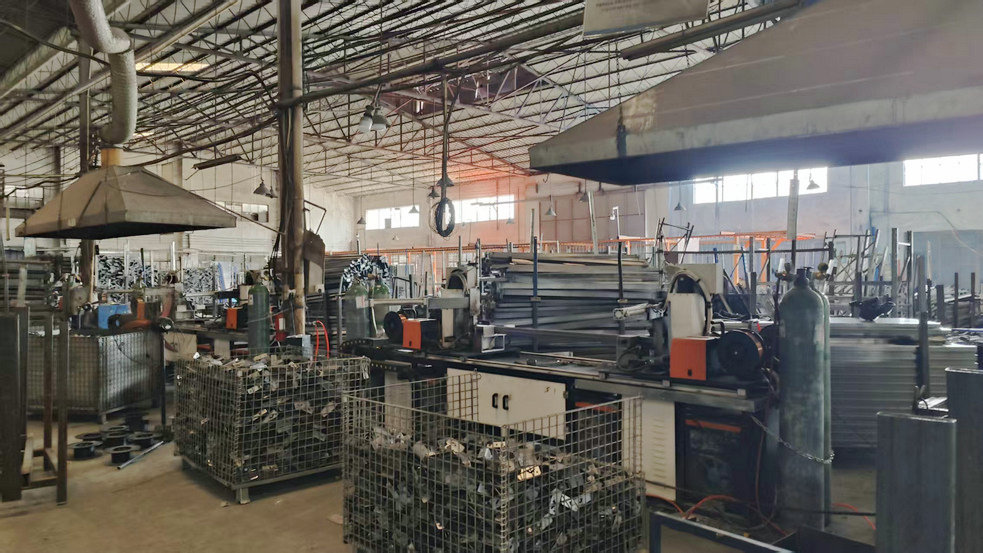
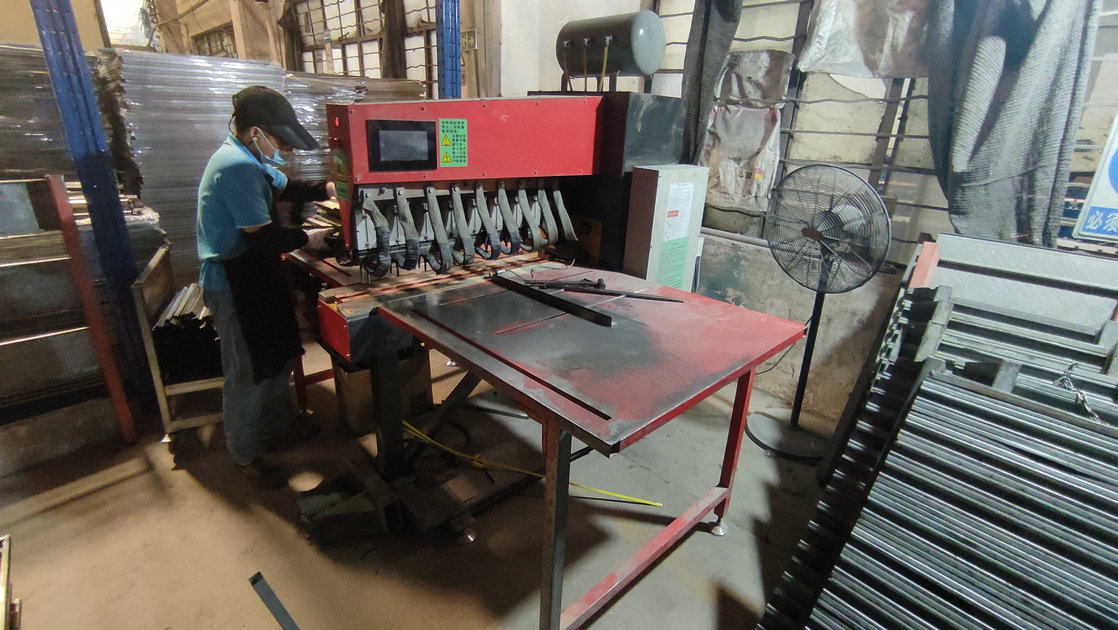
An inside look at our advanced manufacturing workflow. From raw material loading to high-precision robotic welding, bending, electrostatic powder coating, and final packaging.
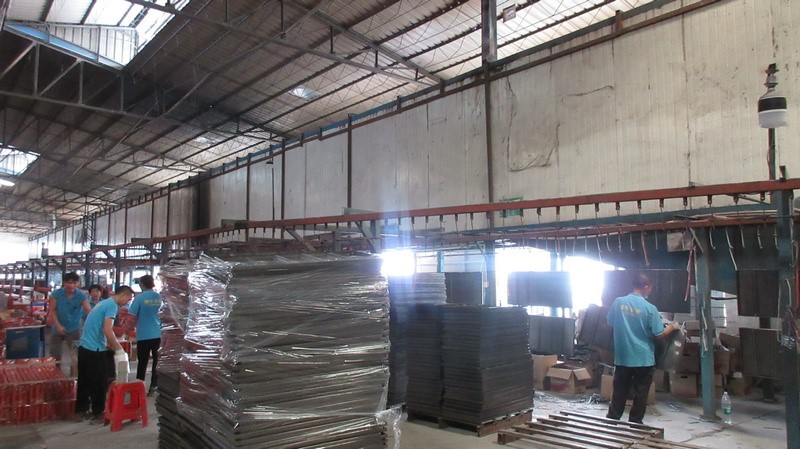
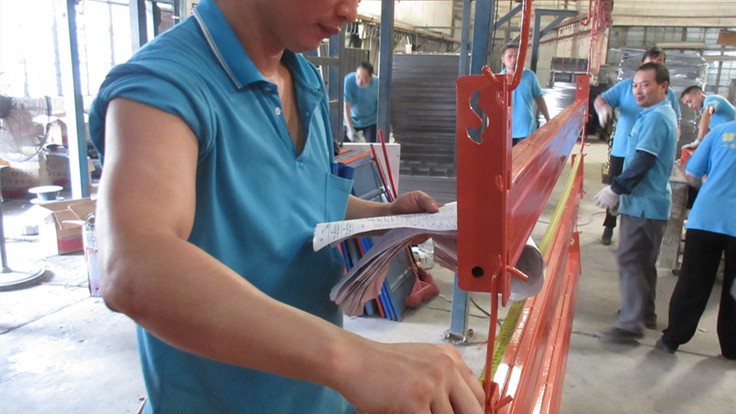
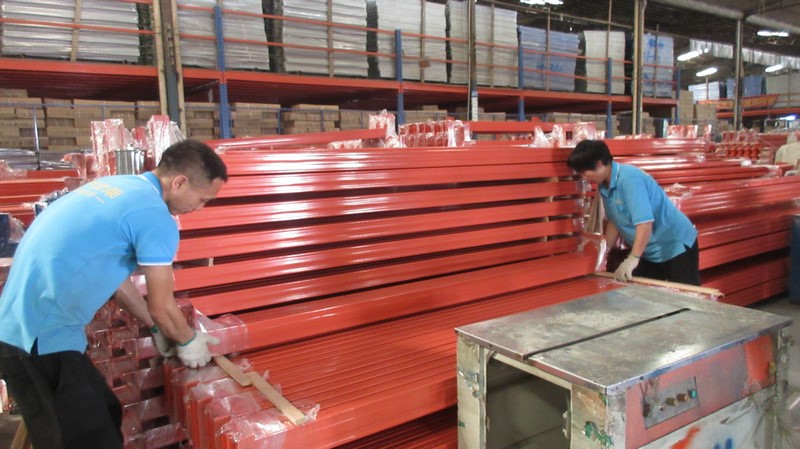
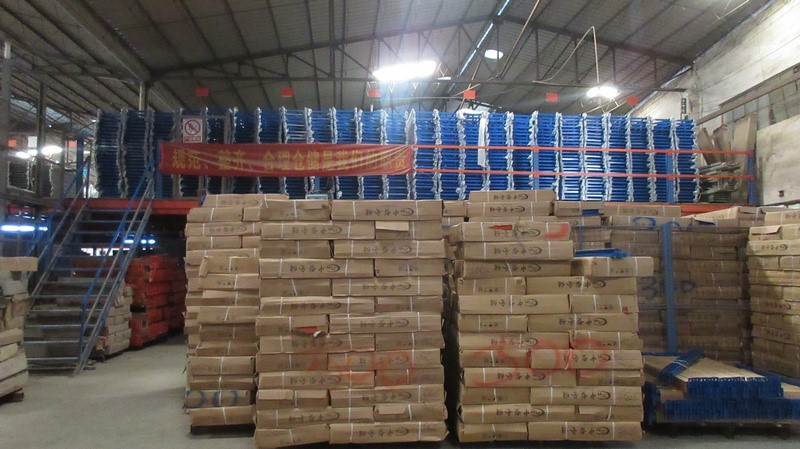
International logistics directors encounter multiple standards challenges when selecting heavy-duty racking suppliers. To ensure structural safety and avoid costly liability failures, manufacturers must strictly conform to localization rules:
Beyond steel structures, a reliable factory must offer global customer service, including engineering drawings in CAD/BIM formats, structural calculation documentation, and seaworthy packaging. Protecting steel components during long sea voyages requires deep chemical pre-treatment, powder coating layers of at least 70-110 microns, and heavy-duty steel strapping with protective corner brackets.
As industrial operations shift from traditional forklift systems to robotic automation, the racking profile tolerance becomes extremely critical. In an AS/RS (Automated Storage and Retrieval System), stacker cranes and AMRs (Autonomous Mobile Robots) operate with minimal clearance. A slight deflection or installation variance could cause systems to halt or crash.
The engineering roadmap for FutureSpace Logistics focuses on three main developments:
We primarily use premium cold-rolled Q235B and Q355B steel grades, which correspond to ASTM A36 and ASTM A572 respectively. Q355B is selected for high-bay upright columns due to its higher yield strength, while Q235B is optimal for horizontal beams and bracing systems.
Our facility utilizes state-of-the-art robotic MIG/MAG welding systems that maintain consistent welding temperatures and seam depth. Every production batch undergoes non-destructive testing (NDT), and all weld lines are inspected by our 22 certified quality technicians.
Yes, our engineering department designs racking solutions that comply with AS4084-2012/2023, European EN 15512, and US ANSI/RMI MH16.1 standards. We provide certified structural calculation documents for permit applications upon request.
Standard OEM production takes 20 to 30 days from layout approval to container loading. This timeline includes raw material testing, structural engineering preparation, high-precision roll forming, powder coating, and export-grade packaging.
All steel components undergo a multi-stage chemical pretreatment, including hot-acid pickling, phosphating derusting, and a high-durability electrostatic powder coat finish. We pack all products with moisture-barrier wrapping and thick edge protectors to prevent physical and environmental damage.
 FutureSpace Rack