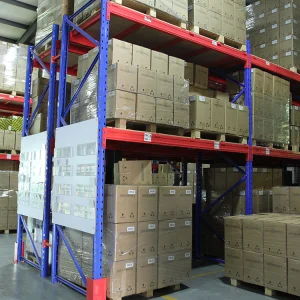
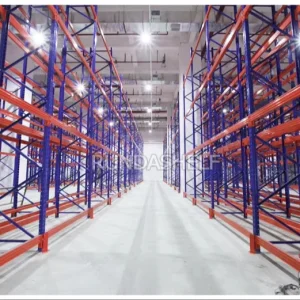
Explore our top-tier selection of high-durability shelving units. Every system is built to meet rigorous global standards, combining raw material strength with high-precision engineering.
Established in 2018, Ningbo FutureSpace Logistics Technology Co., Ltd. operates a advanced manufacturing base of 22,000 m². Backed by 8 years of sector expertise and 5 years of international market experience, our annual export revenue stands at $8.5 million. Our quality assurance framework strictly follows SGS and ISO9001 standards, implementing raw material tensile testing and robotic weld seam inspection managed by 22 certified quality technicians.
Operating through combined direct export and international trade partner channels, our key markets span Australia, North America, and Eastern Europe. Supported by over 420 upstream supply chain partners, we primarily serve industrial equipment wholesalers, regional logistics hubs, and manufacturing warehouses. Powered by 28 skilled R&D engineers, we provide tailored OEM custom sizes, specialized powder coating finishes, and modular rack designs, successfully rolling out 65 new product lines in the past year.
The global supply chain landscape is shifting towards high-density, smart vertical storage. When it comes to long, bulky, and irregular materials like steel pipes, timber, PVC tubing, and heavy structural beams, traditional pallet racking falls short. Industrial cantilever shelving offers the only viable structural solution for unobstructed front loading and continuous storage lines.
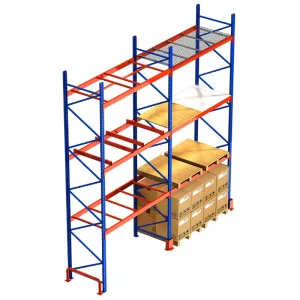
Unlike pallet racking with upright columns restricting horizontal placement, cantilever designs offer a continuous arm run, allowing long materials of varying lengths to sit safely across multiple arms.
Adjustable arm heights accommodate varying cargo profiles. Single-sided and double-sided structures maximize space utilization right up to your ceiling limits.
Engineered with high-tensile structural steel (Q235 or Q355B), specialized locking pins, and load deflection design to prevent failures under heavy seismic or physical impacts.
The demand for cantilever shelving systems is closely tied to infrastructure development, heavy manufacturing, and construction material distribution. In regions like North America, Western Europe, and Australia, strict occupational health and safety regulations dictate that raw metals, structural plastics, and lumber must be organized securely to prevent workplace hazards.
Leveraging China's manufacturing clusters, suppliers like Ningbo FutureSpace Logistics Technology Co., Ltd. offer a strategic cost-to-quality advantage. By sourcing raw steel locally in East China and combining it with highly automated fabrication processes, we help international distributors, wholesalers, and project developers optimize their capex while maintaining robust performance profiles.
Safety and structural integrity are non-negotiable in heavy-duty storage. We focus on two critical steel grades: Q235 Carbon Steel and Q355B Low-Alloy High-Strength Steel. Column uprights are calculated based on structural stiffness, limiting arm deflection under full load to less than L/300 (where L is the arm length).
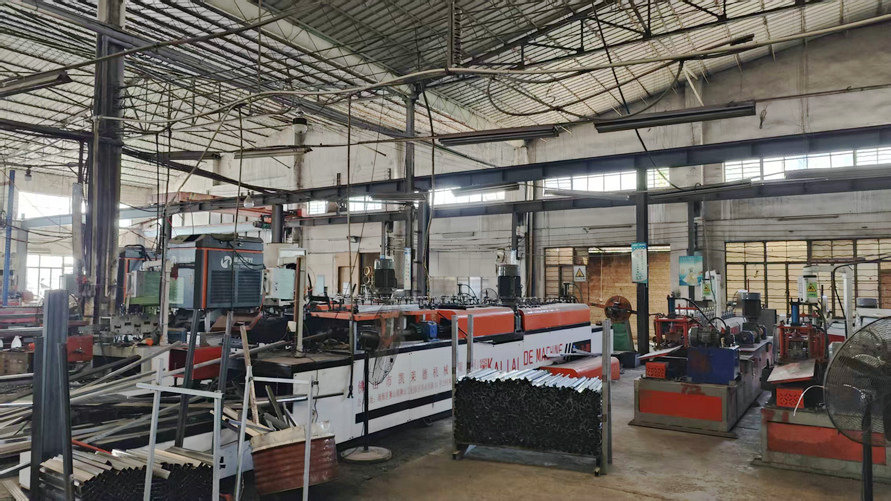
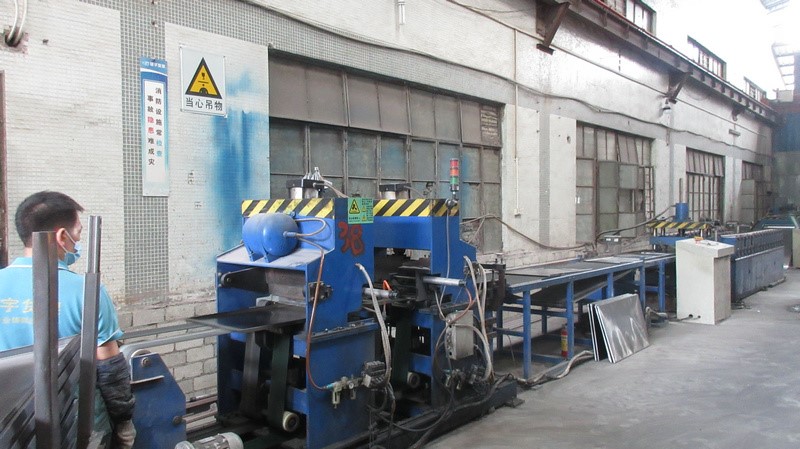
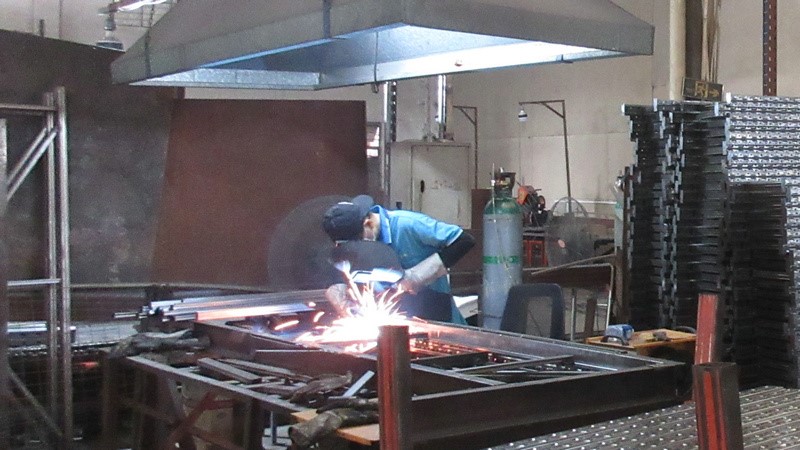
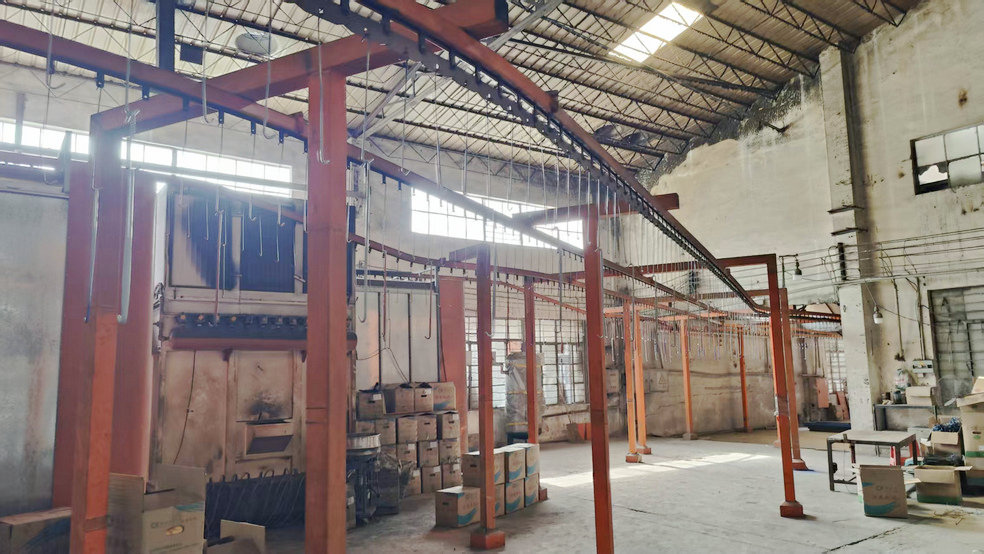
Our 22,000 m² production base utilizes an end-to-end quality control system. Every batch of raw steel undergoes tensile strength verification before moving to cutting, bending, robotic welding, and automated surface treatment. Below is our visual process path:
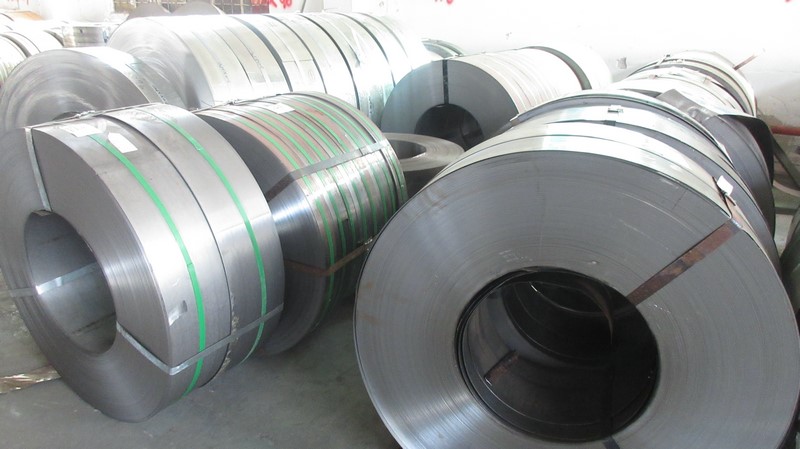
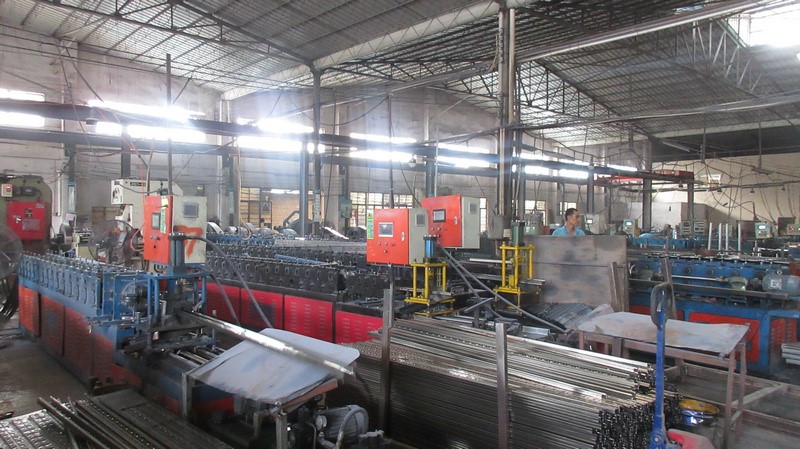
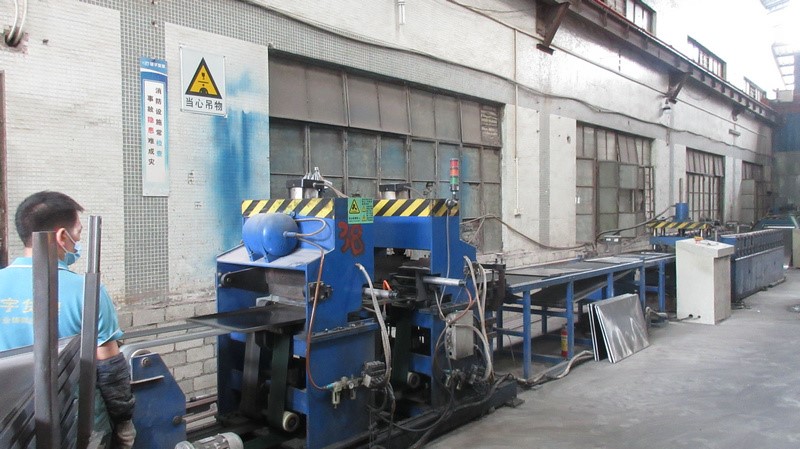
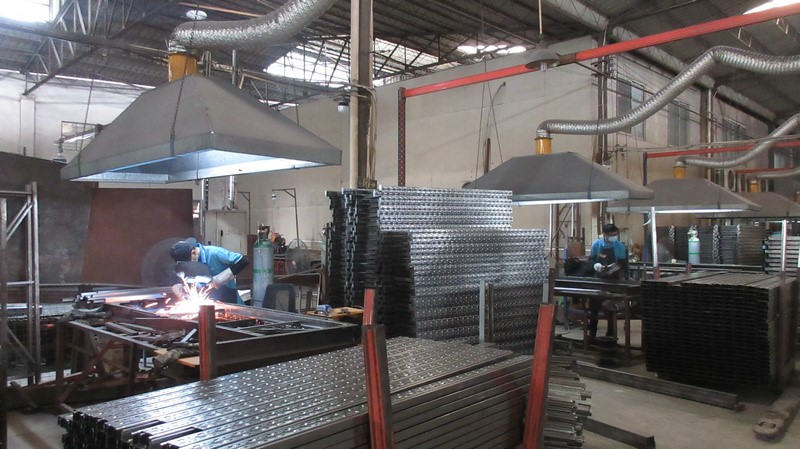
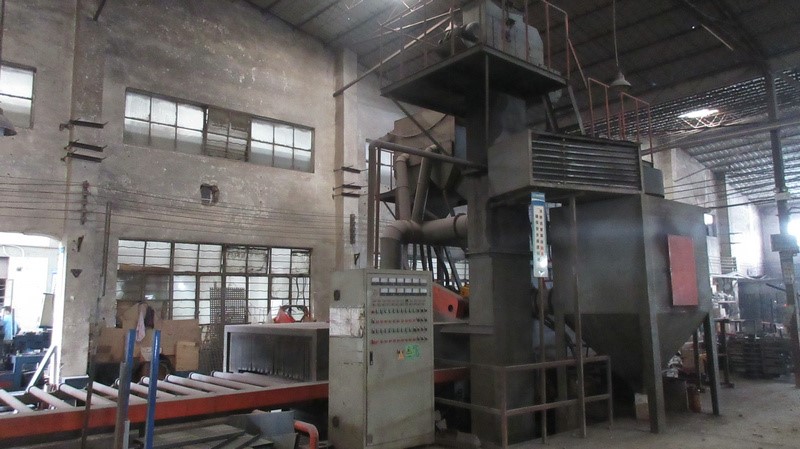
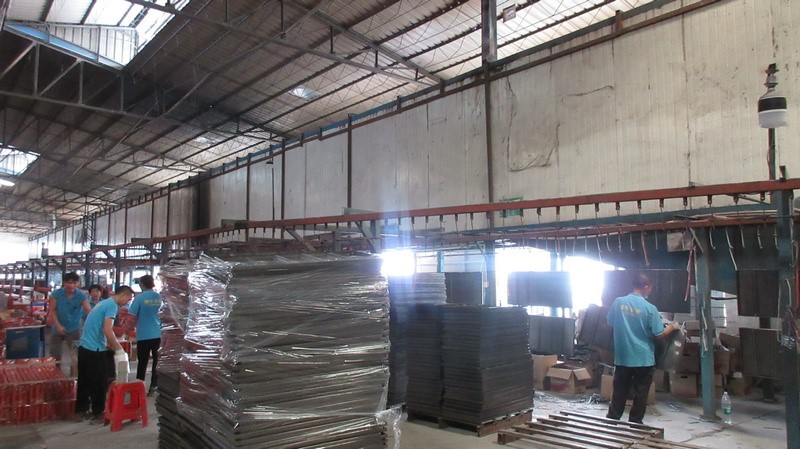
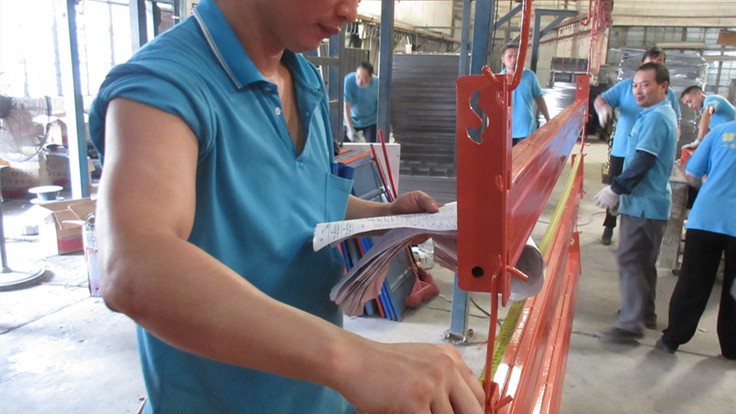
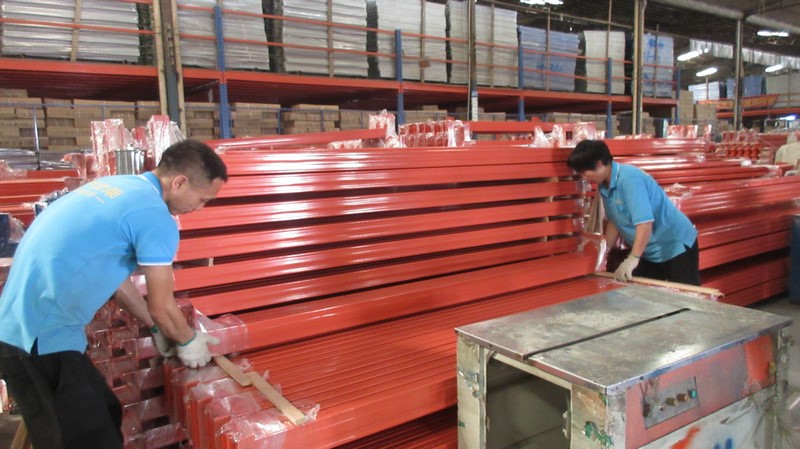
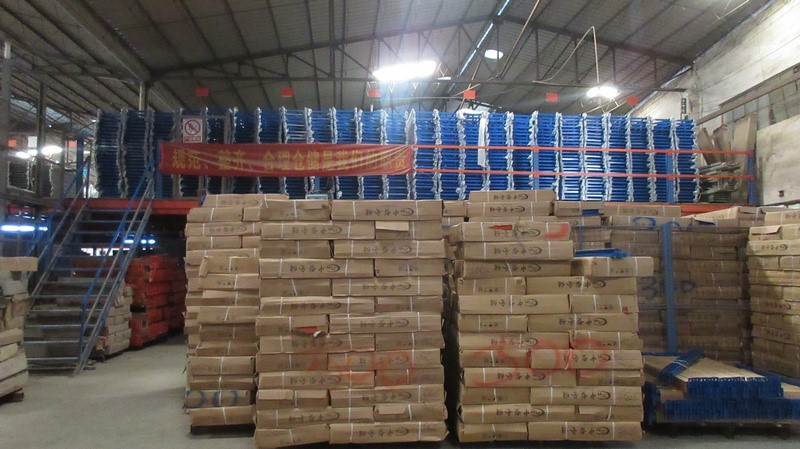
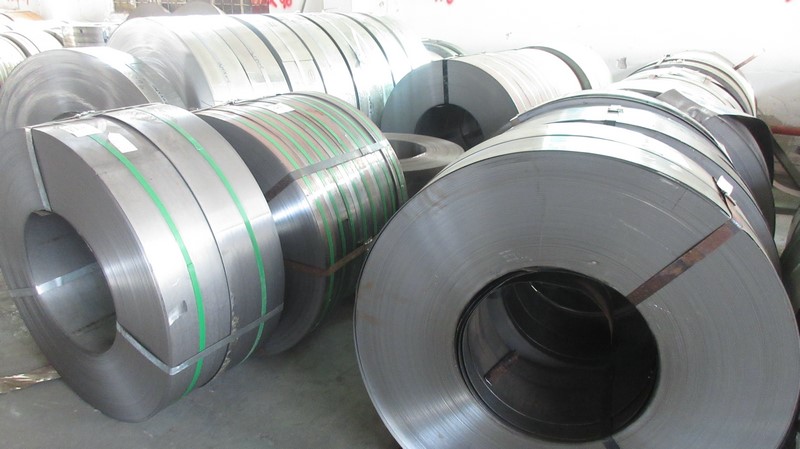
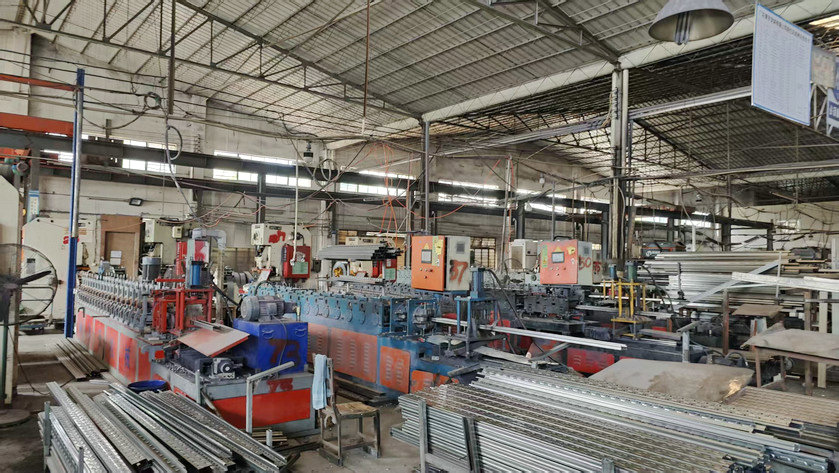
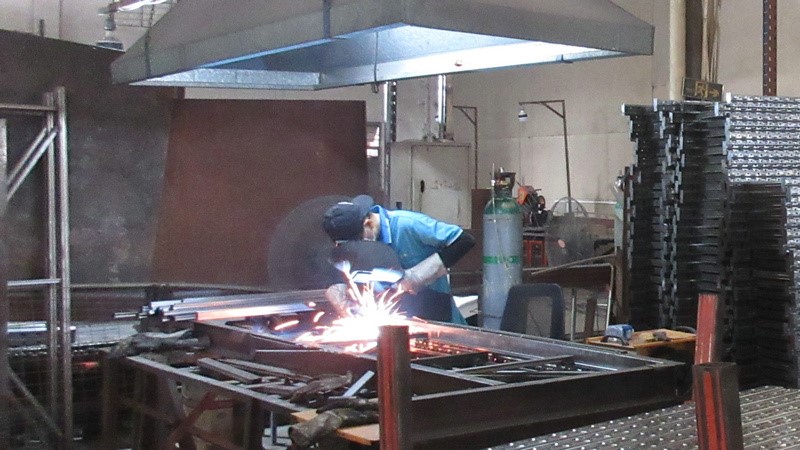
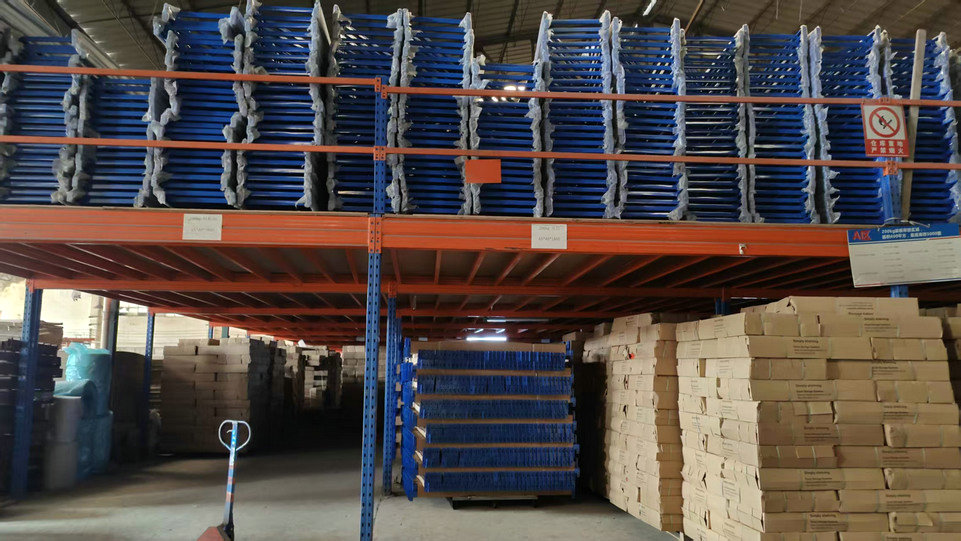
Our factory equipment forms the backbone of our structural reliability. Precise tolerances during cutting, bending, and punching ensure clean alignments, making onsite installation smoother for local construction teams.
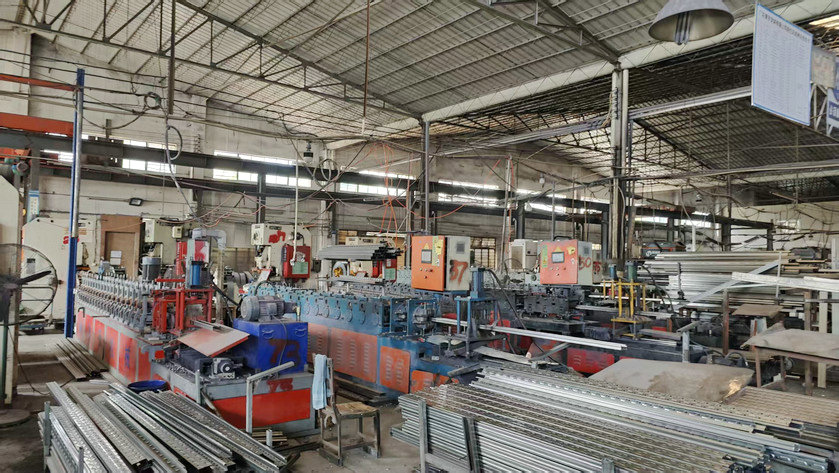
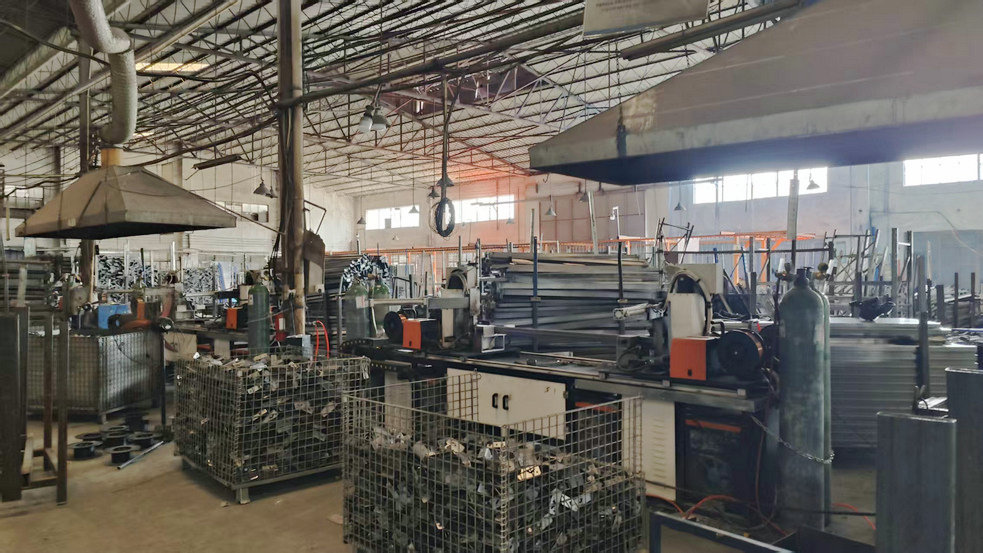
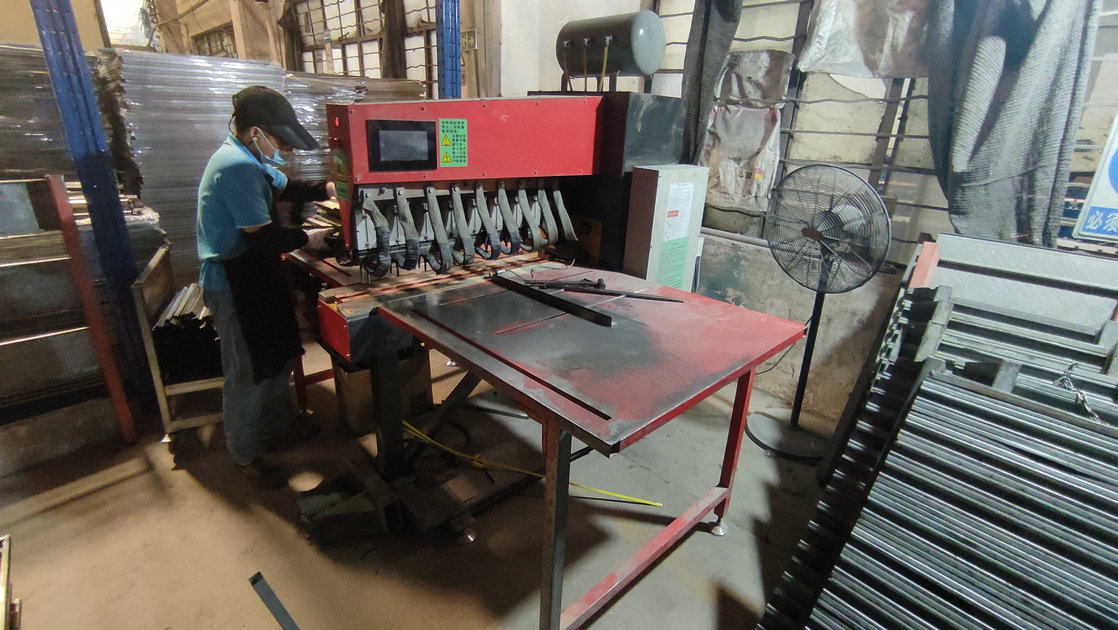
Exporting industrial structural steel racking requires strict adherence to regional design and safety standards. Our product catalog is engineered to comply with the following international design frameworks:
AS 4084-2012 / AS 4084-2023 (Steel Storage Racking). Compliance ensures safe structural configurations, load calculations, and regular inspection metrics across Australian distribution centers.
ANSI / RMI MH16.1 specifications from the Rack Manufacturers Institute. Compliance validates standard load rating plates, seismic calculations, and impact protection tolerances.
EN 15635 (Application and Maintenance of Storage Equipment) and FEM 10.2.09 guidelines. These standards establish requirements for routine structural load inspections, safety color coding, and arm deflection management.
Every industry faces unique material handling challenges. Proper layout configuration and correct arm configuration can dramatically improve throughput and safety.
For heavy steel tubes, structural channels, and round bar stock. Cantilever arms can be fitted with removable end-stops to prevent rolling and allow safe crane loading from overhead.
Unobstructed runs of horizontal arms support drywall packs, plywood sheets, and long timber joists, preventing bowing or structural damage to raw wood materials.
High load capacity structural steel columns facilitate direct storage of vehicle chassis, engine blocks, and larger vehicle parts, maximizing yard density.
Racking design is moving beyond static steel structures. The future centers on Smart Automated Storage and Retrieval Systems (AS/RS). Integrated with heavy-duty crane systems and custom automated guided vehicles (AGVs), cantilever setups can now retrieve long products without manual forklift operations.
Sustainability is also steering material procurement and surface treatment practices. Modern powder coating lines minimize VOC emissions while providing weather-resistant finishes. For outdoor storage yards, hot-dip galvanization (ISO 1461) remains the industry benchmark, offering multi-decade rust protection against moisture and corrosive atmospheres.
Below are expert engineering answers to common technical queries when specifying and sourcing cantilever storage systems:
Capacity is determined by multiplying the weight of the heaviest load by a dynamic safety factor (typically 1.94 to 2.0). The load must be distributed uniformly across the cantilever arms. For example, if a 3,000 kg bundle of steel tubes rests on 3 arms, each arm must support a minimum rated load of 1,000 kg.
Roll-formed cantilever is made from cold-rolled coil steel and is suitable for light to medium duty applications (e.g., lightweight piping and trim). Structural cantilever uses hot-rolled structural C-channels, offering higher resistance to forklift impacts and supporting loads of up to several tons per arm.
Arms are designed with a slight upward incline of 2° to 4°. Under load, the steel naturally deflects downward. The pre-calculated incline ensures that when fully loaded, the arms align close to horizontal, preventing cylindrical goods from rolling off.
Hot-Dip Galvanizing (HDG) is highly recommended for outdoor environments. Unlike standard indoor powder coating, HDG coats the steel with layers of zinc-iron alloys, offering long-term protection against rain, UV exposure, and mechanical scratches.
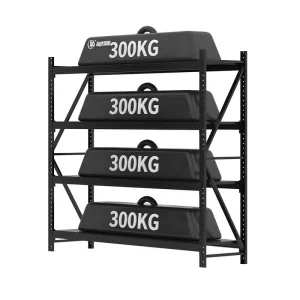
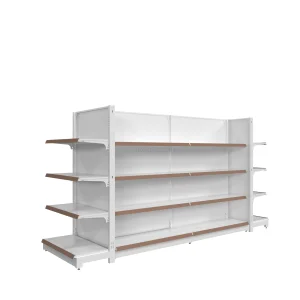
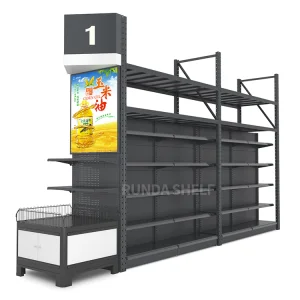
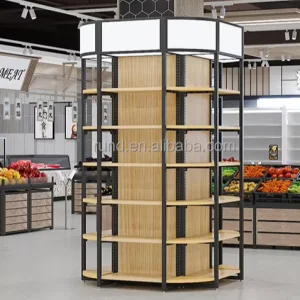
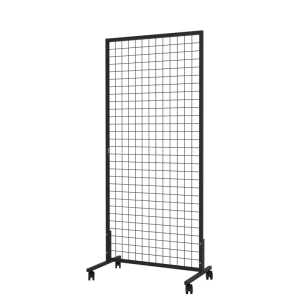
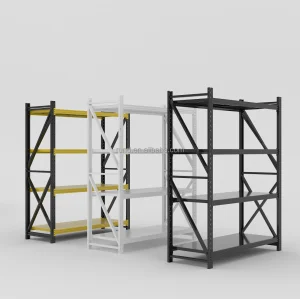
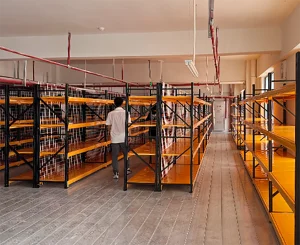
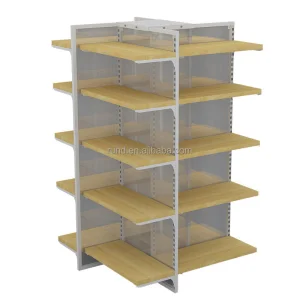
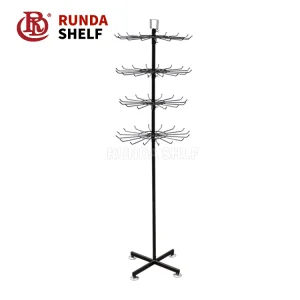
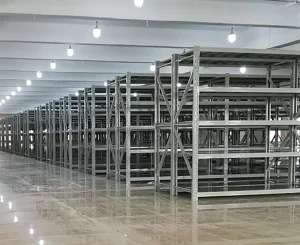
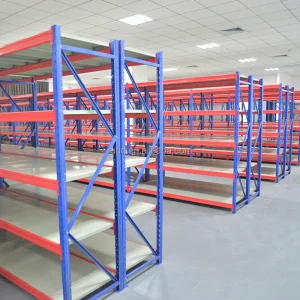
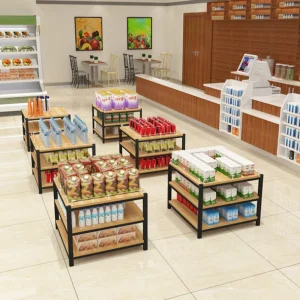
Review additional shelving and storage units, ranging from multi-purpose retail gondolas to heavy-duty industrial systems:
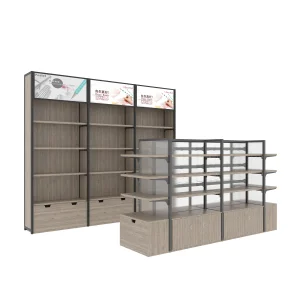
 FutureSpace Rack