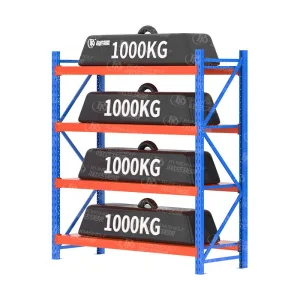
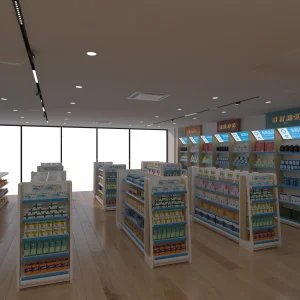
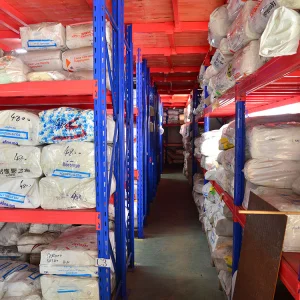
Premium architectural and logistics storage systems designed for high-density space optimization.
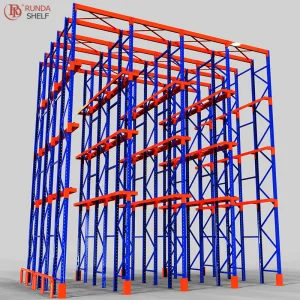
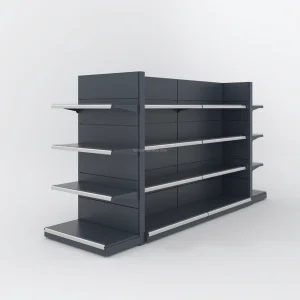
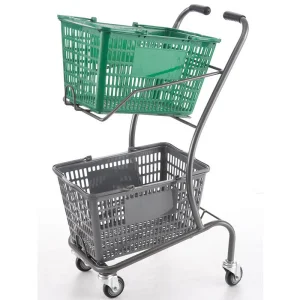
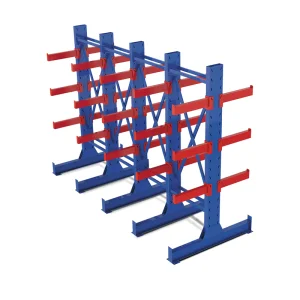
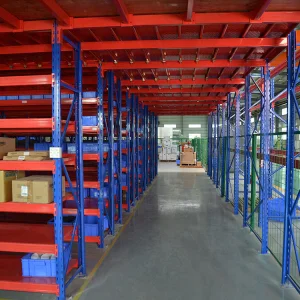
Ningbo FutureSpace Logistics Technology Co., Ltd. delivers institutional-grade metal fabrication and structural storage racking engineered to meet strict international standards.
Established in 2018, Ningbo FutureSpace Logistics Technology Co., Ltd. operates a state-of-the-art production base of 22,000 m². Backed by 8 years of sector expertise and 5 years of international market experience, our annual export revenue stands at $8.5 million. Our quality assurance framework strictly follows SGS and ISO9001 standards, implementing raw material tensile testing and robotic weld seam inspection managed by 22 certified quality technicians. Operating through combined direct export and international trade partner channels, our key markets span Australia, North America, and Eastern Europe. Supported by over 420 upstream supply chain partners, we primarily serve industrial equipment wholesalers, regional logistics hubs, and manufacturing warehouses. Powered by 28 skilled R&D engineers, we provide tailored OEM custom sizes, specialized powder coating finishes, and modular rack designs, successfully rolling out 65 new product lines in the past year.
Urban micro-mobility is experiencing a structural revolution. As municipal planners, commercial real estate developers, and transportation authorities worldwide prioritize active transportation to meet net-zero carbon initiatives, the demand for institutional-grade bicycle parking systems has scaled exponentially. No longer treated as an afterthought in building design, bicycle racks are now critical components of Transit-Oriented Development (TOD) projects, municipal transit nodes, corporate campuses, and high-density residential hubs.
From a macro perspective, the global commercial bicycle rack market is moving rapidly toward high-density, smart-integrated, and highly weather-resistant solutions. The European Green Deal, alongside localized mandates such as the US Infrastructure Investment and Jobs Act and Australia's national active transport strategies, has established minimum bicycle parking requirements for all newly designed commercial properties. This regulatory tailwind requires architectural and engineering procurement professionals to seek manufacturers capable of supplying volume-stable, structurally certified products that withstand environmental degradation and physical tampering.
By integrating structural carbon steel, state-of-the-art anti-theft profiles, and modular geometric architectures, contemporary bicycle rack manufacturing bridges the gap between raw metallurgy and architectural urban planning.
For B2B procurement managers and municipal engineers, the durability of a bicycle rack system is determined by its base material engineering and chemical finishing. Raw steel configuration, hot-dip galvanization processes, and powder coating polymer types must conform to localized structural standards (such as ASTM, AS/NZS, and EN codes) to prevent premature corrosion and structural failure.
Dual-tier, gas-assist lift mechanisms and sliding horizontal tracks that maximize storage capacity in constrained parking basements and transit tunnels.
Heavy-duty, internally threaded concrete anchors and shear-off security nuts that prevent unauthorized removal of commercial racking installations.
Smart rack configurations incorporating weather-shielded outlets, charging dock stations, and telemetry nodes for urban e-bike charging networks.
Urban planning requires multi-modal transportation nodes where commuters transition from cycling to rail or bus transit. Designing these hubs involves addressing security, accessibility, and high volume throughput. Our engineering division works with municipal architects to supply customized spatial calculations. Utilizing CAD and 3D modeling, we configure layout configurations to minimize footprint while complying with accessibility regulations, including wheelchair clearing paths and tactile paving integration.
Furthermore, in light of the rapid rise of cargo bikes and heavy e-bikes (often weighing upwards of 30 kg), structural engineering must account for increased load-bearing configurations. Standard racks are no longer sufficient; modern facilities require dedicated heavy-duty ground-level parking tracks, wider spacing, and integrated tie-down points to maintain order and public safety.
Comprehensive visualization of our raw material processing, robotic assembly lines, surface treat lines, and final QA inspection setups.
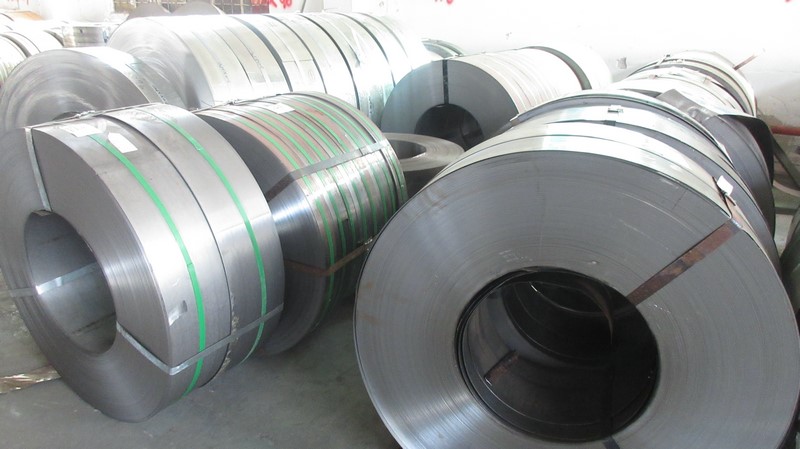
Raw Material
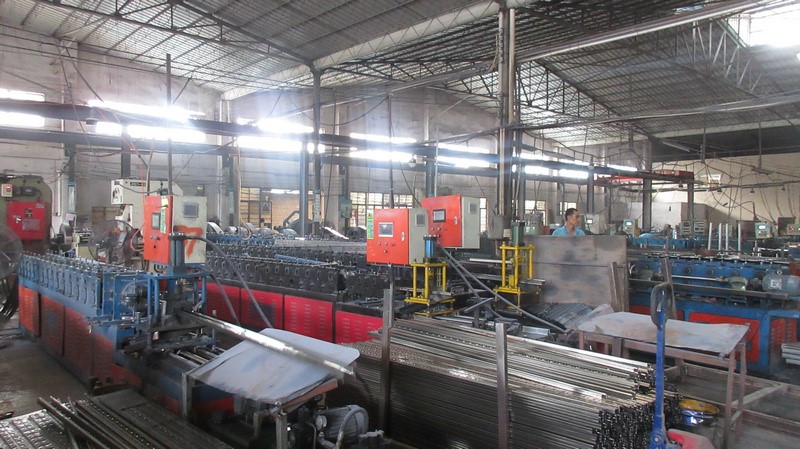
Cutting
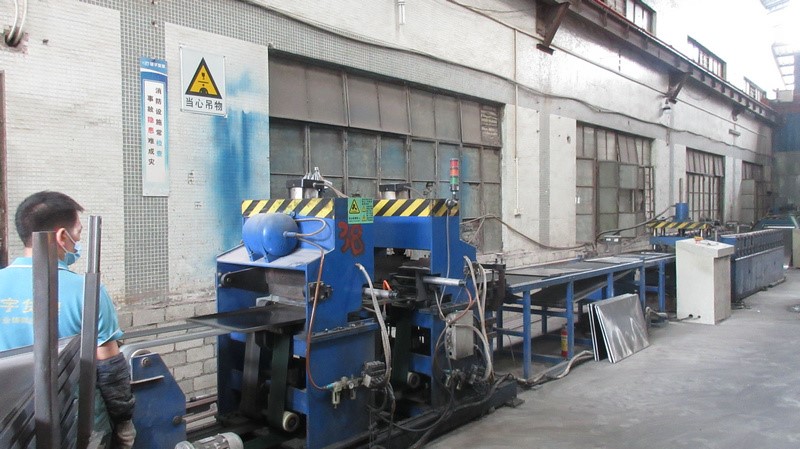
Bending
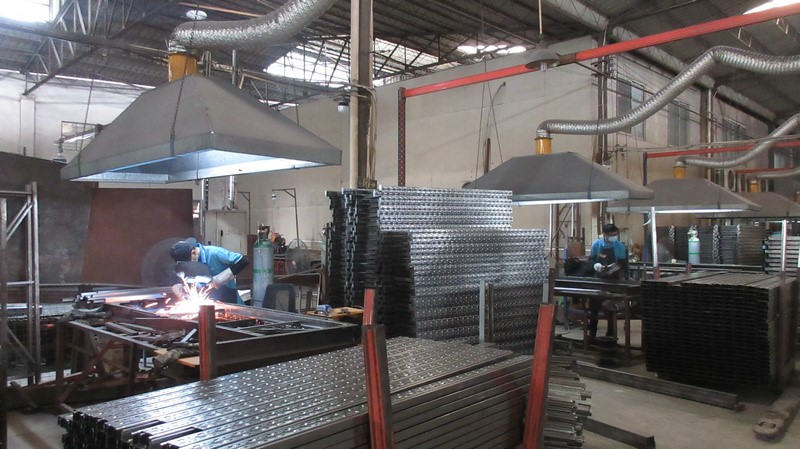
Welding
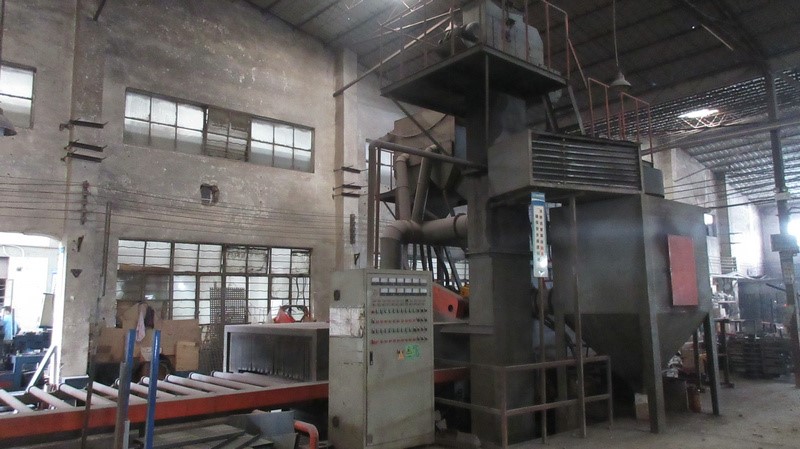
Derusting
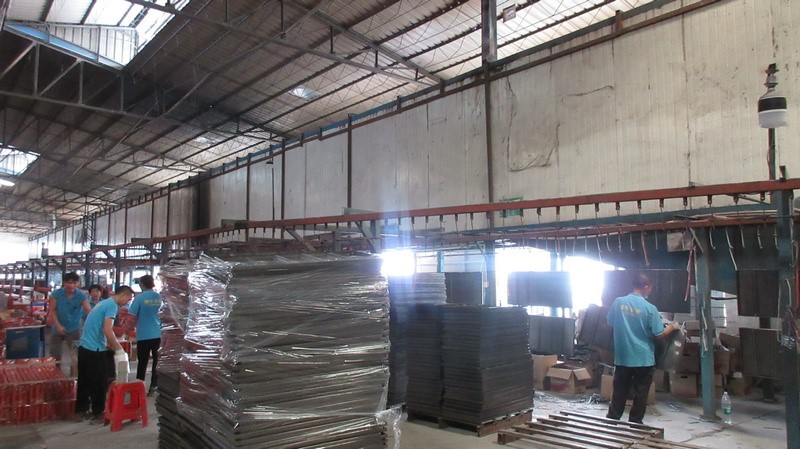
Spraying
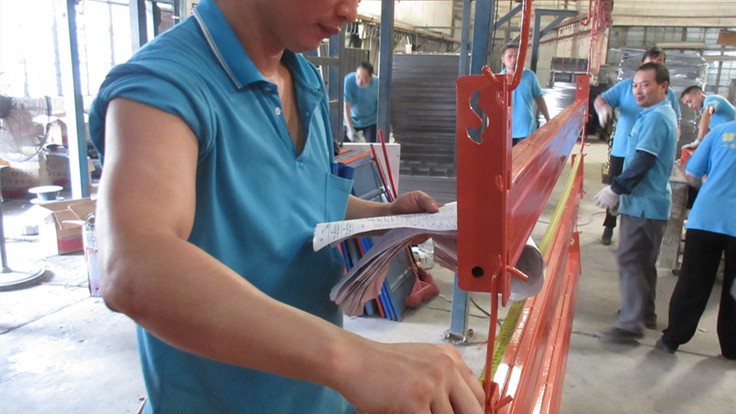
Inspection
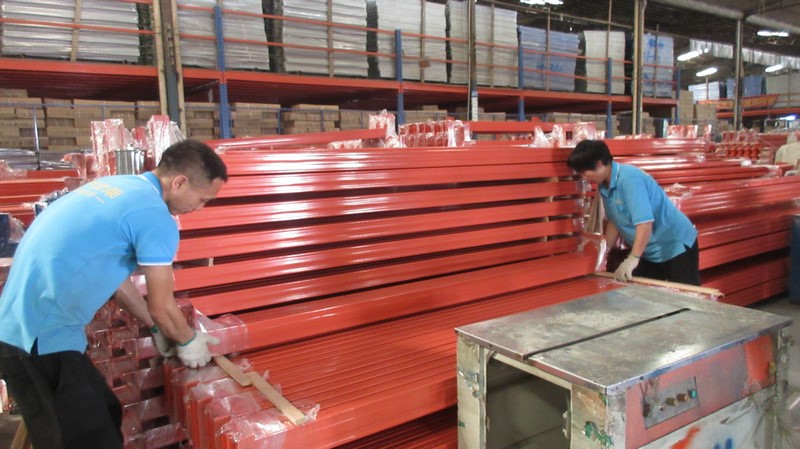
Packaging
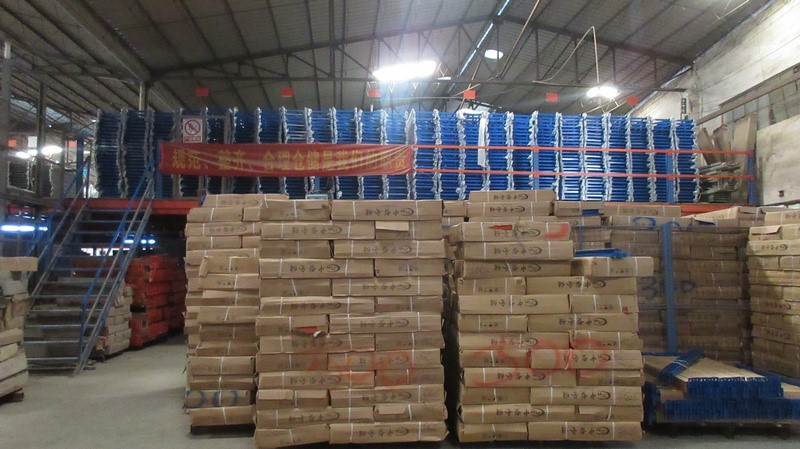
Storage
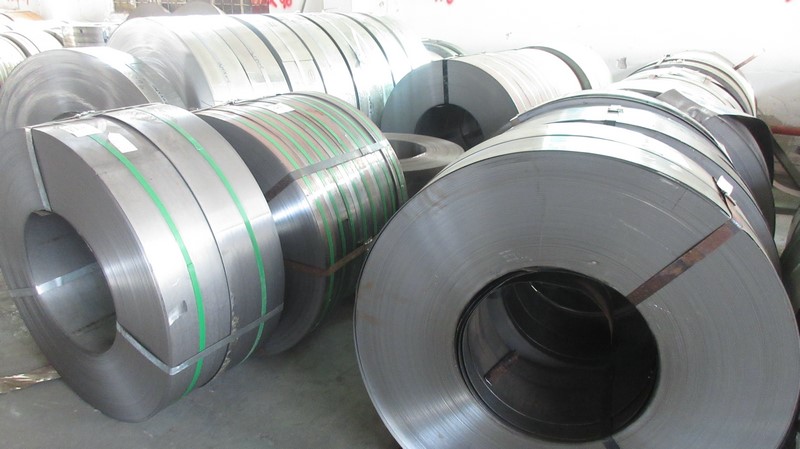
Raw Material
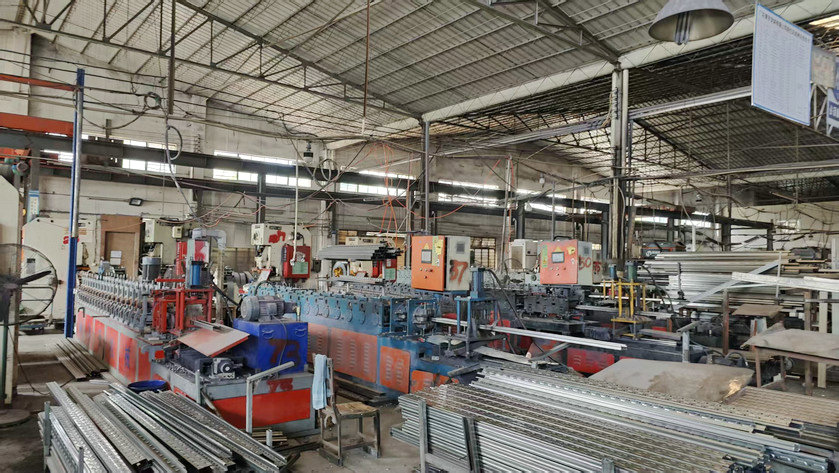
Cutting & Bending
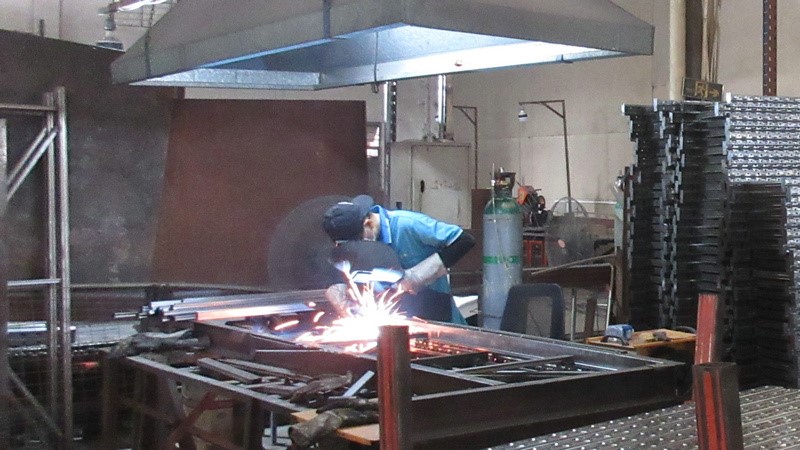
Welding
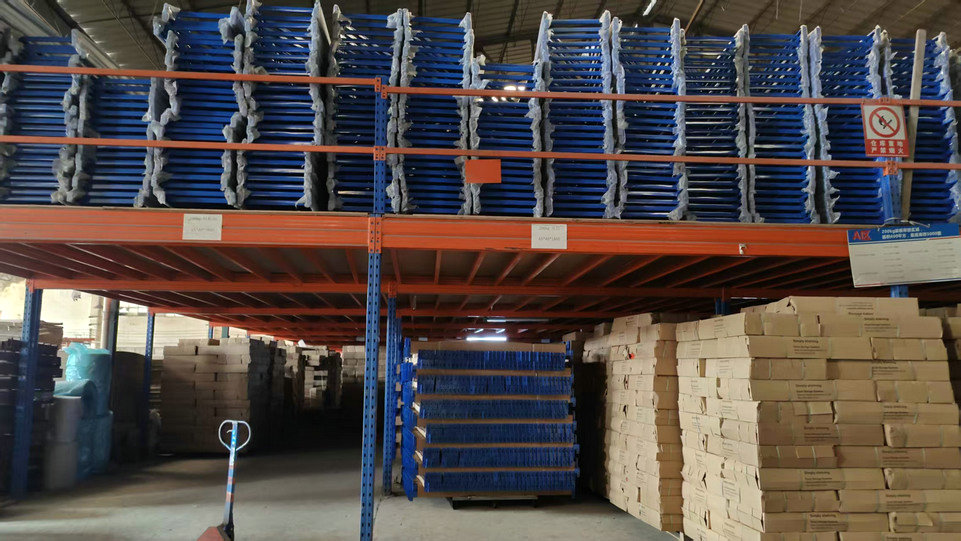
Packaging
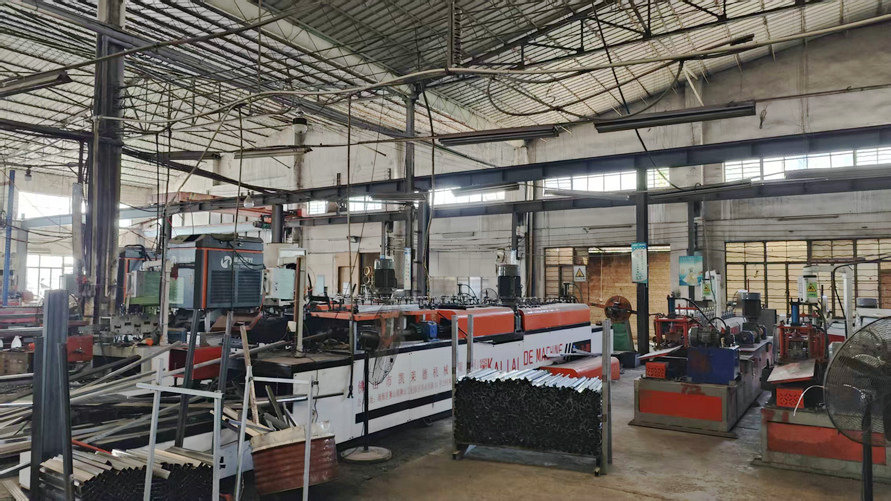
Cutting Machine
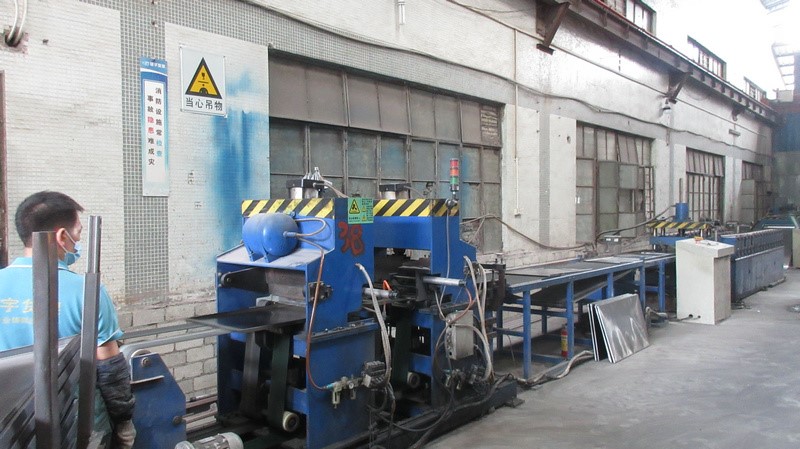
Bending Machine
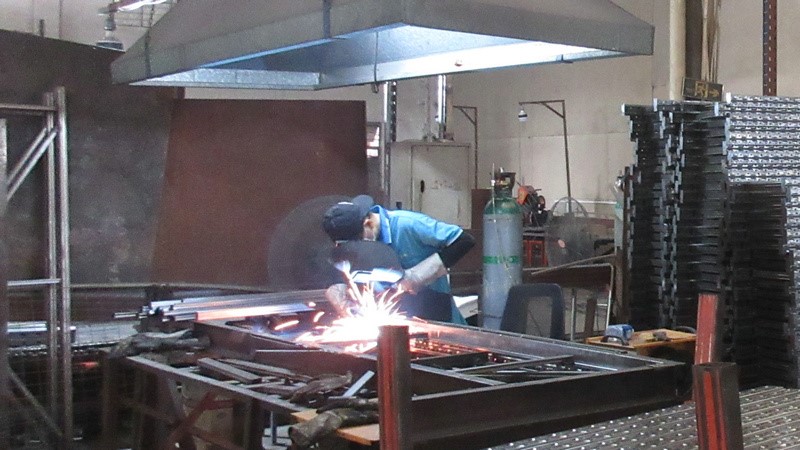
Welding Machine
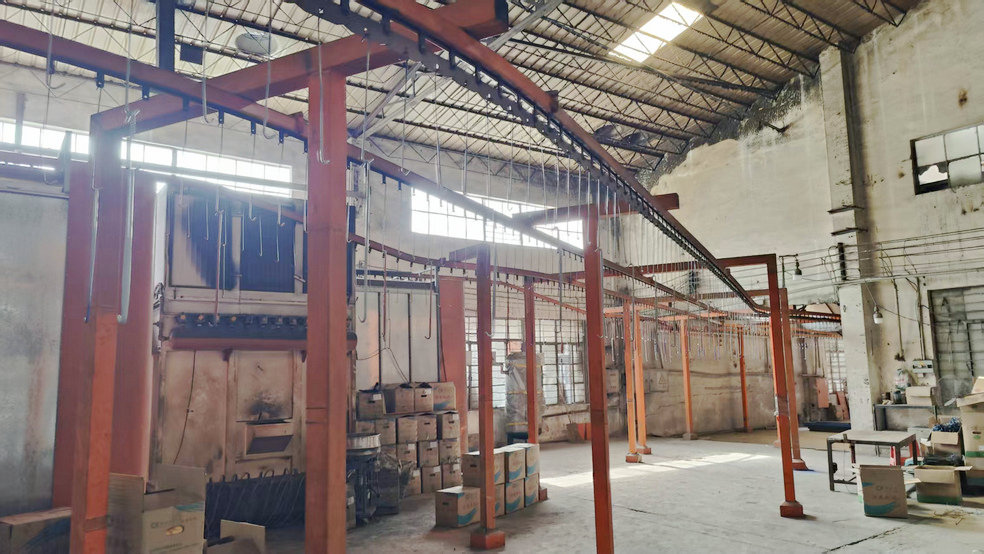
Spraying Line
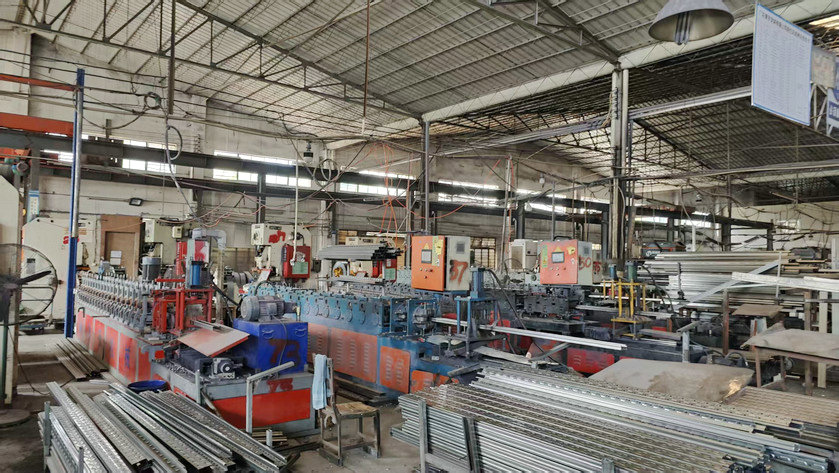
Cutting Machine
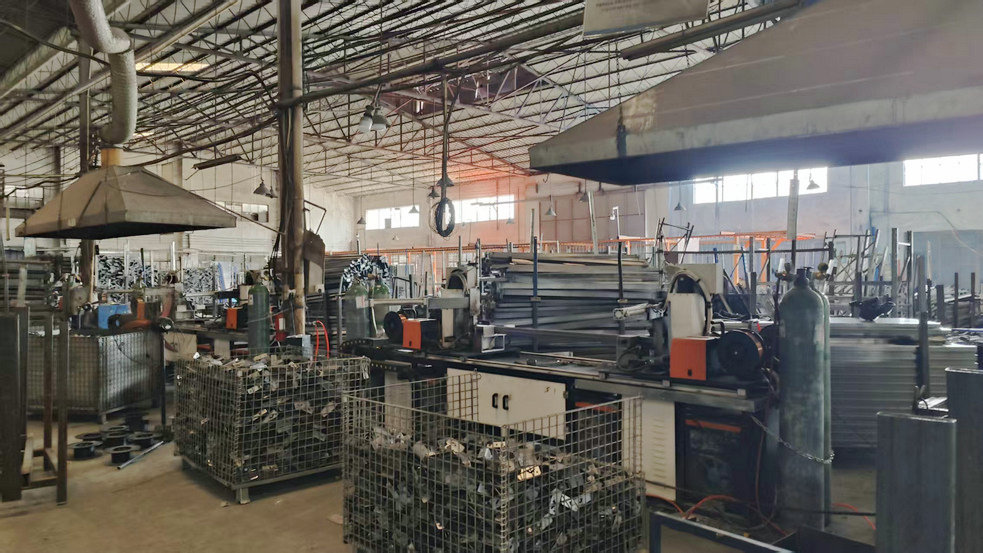
Welding Machine
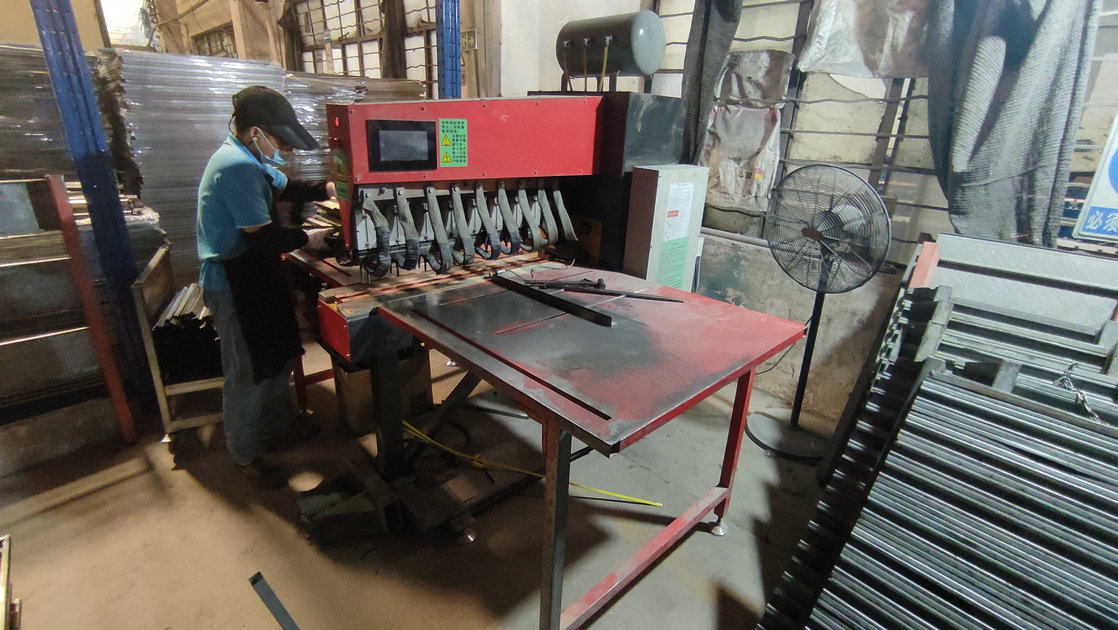
Point Welding Machine
Detailed engineering answers regarding load capacities, anti-corrosion treatments, spatial compliance, and volume B2B manufacturing.
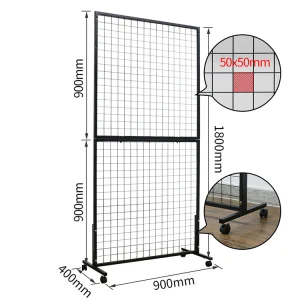
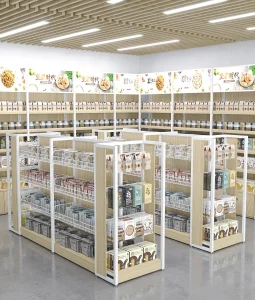
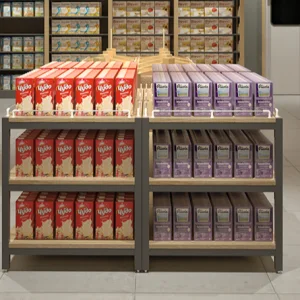
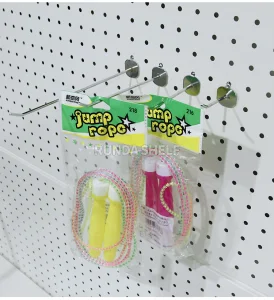
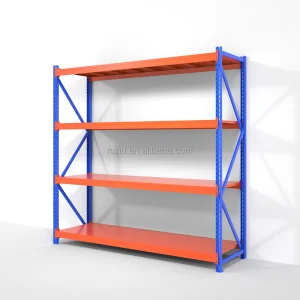
High-load logistics storage, structural pallet racks, and commercial store fixture systems.
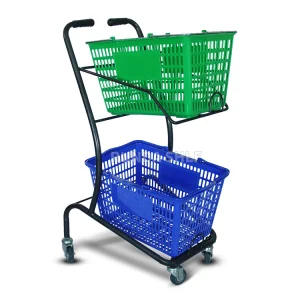
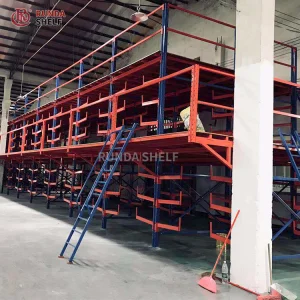
 FutureSpace Rack