Precision-Engineered Industrial Storage Systems, Smart Factory Automation & High-Density Space Optimization Solutions for Global Supply Chains.
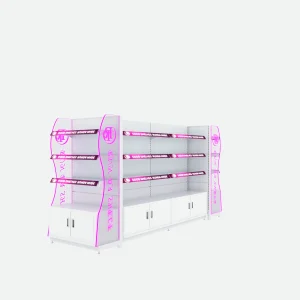
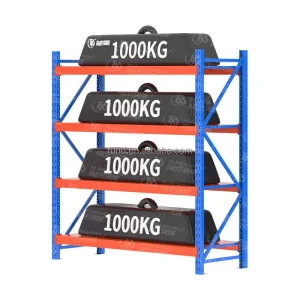
Explore our flagship structural racking configurations, high-density industrial systems, and heavy-duty utility retail shelves trusted globally.
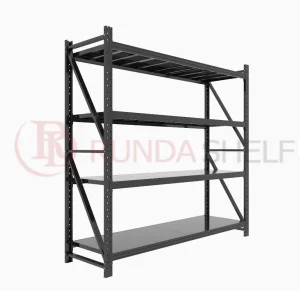
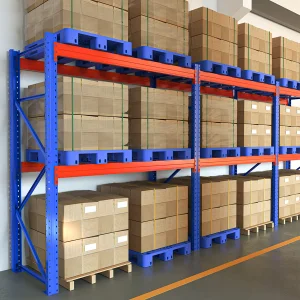
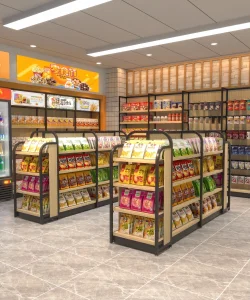
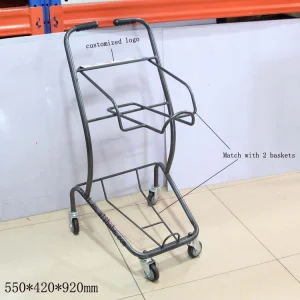
An in-depth perspective on modern supply chain architecture, structural stability guidelines, and the economic performance metrics of automated storage racking.
In the wake of rapid global e-commerce scaling, logistics hubs and cold storage operations are undergoing a monumental paradigm shift. Static, low-density warehouse models are obsolete; they are rapidly being replaced by high-density, vertical, and automation-ready structural pallet racking systems. Globally, companies face escalating real estate acquisition costs, driving the demand for systems that maximize the volumetric utilization of vertical spaces.
Under strict regulatory bodies like the Rack Manufacturers Institute (RMI) in the USA and European EN 15512 standards, modern warehouse infrastructure must satisfy complex seismic load designs and robust structural tolerances. Industrial operations now integrate Automated Storage and Retrieval Systems (AS/RS), multi-tier mezzanine floors, and gravity-fed flow racks. These setups optimize inventory accessibility (FIFO/LIFO protocols) and minimize forklift travel time. As the demand for smart, high-throughput fulfillment hubs surges, structural integrity and engineering precision remain the absolute pillars of warehouse safety.
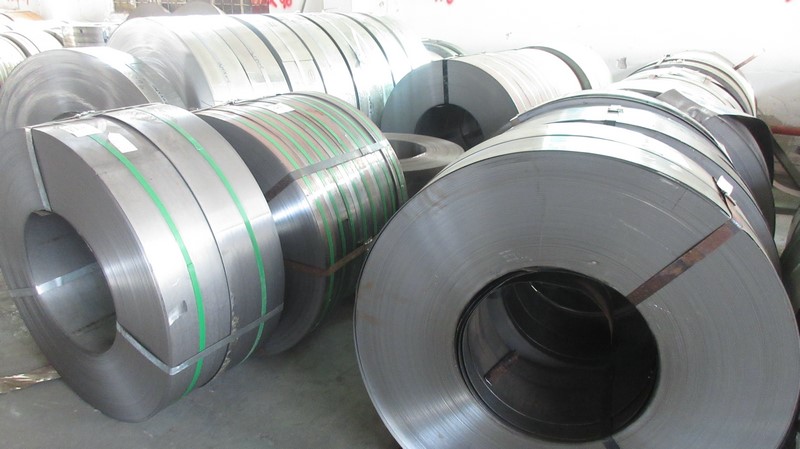
China has become the global nucleus for high-performance steel structures. Racking manufacturers in Ningbo leverage a vertically integrated industrial supply chain to offer unparalleled cost-to-performance ratios. By utilizing top-grade Chinese carbon steel (specifically Q235B and Q355B, equivalent to ASTM A36 and Grade 50), manufacturers ensure consistent load-bearing capacities and high yield strength.
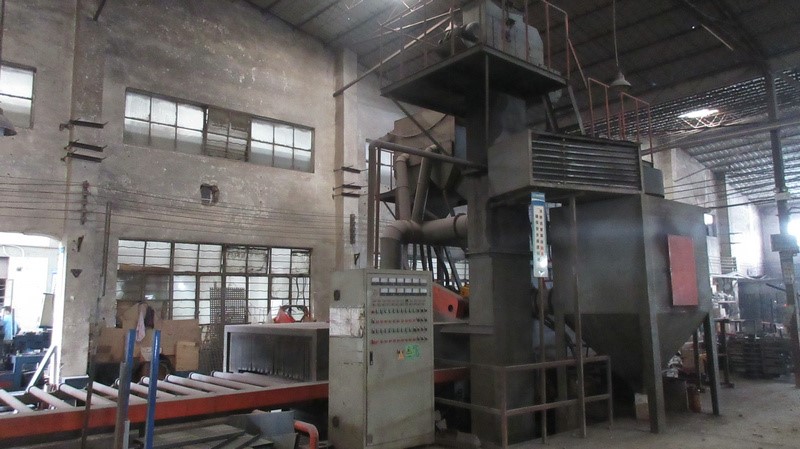
Furthermore, companies like Ningbo FutureSpace Logistics Technology Co., Ltd. integrate advanced robotic welding systems and automated electrostatic powder coating lines. This level of automation ensures deep weld penetration, flawless seam continuity, and uniform corrosion-proof surface treatments. By executing strict control processes—ranging from raw material tensile tests to automated profiling—Chinese factories maintain the high-quality benchmarks required by global logistics operators. This enables them to provide cost-effective solutions without compromising structural reliability.
Operational layouts vary significantly across global jurisdictions. In North America, warehouse racks must satisfy strict OSHA inspections and RMI calculations, frequently requiring heavy-duty bolted frames and impact protectors. In Australia, standards demand strict adherence to AS4084-2012, which details specialized spacing, baseplate anchor dynamics, and column deflection tolerances.
In Europe, the FEM 10.2.02 (Federation Européenne de la Manutention) guidelines require detailed limit state design configurations. High-quality exporters recognize these regional variations, offering localized structural calculation packets and custom accessories. These include wire mesh decks, pallet support bars, drop-in safety pins, and heavy-duty frame guardrails. These accessories ensure compliance and safety across different regional logistics projects.
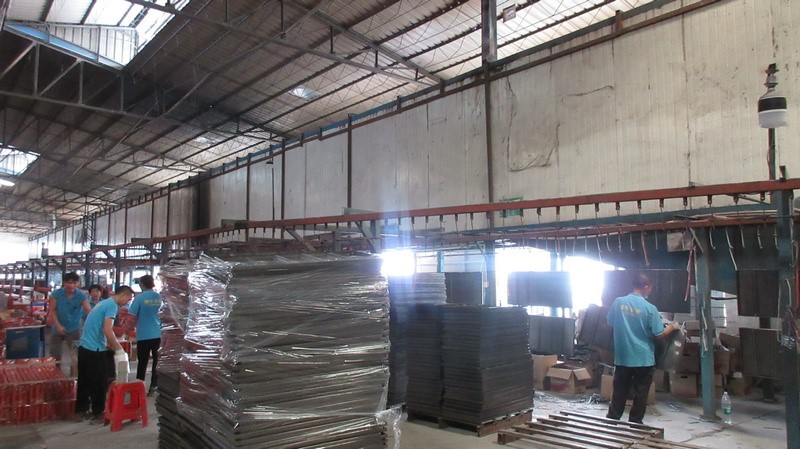
Backed by Ningbo FutureSpace's 8 years of sector expertise, our facilities use robotic inspection and precision metal forming to deliver dependable, high-density storage platforms.
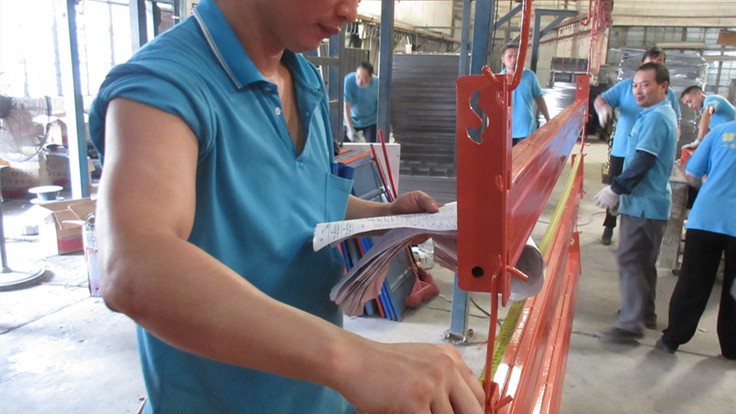
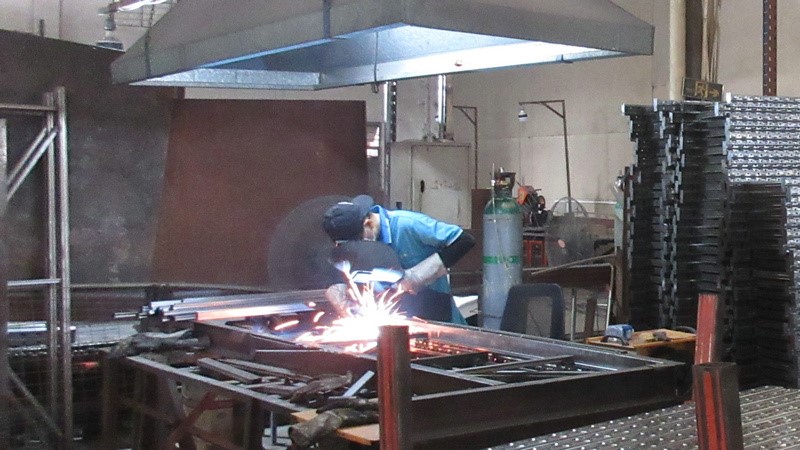
Automated manufacturing utilizes robotic arc welders to perform continuous, high-integrity structural seams, monitored by 22 certified quality control technicians under ISO9001 parameters.
A multi-stage wash, degreasing, and automated dry-powder spraying process yields an 80-120 micron thick protective finish, ensuring outstanding resistance to moisture, oxidation, and scratches.
Our dedicated engineering department (28 R&D specialists) delivers custom OEM/ODM solutions, calculating load capacities, structural profiles, and custom dimensions tailored to project requirements.
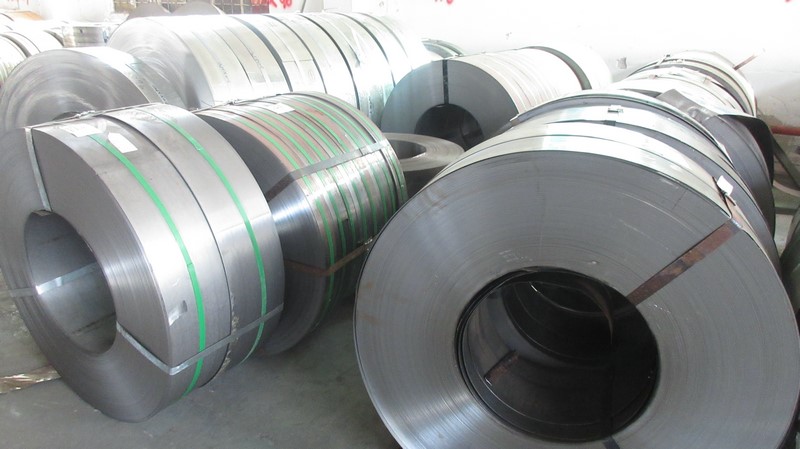
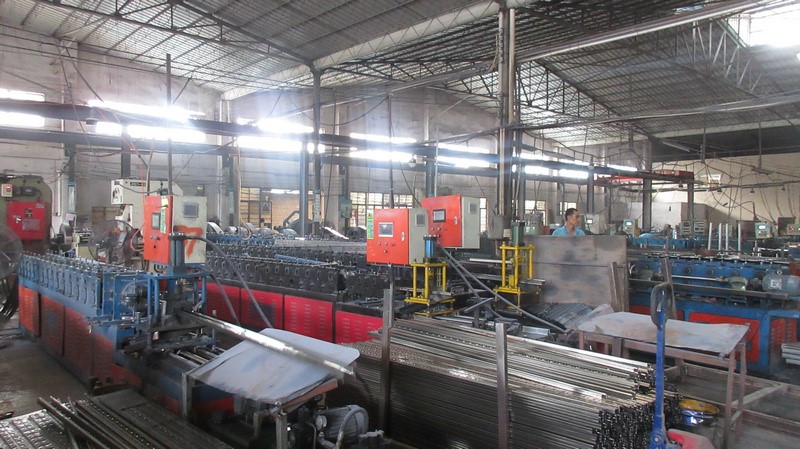
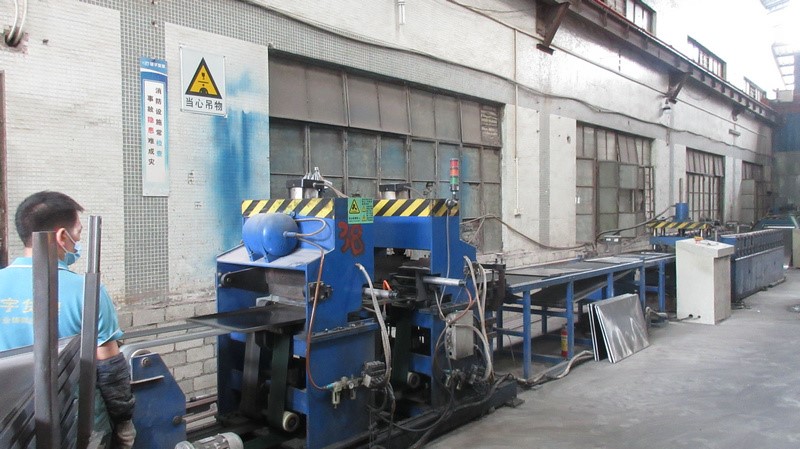
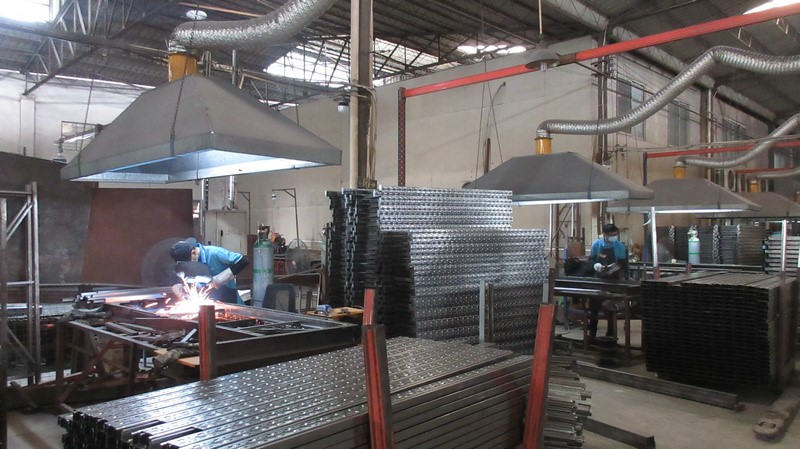
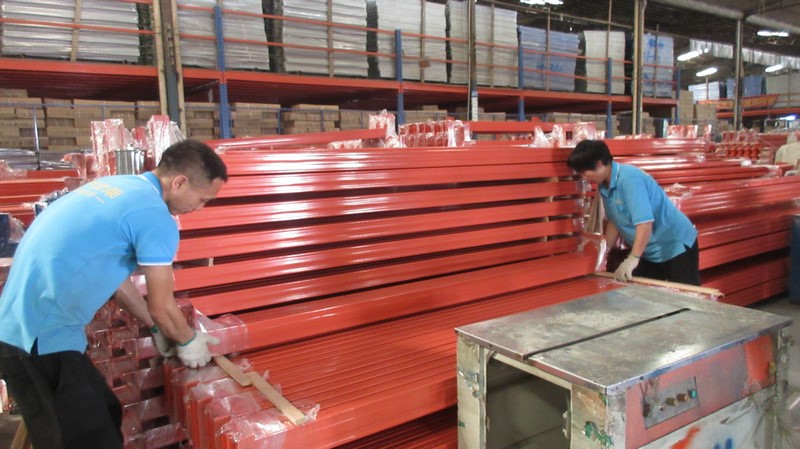
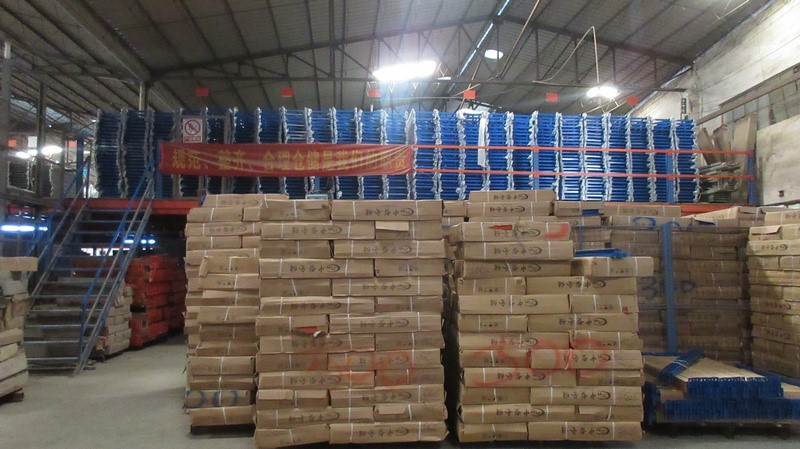
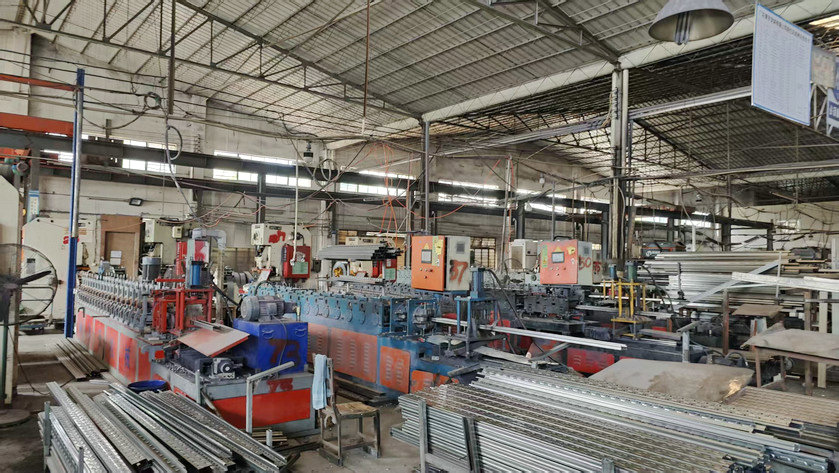
Explore our integrated production line, from raw material procurement to custom profiling, robotic assembly, surface treatment, and final packaging.
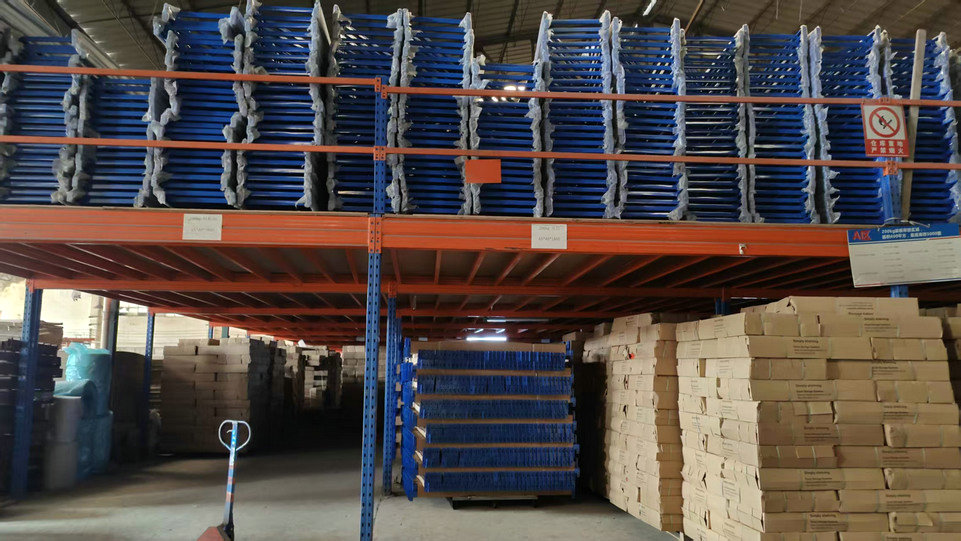
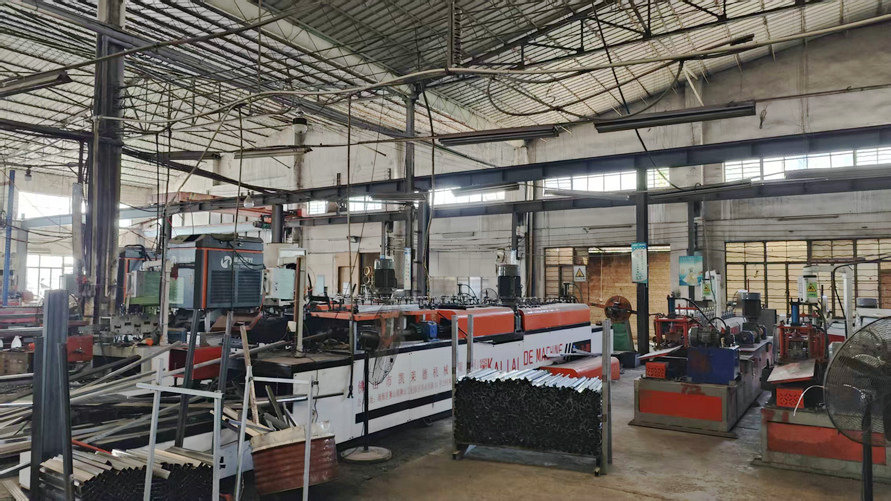
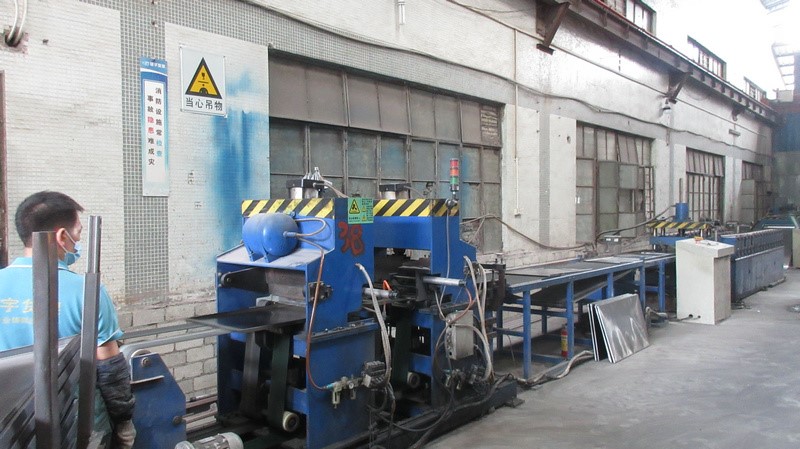
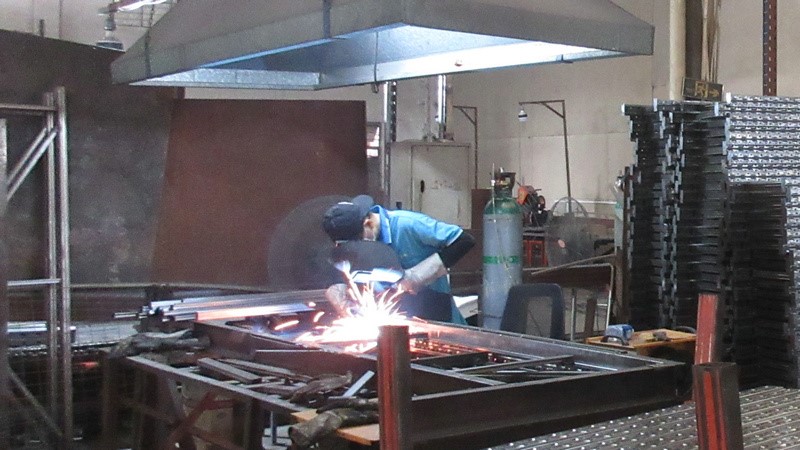
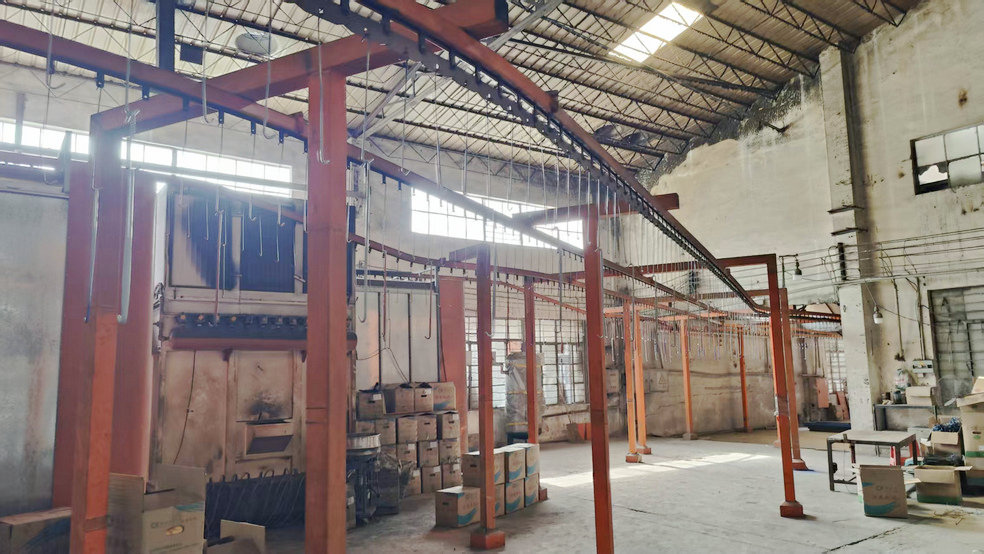
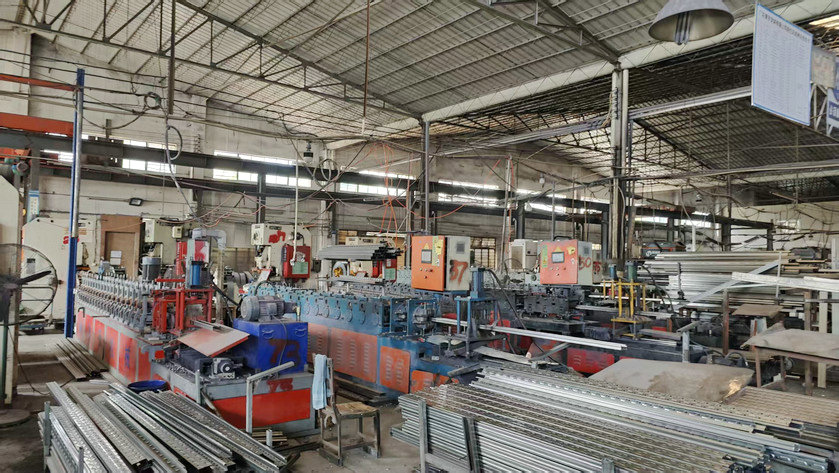
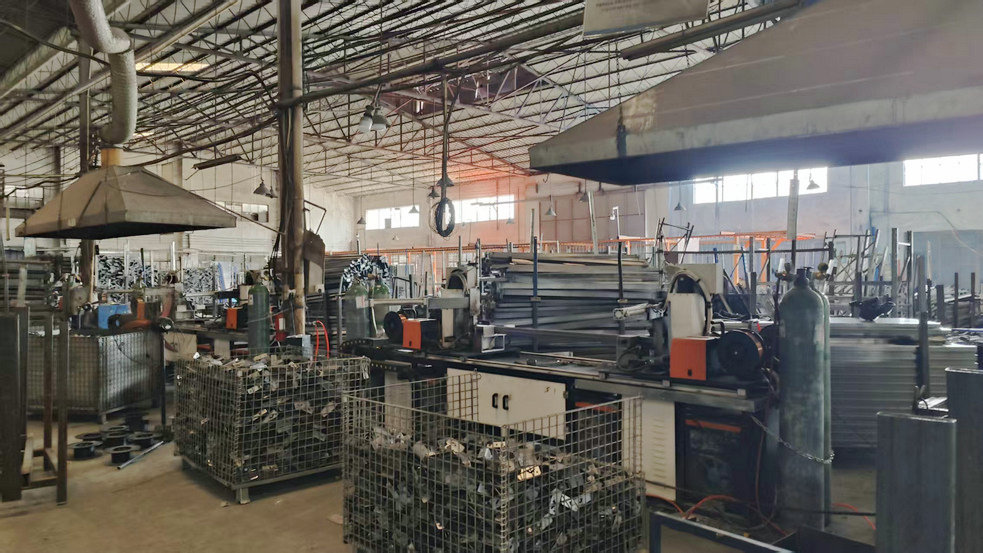
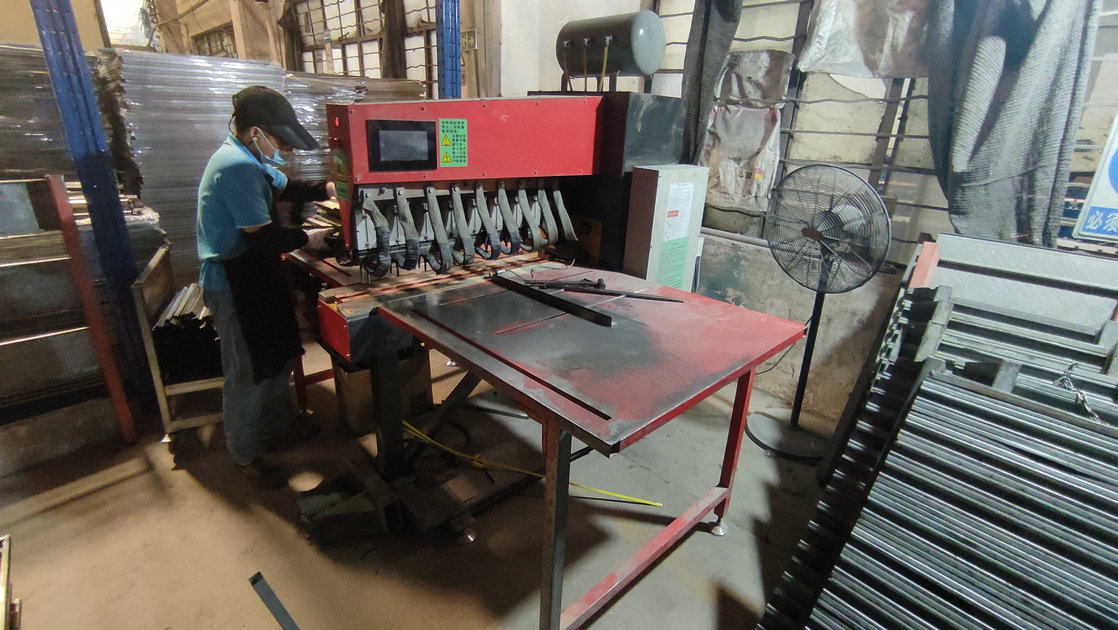
A comprehensive reference guide detailing design methodologies, material grades, surface durability coatings, and standard verification procedures.
When evaluating a warehouse racking layout, engineers must prioritize static and dynamic weight loading capacities. Deflection calculations require strict adherence to the L/240 ratio limit under fully loaded parameters. Furthermore, upright profiles, structural thickness, baseplate anchor sizes, and locking pin shear strength must align with seismic load expectations.
Ningbo FutureSpace Logistics Technology Co., Ltd. conducts rigorous stress-strain evaluations using dedicated FEA software. This verifies structural integrity before fabrication, ensuring compliance with global warehouse standards. We provide complete calculations detailing load-carrying parameters per level to prevent structural buckling, column twisting, and dynamic shear failures.
In ambient environments, a standard electrostatic powder coating (60–90 microns thick) provides cost-effective, scratch-resistant surface protection. However, cold chain operations, high-humidity storage facilities, and outdoor staging areas require hot-dip galvanization.
The hot-dip galvanization process creates a resilient zinc-iron alloy coating, shielding the steel core from corrosion even in environments below zero degrees. We implement automated chemical washing, acid pickling, and flux pre-treatments. This guarantees optimal zinc adhesion and reliable resistance against rust and mechanical abrasion.
Comprehensive answers regarding design calculations, material parameters, international standard compliance, custom OEM configurations, and ordering lead times.
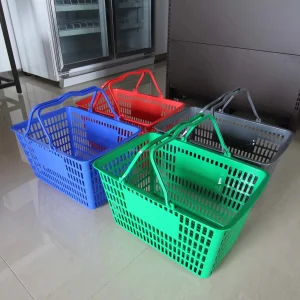
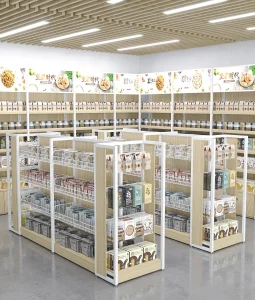
Explore our industrial configurations designed for retail centers, drugstores, automotive garages, and automated logistics networks.
 FutureSpace Rack