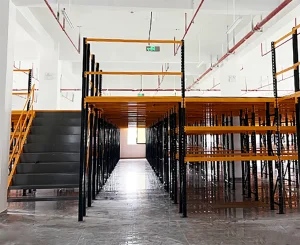
The global logistics landscape is undergoing a massive transformation driven by the exponential growth of e-commerce, automated warehouse technologies, and the rise of third-party logistics (3PL) providers. According to market research, the global industrial storage racking market size is expected to expand significantly over the next decade. At the center of this growth is the demand for space-efficient, safe, and highly durable racking solutions.
Modern businesses are no longer looking for simple metal framing; they require engineered storage solutions that maximize height (high-density vertical storage), minimize footprint, and seamlessly integrate with warehouse management systems (WMS). In key global economies like North America, Australia, and Europe, warehouses are transitioning to high-bay storage configurations, requiring structural designs that can support immense loads under varying seismic conditions.
Moreover, the shift towards green logistics has catalyzed the adoption of environmentally conscious manufacturing processes. Racks must now feature long lifespans, low lifecycle emissions, and durable, non-hazardous surface finishes, such as electrostatic powder coatings that resist scratching and rust without off-gassing.
For heavy-duty storage racks, safety is paramount. Mechanical failure can result in cataclysmic inventory damage, operational downtime, and severe hazards to warehouse personnel. Therefore, complying with international regulatory frameworks is not just a commercial entry ticket—it is a vital pillar of operational credibility.
CE Certification indicates that our storage racks comply with essential health, safety, and environmental protection standards within the European Economic Area. This certification aligns with stringent structural guidelines, including:
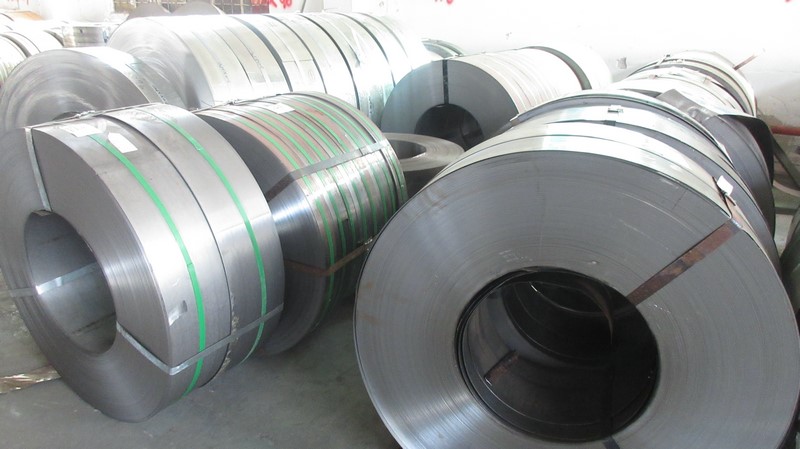
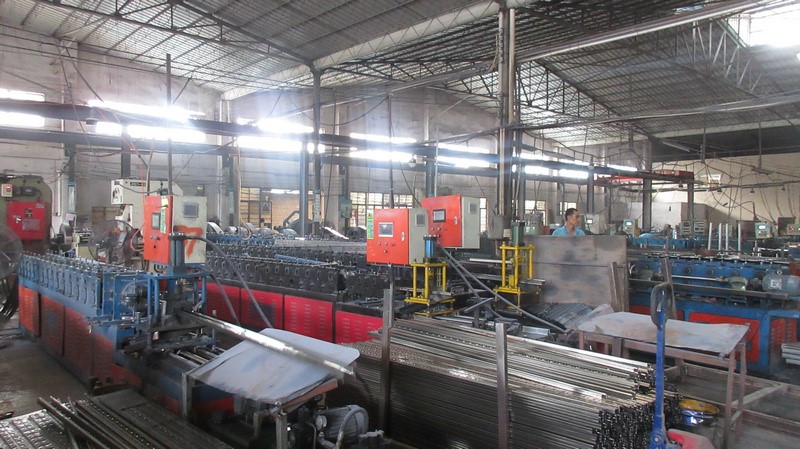
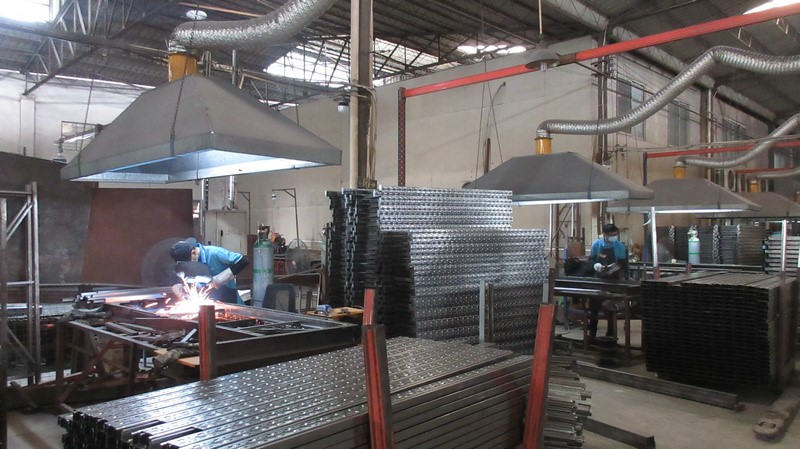
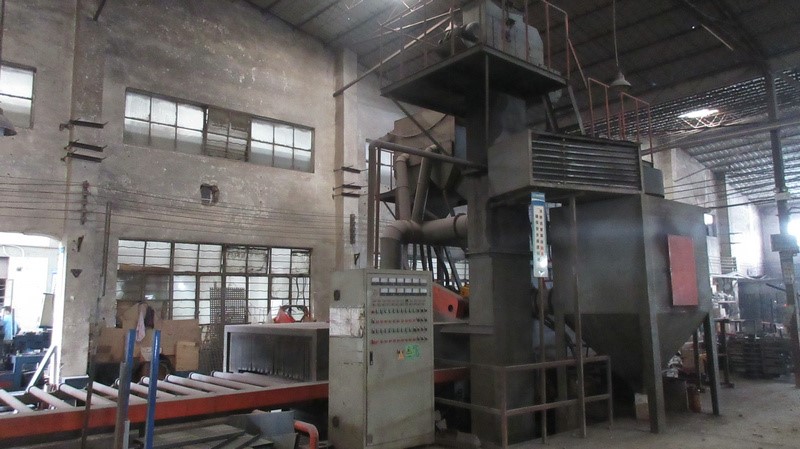
To guarantee these safety thresholds, modern factories rely on premium Q235B structural carbon steel. This steel offers the optimal balance of tensile strength and ductility, allowing racks to absorb high load stresses and resist deformations. In production, structural integrity is monitored through tensile testing of raw material batches and microscopic robotic weld seam inspections. Any deflection is strictly modeled using Finite Element Analysis (FEA) to confirm load margins before shipping.
Established in 2018, Ningbo FutureSpace Logistics Technology Co., Ltd. leverages 8 years of industrial sector expertise and 5 years of international export experience. Operating in key regions including North America, Australia, and Eastern Europe, we provide customized OEM/ODM services backed by strict ISO9001 and SGS quality control frameworks.
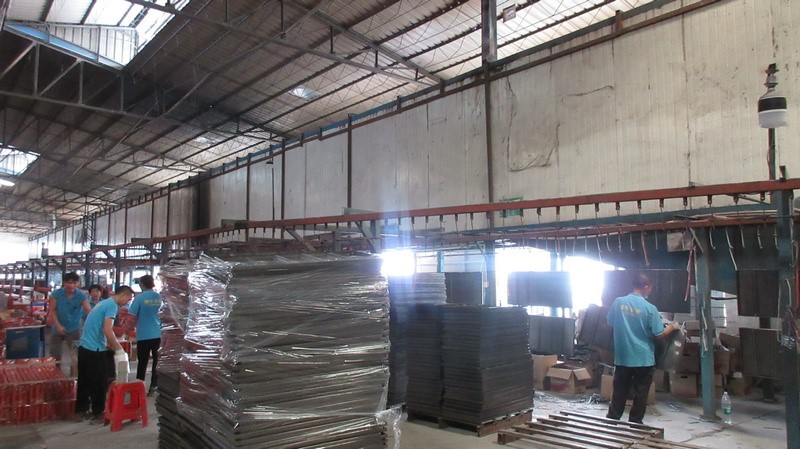
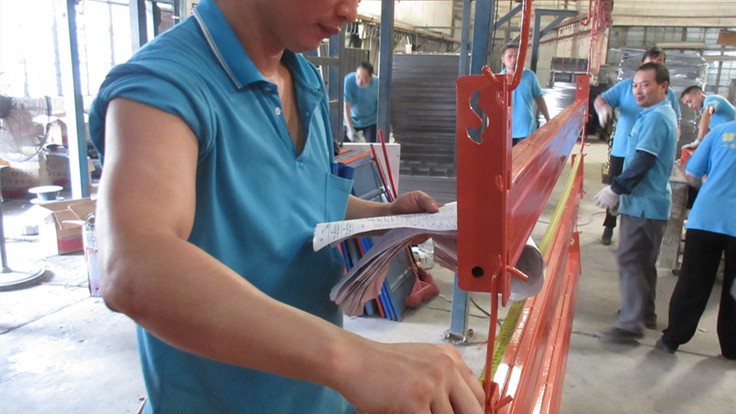
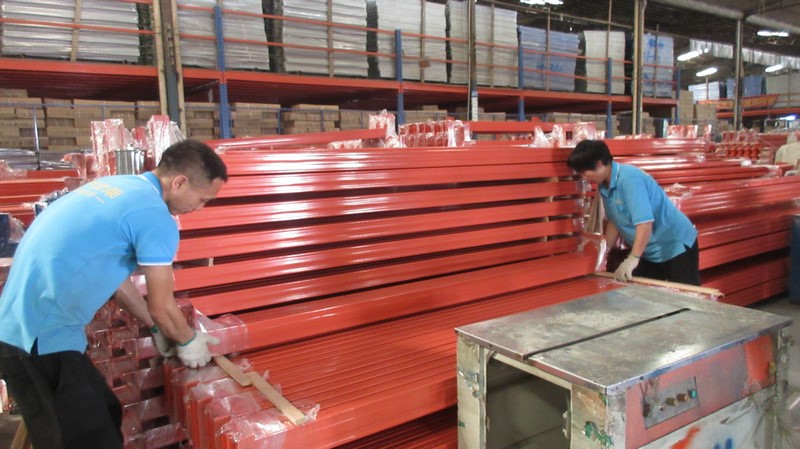
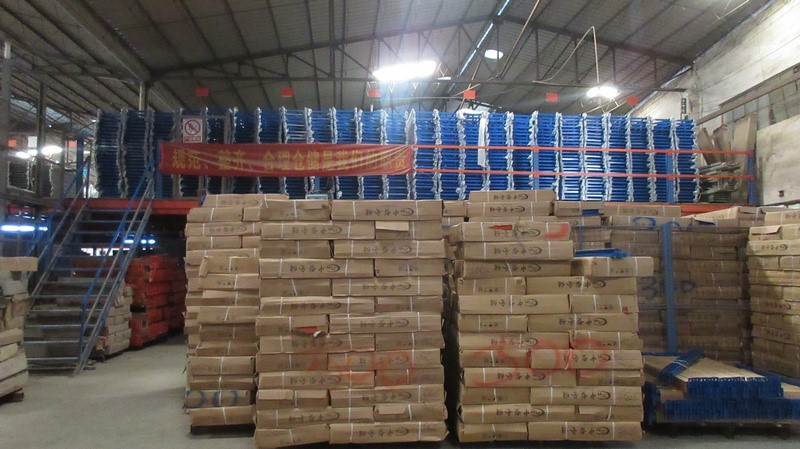
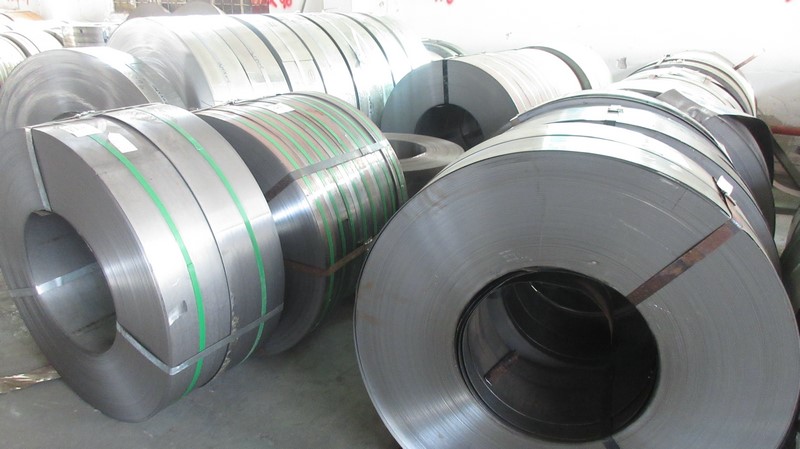
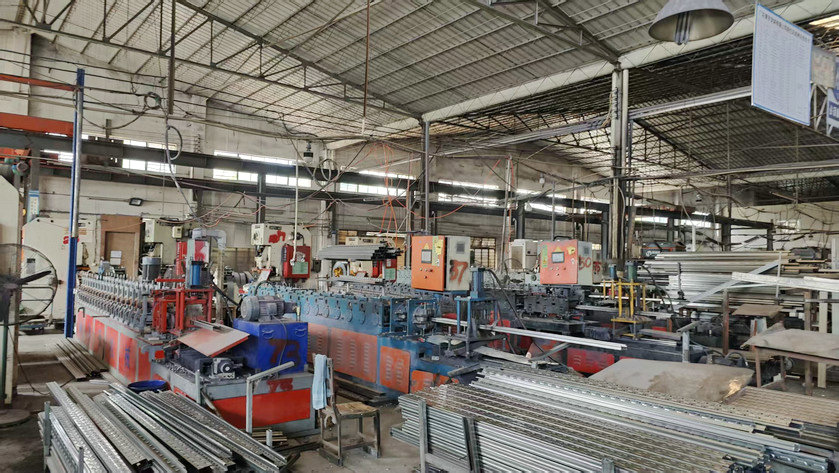
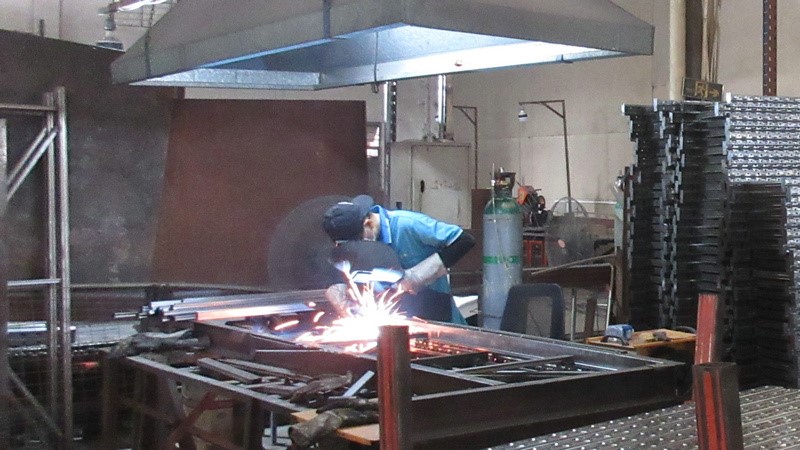
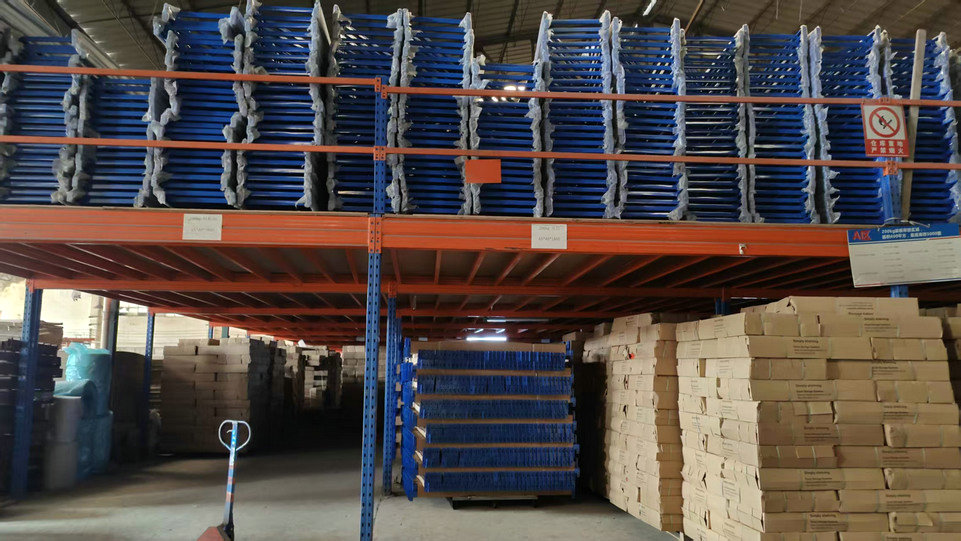
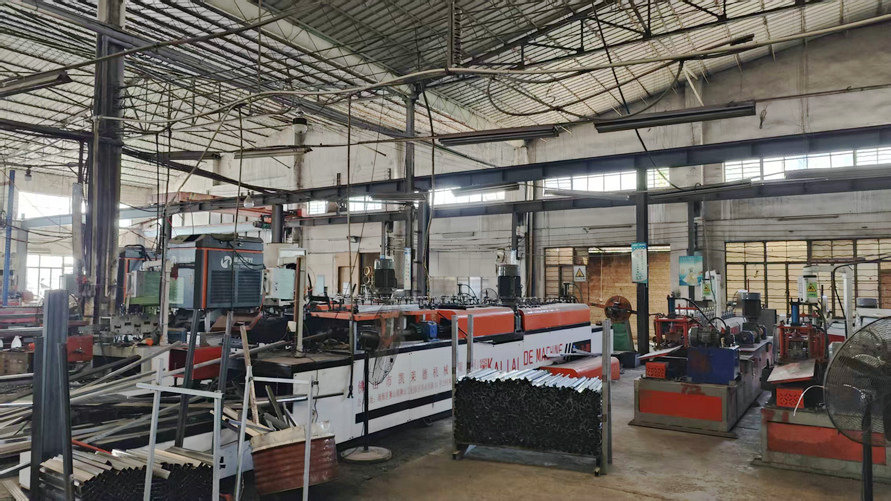
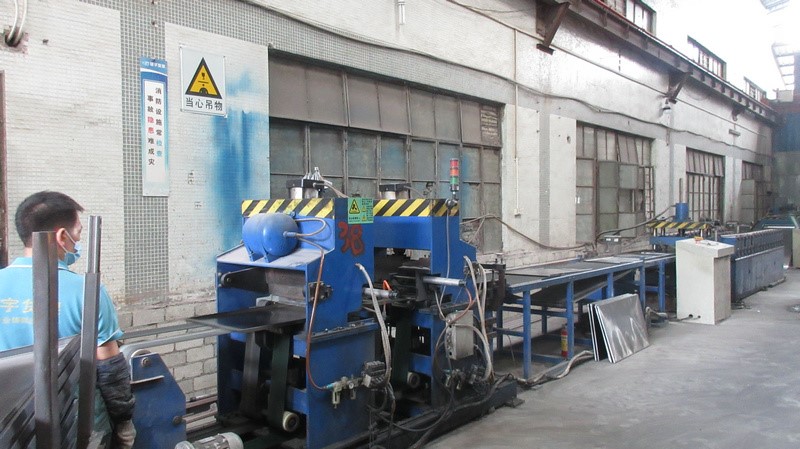
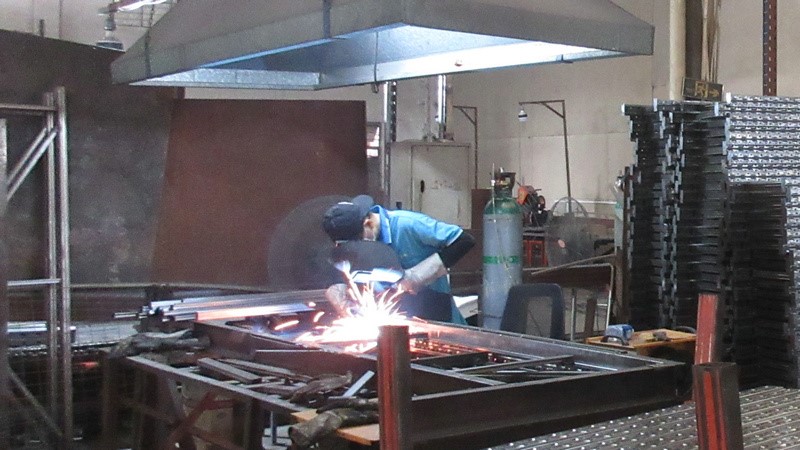
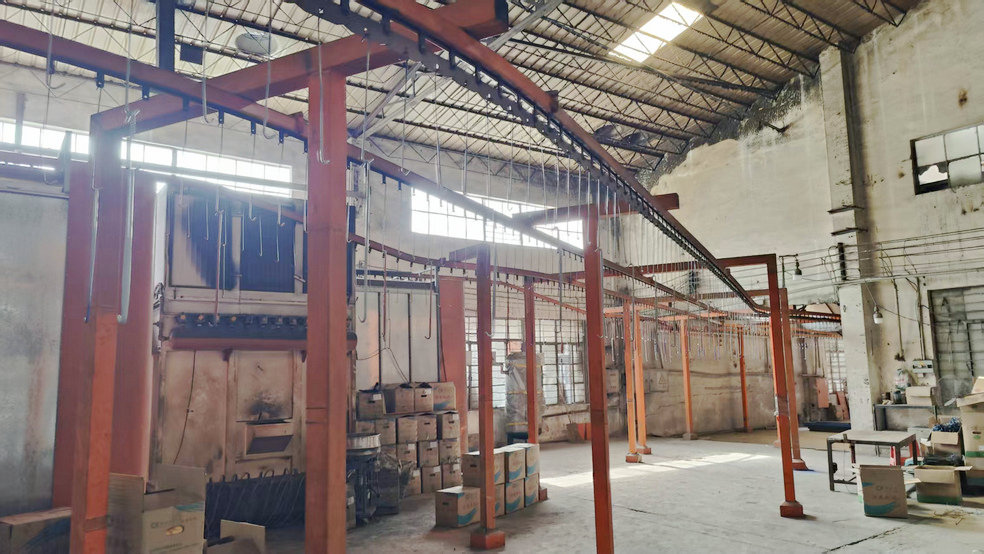
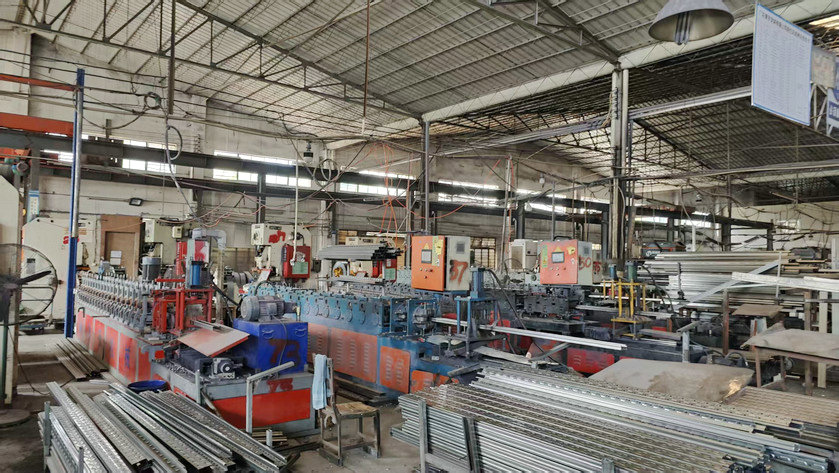
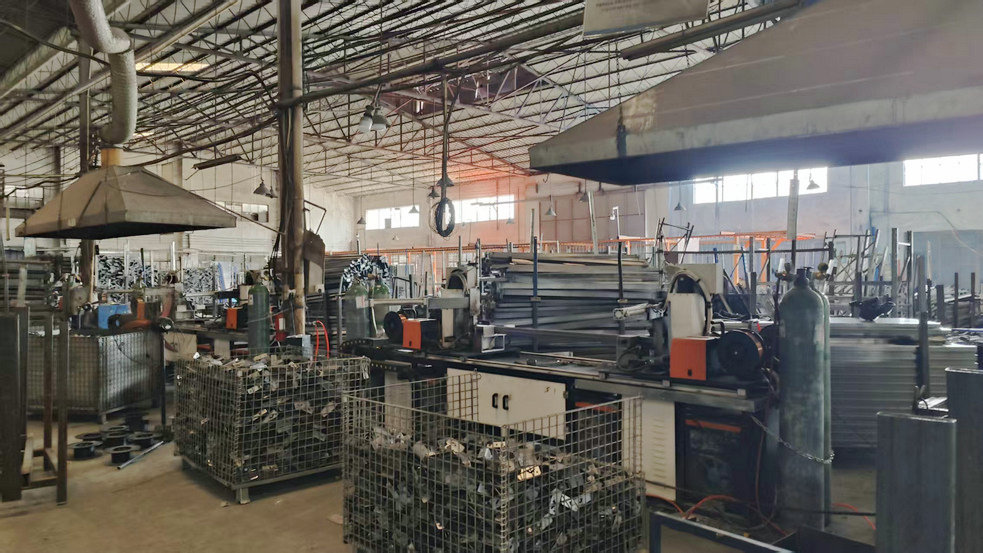
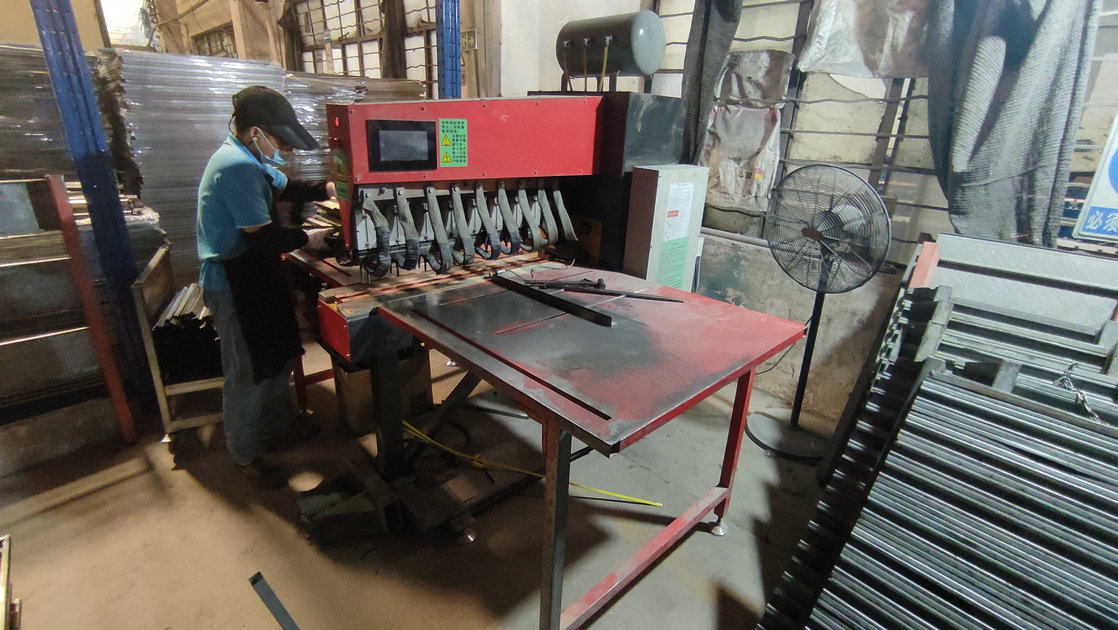
The requirements for bulk storage racks vary significantly depending on the operational environment. Standard bulk racking handles boxed goods or heavy machinery components, but localized optimization is critical for maximizing Return on Investment (ROI).
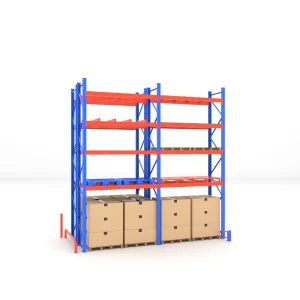
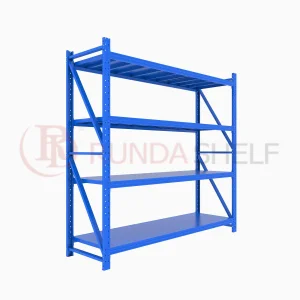
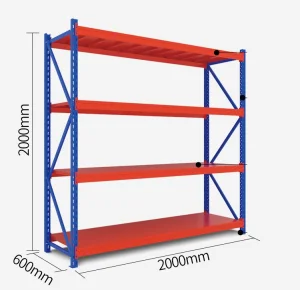
High-throughput fulfillment centers require dynamic racking designs. Our customizable structures support up to 500kg per tier and are designed with boltless adjustable beams. This configuration accommodates standard pallets, box storage, and integration with conveyor lines, resulting in a 40% reduction in order processing times.
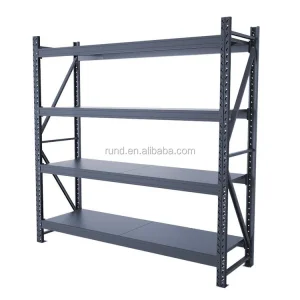
Heavy machinery components, metallic bars, and construction equipment require specialized racking that resists high mechanical impact. For these harsh environments, our heavy-duty cantilever systems and reinforced Q235B upright frames provide a highly stable solution. Robust load capacities prevent beam deflection even during continuous, high-weight loading.
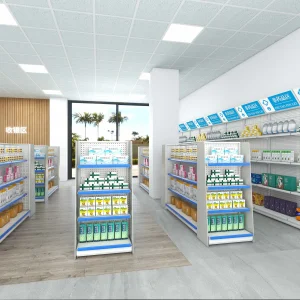
For climate-controlled and pharmaceutical warehouses, moisture-resistant, hygienic, and highly ventilated racking is mandatory. Our powder-coated, corrosion-resistant frames feature perforated shelf boards to allow airflow, which prevents condensation and ensures compliance with strict storage safety protocols.
The future of warehouse storage lies in structural intelligence and deep systems integration. At Ningbo FutureSpace Logistics, our R&D roadmap focuses on:
 FutureSpace Rack