Top 10 Compact Shelving Systems for Global Buyers

Time:2026-09-28 Author:Sophia
0%

Compact Shelving helps warehouses, archives, workshops, and retailers reclaim floor space without sacrificing access. Yet a compact system is not automatically the right system. Buyers must match aisle design, load capacity, operating method, and building constraints to the goods they actually store. A carton of fast-moving parts needs a different layout from a row of archive boxes.

The broader market is changing quickly. Grand View Research valued the global warehouse automation market at USD 20.9 billion in 2023 and projected a 15.9% compound annual growth rate through 2030. That report covers automation, not compact shelving alone. Still, it signals why buyers increasingly compare storage density with picking speed, safety, and integration needs. Small details matter. A low ceiling or uneven floor can alter the whole specification.

Lean manufacturing expert Shigeo Shingo wrote, “The most dangerous kind of waste is the waste we do not recognize.” His warning applies to storage planning: unused aisle space is visible, but slow retrieval and awkward handling are easier to miss. This guide reviews ten compact shelving systems for global buyers, focusing on practical differences rather than headline capacity. It considers manual and powered options, installation needs, durability, and service support. The comparison cannot replace a site survey. Real buildings are less tidy than product diagrams. That is worth remembering before purchase.
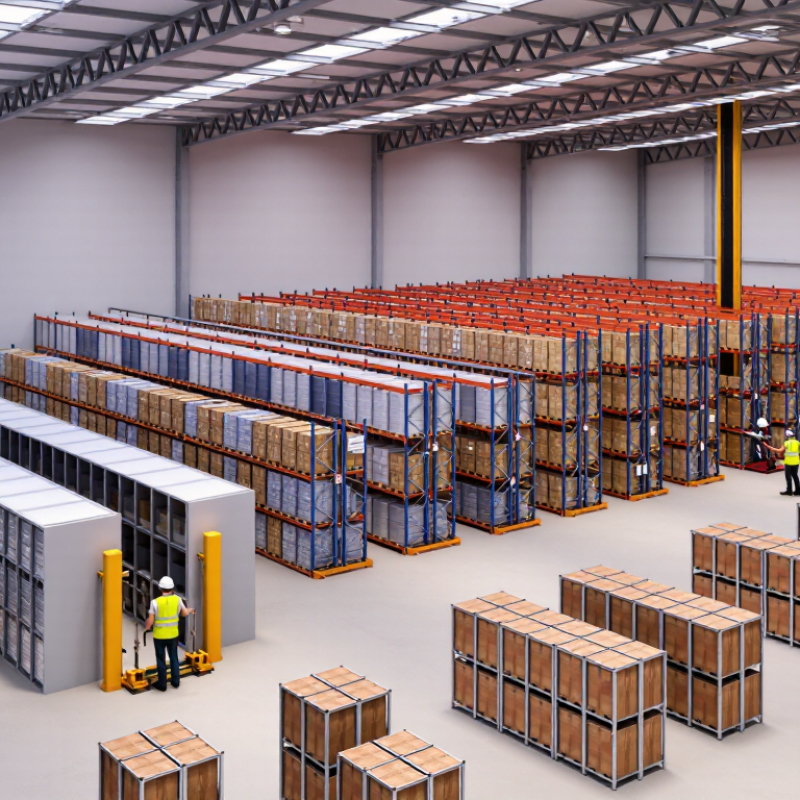
Top 10 Compact Shelving Systems for Global Buyers

What Compact Shelving Systems Are and How They Work

Compact shelving systems store files, parts, or supplies on movable shelf units instead of leaving a permanent aisle between every row. The units travel along floor-mounted tracks, by hand crank, mechanical drive, or powered controls. An operator opens one aisle, walks to the required bay, then closes it to reclaim floor space. Think of a narrow archive room: only one aisle is open, while shelves sit close together on either side.

The space savings come with trade-offs. Floors must support the loaded units, tracks need accurate installation, and users need clear access and emergency procedures.

MHI’s 2024 Annual Industry Report found that 55% of surveyed companies planned to increase investment in supply-chain technology.

That figure is not a compact-shelving performance test, but it reflects growing interest in more efficient operations. A compact system can support that goal without being fully automated. Not magic. Measure the items, access frequency, floor capacity, and future growth before choosing a layout. A system that fits today may feel restrictive when bulky stock arrives; that detail is easy to miss.

Main Types of Compact Shelving Systems

Compact shelving systems reduce aisle space by bringing stored items closer together, but they do this in different ways. Mobile shelving sits on floor-mounted tracks and moves by hand crank or powered controls. An aisle opens only where needed. This layout can suit archives or spare-parts rooms, though the floor must support the moving loads and staff need clear operating procedures. Measure carefully.

Static high-density shelving uses fixed rows with narrower access aisles or shared access points. It is simpler to install and maintain than mobile units, but users may need to move nearby items to reach stock. It works best when retrieval patterns are predictable and shelves are clearly labeled.

Vertical lift modules store trays inside an enclosed tower, delivering selected trays to an access opening. They can use room height and help protect small components from dust, yet ceiling clearance, tray capacity, and item dimensions limit what fits.

Rotary carousel systems bring bins or shelves around to a workstation, making frequent picking convenient in a compact footprint. They may feel fast during routine work, but awkwardly shaped goods can waste space.

The right type depends on load weight, access frequency, building structure, and how much training the team can realistically maintain. A plan can look efficient on paper and still frustrate users.

Key Features and Applications of Each System

Manual mobile shelving moves on floor rails and suits archives, clinics, and parts rooms. Powered mobile units reduce pushing effort for frequent access. Static high-density rows fit stable, low-turnover stock. Boltless modular shelves adjust quickly for changing carton sizes. Cantilever racks hold long items such as pipes and trim. Space is expensive.

Drawer cabinets protect small components and keep labels visible. Vertical carousels bring trays to an operator, useful for tools and maintenance parts. Vertical lift modules store trays in a compact tower and suit controlled picking zones. Pallet-flow shelving uses gravity for first-in, first-out carton movement. Compact push-back racks store multiple pallet positions for deeper inventory. Each design has limits: moving systems need clear safety zones, while tall equipment requires suitable floor loading and ceiling height.

The U.S. Census Bureau’s fourth-quarter 2024 e-commerce report recorded online sales at 16.1% of total retail sales. That figure is not a shelving forecast, but it shows why many distribution sites need accessible, space-conscious storage. Measure aisle widths, load weights, item turnover, and retrieval frequency before choosing. One detail is easy to miss: denser storage can slow picking when frequently used items sit too far from the access aisle. Reference: U.S. Census Bureau, Quarterly Retail E-Commerce Sales, Fourth Quarter 2024.

Top 10 Compact Shelving Systems for Global Buyers — Key Features and Applications of Each System

System Space-Saving Principle Key Features Best-Fit Applications Planning Considerations
Mobile Compactor Shelving Shelves move along floor-mounted tracks or a guided mobile base, allowing several rows to share one access aisle. High-density storage for cartons, files, records, and small parts; access is created by moving the required row. Archives, libraries, offices, museums, and stockrooms with many stored items and limited floor area. Check floor capacity, track or base requirements, aisle access, safety interlocks, and emergency egress before installation.
Static Boltless Shelving Uses adjustable shelf levels and a straightforward upright frame to make efficient use of wall and vertical space. Tool-free or low-tool assembly is common; shelf levels can be repositioned to suit different item heights. Retail backrooms, workshops, storerooms, and light-duty picking areas storing boxes or hand-loaded goods. Confirm the rated load per shelf and per bay, anchoring needs, and whether the shelf material suits the storage environment.
Rivet Shelving Connects beams and uprights with rivet-style fittings, creating adjustable open bays that can be arranged in rows. Typically offers sturdy, accessible shelves for bulky hand-loaded items; compatible decks may include particleboard or metal. Garages, maintenance areas, distribution stockrooms, and workshops handling medium- to heavy-weight cartons. Check beam and deck ratings, bay bracing, and the suitability of the deck material for humidity, spills, or fire-safety requirements.
Wire Shelving Open-wire shelves provide storage on multiple levels while allowing air and light to pass through the rack. Open construction supports airflow and visibility; shelves are often adjustable and can be configured with accessories. Food-service storage, healthcare supply rooms, clean stock areas, and other spaces where ventilation and visibility are useful. Verify load ratings, corrosion resistance, shelf stability, and any applicable hygiene or cleaning requirements.
Bin Shelving Small bins or divided compartments use shelf faces and vertical space to organize many low-volume items. Improves item separation and identification; bins can often be removed for replenishment or picking. Hardware, electronics components, repair parts, laboratory supplies, and small-item order picking. Plan bin dimensions and labels around actual stock, and keep frequently picked items at convenient working heights.
Drawer Cabinet Shelving Drawer units stack or fit into a compact footprint, storing small parts in enclosed, divided compartments. Drawers help protect and separate contents; dividers and labels support controlled, repeatable picking. Tool cribs, maintenance departments, clinics, electronics benches, and spare-parts rooms. Check drawer load limits, extension and tip-stability provisions, compartment sizes, and the cabinet's floor anchoring needs.
Cantilever Shelving Uses upright columns with projecting arms instead of front posts, leaving long or irregular loads accessible from the front. Arm levels can be adjusted; the open-front design accommodates goods that do not fit easily on conventional shelf decks. Storage of pipes, timber, profiles, furniture components, and other long or awkward materials. Match arm length and capacity to the load, secure the rack as required, and consider end stops and safe loading practices.
Vertical Lift Module (VLM) An enclosed automated unit stores trays vertically and presents a selected tray at an access opening. Uses building height, supports controlled access, and can assist with accurate item retrieval and inventory tracking. Small parts, tools, components, and high-value inventory in manufacturing, distribution, and service operations. Requires suitable ceiling height, power, service access, and a clear operator area; tray and item dimensions must fit the stored goods.
Vertical Carousel Rotating shelves or carriers circulate vertically to bring selected storage locations to an operator access point. Automates retrieval from a compact vertical footprint and can keep stored items enclosed when not in use. Small- to medium-sized parts, supplies, and documents in facilities with limited floor space and repeat picking tasks. Assess item size and weight, access-opening dimensions, installation height, maintenance access, and the workflow impact of shared access.
Mobile Pallet Racking Pallet rack rows move on powered or mechanically assisted bases, reducing the number of fixed operating aisles. Retains pallet-level storage while creating an aisle only at the selected row; suited to dense storage of palletized goods. Cold stores, warehouses, and inventory areas where space is costly and pallet access can be scheduled row by row. Requires a compatible floor and careful assessment of rack loads, aisle width, vehicle operation, safety systems, and emergency access.

How Global Buyers Can Evaluate Compact Shelving

Global buyers evaluating compact shelving should start with the items they need to store, not the smallest footprint in a catalogue. Measure cartons, bins, and the largest awkward item, including handles or overhangs. Then check aisle width, ceiling height, floor condition, and access for delivery equipment. A unit that fits on paper may block a doorway in practice.

Compare usable shelf depth, rated load per shelf, adjustment intervals, and anchoring requirements. Ask for capacity details in writing, and confirm whether ratings assume evenly distributed weight. For systems serving several countries, verify dimensions in metric units and clarify assembly instructions, replacement-part availability, and shipping dimensions. A tidy drawing can still mislead; site measurements are not always perfect, so leave practical clearance around moving equipment.

Tips: Mark the proposed footprint with tape and test a loaded trolley through the aisle. Check that frequently used goods sit between knee and shoulder height. Request a sample bay or installation plan when possible, especially for uneven floors. Small details matter. Record the heaviest expected load and review it with the supplier before ordering.

Top 10 Compact Shelving Systems for Global Buyers

How Global Buyers Can Evaluate Compact Shelving

Typical planning ranges for aisle width by storage format, shown in metres. Compact mobile shelving can reduce the number of permanent access aisles; final dimensions depend on equipment, stored loads, operating clearances, accessibility, and local safety requirements. Confirm specifications with a qualified warehouse designer.

Top 10 Compact Shelving Systems for Global Buyers

For global buyers, compact shelving should fit the room, the inventory, and the way staff work. Measure ceiling height, aisle width, doorways, and turning space before comparing systems. A unit may look compact on a product sheet but feel awkward beside a packing table. Check shelf dimensions against the actual cartons, bins, or tools you plan to store. Confirm the stated load capacity and whether it applies to each shelf or the entire unit.

Tips: Request a dimensioned drawing and assembly instructions. Ask how the system is packed for shipment, and whether replacement parts can be ordered individually. Keep a little clearance for uneven floors and regular cleaning. Small details matter.

Buyers in different regions may face varied room layouts, delivery limits, and installation resources. Favor clear specifications, sturdy connections, and components that are easy to inspect. For adjustable shelves, check how securely the supports lock in place. Compare total delivered cost, not just the listed unit price. I have seen a neat layout lose its usefulness when frequently used items sit too high. Even a well-chosen system may need adjustment after the first weeks of real use.

FAQS

What is a compact shelving system?

It stores shelves close together on movable units. An operator opens one aisle to reach a selected bay. Not magic.

How does movable shelving save floor space?

The shelves travel along floor-mounted tracks, so permanent aisles between every row are unnecessary. Only one aisle may be open at a time.

Which items suit compact shelving?

Files, small parts, cartons, tools, and supplies can fit different systems. Measure awkward items too, including handles and overhangs.

What types of compact storage are available?

Options include manual or powered mobile shelves, drawer cabinets, vertical carousels, and lift modules. Pallet-flow and push-back racks suit specific carton or pallet needs.

What should buyers check before choosing a system?

Measure aisle widths, ceiling height, floor condition, and delivery access. Check shelf depth, load ratings, adjustment intervals, and anchoring requirements.

Can denser storage make picking slower?

Yes. Frequently used goods may take longer to reach if they sit far from the access aisle. Put common items around knee-to-shoulder height.

What safety and installation details matter?

Floors must support loaded units, and tracks need accurate installation. Keep clear safety zones and establish access and emergency procedures. Small details matter.

How can a buyer test a proposed layout?

Mark the footprint with tape and push a loaded trolley through the aisle. Request an installation plan when possible. A drawing can still mislead.

Conclusion

This guide explains what Compact Shelving systems are and how their movable or fixed configurations make better use of available space. It introduces the main system types and compares their features, such as storage capacity, accessibility, flexibility, and suitability for different environments. The overview also describes common applications, helping readers understand how shelving choices can support changing storage needs while keeping items organized and easy to locate.

For global buyers, the guide outlines practical evaluation criteria, including space requirements, load capacity, operating method, safety features, installation needs, durability, and long-term value. Its top 10 selection offers a structured starting point for comparing system options rather than a one-size-fits-all recommendation. By matching each system’s capabilities to the intended setting and workflow, buyers can make an informed choice that balances efficient space use, reliable access, and future flexibility.

Sophia

Sophia

Sophia is a dedicated marketing professional with an exceptional depth of knowledge about her company's products and services. With a keen understanding of market trends and customer needs, she crafts insightful blog posts that not only inform but also engage readers, enriching the company’s online......