Top Supermarket Fixtures Trends for 2026 What to Know?

Time:2026-08-07 Author:Ethan
0%

In the fast-evolving world of retail, supermarket fixtures play a crucial role in shaping consumer experiences. As we look ahead to 2026, notable trends are emerging that will redefine how products are displayed and interacted with. These trends not only focus on aesthetics but also prioritize functionality and sustainability.

Supermarket fixtures are not just shelves or displays; they are the backbone of a store's layout. Innovative designs can enhance shopping efficiency and encourage purchase decisions. Retailers are exploring diverse materials and technologies, integrating digital elements seamlessly into physical spaces. This trend reflects a growing understanding of consumer behavior and the need for a personalized shopping journey.

However, adapting to these trends poses challenges. Retailers must balance investment with consumer expectations. Some fixtures may need constant updates to stay relevant, which requires careful planning. The future of supermarket fixtures invites us to rethink traditional layouts and embrace change. Embracing these innovations can lead to a distinctive shopping environment that draws customers in and keeps them engaged.
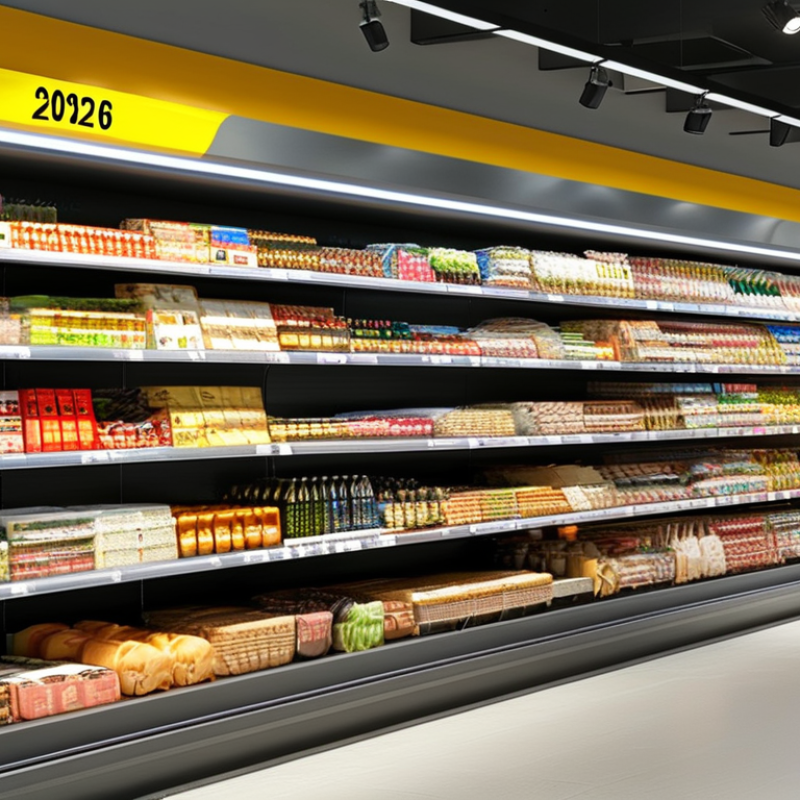
Top Supermarket Fixtures Trends for 2026 What to Know?

Emerging Technologies Shaping Supermarket Fixtures in 2026

Emerging technologies are transforming supermarket fixtures in 2026. These innovations enhance shopper experience and improve operational efficiency. One key trend is the integration of smart shelving. These shelves can automatically adjust product placement based on demand. They can also provide real-time inventory updates to staff, reducing the risk of stockouts.

Another exciting development is the use of augmented reality (AR). Shoppers can use their smartphones to scan products and see nutritional information or recipe ideas. AR can create an engaging shopping journey, allowing customers to explore items more interactively. However, retailers must remember that not all customers are tech savvy. Providing clear instructions will be essential.

Tips: Consider investing in staff training to assist customers with new technologies. This can bridge the gap for older shoppers who might feel overwhelmed. Also, be cautious of over-relying on technology. Ensure that technology enhances the shopping experience, rather than detracting from personal interaction. A balance between tech and human touch is crucial.

Sustainable Materials and Their Impact on Supermarket Design

The trend of using sustainable materials in supermarket design is rapidly growing. Research indicates that over 70% of consumers prefer stores that utilize eco-friendly building materials. This trend reflects a shift towards environmental responsibility in retail settings. Recycled metals, bamboo, and reclaimed wood are increasingly popular. They help reduce carbon footprints and attract eco-conscious shoppers.

Ventilation systems in supermarkets must also adapt to sustainable designs. Industry studies show that energy-efficient systems can cut costs by up to 45%. These systems, while more expensive upfront, prove valuable over time. They provide better air quality and reduce energy demand.

Yet, challenges exist. Not all sustainable materials offer the same durability. Some may show wear and tear more quickly than traditional options. Retailers must balance aesthetics with longevity. Striking this balance remains a task requiring ongoing evaluation and adjustments. As the industry embraces new designs, the effectiveness of these materials must be monitored closely.

Top Supermarket Fixtures Trends for 2026

Trend Description Sustainable Material Projected Impact
Modular Fixtures Flexible and customizable display systems. Recycled metals and reclaimed wood. Enhanced adaptability reduces waste.
Biodegradable Signage Signs that break down naturally over time. Plant-based materials and paper. Lower environmental footprint in marketing.
Energy-Efficient Lighting Lighting systems that minimize energy consumption. LED and solar-powered options. Reduced energy costs and carbon emissions.
Upcycled Display Units Fixtures made from repurposed materials. Recycled plastics and glass. Promotes the circular economy.
Eco-Friendly Flooring Sustainable materials for flooring solutions. Natural wood and bamboo. Improves indoor air quality and aesthetics.

Consumer Behavior Trends Influencing Supermarket Layouts

As supermarkets evolve, understanding consumer behavior is crucial for shaping layouts and fixtures. Surveys show that 70% of shoppers appreciate a more personalized shopping experience. This trend drives stores to create spaces that cater to individual preferences. Interactive displays, for instance, can engage customers more effectively. In 2022, supermarkets utilizing such features reported a 25% increase in dwell time.

It’s essential to recognize that shoppers are becoming more conscious of their time. Quick checkout options are now expected. According to a recent report from the Retail Research Institute, 54% of consumers prefer self-checkout lanes. This emphasizes the need for efficient layouts that minimize bottlenecks. Retailers must adapt swiftly to maintain satisfaction.

Tips: Consider modular fixtures that allow for flexible layout changes. This adaptability can meet varying consumer needs efficiently. Regularly review customer traffic patterns to identify potential adjustments. Stay informed by leveraging data analytics for continual improvement.

The Role of Smart Technology in Enhancing Shopping Experiences

Smart technology is transforming how consumers experience shopping in supermarkets. As we look towards 2026, innovations like smart carts and AI-driven inventory systems will redefine convenience. Smart carts can track items as they are added, eliminating the need for checkout lines. Shoppers can spend more time exploring new products instead of waiting in queues. However, this technology may also create a reliance on gadgets, raising concerns about data privacy.

In addition, the use of smart shelves will become more prevalent. These shelves can detect when stock is low and automatically reorder products. This ensures that popular items are always available, enhancing customer satisfaction. Yet, the reliance on such systems can falter due to technical issues or cybersecurity risks. Shoppers may face inconveniences if the technology fails, highlighting a crucial need for balance between technology and traditional shopping experiences.

Moreover, augmented reality (AR) applications will offer immersive shopping experiences. Customers can use AR to visualize how products fit into their lives before purchasing. However, the challenge lies in accessibility. Not all shoppers may feel comfortable using AR features. This digital divide could affect overall customer engagement. Retailers will need to address these disparities while enhancing the shopping experience through smart technology. The integration should be intuitive, catering to diverse shopper preferences and capabilities.

Adaptability of Fixtures for Omni-Channel Retail Strategies in 2026

The future of supermarket fixtures in 2026 centers on adaptability, vital for omni-channel retail strategies. A recent report by the Digital Retail Association highlights that 70% of consumers expect a seamless experience across online and physical stores. This insight suggests that fixtures should enable easy transitions between purchasing methods.

Store layouts will need to be flexible. Modular shelving systems allow for quick reconfigurations when inventory or trends change. They also support various product displays, enhancing convenience for shoppers. A study showed that 65% of customers prefer stores with dynamic displays that respond to seasonal demands. This indicates that supermarkets need to rethink their static fixtures.

Technology integration is crucial for optimizing the shopper experience. Smart shelving can monitor stock levels in real-time. This feature addresses a prevalent issue: empty shelves frustrate consumers and lead to lost sales. Research shows that 25% of consumers abandon carts due to unavailable items. Therefore, fixtures with tech capabilities will play an essential role in ensuring product availability and improving customer satisfaction. The emphasis on adaptability in supermarket fixtures may redefine retail strategies as we approach 2026.

FAQS

: What materials are commonly used in sustainable supermarket design?

: Common materials include recycled metals, bamboo, and reclaimed wood. These help reduce carbon footprints.

How can energy-efficient ventilation systems benefit supermarkets?

These systems can cut costs by up to 45%. They improve air quality and reduce energy demand over time.

What challenges exist with using sustainable materials in design?

Not all sustainable materials are durable. Some may wear out faster than traditional options, demanding careful evaluation.

How is smart technology enhancing shopping experiences?

Smart carts can track items and reduce checkout times. They help shoppers explore more products instead of lining up.

What is a potential downside of smart technology in supermarkets?

Overreliance on technology raises data privacy concerns and may create frustrations if systems fail or experience technical issues.

How can augmented reality impact customer shopping experiences?

AR helps shoppers visualize products in their lives, but not all customers may feel comfortable using this feature.

Why is adaptability important for supermarket fixtures in the future?

Fixtures must allow easy transitions between online and offline shopping, meeting 70% of consumer expectations for seamless experiences.

What are modular shelving systems, and why are they beneficial?

Modular shelving allows quick adjustments for changing inventory or trends. They enhance convenience with dynamic displays.

How does technology integration influence supermarket fixtures?

Smart shelving can monitor stock in real-time, preventing empty shelves and improving overall customer satisfaction.

How can supermarkets address disparities in technology use among customers?

Retailers should make tech integration intuitive and cater to various shopper preferences to ensure broad accessibility and engagement.

Conclusion

The article "Top Supermarket Fixtures Trends for 2026 What to Know?" explores the evolving landscape of Supermarket Fixtures shaped by emerging technologies and sustainable practices. As we approach 2026, the integration of smart technology is to play a crucial role in enhancing the shopping experience, making it more interactive and efficient. Additionally, the use of sustainable materials is transforming supermarket designs, allowing retailers to create environmentally friendly spaces that resonate with eco-conscious consumers.

Furthermore, the article delves into consumer behavior trends that are influencing supermarket layouts, emphasizing the importance of adaptability in fixtures to support omni-channel retail strategies. As shoppers increasingly demand seamless experiences that blend online and offline shopping, the flexibility of Supermarket Fixtures will be essential in meeting diverse consumer needs and preferences in the coming years.

Ethan

Ethan

Ethan is a seasoned marketing professional with a deep expertise in our company's innovative product line. With a passion for sharing knowledge and insights, he takes the lead in regularly updating our corporate blog, where he explores industry trends, product features, and effective marketing......