Metal Shelving is a practical storage system made from steel, aluminum, or other durable metals. It supports boxes, tools, documents, parts, and household supplies. Unlike wooden shelves, metal units often tolerate heavier loads and changing workplace conditions. Their open design also improves visibility and airflow.
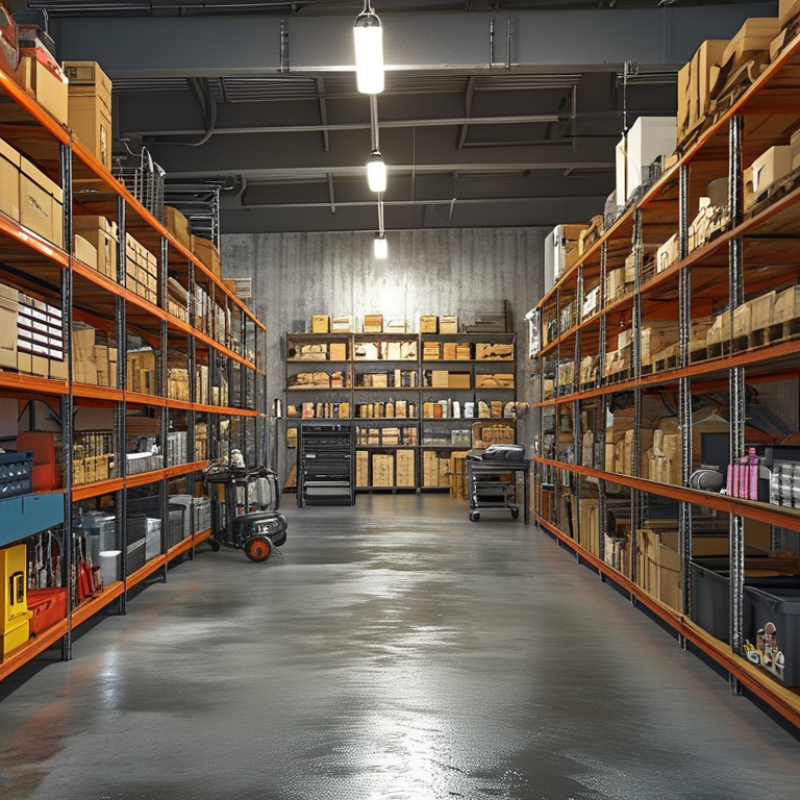
In warehouses, workers use Metal Shelving to organize cartons, spare components, and small inventory. In offices, it stores files, stationery, and archived records. Garages often rely on it for paint cans, hand tools, and seasonal equipment. Retailers use adjustable shelves to display products clearly and keep stock within reach. A well-planned unit can turn a crowded corner into a safer working area.
Good shelving depends on more than appearance. Load capacity, shelf spacing, corrosion resistance, floor stability, and access height all require careful attention. An experienced installer checks the wall, floor, and expected weight before assembly. Poorly balanced shelves may sway or collapse. That risk is easy to underestimate.
Not every metal shelf suits every environment. Damp rooms may require protective coatings or stainless steel. Sharp edges, awkward heights, and excessive loading can create avoidable problems. Regular inspections help identify bent beams, loose fasteners, or rust spots early. Labels and clear aisles support reliable daily use.
The best choice is rarely the cheapest unit. It is the system that matches the workload, space, and maintenance routine. Even careful planning has limits. Storage needs change, and a shelf that works today may feel restrictive later. Understanding these practical details makes Metal Shelving easier to select, use, and maintain with confidence.
What Is Metal Shelving and What Is It Used For?
Metal shelving is a storage system built from steel or other durable metals. It usually includes upright posts, horizontal beams, and adjustable shelves. Common shelf materials include painted steel, galvanized steel, wire mesh, and stainless steel. Each option suits different conditions. Painted steel works well in offices and warehouses, while galvanized surfaces handle moisture better.
Metal shelving commonly supports 500–2,000 pounds per shelf. The exact capacity depends on shelf size, steel thickness, beam design, and installation quality. A deeper shelf is not automatically stronger. Loads should stay centered and spread across the surface. Heavy cartons belong on lower levels. This reduces tipping risks and makes manual handling easier. Always check the manufacturer’s load chart before adding inventory.
These systems organize tools, archive boxes, spare parts, and packaged goods. Adjustable shelves can fit small bins beside taller containers, which saves unused space. Wire shelves improve airflow and visibility, while solid shelves prevent small items from falling through gaps. Check the floor first. An uneven surface can weaken the entire setup. In practice, people often overestimate capacity because the shelf looks strong. That assumption needs review. Corrosion, damaged posts, missing clips, and uneven loading can reduce safe performance long before visible failure appears. Regular inspections provide better reliability than appearance alone.
Metal shelving uses formed steel uprights, beams, and shelves to store cartons, tools, or parts. Its capacity depends on more than visible thickness. In common U.S. practice, a higher gauge number means thinner steel, but gauge tables vary by material and manufacturing method. Always verify actual thickness and steel grade.
Beam design matters just as much. A deeper beam usually resists bending better, while connectors, welds, bracing, and unsupported span control the final rating. A 2,000-pound shelf rating is not universal. It may assume evenly distributed weight, a specific bay width, and properly anchored frames. Point loads can reduce capacity sharply. This is where shortcuts fail.
ANSI/RMI MH16.1-2023 addresses design, testing, and use of industrial steel storage racks. It evaluates complete rack systems, not isolated beams. The standard’s approach considers member strength, stability, connections, seismic effects, and serviceability. Rack labels should state the permitted load per level and configuration. The RMI Rack Safety Guide also emphasizes inspections after impact, because a bent upright can change the original rating.
Material scale does not equal safety. World Steel Association’s World Steel in Figures 2024 reported 1,888.2 million metric tons of crude steel production in 2023, yet steel quality and forming precision still vary. A practical specification should record gauge, thickness, grade, beam span, level spacing, and anchorage. One detail is easy to miss: field modifications can invalidate engineering assumptions. Recheck the design after moving beams.
Metal shelving is a practical storage structure made from formed or welded steel. It supports boxes, tools, records, and spare parts without taking much floor space. In a small storeroom, clipless shelving assembles quickly because shelves lock into upright frames without bolts. It suits light or medium loads and allows shelf heights to change. Rivet shelving uses sturdy rivet connections and horizontal beams. It handles heavier cartons, workshop supplies, and unevenly packed materials. I have found that rivet units feel more forgiving when loads are not perfectly organized.
Wire shelving uses open metal decks, improving airflow and visibility. It works well in kitchens, clean storage areas, stockrooms, and spaces where dust must not collect on solid panels. Mobile shelving adds casters or guided movement, so several units can share one compact aisle. It saves space, but a crowded floor can make movement awkward. Locking wheels matter. Small details matter.
Industrial shelving is designed for demanding warehouses and maintenance rooms. Strong frames, deeper shelves, and higher load ratings support dense inventory. However, capacity depends on beam placement, shelf material, floor condition, and correct loading. A label may show the maximum rating, but that figure is not permission to overload one shelf. I once underestimated how quickly small parts could create a heavy front edge. The layout looked efficient, yet access became unsafe and slow. Careful measurements, balanced loading, and regular inspections make these systems more reliable.
What Is Metal Shelving and What Is It Used For?
Warehouse, Retail, Office, Archive, and Home Uses for Metal Shelving
Metal shelving is a practical storage system made from steel or other durable metal. Its open design keeps products, files, tools, and household items visible. In warehouses, adjustable levels organize cartons, spare parts, and containers by size. Retail stores use it for back-room stock or neatly displayed merchandise. Offices often store supplies, boxed records, and equipment on compact units. Archives need stable shelves that support labeled files without crowding. At home, metal shelving can hold pantry goods, books, cleaning supplies, or garden tools. It is useful where space changes often.
Tips: Check the load rating for every shelf. Distribute heavy items on lower levels. Measure doorways, aisles, and ceiling height before installation. Use shelf liners for small objects. In damp rooms, choose a finish designed to resist corrosion. Secure tall units when children, visitors, or busy workers may bump them.
Good shelving depends on the task, not appearance alone. Smooth surfaces simplify cleaning, while adjustable levels reduce wasted space. I have found that clear labels prevent more delays than larger shelves. One detail is easy to miss. Uneven floors can make a stable-looking unit unsafe, so leveling hardware matters. Heavy warehouse loads may need professional assessment, especially when shelves are tall or frequently accessed. A small gap between boxes improves visibility and air movement. Still, metal shelving is not indestructible. Overloading, sharp impacts, or poor assembly can bend components. Review the structure regularly and replace damaged parts rather than improvising repairs.
Typical planning ranges for the load carried by one metal shelf across common warehouse, retail, office, archive, and home applications. Actual capacity depends on shelf material, dimensions, frame design, installation, and evenly distributed loading.
How to read the chart: Warehouse shelving generally supports heavier loads, while retail, office, archive, and home shelving is commonly selected for lighter, more accessible storage. Always follow the load rating supplied for the specific shelving system.
What Is Metal Shelving and What Is It Used For?
Metal shelving supports organized storage in workshops, warehouses, archives, kitchens, and utility rooms. Its value depends on more than strength. Dimensions, corrosion resistance, and safety data determine whether the system works in real conditions.
Measure the room before choosing a shelf. Record height, width, depth, door swing, and walking clearance. Check the shelf span against the expected load. A long shelf may bend under boxes, even when its total capacity looks impressive. Review the stated load rating for each level, not only the entire unit. Ratings should explain whether they apply to evenly distributed loads. Point loads need extra caution. Leave space between stored items and sprinklers, lights, or ventilation equipment. It is an easy detail to miss.
Choose the finish according to the environment. Powder-coated steel suits dry indoor areas, while galvanized surfaces handle occasional moisture more effectively. Stainless steel may be preferable near frequent washing or corrosive materials, but it still needs cleaning. Rust often starts at scratches, welds, and cut edges. I have seen attractive shelving fail because its finish did not match the room. The choice seemed practical. It was not.
Safety documentation should identify material, dimensions, maximum loads, testing methods, and installation limits. Look for clear assembly instructions and anchoring guidance. Adjustable feet can help on uneven floors, although they do not replace proper leveling. Inspect bolts, beams, and shelf panels after installation. A tidy rack is not automatically a safe rack. Recheck it after moving heavy stock.
No. A higher gauge number usually means thinner steel. Gauge tables can vary, so verify actual thickness and steel grade. Numbers can mislead.
Deeper beams usually resist bending better. Connectors, welds, bracing, and unsupported span also affect the final rating. One dimension never tells the whole story.
No. The rating may assume evenly distributed weight, a specific bay width, and anchored frames. Heavy point loads can reduce capacity sharply. Do not trust the headline number alone.
It evaluates the complete rack system. Strength, stability, connections, seismic effects, and serviceability are considered. An isolated beam rating is not enough.
It should state the permitted load for each level and configuration. The label should also clarify spacing, bay width, and loading assumptions. Clear labels prevent guesswork.
Measure room height, width, depth, door swing, and walking clearance. Compare shelf span with expected loads. Leave room around lights, sprinklers, and ventilation equipment.
Powder-coated steel suits dry indoor spaces. Galvanized surfaces handle occasional moisture better. Stainless steel may suit frequent washing, but it still needs cleaning.
Check uprights, beams, bolts, shelf panels, and anchoring. Look for bends, loose connections, scratches, weld damage, and rust. A tidy rack is not automatically safe.
Yes. Field modifications can invalidate the original engineering assumptions. Recheck the design after moving beams or changing level spacing. This detail is easy to miss.
Metal Shelving is a durable and versatile storage solution made primarily from steel, wire, or other metal materials. Depending on its construction, shelf capacities commonly range from 500 to 2,000 pounds, making it suitable for both light-duty organization and demanding industrial storage. Steel gauge, beam design, connection methods, and compliance with ANSI/RMI standards all influence a shelving system’s load rating, stability, and safe use. Capacity should always be evaluated together with shelf dimensions and the manufacturer’s safety data.
Common types include clipless, rivet, wire, mobile, and industrial shelving systems. These options support a wide range of applications in warehouses, retail spaces, offices, archives, and homes. When selecting Metal Shelving, users should consider available floor space, shelf depth and height, expected load weight, corrosion resistance, adjustability, mobility, and access requirements. Choosing a properly rated system and following installation and loading instructions can improve organization, protect stored items, and support long-term safety and performance.

FutureSpace Rack