Choosing the right Mobile Shelving system is not simply a matter of adding more storage. It requires a clear understanding of your inventory, staff movement, floor capacity, and future growth. A warehouse may appear spacious, yet tightly packed shelving can create slow retrieval, awkward lifting, and unsafe bottlenecks.
Mobile-shelving consultant John R. MacArthur says, “A mobile shelf earns its value only when access, safety, and workflow improve together.” That principle deserves careful attention. Measure the largest items first. Check the weight of loaded shelves, not empty frames. Then observe how employees actually work. A handwheel that feels efficient during a showroom demonstration may become tiring after several hundred daily turns.
Consider aisle width, locking controls, anti-tip features, lighting, and emergency access. Archive boxes may need compact spacing, while medical, retail, or manufacturing stock may require faster individual access. Floor condition also matters. Uneven surfaces can affect movement and alignment.
The cheapest option is not always economical. Nor is the densest layout automatically the best choice. Sometimes, businesses overfill a room and discover that retrieval time has increased. That is an easy mistake to make.
A reliable decision combines supplier experience, documented load ratings, installation quality, and after-sales support. Ask for a layout based on your real dimensions. Request maintenance guidance and user training. Most importantly, test the proposed workflow before committing. The best Mobile Shelving solution should save space without making everyday work harder.
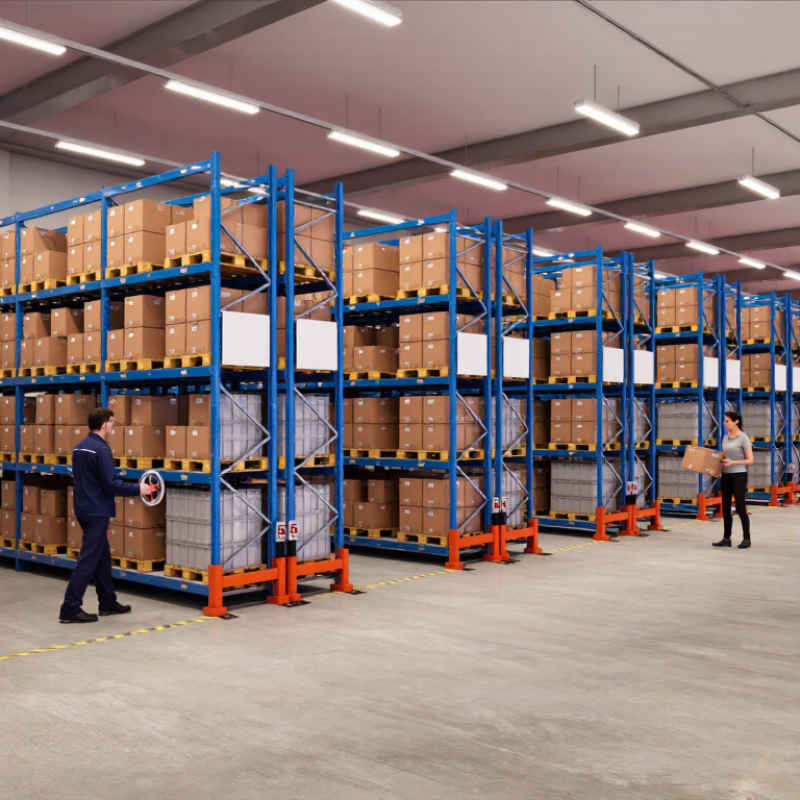
Mobile shelving combines movable carriages, guide rails, and compact storage rows. Operators open only the aisle they need, then close it again. This design can increase usable capacity without expanding the room. A 2024 report from the Materials Handling Institute found that 83% of supply-chain professionals expect artificial intelligence to enter operations within five years. That trend matters because mobile shelving increasingly works with inventory software, barcode scanning, and occupancy data.
The business application depends on the material being stored. Clinics may use it for sealed records and supplies. Workshops can organize tools, spare parts, and maintenance files. Offices often place archive boxes on adjustable shelves. In each case, measure item turnover, floor loading, aisle width, and emergency access before choosing equipment. The International Facility Management Association identifies space optimization as a continuing workplace priority, but capacity alone is not success.
People still use the aisles.
A practical trial should record retrieval time, walking distance, and errors during a normal shift. The 2023 Warehousing Education and Research Council benchmarking report emphasizes productivity, accuracy, and space use as connected performance measures. Do not assume tighter storage always improves work. If employees wait for one carriage to move, productivity may fall. My recommendation is to test one high-volume section first, review the evidence, and accept that the first layout may need revision.
Choosing mobile shelving starts with your room, not a catalog. Measure usable wall length, ceiling height, door clearance, and floor tolerance. Mark columns, vents, sprinklers, and walking routes on a simple plan. Leave enough space for people to turn safely. Small details matter. In one warehouse assessment, a 900-millimeter aisle looked adequate on paper but felt restrictive beside loaded carts. That mistake changed the layout. Measure with real equipment nearby, not empty tape lines.
Study your inventory before selecting shelf dimensions. Group items by frequency, weight, size, and handling method. Place daily-use materials near the easiest access points. Store reserve stock in less accessible sections. Calculate the total load per bay, not only the average load. Files may be light, while boxed components can create concentrated pressure. Confirm the floor rating with a qualified professional. Mobile bases can increase capacity, but they also add movement and maintenance requirements. Test reach height with actual employees. A tall shelf may waste time if staff need steps or ladders.
Observe the workflow during a full shift. Note when aisles become crowded, carts wait, or two employees need the same access point. Ask operators what slows them down. Their feedback often reveals problems a floor plan misses. Document every assumption, including future inventory growth and cleaning access. Request verified load ratings, operating instructions, and maintenance guidance from the supplier. I once prioritized maximum storage and underestimated retrieval speed. The design looked efficient, but daily work became slower. Capacity is useful only when people can use it safely and consistently.
Assess your available storage space, inventory profile, and daily operational requirements before selecting a mobile shelving solution.
The comparison uses practical planning indicators: usable storage capacity, floor-space efficiency, access frequency, and load suitability. Higher scores indicate stronger suitability for mobile shelving.
How to Choose the Best Mobile Shelving for Your Business?
Mobile shelving can transform a crowded storeroom into a more usable workspace. The right type depends on access frequency, floor space, and stored weight. Manual-assist units work well for lighter archive boxes and occasional access. Mechanical-assist systems suit deeper runs and frequent use. Powered systems offer smoother movement in large facilities, but they require more planning, maintenance, and operator training.
Weight capacity needs careful attention. Check the rated load for each shelf, bay, and complete carriage. Some capacities assume evenly distributed weight, not one heavy carton in the center. Measure your actual boxes, tools, files, or equipment before choosing shelf depth. Adjustable levels improve flexibility. Reinforced frames support heavier materials. Guide rails, aisle locks, anti-tip controls, and floor protection also affect daily reliability.
I once underestimated how quickly a narrow aisle became inconvenient. Staff needed extra clearance when carrying full containers. That mistake changed the layout. Leave practical walking space, not only the minimum measurement. Ask the supplier for tested load data and installation requirements. Confirm whether the floor can support concentrated loads. Capacity figures can look impressive, yet poor distribution may reduce safe performance. Small details matter. Consider corrosion-resistant finishes in humid rooms, and choose powered movement only when the workload justifies its complexity.
| Mobile Shelving Type | Typical Construction | Typical Load Capacity per Shelf | Typical Bay Capacity | Mobility System | Key Features | Best Use Cases | Important Selection Considerations |
|---|---|---|---|---|---|---|---|
| Manual Mechanical-Assist Shelving | Powder-coated steel frames, adjustable steel shelves, hand-operated mechanical drive | 80–150 kg | 600–1,200 kg | Hand wheel, crank, or lever mechanism | High storage density, no electrical connection required, relatively low installation complexity, controlled movement of shelving rows | Offices, records rooms, libraries, stockrooms, and light industrial storage areas | Check aisle width, floor flatness, maximum bay length, braking or locking arrangements, and the required operating force |
| Electric Mobile Shelving | Steel shelving mounted on powered mobile carriages with drive motors and control panels | 100–300 kg | 800–2,400 kg | Electric motor with push-button, keypad, or remote control | Suitable for heavier loads, smooth opening and closing, programmable access controls, obstruction detection, and reduced manual effort | Archives, warehouses, healthcare storage, museums, and high-density business storage | Plan for power supply, emergency stop access, safety sensors, routine maintenance, floor loading, and service clearance |
| High-Density Mobile Filing Shelving | Adjustable steel shelving with compact carriages designed for folders, binders, and document boxes | 60–120 kg | 400–1,000 kg | Manual hand wheel or compact electric drive | Optimized shelf depths, reduced aisle count, lockable sections, label holders, and efficient use of vertical space | Legal files, financial records, administrative archives, and document storage rooms | Confirm file-box dimensions, shelf pitch, fire-protection requirements, access frequency, and document retention needs |
| Heavy-Duty Industrial Mobile Racking | Reinforced steel frames, pallet or long-span beams, heavy-duty mobile bases | 250–1,000 kg | 2,000–8,000 kg | Powered drive system, often with guided rails and safety controls | High load capacity, improved floor-space utilization, adjustable beam levels, and suitability for dense inventory storage | Manufacturing facilities, spare-parts stores, tool rooms, and industrial warehouses | Require an engineered assessment of slab capacity, rail layout, rack stability, load distribution, aisle safety, and local regulations |
| Mobile Library Shelving | Steel or steel-and-panel shelving with smooth carriages and adjustable book-support accessories | 50–100 kg | 300–800 kg | Manual hand wheel or assisted mechanical drive | Adjustable shelf heights, bookends, end panels, anti-tip features, and compact aisle configuration | Public libraries, school libraries, archives, and reference collections | Consider book weight, shelf deflection, accessibility, aisle opening width, anti-tip protection, and user traffic patterns |
| Mobile Cantilever Shelving | Vertical steel uprights with horizontal arms mounted on mobile bases | 100–500 kg per arm level | 800–4,000 kg | Manual or powered mobile carriage | Open-front storage, quick access to long items, adjustable arm levels, and efficient use of floor space | Pipes, timber, metal sections, carpet rolls, tubing, and other long or irregular materials | Verify load balance, arm length, upright spacing, item overhang, floor anchoring, and protection against rolling materials |
| Mobile Bin and Small-Parts Shelving | Steel frames with adjustable shelves, plastic bins, dividers, or drawer modules | 40–100 kg | 250–900 kg | Manual mechanical drive or compact powered base | High item visibility, modular compartments, ergonomic picking height, labeling options, and efficient parts organization | Maintenance departments, assembly areas, workshops, laboratories, and spare-parts storage | Match bin dimensions to inventory, check drawer or shelf point loads, evaluate picking frequency, and provide safe access for operators |
Note: Capacity figures are typical planning ranges for evenly distributed loads. Actual limits depend on the shelving design, shelf dimensions, carriage configuration, floor condition, drive system, and manufacturer-certified ratings. Always confirm the final load rating with a qualified supplier or structural engineer before installation.
Choosing the Best Mobile Shelving for Your Business
Safety should guide every mobile shelving decision. Start by checking floor strength, rail alignment, load limits, and anti-tip protection. Uneven flooring can create dangerous movement, even with quality equipment. Leave clear escape routes and avoid blocking fire equipment or emergency access. Shelves should carry labeled loads, not optimistic estimates.
Accessibility needs equal attention. Measure aisle width with real carts, boxes, and people in motion. A narrow aisle may save space but slow daily work. Consider handle height, lighting, reach distance, and access for employees with different physical abilities. Controls should be simple and visible. Test them while wearing work gloves. Small details matter.
Installation and maintenance often receive less planning. Confirm delivery paths, ceiling clearance, power requirements, and fixing points before ordering. A professional installer should inspect the rails after fitting. Maintenance schedules should include wheel checks, lubrication, fastener reviews, and damage records. Keep a simple log near the system. It helps reveal repeated problems.
A perfect layout is unlikely. Review it after several weeks of actual use. If staff leave doors open or avoid certain aisles, the design may need revision. Shelving should support safe habits, not depend on constant reminders. Safety inspections should follow workplace standards and qualified local guidance.
Choosing mobile shelving for your business requires more than comparing purchase prices. The right system should support today’s storage needs without blocking tomorrow’s growth. I begin by measuring available floor space, ceiling height, aisle requirements, and floor load capacity. Measure twice. A small error can create expensive installation problems.
A practical budget includes more than the shelving frames. Consider rails, installation, safety features, maintenance, energy use, and future extensions. Higher-density storage may reduce the need for extra premises, but it can increase access time if poorly planned. Ask suppliers for load ratings, material specifications, warranty terms, and documented testing. Reliable information makes cost comparisons more realistic.
Plan around your expected inventory growth for three to five years. Choose modular sections that can be extended or rearranged without replacing the whole system. Leave some operating space. I once underestimated seasonal stock and filled a new layout faster than expected. That mistake taught me to protect expansion space, even when the current budget feels tight. A small pilot area can reveal workflow issues before a full installation. Staff feedback matters, because a technically efficient layout may feel awkward during daily use. Review access frequency, walking distances, picking accuracy, and emergency access before approving the final design.
Mobile shelving uses movable carriages, guide rails, and compact storage rows. Operators open only the aisle they need. Then the aisle closes. This can increase capacity without enlarging the room.
Clinics can store sealed records and supplies. Workshops can organize tools, spare parts, and maintenance files. Offices may use adjustable shelves for archive boxes. The best arrangement depends on item size, weight, and retrieval frequency.
Measure wall length, ceiling height, door clearance, and floor capacity. Mark columns, vents, sprinklers, and walking routes. Check emergency access carefully. A 900-millimeter aisle may feel narrow beside a loaded cart.
Group items by frequency, weight, size, and handling method. Keep daily-use materials near convenient access points. Place reserve stock farther away. Calculate the load for each bay, not only the average load.
It can reduce walking distance and unused floor space. However, workers may wait when one carriage blocks access. Record retrieval time, errors, and aisle congestion during a normal shift. More storage is not automatically better.
Include rails, installation, safety features, maintenance, energy use, and future extensions. Compare verified load ratings and documented testing. A cheaper purchase may create higher operating costs. I would avoid judging systems by price alone.
Plan for expected inventory growth over three to five years. Choose modular sections that can be extended or rearranged. Keep some operating space available. I once underestimated seasonal stock, and the layout filled too quickly.
Yes, a pilot area can expose workflow problems early. Test a high-volume section during a complete work shift. Ask employees about reach height, waiting time, and cart movement. The first layout may need revision. That is normal.
Choosing the right Mobile Shelving system can help a business use its available space more efficiently while improving organization and access. The process begins with understanding how mobile shelving works and where it can provide value, such as offices, archives, warehouses, libraries, or inventory rooms. Businesses should assess room dimensions, floor conditions, storage volume, item sizes, access frequency, and workflow requirements before comparing shelving options. Important factors include shelf configuration, movement mechanisms, load capacity, security features, and the flexibility to accommodate different types of inventory.
A suitable system should also support safe operation, clear access routes, and convenient maintenance. Consider installation requirements, staff training, durability, and the ease of adjusting or expanding the shelves over time. Although budget is important, the lowest initial price may not provide the best long-term value. By balancing purchase and installation costs with operating efficiency, future storage demands, and potential business growth, organizations can select a reliable Mobile Shelving solution that remains practical, safe, and cost-effective.

FutureSpace Rack