Choosing Modular Shelving for a business is not simply a matter of finding the lowest price. It requires a clear understanding of products, space, staff routines, and future growth. A retail store may need adjustable shelves for changing displays, while a warehouse may require stronger frames for boxed inventory. In a clinic, cleanable surfaces and safe spacing may matter more than appearance. Every decision should begin with a site assessment. Measure wall lengths, ceiling height, aisle width, floor condition, and access points. A shelving unit that fits on paper may fail at the doorway.
Practical experience also shows that load capacity deserves careful attention. Check the manufacturer’s rated limits, shelf materials, connection methods, and anchoring guidance. Do not estimate weight by appearance. A compact box of fasteners can be surprisingly heavy. Adjustable components should move smoothly, without sharp edges or loose fittings. Consider installation time, replacement parts, cleaning needs, and staff safety. These details often affect long-term costs more than the initial quotation.
There is no perfect system. Really. A highly flexible design can cost more, and frequent adjustments may weaken poorly made components. Some businesses also overestimate future expansion and purchase unnecessary capacity. Reviewing supplier certifications, warranty terms, customer feedback, and documented testing can reduce that risk. A measured comparison of durability, flexibility, appearance, and total ownership cost creates a more reliable choice. The best Modular Shelving solution should support daily work quietly, safely, and without forcing the business to redesign its operations.
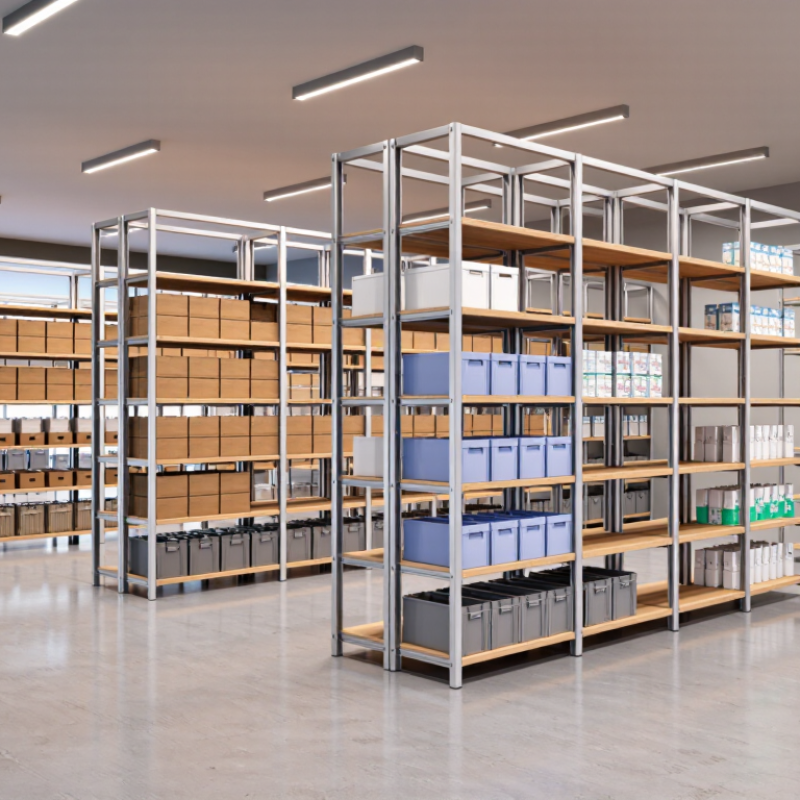
Before choosing modular shelving, define what your business stores, moves, and accesses each day. A busy stockroom needs different support than a records room. Measure product dimensions, package weights, daily volume, and expected growth. Do not rely on memory. Walk through the space. Use actual measurements. Note doors, columns, windows, sprinklers, electrical panels, and uneven floors. These details can reduce usable capacity more than expected.
Map the available floor area and ceiling height before selecting shelf levels. Leave enough room for people, carts, loading tasks, and emergency access. Frequently handled items should sit between waist and shoulder height. Place heavier goods on lower levels to improve stability and reduce lifting strain. Check the shelving’s rated load capacity, then compare it with your heaviest stored items. Local workplace safety requirements may also affect aisle widths and anchoring methods.
Your first layout will probably be wrong. That is useful. Create a simple scale drawing, or mark shelf positions with removable tape. Test how staff walk, turn, reach, and restock. A narrow aisle may appear efficient but create delays during busy periods. Allow spare space for seasonal inventory and changing package sizes. Growth is easy to underestimate. Review the plan with the employees who use the storage area daily, because small workflow problems often remain invisible from a desk.
Define your business’s storage needs and compare the required shelf capacity with the space available in each operating area.
The chart uses linear shelf metres as the planning unit. Select a modular shelving layout when the required capacity fits within the available wall or floor space, while leaving clear access paths for daily operations.
Material choice affects durability, hygiene, weight, and maintenance. Powder-coated steel suits warehouses with frequent picking and heavier cartons. Aluminum is lighter and resists corrosion, but usually costs more. Wire shelving improves airflow around stored goods. Plastic shelving works well in damp rooms, though it may flex under concentrated loads.
Design should match movement patterns, not just available wall space. Adjustable shelves support changing stock sizes and reduce unused vertical space. Mobile units can increase aisle capacity, but they need stable floors and clear operating procedures.
The MHI 2024 Annual Industry Report identifies warehouse efficiency and labor availability as continuing industry pressures. Its data shows cloud computing adoption at 55% among surveyed supply-chain professionals, reinforcing the need for shelving that supports accurate inventory visibility.
Load capacity requires careful checking. ANSI MH16.1-2023 provides guidance for industrial steel shelving design and testing, while OSHA 29 CFR 1910.176 requires storage systems to remain within safe capacity limits. Never treat a supplier’s maximum figure as a universal guarantee. Shelf spacing, load distribution, anchoring, and repeated impact can change performance.
A spreadsheet can still be wrong. Measure the heaviest carton, place it centrally, and verify the complete bay rating before installation. This small discipline often prevents expensive redesigns.
Modular shelving should adapt to your daily work, not merely fill an empty wall. Measure product sizes, aisle widths, and handling routines before selecting components. Adjustable shelves suit mixed inventory, especially when cartons change throughout the year.
Check locking mechanisms, connection points, and published load ratings carefully. A shelf that moves easily but lacks stability creates avoidable risk.
In practice, I have found that small adjustments often improve picking speed more than adding extra units.
Place frequently handled items between knee and shoulder height. Reserve lower levels for heavier cartons, and use upper shelves only with safe equipment. Clear labels, visible stock, and unobstructed aisles reduce searching time.
Consider staff with different heights and physical abilities. A practical trial with real workers can reveal problems that measurements miss.
Test one section.
It may feel slower at first, but the feedback is valuable.
Select sections that can connect, relocate, or accept additional shelves without replacing the whole system. Leave modest floor space for future growth, but do not sacrifice today’s workflow for an uncertain forecast.
Review inventory changes, seasonal demand, and possible relocation plans. The cheapest option may become expensive after one year.
Still, predictions are imperfect. Build in flexibility, document the original layout, and inspect connections regularly as the business grows.
Choosing modular shelving requires more than comparing sizes and prices. Installation methods directly affect stability, access, and future changes. Freestanding units suit light, flexible storage, but they need level flooring and careful weight distribution. Anchored systems provide stronger resistance against movement, especially in busy work areas. I recommend checking the wall material before selecting fasteners. A concrete wall and a partition wall require different fixing methods.
Safety details deserve close attention. Confirm the shelf’s rated capacity and keep heavier items on lower levels. Do not assume every shelf supports the same load. Add back stops or edge lips where packages could slide forward. Keep aisles clear, and inspect joints, bolts, and braces after installation. I once saw a shelf become unstable because one adjustable foot rested on uneven flooring. The problem looked minor. It was not.
Maintenance should be practical and scheduled. Wipe dust and spills quickly, since moisture can damage metal finishes and weaken stored cartons. Check for rust, bent components, loose connectors, and cracked panels during routine inspections. Record repairs and changed shelf positions, especially in larger facilities. Cleaning access also matters; narrow gaps often hide debris and small leaks. Staff should know the warning signs and report them early. A rushed installation may save an hour, but it can create months of avoidable maintenance. Even experienced teams should review the layout after real use, because traffic patterns rarely match the original plan.
Choosing modular shelving for a business requires more than comparing prices. Product quality, customization, and total ownership costs must work together. Inspect the steel thickness, joint quality, surface finish, and stated load capacity. Ask for test records and clear installation guidance. Small defects can become expensive when shelves carry heavy inventory every day.
Measure twice. Then plan the layout around real products, aisle widths, staff movement, and future stock changes. Adjustable levels may cost more initially, but they can prevent early replacement. Useful options include dividers, bins, back panels, and mobile sections. However, customization should solve a proven workflow problem. Extra accessories often look helpful but remain unused.
Total ownership costs include delivery, assembly, maintenance, relocation, repairs, and disposal. A cheaper system may demand more labor or fail during expansion. Check whether individual parts can be replaced without removing an entire bay. Request a written warranty, maintenance recommendations, and accurate load limits. These details improve purchasing reliability and internal accountability.
A planning mistake is designing only for today’s inventory. Even experienced buyers misjudge growth, seasonal peaks, or awkward product dimensions. Leave practical adjustment space, but do not overbuild every section. That costs more. Review the proposal with warehouse staff before approval, because daily users often notice clearance problems that spreadsheets miss.
| Modular Shelving Type | Typical Initial Cost per Bay |
Rated Load per Shelf |
Shelf Adjustment | Customization Potential |
Typical Lead Time | Expected Service Life | Estimated 5-Year Total Cost |
Best Business Use |
|---|---|---|---|---|---|---|---|---|
| Adjustable Wire Shelving | US$180–350 | 350–800 lb (159–363 kg) |
1 in / 25 mm increments | High | 1–3 weeks | 8–12 years | US$250–500 | Retail back rooms, offices, light inventory |
| Boltless Steel Shelving | US$220–450 | 500–1,200 lb (227–544 kg) |
1.5–2 in / 38–51 mm increments | Medium–High | 1–4 weeks | 10–15 years | US$300–600 | Warehouses, workshops, stockrooms |
| Heavy-Duty Rivet Shelving | US$350–750 | 800–2,000 lb (363–907 kg) |
1.5–2 in / 38–51 mm increments | Medium | 2–6 weeks | 12–20 years | US$470–950 | Industrial parts, tools, bulk storage |
| Mobile Modular Shelving | US$900–2,000 | 300–750 lb (136–340 kg) |
1 in / 25 mm increments | High | 3–8 weeks | 10–15 years | US$1,050–2,300 | Archives, compact storage, high-rent facilities |
| Configured Custom Modular System | US$600–1,500 | 500–1,500 lb (227–680 kg) |
Project-specific | Very High | 4–10 weeks | 12–20 years | US$720–1,800 | Specialized layouts, growth-focused operations |
Measure product sizes, package weights, daily movement, and expected growth. Walk through the room with a tape measure. Memory is unreliable.
Record doors, columns, windows, sprinklers, electrical panels, and uneven floors. Leave room for people, carts, loading work, and emergency access. Ceiling height matters too.
Keep frequently handled items between waist and shoulder height. Store heavier goods on lower levels. This improves stability and reduces lifting strain.
Draw the room to scale, or mark shelf positions with removable tape. Walk, turn, reach, and restock inside the marked layout. The first plan may be wrong.
Anchored systems offer stronger resistance against movement in busy work areas. Freestanding units suit lighter, flexible storage. Check the wall material before choosing fasteners.
Confirm each shelf’s rated capacity and compare it with the heaviest stored items. Use back stops or edge lips when packages may slide forward. Keep aisles clear.
Inspect joints, bolts, braces, adjustable feet, and panels. Look for rust, bent parts, loose connectors, and moisture damage. Record repairs and layout changes.
Dividers, bins, back panels, and mobile sections can solve specific workflow problems. Extra accessories may remain unused. That mistake is easy to make.
Include delivery, assembly, maintenance, relocation, repairs, and disposal. A cheaper system may require more labor later. Check whether individual parts can be replaced easily.
Leave practical space for seasonal inventory, changing package sizes, and expansion. Review the plan with warehouse staff. Spreadsheets often miss real clearance problems.
Choosing the right Modular Shelving system begins with a clear understanding of your business’s storage needs, available floor space, and expected inventory growth. Consider the size, weight, and frequency of access for stored items, then compare materials such as steel, aluminum, and reinforced composite options. Evaluate each design’s load capacity, durability, and suitability for your working environment.
A practical system should offer adjustable shelf heights, easy access, and the flexibility to expand or reconfigure as your business changes. Review installation methods carefully, including whether professional assembly or simple self-installation is more appropriate. Safety features such as stable frames, secure connections, and weight-distribution guidance are also essential. Finally, assess maintenance requirements and compare product quality, customization choices, purchase price, installation expenses, and long-term operating costs. The best solution balances reliable performance with adaptability, helping your business stay organized, efficient, and prepared for future storage demands.

FutureSpace Rack