In the competitive world of retail, choosing the right Retail Shelving Units can significantly impact sales and customer experience. According to a report by Market Research Future, the global retail shelving market is expected to reach $17 billion by 2027, highlighting the importance of effective display solutions. David Richards, a noted retail consultant, emphasizes, "The right shelving transforms a store from functional to inviting."
Selecting appropriate shelving units requires careful consideration of both function and aesthetic appeal. Customers engage better when products are presented well. Studies show that 70% of purchasing decisions are made in-store. Hence, your shelving choice can either enhance or detract from this experience. Furthermore, with numerous materials, sizes, and styles available, making a perfect choice can be daunting.
Reflecting on trends is essential. Shelving must align with branding and product categories. It’s worth noting that not all retailers prioritize this aspect. Some still rely on outdated systems, which may misguide their layout strategy. In light of this, understanding the evolving nature of retail display solutions is crucial to maintaining a competitive edge.
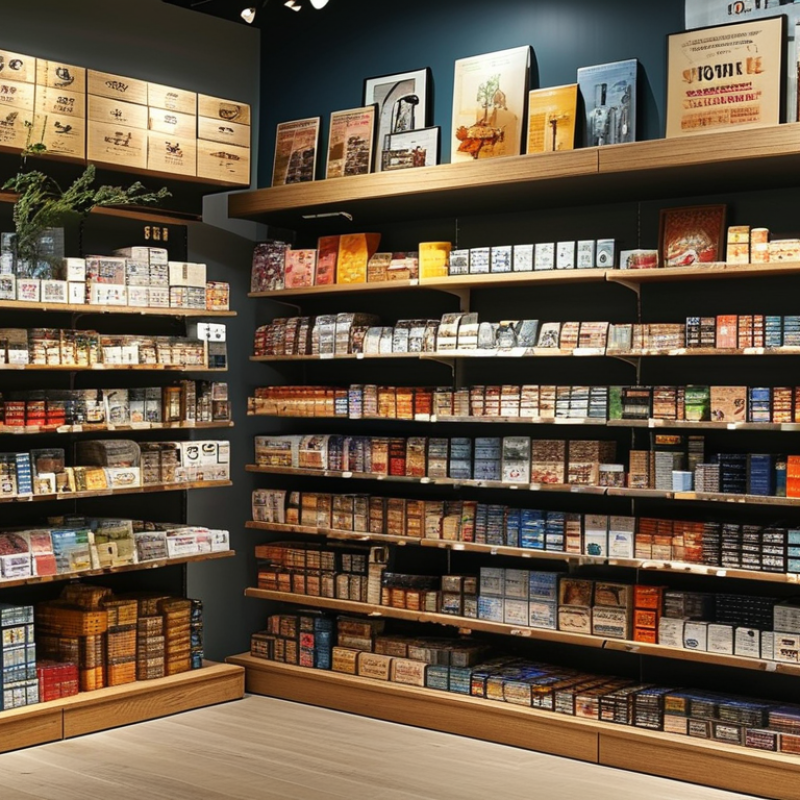
Understanding Retail Shelving Units: Types and Their Features
When selecting retail shelving units, it’s crucial to understand the different types available and their features. Retail shelving not only showcases products but also influences customer purchasing behavior. According to a study by the National Retail Federation, well-organized shelving directs shoppers effectively, leading to a 29% increase in sales. This data underscores the importance of choosing the right shelving types.
Among the various types of retail shelving, gondola units are popular for their versatility. They can be configured in various ways to adapt to different store layouts. Their adjustable shelves allow for customization according to product sizes. This flexibility is essential, especially in a dynamic retail environment. Additionally, wall-mounted shelving maximizes space efficiently and showcases products at eye level, promoting better visibility. However, relying too heavily on these units may lead to overcrowding. Store owners should balance shelf space with overall store aesthetics.
Incorporating features like anti-theft devices can enhance security without compromising design. Reports indicate that retail theft costs stores over $50 billion annually. Therefore, selecting units with integrated security features can reflect a store’s commitment to loss prevention. It’s vital to assess these options and consider how they align with your brand’s visual identity while maintaining functionality.
Retail Shelving Units: Popular Types and Their Features
This chart illustrates the popularity score of various types of retail shelving units, helping store owners to understand which units are generally favored based on features and versatility.
Evaluating Store Space: How to Measure for Optimal Shelving Layout
Evaluating your store space is crucial for effective retail shelving layout. Accurate measurements can optimize product visibility and customer flow. According to the National Retail Federation, maximizing shelf space can lead to a 20% increase in sales. Start by measuring both the width and height of your walls. Consider ceiling height too. This will help identify whether you can utilize vertical space.
Once you have the dimensions, draw a floor plan. This will allow you to experiment with different shelving configurations. Retail experts suggest leaving at least 36 inches between shelving units for easy navigation. Evaluate the flow of foot traffic. Does the layout encourage customers to browse? Spaces that feel cramped can deter shoppers, negatively affecting sales.
Reflect on the materials needed for your shelving. For instance, wire shelving allows for airflow and visibility, but may not be suitable for all products. Analyze your inventory: are certain items high-demand? Place them at eye level. Regularly reassess your shelving strategy and be open to adjustments based on sales performance. Adaptability is vital in an evolving retail landscape.
Analyzing Retail Trends: Popular Materials and Designs in Shelving
When selecting retail shelving units, understanding current trends in materials and designs is essential. Metal and wood are among the most favored materials. Metal shelves provide durability and a modern aesthetic. On the other hand, wooden units often convey warmth and a classic touch. Many store owners strive to blend these materials to create a unique shopping experience that resonates with customers.
Design plays a crucial role in shelving selection. Open shelves provide visibility, making products easily accessible. This design keeps the store airy and inviting. However, it may not work for all products. Some items need closed shelving to protect from dust or damage. The balance between display and protection is a challenge. Additionally, the practicality of arrangements often needs reflection. Do the shelves facilitate customer flow? Are they user-friendly for staff? These aspects can significantly impact sales.
Another trend is the incorporation of customization in shelving units. Modular designs allow for flexibility in arrangements. This can be valuable for evolving product lines. It's essential, however, to assess whether these systems align with the store's overall theme. Exploring these design choices can lead to a shelving solution that enhances both function and aesthetics.
Assessing Cost vs. Benefit: Budgeting for Quality Shelving Solutions
When budgeting for retail shelving units, it’s crucial to assess cost versus benefit. According to a 2022 report by the Retail Industry Leaders Association, effective store layouts can increase sales by up to 20%. Quality shelving fosters an organized and appealing environment. This, in turn, attracts more customers. However, not all shelving options provide the same value.
Investing in sturdier materials can lead to higher initial costs. Yet, these choices often reduce long-term expenses on replacements. A 2021 study by the American Institute of Architects found that well-designed shelving can last up to 50% longer than cheaper alternatives. This longevity translates into savings. If budget constraints are tight, consider versatile shelving solutions. These can adapt to changing inventory needs, enhancing longevity.
Attention to detail is essential. Poorly chosen shelving may lead to inefficiencies. Some retailers overlook the importance of quality and simplicity. This can create clutter and negatively impact customer experience. It's vital to reflect on what shelving options serve the brand best. Proper planning can assist in balancing initial expenditures with overall benefits.
Maximizing Product Visibility: Strategic Placement of Shelving Units
Strategic placement of retail shelving units can significantly impact product visibility and sales. Research shows that well-organized displays increase customer engagement. In fact, up to 30% of customers' purchasing decisions are influenced by product placement within a store. This highlights the importance of using shelving units strategically to showcase popular products.
Consider the flow of customer traffic. Positioning shelves at eye level can draw attention to high-margin items. A study from the Retail Industry Leaders Association notes that items placed at eye level sell 60% more than those located elsewhere. Utilizing end caps for seasonal or promotional products can further enhance visibility. These areas typically attract over 20% more foot traffic.
However, overcrowding shelves can overwhelm customers. A balance between product variety and space is crucial. Data indicates that cluttered displays may lead to a 15% drop in sales. Regularly evaluating the layout is essential. A fresh perspective can identify areas for improvement. Utilizing customer feedback can provide valuable insights into the shopping experience, allowing adjustments to enhance visibility and sales.
How to Choose the Best Retail Shelving Units for Your Store? - Maximizing Product Visibility: Strategic Placement of Shelving Units
| Shelf Type |
Material |
Height (inches) |
Max Weight Capacity (lbs) |
Visibility Score (1-10) |
Ideal Placement |
| Adjustable Shelves |
Metal |
72 |
300 |
9 |
Corner Areas |
| Wall-Mounted Shelves |
Wood |
36 |
150 |
8 |
Eye-Level |
| Gondola Shelving |
Plastic |
60 |
250 |
10 |
Main Aisle |
| Freestanding Shelves |
Metal |
48 |
200 |
7 |
Check-Out Area |
| End Cap Shelves |
Wood |
54 |
180 |
9 |
End of Aisle |
Conclusion
Selecting the right Retail Shelving Units is crucial for the success of any store. Understanding the different types of shelving units and their features allows retailers to make informed decisions that cater to their specific needs. By evaluating store space effectively and measuring for an optimal layout, businesses can ensure that their shelving solutions are both functional and aesthetically pleasing.
Moreover, staying updated on retail trends, including popular materials and designs, helps retailers choose modern and attractive shelving options. Balancing cost and benefit is essential in budgeting for quality shelving that enhances product visibility. Strategic placement of Retail Shelving Units not only improves the shopping experience but also drives sales by showcasing products effectively. Ultimately, a thoughtful approach to shelving can significantly impact a store's overall success.

 FutureSpace Rack