Selecting the right Stackable Storage supplier can shape warehouse efficiency, product safety, and long-term operating costs. For global buyers, the decision reaches beyond price. Carton dimensions, load ratings, material quality, and repeat-order consistency all matter. A container that fits neatly on a warehouse shelf may still fail in transit or prove awkward on a busy picking line.
Taiichi Ohno, a leading figure in the Toyota Production System, is often associated with the principle, “Where there is no standard, there can be no improvement.” That idea offers a useful lens for comparing suppliers: clear specifications make products easier to assess and orders easier to repeat. Yet standards alone are not enough. Buyers should also request current product data, sample units, and evidence of relevant quality controls. Details vary by product and destination, so verify requirements directly rather than relying on a catalog claim.
This guide introduces ten Chinese suppliers serving international buyers of Stackable Storage products. It considers product range, customization, manufacturing capabilities, communication, and export experience where information is available. Look closely at practical details: nesting depth, lid fit, wall thickness, and how loaded units behave when stacked. Small differences matter.
The list is a starting point, not a guarantee. Supplier rankings can change, and public information may be incomplete. That deserves a second look. Use the comparisons to build a shortlist, then confirm specifications, samples, lead times, and references before placing a large order.
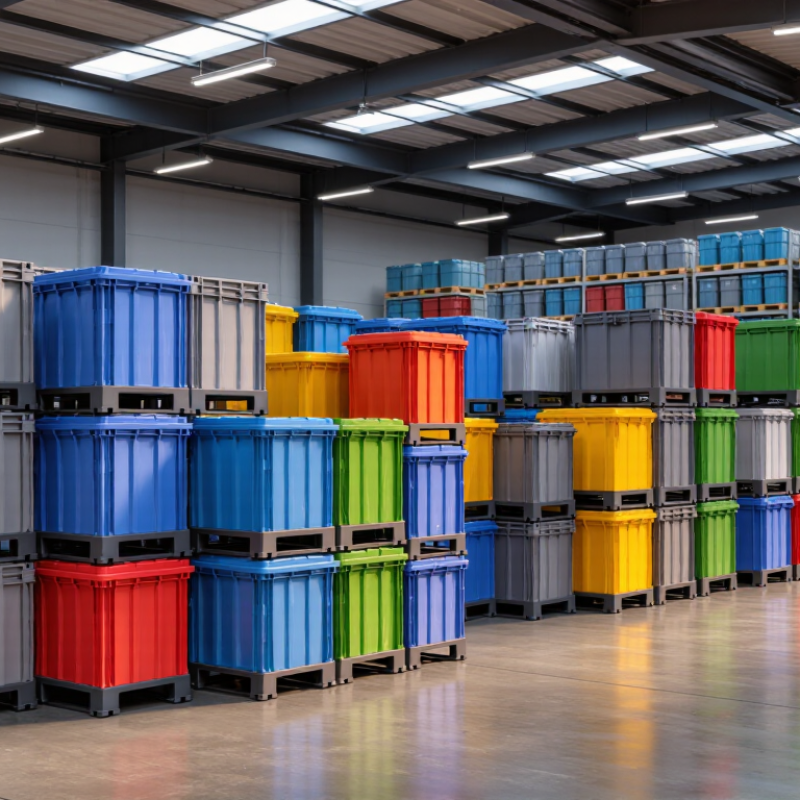
Stackable storage products are designed to save floor space without making access difficult. Their rims, corners, and bases must align so weight transfers downward rather than onto fragile side walls. A broad, flat base helps reduce rocking on smooth floors. Small details matter. Handles should remain reachable when containers sit close together, while labels need a visible surface.
Designers often use molded plastic for washable, lightweight bins, while fabric or wire options suit different loads and visibility needs. The material alone does not determine capacity; wall thickness, reinforcement, and load distribution matter too. For daily picking, open-front bins keep small parts visible. Lidded containers help control dust during storage. Trade-offs remain. Lids can slow access, and uneven contents may make a tall stack unstable.
Before choosing a format, buyers should compare external and internal dimensions, then check whether units stack securely when full. Test a sample with the actual items, not just empty containers. That sounds obvious, yet it is often missed. Keep heavy goods low, avoid overhanging loads, and leave enough clearance for hands or lifting equipment. Storage plans also change; a neat stack today may become awkward when stock sizes shift next month.
Common modular storage-container footprints, compared by base area.
Footprint areas are calculated from the dimensions shown. The 600 × 400 mm footprint is a widely used modular format; smaller footprints can support flexible storage and handling layouts. Actual product dimensions and stacking limits vary by design.
Evaluate a stackable storage supplier through measurable performance, not catalogue photos. Ask for resin specifications, dimensional tolerances, and written safe-load ratings for static and stacked use. Request recent batch records and third-party test reports, then compare them with a production sample. Press loaded containers sideways; wobble, lid lift, or uneven feet can reveal weak stacking geometry. The World Bank’s 2023 Logistics Performance Index ranked China 19th among 139 economies. That is useful export context, not proof of one factory’s quality. Test the real load.
Use your intended goods, shelf height, and handling route during trials. Measure nested and stacked dimensions: small differences can reduce pallet counts or jam a rack. UNCTAD’s Review of Maritime Transport 2024 says over 80% of world trade by volume moves by sea. So check carton compression, pallet patterns, and container fill before agreeing on pricing. Do not rely on a perfect prototype alone. Ask how defects are recorded, corrected, and prevented across repeat batches. A factory may still miss a detail; a small pilot order can expose gaps before scale-up.
These ten supplier profiles show how Chinese stackable-storage makers differ beyond catalog photos. One focuses on heavy-duty injection-molded bins; another on nesting crates that save return-trip space. Others specialize in ventilated produce boxes, electronics-safe containers, narrow-aisle totes, export packaging, custom tooling, recycled-resin products, food-contact traceability, and small-batch production. The distinctions matter. A warehouse tote and a produce crate may stack, but their wall strength, drainage, and cleaning needs differ.
China’s State Post Bureau recorded 174.5 billion express parcels in 2024, while the China Federation of Logistics and Purchasing reported total social logistics value of 360.6 trillion yuan. These figures indicate the scale of handling activity, not direct demand for stackable containers. Buyers should ask each supplier for loaded-stack tests, resin specifications, dimensional tolerances, and sample results. Check the base and corner ribs, too. A polished brochure proves little. Some profiles provide detailed testing records; others need follow-up, and that gap deserves scrutiny. This comparison is useful, but it is not a factory audit.
When comparing ten stackable storage suppliers, start with the products they actually make. Some focus on small parts bins, while others offer lidded boxes, drawer units, or large warehouse totes. Check dimensions, wall thickness, lid fit, and whether containers stack securely when full. A tall stack should not wobble on a smooth floor. Ask for load ratings and test conditions, not just attractive catalogue photos. Also compare whether empty units nest together; this can reduce storage and freight volume. Small details matter.
Capabilities differ as much as product ranges. Suppliers with in-house molding may handle custom dimensions or color more directly, while others rely on standard tooling. Ask about resin specifications, sample approval, inspection records, and how they check for cracked corners or warped lids. A neat catalogue can still mislead. Request a production sample and measure it against your own shelf or pallet dimensions. Confirm packaging, labeling, and realistic lead times before placing a large order. More customization is not always better; it can add cost and delay, and some buyers may need only reliable standard sizes. A comparison is useful only when the requirements are clear.
Global buyers should verify the factory behind a listing, not just its product photos. Request current business registration, production address, export references, and a named quality contact. Arrange a live video tour, then check whether the visible equipment matches the supplier’s stated production capacity. Ask for dated test reports covering dimensions, load limits, and material properties. Small details matter. The World Bank’s 2023 Logistics Performance Index covers 139 countries and assesses six areas, including customs, shipment tracking, and timeliness. Use it to compare logistics environments, not to certify an individual factory. A polished catalog can still leave important questions unanswered.
UNCTAD’s Review of Maritime Transport 2024 reports that maritime trade grew 2.4% in 2023, with 2% growth forecast for 2024. Freight conditions can affect delivery schedules, so request recent shipment records and confirm packaging, lead times, and shipping terms in writing. Before placing a large order, test physical samples: load the containers, stack them on a level floor, and check for slipping, deformation, or difficult access. Confirm that the quoted load rating describes static or dynamic use. Ask an independent inspection service to compare finished goods with the approved sample. Keep the inspection criteria specific. Even careful checks can miss defects, and a low unit price may become costly after rework or delays.
Aligned rims, corners, and bases direct weight downward. A broad, flat base helps reduce rocking on smooth floors.
Molded plastic offers lightweight, washable storage. Fabric or wire options suit other loads and visibility needs. Material alone does not determine capacity; wall thickness and reinforcement matter too.
They keep small parts visible during daily picking. Lidded containers help control dust, but lids can slow access. Trade-offs matter.
Try a sample with the actual items, not just empty containers. Check the stack when full on the intended floor. Empty tests can mislead.
Compare internal and external dimensions with your shelves or pallets. Leave room for hands or lifting equipment. Measure twice.
Request load ratings and test conditions. Ask about resin specifications, sample approval, and checks for cracked corners or warped lids. Photos are not enough.
In-house molding may make custom dimensions easier. Customization can add cost and delay, so reliable standard sizes may be enough.
Check whether empty units nest to reduce storage and freight volume. Keep heavy goods low and avoid overhanging loads. A tidy stack today may become awkward when stock sizes change.
This article explains how Stackable Storage products are designed for efficient handling, space-saving organization, and a range of commercial and household uses. It outlines practical criteria for evaluating Chinese suppliers, including product variety, material and construction options, production capacity, customization, quality control, communication, and export experience. The guide also presents profiles of ten suppliers, focusing on their general product offerings and capabilities without relying on brand promotion.
A comparison section helps global buyers identify which supplier strengths best match their requirements, from standard storage solutions to customized product programs. The article concludes with steps for verifying a potential supplier, such as reviewing product specifications, requesting samples, assessing quality procedures, confirming production details, and agreeing on clear communication and shipping expectations. Together, these sections provide a structured starting point for researching suppliers and making informed sourcing decisions.

FutureSpace Rack