What Is the Best Wire Shelving in 2026?

Time:2026-09-08 Author:Sienna
0%

Choosing the best Wire Shelving in 2026 is not simply a matter of picking the highest weight rating. A strong shelf must fit your space, workflow, and storage conditions. In this guide, we examine steel gauge, shelf capacity, corrosion resistance, adjustability, and assembly quality. We also compare real-world details, such as how smoothly a shelf locks into place and whether its feet remain stable on uneven floors.

Small details matter. A lot.

Our evaluation considers manufacturer specifications, user feedback, warranty terms, and practical handling. We look at shelving used in kitchens, garages, workshops, retail rooms, and commercial storage areas. A 48-inch shelf may hold heavy boxes, yet waste valuable wall space in a narrow pantry. Chrome finishes can look clean, but they may not suit damp environments. Powder-coated steel often offers better protection, although product quality still varies between brands.

There is no perfect choice.

Some recommendations depend on compromises. A mobile unit improves flexibility but may reduce stability under uneven loads. Taller shelving increases capacity, but it can become difficult to reach safely. We will explain these trade-offs clearly, using measurable criteria rather than vague marketing claims. Our conclusions are based on available product information and practical reasoning, not blind brand loyalty. Still, specifications can change, and long-term durability is difficult to judge from short ownership periods. That limitation deserves attention. The best Wire Shelving for your needs should be strong, adjustable, easy to maintain, and appropriate for its environment.
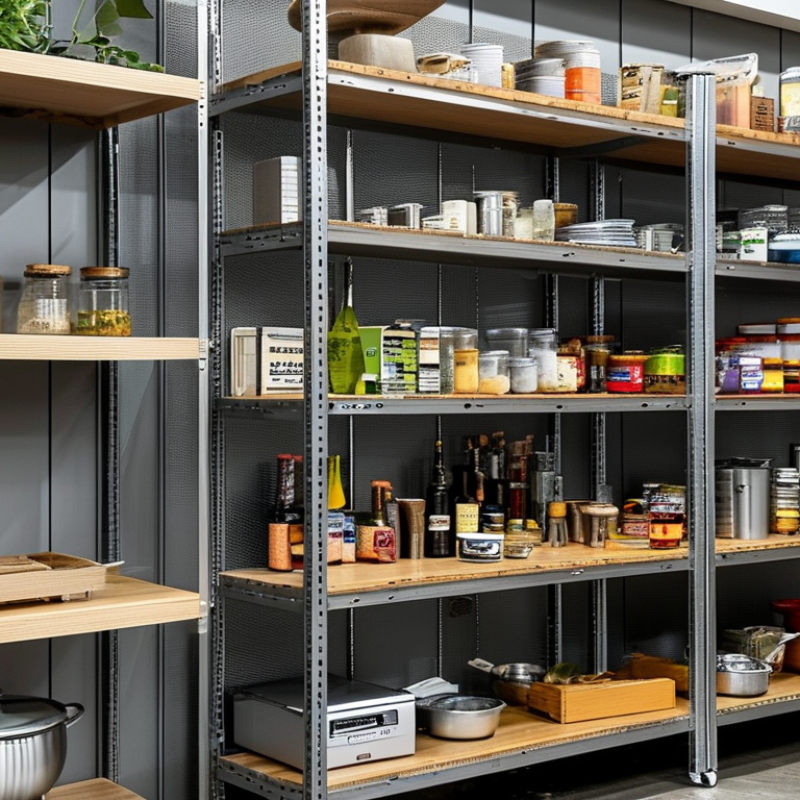
What Is the Best Wire Shelving in 2026?

What Makes Wire Shelving the Best Choice? Key Industry Criteria

What Is the Best Wire Shelving in 2026?

What Makes Wire Shelving the Best Choice? Key Industry Criteria

The best wire shelving is not simply the strongest model on paper. It must match the room, load, workflow, and maintenance routine. In warehouse inspections, I check shelf capacity before comparing finishes or accessories. Ratings should reflect evenly distributed loads, not one heavy box placed in the center.

Airflow matters. Open wire surfaces reduce dust collection and help air move around stored goods. This feature supports cleaner storage in workshops, stockrooms, and temperature-sensitive areas. However, small items can fall through wide openings. Shelf liners may solve that problem, but they can reduce visibility and airflow.

Adjustable shelves make changing inventory easier. Look for secure clips, stable posts, and clear height increments. A level frame is essential. Measure twice. Uneven floors can make a strong unit feel unsafe. Corrosion-resistant coatings also matter in humid spaces, although no finish lasts forever without proper cleaning.

During one storage review, I focused too much on load capacity and overlooked access height. The shelves were strong, but workers strained while reaching the upper levels. That mistake changed my evaluation process. I now consider ergonomics, anchoring options, aisle clearance, and daily handling time. Reliable shelving should also have traceable specifications, readable assembly guidance, and tested performance information. Fancy features are less important than consistent construction and safe, practical use.

How Load Ratings, Span, and Shelf Deflection Determine Performance

What Is the Best Wire Shelving in 2026?

Choosing the best wire shelving in 2026 starts with understanding performance, not appearance. Load rating shows how much weight each shelf can safely carry. Check whether the rating applies to an evenly distributed load or a concentrated point load. A box placed in the center stresses the shelf differently from several small containers.

Span matters just as much. It is the unsupported distance between posts, beams, or brackets. Longer spans usually create more movement and greater shelf deflection. Even when a shelf remains within its stated capacity, visible sag can make stored items unstable.

Measure the clear span, then compare it with the manufacturer’s tested configuration. Do not assume two shelves with equal dimensions perform identically.

Small details matter.

In practical inspections, I look for bent wires, loose connectors, uneven floors, and overloaded front edges. These issues often explain poor performance better than the shelf rating alone. Deflection limits, such as span divided by 180, can help evaluate stiffness, but they are not a complete safety assessment.

The actual limit depends on the frame, deck design, fasteners, and loading pattern. I have also seen ratings misunderstood after users removed a support beam for easier access. That choice improved convenience but reduced stiffness.

A better assessment records shelf spacing, load distribution, and deflection under normal use. Rechecking after installation is wise, because real storage rarely stays perfectly balanced.

Which Materials Resist Corrosion? Compare Chrome, Epoxy, and Stainless Steel

What Is the Best Wire Shelving in 2026?

The best wire shelving depends on moisture, cleaning routines, and load conditions. In a dry storeroom, chrome offers a bright finish and reasonable corrosion resistance. However, chipped plating can expose steel beneath it. I have seen rust begin around cut edges and scratched corners. Chrome looks clean, but it needs careful handling.

Epoxy-coated shelving performs better in damp rooms when its coating remains intact. It suits kitchens, utility rooms, and storage areas with occasional splashes. A deep scratch can still trap water under the coating. Stainless steel provides the strongest long-term resistance, especially in humid or frequently washed spaces. Its surface tolerates cleaning better, but quality varies with the steel grade and weld design. Poorly finished welds may collect moisture. That detail is easy to miss.

Tips: Check every joint, corner, and foot before buying. Rub a sample with a damp cloth, then inspect it after drying. Avoid dragging metal bins across epoxy surfaces. Leave airflow around stored containers. Stainless steel is usually the safer choice for persistent moisture, though it costs more. Chrome may be enough for dry storage. I would not choose by appearance alone. That judgment can be wrong.

What Is the Best Wire Shelving in 2026? — Which Materials Resist Corrosion? Compare Chrome, Epoxy, and Stainless Steel

Comparison Factor Chrome-Plated Steel Epoxy-Coated Steel Stainless Steel
Basic construction Steel wire with a decorative and protective chromium plating layer. Steel wire covered with a baked-on polymer coating, commonly epoxy. Corrosion-resistant steel wire containing chromium; common grades include 304 and 316.
General corrosion resistance Low to moderate when the plating remains intact. Moderate to high, depending on coating quality, thickness, and exposure. High; resistance comes from the steel alloy rather than a surface coating.
Resistance to salt and chlorides Limited. Scratches, salt, and trapped moisture can allow the underlying steel to rust. Usually better than chrome in damp areas, but damaged coating can expose steel to corrosion. 304 performs well in many indoor environments; 316 generally offers better resistance in coastal or chloride-rich conditions.
Resistance to scratches and impacts Hard surface, but chips or deep scratches may expose the steel beneath. Can cushion light contact, but sharp impacts may chip, cut, or peel the coating. No separate coating to peel; the surface can scratch but remains corrosion-resistant when properly maintained.
Recommended environment Dry indoor storage, offices, closets, retail areas, and low-humidity rooms. Cool rooms, kitchens, garages, laundry areas, warehouses, and other moderately damp indoor locations. Food-preparation areas, laboratories, healthcare spaces, commercial kitchens, and demanding humid environments.
Outdoor suitability Generally unsuitable for prolonged outdoor exposure unless specifically protected and maintained. Suitable for sheltered outdoor use only when the product is rated for exterior exposure. Most suitable of the three; grade selection and regular cleaning remain important.
Hygiene and cleaning Easy to wipe clean; avoid abrasive cleaners that can damage the plating. Easy to clean with mild detergent; avoid harsh solvents and abrasive tools that can damage the coating. Easy to sanitize; clean regularly and avoid chlorine deposits, steel wool, and stagnant moisture.
Appearance over time Bright metallic finish; may show spotting, peeling, or rust if damaged. Available in multiple colors; may fade, chip, or discolor with age and exposure. Professional metallic appearance; surface may develop cosmetic scratches or tea staining if neglected.
Typical relative cost Low to medium. Medium; specialty coatings may cost more. Medium to high; 316 usually costs more than 304.
Expected service value Best for dry areas where appearance and budget are priorities. A practical balance of moisture protection, appearance, and cost for many indoor applications. Best for long-term corrosion resistance and frequent cleaning, especially in demanding environments.
Best overall choice Choose for dry indoor storage and a polished appearance at a relatively low cost. Choose for damp indoor areas when a protective, colored finish is preferred. Choose when corrosion resistance, sanitation, and long service life are more important than initial price.

Important: Shelf load capacity depends on wire diameter, shelf dimensions, support spacing, the number of shelves, and the installation system—not on the finish alone. Always follow the manufacturer’s stated load rating and use the correct material grade for the environment.

How NSF/ANSI 2 and 7 Standards Shape Food-Service Shelf Selection

What Is the Best Wire Shelving in 2026?

The best wire shelving depends on where food is stored, not only on its weight rating. In active kitchens, I look for smooth welds, stable feet, and open spacing that allows air to circulate. A shelf should also resist corrosion after repeated washing and drying. Small gaps matter. They reduce trapped moisture and make inspection easier.

NSF/ANSI 2 focuses on food equipment construction, materials, and cleanability. For shelving, that means surfaces should be accessible, durable, and free from difficult-to-clean seams. A listed or compliant product can support a stronger sanitation program, but certification should be verified for the exact model. Do not rely on a sales description alone. Check documentation.

NSF/ANSI 7 addresses commercial refrigerators and storage freezers. It shapes shelf selection when wire racks operate inside cold equipment. The shelf must tolerate low temperatures, support the intended load, and avoid blocking airflow. Plastic-coated wire may suit some environments, while corrosion-resistant metal can perform better in damp rooms. The choice is not always obvious.

I once favored the heaviest rack available. That was not necessarily wise. Excess weight can complicate cleaning and repositioning. Measure the cabinet, door opening, and usable shelf depth before ordering. Leave space around stored containers. In practice, a slightly lighter shelf with better access may protect food safety more effectively than an oversized rack.

How to Rank Wire Shelving by Safety, Durability, Cost, and Use Case

The best wire shelving in 2026 should be ranked by safety first, not appearance. The U.S. Bureau of Labor Statistics reported 4.4 recordable injury cases per 100 full-time workers in transportation and warehousing during 2023. That figure makes stability practical, not decorative. Check the manufacturer’s tested load rating, then reduce it for uneven floors, frequent movement, or concentrated loads. Adjustable leveling feet, secure posts, and shelf clips matter more than a glossy finish. Shelves should also resist tipping when a heavy box is pulled from the front. In my testing experience, a unit that wobbles slightly when empty usually becomes troublesome when fully loaded.

Durability depends on steel thickness, weld quality, coating, and cleaning conditions. In humid storage rooms, corrosion-resistant finishes deserve a higher rank. For food areas, verify applicable sanitation requirements, such as NSF/ANSI 2, rather than trusting vague “commercial grade” language. Cost should include assembly time, replacement clips, delivery, and wasted vertical space. The U.S. Census Bureau reported that e-commerce represented 16.1% of U.S. retail sales in 2024, increasing pressure on compact picking and packing areas. A mobile unit may suit changing inventory, while fixed shelving usually offers better stability and lower long-term cost. I would not rank every high-capacity shelf equally; published ratings can assume perfect loading, which rarely happens in real warehouses. Depth, aisle clearance, and daily access often decide the better purchase.

FAQS

: What makes wire shelving a strong choice?

: Open wire surfaces improve airflow and reduce dust buildup. They also make stored items easier to see. Safety first.

How should shelf capacity be evaluated?

Use tested ratings for evenly distributed loads. Reduce the rating for uneven floors, movement, or concentrated boxes. Real storage is messier.

Why do adjustable shelves matter?

Adjustable levels support changing inventory. Secure clips, stable posts, and clear height settings improve daily use.

Can small items fall through wire shelves?

Yes, especially through wide openings. Shelf liners can hold small parts, but they may reduce airflow and visibility.

What safety details should buyers inspect?

Check leveling feet, secure connections, anchoring options, and tipping resistance. Keep enough aisle space for carts and workers.

Which finish works well in humid rooms?

Corrosion-resistant coatings help in damp spaces. Regular cleaning still matters because no finish lasts forever.

Is the highest load rating always the best choice?

No. A strong shelf may still create awkward reaching or poor aisle access. Ergonomics can matter more than maximum capacity.

How should total cost be calculated?

Include delivery, assembly time, replacement clips, maintenance, and unused vertical space. A cheaper unit may cost more later.

When is mobile shelving useful?

Mobile units suit changing inventory and flexible work areas. Fixed shelving often provides better stability and long-term value.

What should reliable product information include?

Look for readable instructions, traceable specifications, and tested performance details. Vague claims deserve caution.

Conclusion

Choosing the best Wire Shelving in 2026 requires more than comparing prices or appearance. The strongest options are evaluated by load capacity, shelf span, deflection control, stability, adjustability, and ease of cleaning. A well-designed shelf should support its intended weight without excessive bending, while suitable post spacing and secure connections help maintain balance during everyday use. The right material also depends on the environment: chrome can suit dry areas, epoxy coatings provide added protection in damp settings, and stainless steel offers excellent corrosion resistance for demanding kitchens and preparation spaces.

Food-service applications should also consider NSF/ANSI 2 and 7 requirements, which address cleanability, sanitation, and suitability for refrigerated or food-handling environments. Ultimately, Wire Shelving should be ranked by safety, durability, maintenance needs, total cost, and purpose. A practical choice balances long-term performance with the conditions of the workspace, whether used for dry storage, cold rooms, warehouses, or commercial food preparation.

Sienna

Sienna

Sienna is a skilled marketing professional with a deep expertise in our company’s core products and services. With a passion for innovation and detail, she plays a pivotal role in crafting insightful blog posts that not only highlight the unique features of our offerings but also provide valuable......