Effective product promotion is crucial in the retail landscape. Retail displays play a significant role in attracting customers and influencing purchasing decisions. According to a study by the Point of Purchase Advertising International (POPAI), about 70% of purchasing decisions are made in-store. This highlights the importance of strategic retail displays.
Using eye-catching and innovative retail displays can enhance customer engagement. Research indicates that visually appealing displays can lead to a 30% increase in sales. While retailers have a variety of options, choosing the right display type can be challenging. Some displays fail to resonate with target audiences or get overshadowed in cluttered environments. It is essential to reflect on what works best in different retail settings.
Furthermore, effective retail displays must evolve with consumer preferences. A report from Display Search found that personalized displays can significantly improve customer interaction. As online shopping grows, brands must rethink their in-store strategies. Retail displays need to be both functional and creative to stand out. The challenge lies in finding a balance between aesthetic appeal and practicality.
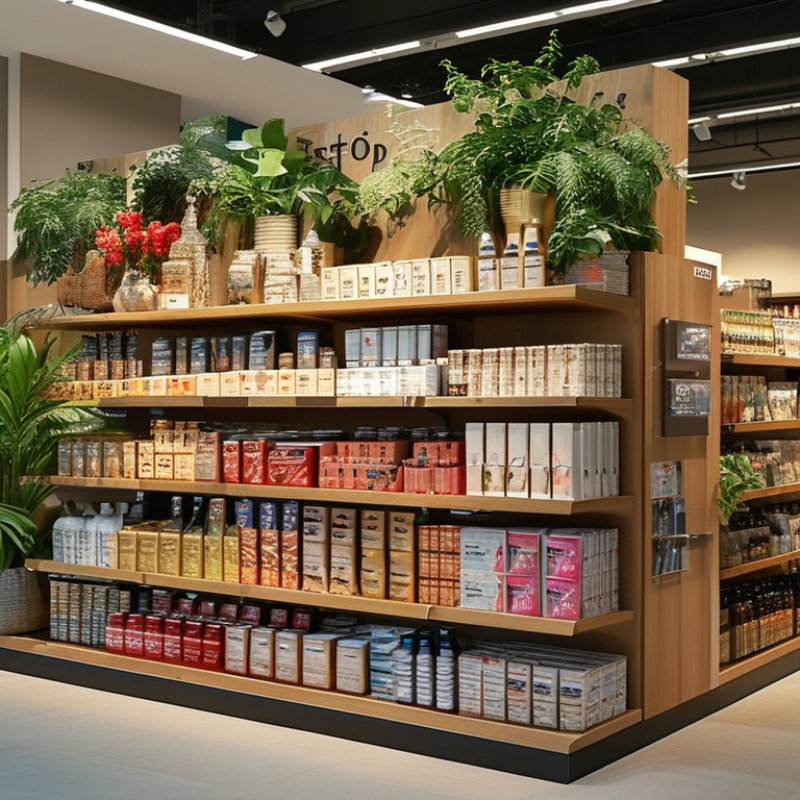
In retail, effective displays can significantly boost product visibility. A well-designed display attracts customers and encourages impulse buys. There are various types of retail displays to consider for product promotion.
Floor displays are popular for high-traffic areas. They are eye-catching and allow for a larger presentation area. These displays can showcase seasonal items or bestsellers. Additionally, wall-mounted displays optimize space and utilize verticality. They create an organized appearance, making it easier for customers to browse.
Endcap displays, found at the aisle's end, capture attention instantly. They highlight promotional items or new arrivals. Clear signage can increase interest. However, it’s essential to keep these displays fresh. Rotating products regularly keeps the display relevant. While some displays are highly effective, others might require frequent re-evaluation to ensure they meet customer needs and preferences.
Effective retail displays play a crucial role in product promotion. One key feature is visibility. Displays should be strategically placed to catch attention. Bright colors and clear signage help draw customers in. A good design allows shoppers to easily see and access products. These elements create an inviting atmosphere that encourages exploration.
Another vital aspect is adaptability. Retail spaces often change due to trends or stock. Displays need to be flexible to accommodate seasonal updates or new products. This adaptability can enhance customer engagement. With the right approach, displays can tell a story about the products. This narrative can connect with shoppers on a personal level.
However, the balance of aesthetics and functionality can be tricky. Attractive displays may overshadow products if not designed carefully. It’s important to continuously assess the effectiveness of a display. Gathering customer feedback or testing different layouts can provide insights. Ultimately, the goal is to create displays that not only look good but also promote sales effectively.
Strategic placement and layout of retail displays play a crucial role in attracting customers. The moment shoppers enter a store, their eyes are naturally drawn to certain areas. Therefore, positioning displays at key locations can significantly influence buying decisions. Consider putting high-demand items at eye level. This height adjustment makes products more appealing.
Tips: Create focal points within the store. Utilize bold colors or unique shapes to grab attention. Consider flow in the store layout. If displays obstruct pathways or confuse customers, they will likely leave without purchasing.
Another effective strategy is to group related items together. Customers often appreciate the convenience of finding complementary products. For example, placing snacks near beverages can encourage impulse buying. However, overcrowded displays may overwhelm shoppers. A clean, well-organized layout invites exploration.
Tips: Regularly update displays to reflect seasonal trends. Refreshing layouts keeps the shopping experience dynamic. Don’t hesitate to ask for feedback from customers. Their insights can guide adjustments that enhance sales.
| Display Type | Optimal Location | Effective Layout | Promotional Impact |
|---|---|---|---|
| End Caps | Aisle Ends | Cross-merchandising | High Visibility |
| Point of Purchase (POP) Displays | Checkout Area | Impulse Items | Boosts Impulse Buying |
| Shelf Displays | Middle Shelves | Clear Labeling | Encourages Interaction |
| Freestanding Displays | High Traffic Areas | Interactive Elements | Creates Focal Points |
| Virtual Displays | Online Platforms | Engaging Content | Enhanced Experience |
Effective retail displays rely heavily on the choice of materials and design. Wood, metal, and acrylic are popular options. Each material has its own strength and appeal. Wooden displays provide warmth and a rustic feel. Metal exhibits modernity and durability. Acrylic allows for clear visibility and versatility in design. However, choosing the right material can be challenging. Some materials may not hold up under heavy use, leading to increased costs over time.
Design is equally crucial. A display should catch the eye and enhance the product. Unique shapes or interactive features can draw attention. Bright colors and proper lighting can also heighten visibility. However, overcrowding with too many elements can confuse customers. Consider the overall store layout when designing displays. They should blend seamlessly, not clash with the existing decor. Regularly evaluating the effectiveness of your displays is important. Adjustments may be needed to maintain customer interest and drive sales.
It's essential to acknowledge common missteps in retail display design. Ignoring customer flow can limit the effectiveness of your displays. Overlooking target demographics often leads to wasted resources. Taking time to observe how customers interact with displays can yield valuable insights. Refining materials and designs based on feedback is key. Embracing a test-and-learn approach can lead to more impactful promotions.
Retail displays play a crucial role in influencing customer purchasing decisions. Studies show that effective displays can boost sales by up to 30%. This statistic highlights the importance of design, placement, and interaction in retail environments. In fact, a report from the Point of Purchase Advertising International states that almost 70% of purchase decisions are made in-store. This emphasizes how crucial the retail environment is for driving sales.
Research indicates that well-placed displays not only attract attention but also enhance brand visibility. For instance, interactive displays can increase engagement by 50%, encouraging customers to spend more time in-store. However, not all displays lead to positive outcomes. If not aligned with the product’s branding, displays may confuse customers and drive them away. Understanding customer behavior is essential in creating effective promotions.
Utilizing seasonal themes or local cultures can further elevate display effectiveness. It is essential to test various strategies and measure their impacts. A/B testing can yield valuable insights. Retailers should analyze the data to refine their display techniques regularly. Continuous improvement is key to staying relevant in the ever-evolving retail landscape.
: Floor displays are popular in high-traffic areas. They attract attention with a larger presentation of products.
Wall-mounted displays use vertical space effectively. They create an organized look, helping customers browse easily.
Endcap displays are located at the aisle's end. They immediately capture attention and highlight promotional items.
Rotating products keeps displays fresh. It ensures they remain relevant to customers’ interests over time.
Effective displays can increase sales by up to 30%. The right design and placement significantly impact customer decisions.
Interactive displays can boost customer engagement by 50%. They encourage shoppers to spend more time in stores.
Misaligned displays can confuse customers. This may lead to negative perceptions and decreased sales.
Seasonal themes resonate with customers. They create a more engaging shopping experience and attract attention.
A/B testing involves trying different display strategies. It helps retailers understand what works best for their customers.
Retail is always changing. Regularly refining display techniques keeps retailers relevant and responsive to customer needs.
Retail displays play a crucial role in effective product promotion by enhancing visibility and attracting customer attention. Various types of retail displays, such as countertop displays, floor displays, and hanging displays, cater to different marketing strategies and can significantly influence consumer behavior. Key features that make retail displays effective include clear messaging, appealing designs, and strategic placements that encourage engagement and spur impulse purchases.
Additionally, the placement and layout of retail displays are essential for maximizing their impact; thoughtful positioning can lead to increased foot traffic and enhanced product visibility. Material choices and design considerations also contribute to the overall effectiveness of displays, ensuring they resonate with the target audience. Finally, measuring the impact of retail displays on sales can provide valuable insights, helping retailers refine their strategies and optimize their promotional efforts for better results.

FutureSpace Rack