What Are the 2026 Top Types of Floor Stand Displays?

Time:2026-10-18 Author:Henry
0%

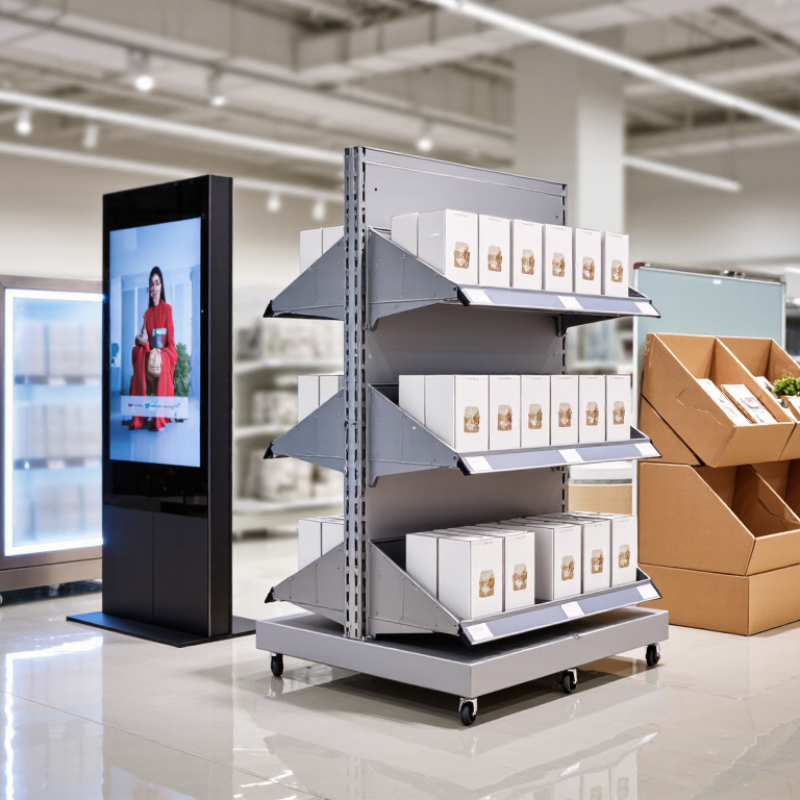
Floor Stand Displays are becoming more strategic as retailers compete for attention in crowded aisles. In 2026, the strongest formats will combine visibility, flexibility, measurable engagement, and responsible material choices.

Grand View Research valued the global digital signage market at approximately US$27.3 billion in 2023. Its forecast also indicates continued growth through 2030. This supports rising interest in digital floor units, interactive kiosks, and screens linked to changing campaigns. However, technology alone does not guarantee sales. A bright screen can still fail beside a confusing product layout.

POPAI research has repeatedly shown that in-store visibility influences shopper decisions, although results vary by category and store environment. Therefore, this guide examines modular metal displays, recyclable cardboard units, illuminated stands, digital displays, and hybrid designs. Each type serves a different merchandising purpose. A cardboard stand may suit a short seasonal launch. A modular steel unit may support heavier products and repeated use. An illuminated display can frame premium packaging near eye level. Small details matter, including wheel locks, shelf depth, cable management, and cleaning access.

Retail TouchPoints and NielsenIQ reports also emphasize connected retail, shopper experience, and measurable in-store performance. These findings make integrated Floor Stand Displays increasingly relevant for brands seeking clearer campaign data. Yet, industry forecasts are not guarantees. Store traffic, product price, local regulations, and staff execution can change outcomes. The best 2026 choice may not be the most advanced unit. It may be the display that shoppers understand within three seconds, remains stable during busy hours, and can be reused after the campaign ends.
What Are the 2026 Top Types of Floor Stand Displays?

Definition and Purpose of Floor Stand Displays

What Are the 2026 Top Types of Floor Stand Displays?

A floor stand display is a freestanding retail fixture placed directly on the shop floor. It presents products at eye level or within easy reach. Its purpose is practical: attract attention, organize merchandise, and shorten the distance between discovery and purchase. Common 2026 formats include modular shelving units, pallet displays, dump bins, literature stands, and digital interactive towers. Each format serves a different shopping mission. Shelving supports comparison. Bins encourage quick selection. Digital towers explain complex products.

POPAI’s Mass Merchant Shopper Engagement Study found that about 76% of purchase decisions were made in-store. That figure explains why physical presentation still matters. A well-positioned display can frame a product beside a busy aisle, checkout route, or promotional zone. In real installations, small details often decide performance. A stable base, readable price panel, and clear access path matter more than decorative complexity. It should not block fire equipment or customer movement.

Retail teams should also measure results carefully. Sales uplift, engagement time, stock depletion, and display maintenance provide useful evidence. Industry research from NielsenIQ repeatedly shows that visibility and in-store execution influence shopper response, although results vary by category and location. The assumption that a taller display always performs better is weak. Some shoppers avoid crowded structures. Others need more information than a printed sign can provide. Good design leaves room for testing, adjustment, and honest reconsideration.

Key Features of the Top Floor Stand Display Types in 2026

What Are the 2026 Top Types of Floor Stand Displays?

Key Features of the Top Floor Stand Display Types in 2026

Modular floor stand displays are gaining attention because they adapt to changing product lines. Their adjustable shelves, tool-free joints, and replaceable graphic panels support frequent retail updates. In store trials, a 30-centimeter shelf adjustment can improve product visibility significantly. Lightweight aluminum frames also reduce installation effort. Still, some modular systems feel unstable when overloaded. Weight limits must be checked carefully.

Digital floor stands create stronger interaction through touchscreens, motion sensors, and short product videos. A clear interface helps shoppers compare specifications without staff assistance. Bright screens need automatic dimming, especially near checkout areas. Power management is another key feature, since exposed cables can create maintenance problems. A simple content system is often more reliable than an impressive but complicated interface. Keep it practical.

Sustainable cardboard and hybrid displays are also common in 2026. Recycled board, water-based printing, and flat-pack shipping can reduce material waste. These units work well for seasonal products and limited campaigns. However, cardboard may weaken in humid environments or under repeated handling. That weakness is easy to overlook.

Rotating floor stands remain useful for small products, offering visibility from several walking directions. Their bearings should turn smoothly, while the base needs enough weight to prevent tipping. Display performance depends on placement, lighting, accessibility, and daily use—not appearance alone.

Comparison of Popular Floor Stand Display Formats

In 2026, floor stand displays are becoming more specialized, not simply larger. The best format depends on traffic, product weight, message length, and available floor space. A-frame stands work well near entrances because they present information from two directions. They are lightweight, affordable, and easy to reposition. However, they can look temporary in premium retail areas.

Banner stands deliver strong visual impact with minimal assembly. Their tall graphics catch attention from a distance, especially in corridors or event spaces. They suit short campaigns, product launches, and directional messages. Their weakness is limited product capacity. A banner can explain an offer, but it cannot replace a properly stocked display. Modular grid and slatwall stands provide greater flexibility. Shelves, hooks, and sign holders can be adjusted as inventory changes. They need more planning, though, and poor spacing may make products appear crowded.

Rotating towers use vertical space efficiently and help shoppers browse from several sides. They are useful for smaller packaged goods, accessories, and brochures. Digital kiosk stands offer motion, searchable information, and interactive demonstrations. They also require reliable power, software maintenance, and careful screen placement. In practical store testing, viewing height matters more than many layouts suggest. Products placed below knee level are often missed. I once assumed maximum capacity meant better performance, but overloaded shelves reduced browsing time. Clear spacing usually creates a stronger buying path.

Best Applications for Each Floor Stand Display Type

What Are the 2026 Top Types of Floor Stand Displays?

Floor stand displays work best when their structure matches the shopping mission. According to Shop! Global Retailing Trends 2024, physical stores remain important because shoppers still seek product discovery and immediate ownership.

Cardboard floor stands suit short campaigns, seasonal products, and lightweight packages. They are easy to print, move, and recycle.

Metal modular stands fit electronics, cosmetics, and hardware departments. Their adjustable shelves support changing stock levels.

Rotating displays help small products gain visibility in narrow aisles. They work well for accessories, snacks, and personal-care items.

Digital floor stands serve products needing demonstration. A built-in screen can show setup steps, comparisons, or customer use. However, a screen alone does not guarantee attention. The 2024 Global Retail Outlook from CBRE notes that retailers continue investing in experience-led physical spaces. This supports interactive displays, but execution still matters. A crowded screen may distract from the product.

Dump-bin displays suit promotional goods and fast-moving, low-cost items. They encourage browsing, although poor organization can make merchandise look neglected.

Tips: Keep the message readable from three meters away. Place the strongest product at eye level. Test the display during real store traffic, not only in a showroom. Measure sales uplift, dwell time, and replenishment effort. A cheaper stand may create higher labor costs. That detail is often missed.

How to Choose the Right Floor Stand Display for Your Needs

In 2026, floor stand displays include digital kiosks, poster stands, brochure towers, menu boards, and modular retail frames. Each type serves a different communication goal. Digital kiosks suit interactive product information and self-service guidance. Poster stands work better when messages must remain visible without power. Brochure towers help visitors take detailed information with them.

Choosing the right floor stand display starts with your location. Measure the available floor space, ceiling height, and walking direction. A narrow entrance needs a stable, slim structure. A busy showroom may need a wider base and larger viewing area. Consider audience behavior too. Do visitors stop, touch, read, or keep moving? A bright screen may attract attention, but it can distract from the main message. Printed displays feel simpler and may be easier to update in smaller campaigns.

Tips: Check stability before design appeal. Place key content at natural eye level. Use clear contrast and readable type. Ask one colleague to view the display from five meters away. If the message is unclear, revise it. I once underestimated glare near a window; the display looked attractive but became difficult to read. Test lighting, traffic flow, and cleaning needs before ordering. Also review accessibility, cable safety, and maintenance access. A beautiful display that blocks movement is not a successful choice.

What Are the 2026 Top Types of Floor Stand Displays?

Compare common floor stand display formats by typical commercial height and width. Use the intended location, message volume, portability, and customer interaction level to choose the right format.

Roll-up banners are compact and portable, pop-up backdrops provide high-impact event coverage, literature racks support brochures and catalogs, gondola shelving is suited to product merchandising, digital kiosks enable interactive content, and freestanding lightboxes maximize visual impact. Dimensions shown are typical commercial formats; exact specifications vary by supplier and configuration.

FAQS

What are the main floor stand display types in 2026?

Common types include modular, digital, cardboard, rotating, banner, A-frame, grid, slatwall, kiosk, and dump-bin stands. Each serves a different shopping purpose. Size alone does not decide performance.

When should a retailer choose a modular floor stand?

Choose one when product lines or stock levels change often. Adjustable shelves can move by 30 centimeters. Tool-free joints speed up store updates. Check weight limits carefully.

What are the benefits and risks of digital floor stands?

Digital stands can show comparisons, setup steps, and short product demonstrations. Touchscreens may help shoppers browse without staff support. Automatic dimming protects visibility near bright checkout areas. Complex software can become a maintenance burden.

Which floor stand works best for seasonal campaigns?

Cardboard and hybrid displays suit seasonal products and short campaigns. Flat-pack shipping reduces storage space. Water-based printing can lower material concerns. Humidity remains a real weakness.

Are rotating floor stands useful for small products?

Yes. Rotating stands expose products from several walking directions. They suit accessories, brochures, snacks, and personal-care items. Smooth bearings matter. A heavy base helps prevent tipping.

Where should an A-frame or banner stand be placed?

A-frame stands work well near entrances because people see both sides. Banner stands suit corridors, events, and short launches. Keep the main message readable from three meters away. Neither format holds much merchandise.

How can retailers make products easier to notice?

Place the strongest product around eye level. Avoid putting key items below knee height. Leave clear space between products. Crowded shelves may reduce browsing time, despite holding more stock.

How should display performance be measured?

Test displays during normal store traffic, not only in a showroom. Track sales uplift, dwell time, and replenishment effort. Watch cables, lighting, accessibility, and cleaning needs. A cheaper stand may cost more labor.

What should retailers reconsider before selecting a floor stand?

Do not assume a striking appearance guarantees results. Match the structure with product weight, message length, traffic, and available space. I might overvalue maximum capacity. Clear browsing paths often work better.

Conclusion

Floor Stand Displays are freestanding retail and promotional fixtures designed to present products, information, or visual content at eye level in busy environments. In 2026, the most effective types include modular shelving units, rotating displays, digital screen stands, poster holders, and multifunctional kiosk-style formats. Their key features include stability, flexible layout, strong visibility, easy assembly, efficient use of space, and the ability to support changing campaigns or product selections.

Each format serves different applications: shelving displays are suitable for merchandise, poster stands work well for announcements and promotions, rotating units maximize product access in limited areas, and digital stands provide interactive or dynamic communication. To choose the right display, consider the available floor space, product size and weight, audience traffic, content update frequency, budget, portability, and overall visual goals. A well-matched floor stand display can improve organization, attract attention, and create a more convenient experience for visitors and customers.

Henry

Henry

Henry is a dedicated marketing professional with a profound expertise in the company's offerings. With years of experience in the industry, he possesses an impressive understanding of the market dynamics and consumer behaviors that drive success. Henry is committed to sharing his insights through......